
Evidence Guide
Can Supplements Lower PSA Levels? What Evidence Shows (2026): A Realistic Guide for Men
An elevated PSA sends most men into the same 11 p.m. spiral — refresh the lab portal, then search for anything that might bring the number down. This is the calm version: what PSA actually measures, what really moves it, and where supplements honestly fit (and where they don't).
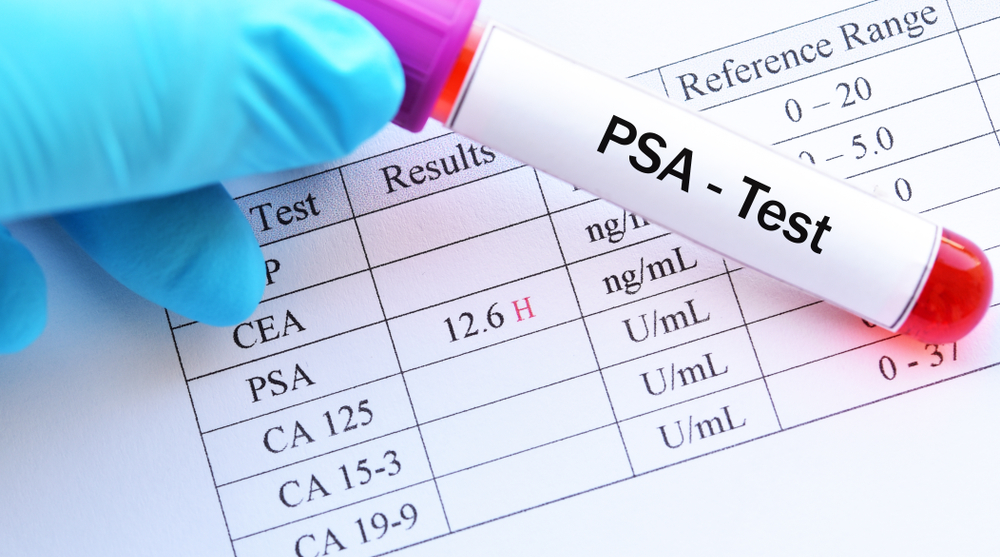
What does PSA actually measure?
PSA is a protein the prostate produces. The blood test measures how much is leaking into your bloodstream. That amount rises whenever prostate tissue is irritated, inflamed, enlarged, infected, or under stress for any reason. According to the National Cancer Institute, an elevated PSA tells you the prostate is reacting to something. It doesn't tell you what.
That distinction is the whole game. The marketing playbook conflates "high PSA" with "cancer" because fear sells capsules. The clinical reality is that most elevated PSAs in men over 40 trace back to benign causes with nothing to do with malignancy. Common culprits include benign enlargement, prostatitis, a urinary infection, recent ejaculation within 24 to 48 hours of the draw, a vigorous bike ride, or simple age-related drift. One isolated number is almost never the full picture. The trend across two or three tests is what your urologist actually reads.
What the evidence actually supports, ingredient by ingredient
No single ingredient reliably lowers PSA. A 2022 systematic review and meta-analysis by researchers in Complementary Therapies in Medicine looked specifically at lycopene's effect on PSA. It found a real, if moderate, signal, strongest in men with a family history of prostate concerns. Saw palmetto's picture is similar. A 2026 systematic review of Serenoa repens still finds mixed results at the population level. It's useful for BPH-linked irritation, but not a guaranteed number-mover for any one man.
Not every ingredient in this space earns a green light, though. High-dose vitamin E and selenium are the honest cautionary tale. A 2024 review in Advances in Nutrition lays out how tocopherol chemistry is more complicated than "more antioxidant is better." The large SELECT prevention trial found no PSA benefit from that combination. It also linked high-dose vitamin E to greater prostate cancer risk over time. The credible approach combines a few modest-dose pathways: inflammation, oxidative stress, urinary comfort. It doesn't bet on a single mega-dose ingredient.
The key point The useful question isn't "what lowers PSA." It's "what's driving mine up, and can I ease that driver" — for a benign, BPH-linked elevation, the answer can include supplements. Luciano Cesar, Content Contributor
The terms that matter
- PSA (prostate-specific antigen)
- A protein your prostate makes that shows up in a blood test. It rises when the gland is irritated for any reason — it's a smoke detector, not a diagnosis of what's burning.
- PSA velocity
- How fast PSA is changing across multiple tests. A number rising quickly matters far more than a single high reading — velocity is one of the main things a urologist watches.
- BPH (benign prostatic hyperplasia)
- An enlarged, non-cancerous prostate — the most common benign reason PSA drifts up after 50. Easing BPH irritation is the main lane where supplements have a real, modest role.
- Oxidative stress
- Cellular wear and tear from unstable molecules. Antioxidant ingredients like lycopene aim to reduce it in prostate tissue — one of the indirect ways the environment can be supported.
Formulas that target the drivers — used with monitoring
If your elevation is benign and BPH-linked, a multi-pathway formula is how most men support the upstream drivers. Give it 4 to 8 weeks before a re-test. None of these lowers PSA on demand, and none replaces tracking the trend with your doctor.
Prostavive
Broadest multi-pathway support — when BPH is the likely driver
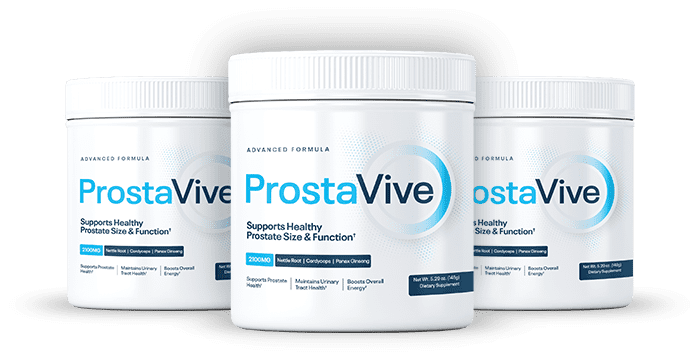
If your elevated PSA traces back to BPH and prostate irritation — the most common benign cause after 50 — the sensible supplement move is to ease those upstream drivers, not chase the number. Prostavive's multi-pathway formula targets DHT, inflammation, and oxidative stress together, the combination the evidence supports for the conditions that push PSA up. The 180-day window is the longest in the category, useful here because PSA shifts over weeks to months, and you'll want to re-test under the same conditions before judging anything.
Look elsewhere if: Your PSA pattern is unexplained, rising fast, or paired with symptoms — that's a doctor-first situation, not a supplement one.
FlowForce Max
Daily multi-pathway support in a chewable
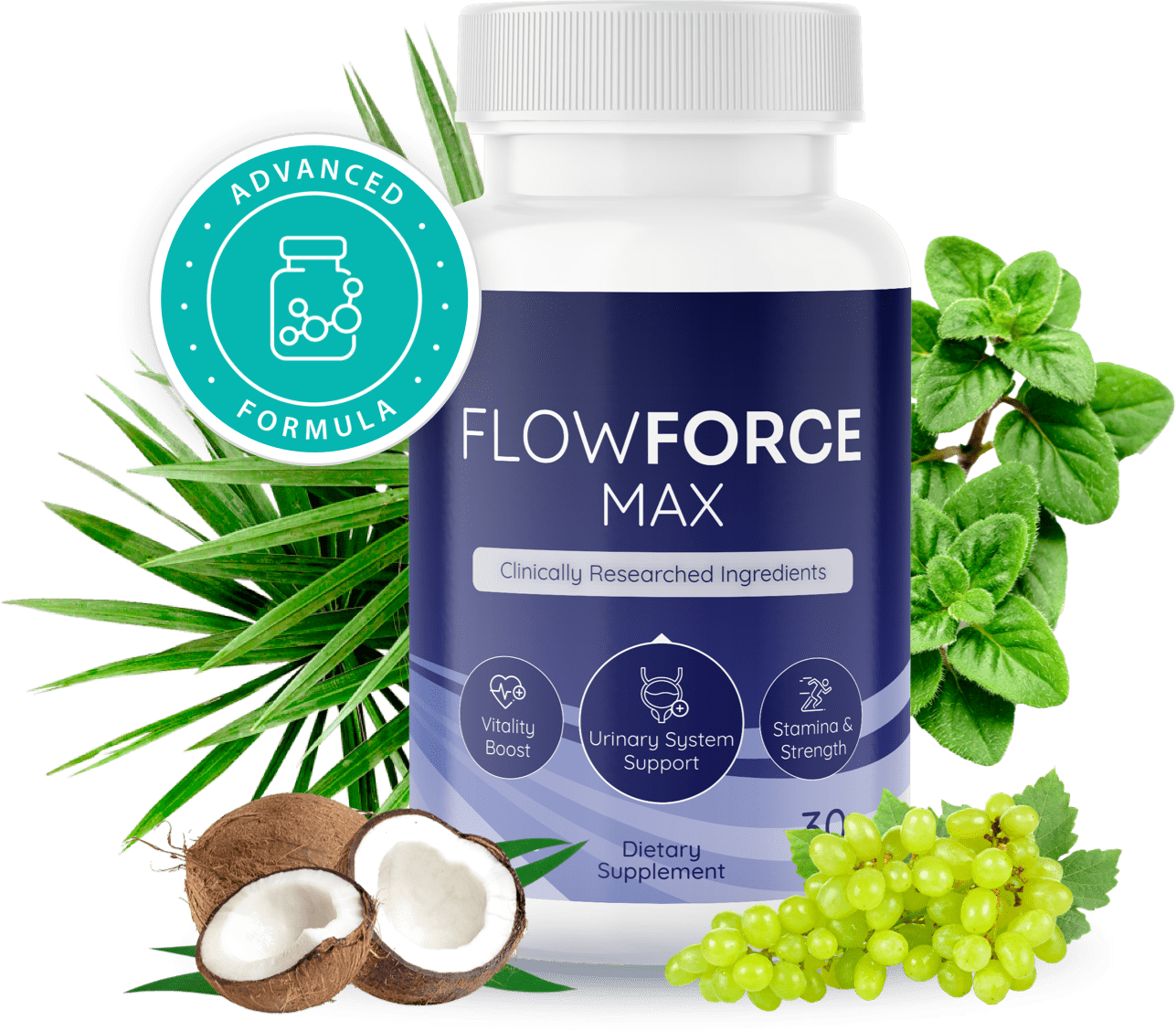
A simpler daily option that still hits more than one pathway — saw palmetto plus inflammation- and bladder-comfort ingredients in a chewable. For men whose elevation is mild and clearly BPH-linked, it's an easy way to support the prostate environment for the 4 to 8 weeks before a re-test, without committing to the broadest stack.
Look elsewhere if: You want the longest guarantee window to test the full timeline — Prostavive's 180 days gives more room than this 60-day window.
When to skip supplements and call your doctor first
Some PSA patterns sit completely outside the supplement lane. Don't try to manage these with capsules. Call your urologist if PSA is rising rapidly across tests, persistently elevated without an obvious benign explanation, or paired with blood in urine or significant urinary changes. The same goes for abnormal findings on physical exam or imaging, or a family history of prostate cancer combined with elevation. For these, the supplement question comes after the diagnostic workup, never instead of it.
The verdict: can supplements lower PSA levels?
Supplements don't lower PSA on demand. What they can do, modestly and gradually, is reduce the inflammation, oxidative stress, and urinary irritation. That's often what pushes PSA up in the first place. It's a genuine role, not a marketing claim. And it lives in a narrow lane: benign, BPH-linked elevation, supported alongside medical monitoring. The men who use this category well track the trend with their doctor and identify the actual driver. Then they pick a multi-pathway formula they'll stay consistent with for 4 to 8 weeks before re-testing. If that's you and BPH is the likely driver, Prostavive is where we'd start: broadest coverage, longest guarantee, lowest-risk trial.
Is it worth trying for peace of mind about your PSA?
Picture opening the portal for your next PSA result without the week of dread that led up to it. Just checking the number once, out of routine curiosity, instead of refreshing the page at midnight. That's the quieter goal underneath most of this searching.
Here's the honest frame. A multi-pathway formula is a potentiator of the prostate environment, not a PSA switch. It eases inflammation and irritation over time, but it doesn't override whatever is actually driving your number. Used that way, alongside your doctor's monitoring, it tends to help the men whose elevation is genuinely benign. Expected to make a scary number disappear by itself, it will disappoint. Worse, it can delay the workup someone actually needed.
It's worth trying, for the right man, because the mechanisms are documented: lycopene's PSA-specific meta-analysis shows a real signal. And the caution around high-dose vitamin E and selenium matters too. That kind of honesty should make you trust the rest of the evidence more, not less. None of it promises a specific number for a specific man — it's grounds for an informed, monitored attempt.
And what moves the needle varies by what's actually driving the elevation. BPH, mild inflammation, or simple age-related drift all respond differently, and at different speeds. That's exactly why the plan is 4 to 8 weeks and a re-test under the same conditions. It's not a guess based on how you feel after day three.
Frequently asked questions
Can supplements lower PSA levels?
Not directly. No supplement reliably lowers PSA in a clinical sense, and any product that promises that is overselling. What evidence-aware ingredients can do is reduce the inflammation, oxidative stress, and BPH-related irritation that often drive PSA up — and when those drivers ease, PSA can stabilize over weeks to months. The lane is real but narrow, and supplements never replace tracking PSA trends with your doctor.
What does PSA actually measure?
PSA is a protein produced by prostate tissue and measured in blood. It rises when the prostate is irritated, inflamed, enlarged, infected, or otherwise under stress. It's a marker of prostate activity, not a diagnosis — which is why one isolated reading rarely tells the full story.
Why can PSA rise for non-cancer reasons?
Most elevated PSAs in men over 40 trace back to benign causes: BPH (the most common after 50), prostatitis, urinary infection, recent ejaculation within 24-48 hours of the test, vigorous cycling, or age-related prostate changes. Trends across multiple tests matter far more than one number.
How long does it take for supplements to affect PSA levels?
Plan for 4 to 8 weeks of daily, consistent use before re-testing under the same conditions (same lab, same time of day, no recent ejaculation or cycling). PSA shifts on a timeline of weeks to months, not days. Quitting at week two is the most common reason men decide a strategy 'didn't work.'
When should I see a doctor instead of taking supplements for PSA?
Skip the supplement question and call your urologist if PSA is rising rapidly across tests, stays persistently elevated without obvious explanation, comes with blood in urine or significant symptoms, or pairs with abnormal physical exam findings. Family history of prostate cancer plus elevation also belongs in clinical hands first — supplements come after the workup, never instead of it.