
Foods That Worsen Prostate Symptoms -- And What to Eat Instead
How everyday food choices influence inflammation, urinary pressure, and long-term prostate comfort.

Diet-driven inflammation is a common -- and often overlooked -- contributor to prostate and urinary symptoms.
Key Insights
- Highly processed and inflammatory foods can aggravate prostate and urinary symptoms.
- Sugar and alcohol influence prostate health through metabolic and bladder-related mechanisms.
- Supplements work best when reinforcing dietary and lifestyle improvements.
Foods that worsen prostate symptoms are often hiding in plain sight -- processed snacks, excess sugar, evening alcohol, and inflammatory fats. Daily dietary patterns play a larger role in inflammation, bladder pressure, and symptom progression than most men realize. This guide covers the foods most likely to worsen prostate and urinary symptoms and what to replace them with for lasting comfort.
Quick Answer
Which foods make prostate symptoms worse?
Processed foods, added sugars, alcohol, fried foods, and high-sodium items are the most common dietary triggers for worsening prostate and urinary symptoms. They increase inflammation, bladder irritation, and metabolic stress -- all of which can amplify BPH-related discomfort.
In this guide:
- Quick Answer
- Why Diet Matters for Prostate Symptoms
- How Food Choices Affect the Prostate Biologically
- Foods That May Worsen Prostate and Urinary Symptoms
- Better Dietary Choices for Prostate Support
- Food Triggers vs. Prostate-Friendly Alternatives
- How Long Dietary Changes Take to Affect Symptoms
- Where Supplements Fit Into Dietary Strategies
- Common Dietary Mistakes Men Make
- Final Verdict
- FAQs
Why Diet Matters for Prostate Symptoms
The prostate is sensitive to systemic inflammation, hormonal signaling, and metabolic stress. Diets that promote chronic inflammation can increase prostate tissue irritation and worsen urinary symptoms over time. Understanding how prostate symptoms progress early gives men more time to make meaningful dietary adjustments before issues escalate.
Men experiencing frequent urination, urgency, weak flow, or bladder pressure often focus on supplements or medications while overlooking dietary triggers that quietly sustain these symptoms. Addressing prostate inflammation through diet is one of the most practical and underused strategies available.
How Food Choices Affect the Prostate Biologically
Inflammation and Prostate Tissue Stress
Highly processed foods and inflammatory fats can increase systemic inflammation, which may translate into higher prostate tissue stress and sensitivity.
Sugar, Insulin, and Prostate Irritation
Excessive sugar intake affects insulin signaling and inflammatory pathways. Over time, this metabolic stress may worsen prostate-related inflammation and urinary discomfort.
Alcohol and Bladder Irritation
Alcohol acts as both a bladder irritant and diuretic. For men with prostate symptoms, this combination often increases urinary urgency and nighttime bathroom trips.
Foods That May Worsen Prostate and Urinary Symptoms
- Highly processed foods with refined carbohydrates
- Excessive added sugars
- Alcohol, especially in the evening
- Fried foods and inflammatory oils
- Excess sodium that may increase urinary urgency
These foods do not directly cause prostate conditions, but they may aggravate existing symptoms and make symptom management more challenging. For men already noticing early signs of an enlarged prostate, reducing these triggers is one of the most practical first steps.
Better Dietary Choices for Prostate Support
- Whole foods with anti-inflammatory properties (leafy greens, berries, fatty fish)
- Balanced mineral intake supporting zinc and selenium levels
- Hydration-focused eating patterns
- Healthy fats that support inflammatory balance (olive oil, avocado, nuts)
- Consistent meal timing to support metabolic stability
These dietary shifts support prostate comfort gradually and are most effective when maintained consistently. Research on lycopene and prostate protection suggests that tomato-rich diets may offer additional antioxidant support.
Food Triggers vs. Prostate-Friendly Alternatives
| Common Trigger | Why It May Worsen Symptoms | Better Alternative |
|---|---|---|
| Processed foods | Increase systemic inflammation | Whole, minimally processed meals |
| Added sugars | Promote insulin and inflammatory stress | Low-glycemic carbohydrates |
| Alcohol | Bladder irritation and fluid imbalance | Hydration-focused beverages |
| Fried foods | Inflammatory fat content | Healthy fat sources (olive oil, avocado) |
How Long Dietary Changes Take to Affect Symptoms
Dietary changes rarely produce immediate symptom relief. Most men notice gradual improvements over several weeks as inflammation levels and bladder sensitivity begin to stabilize.
Consistency matters more than intensity. Short-term restriction followed by relapse often delivers limited benefit.
Where Supplements Fit Into Dietary Strategies
Supplements are best viewed as nutritional reinforcement rather than replacements for dietary habits. Ingredients like beta-sitosterol and saw palmetto have been studied for their role in urinary flow and prostate comfort when used alongside a cleaner diet.
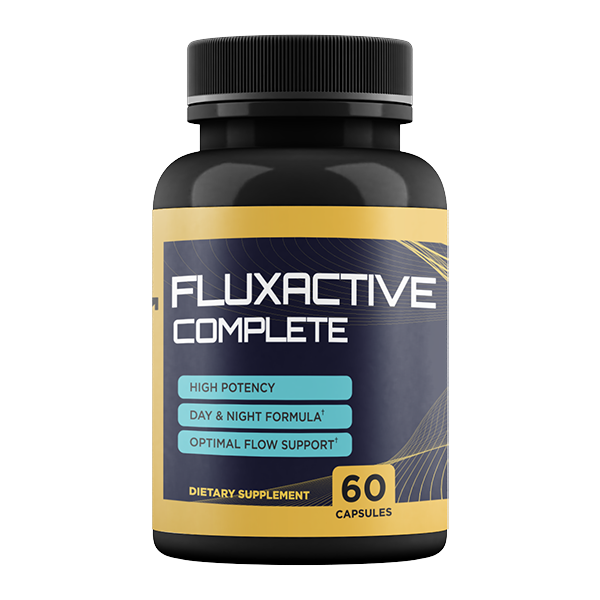
Formulas such as Fluxactive Complete are designed to complement dietary improvements by supporting inflammation balance, prostate comfort, and nutrient consistency. Reviewing the best prostate supplements can help narrow down options that align with a dietary-first approach.
Common Dietary Mistakes Men Make
- Expecting supplements to counteract poor diet
- Chasing individual "superfoods" instead of patterns
- Ignoring hydration and mineral balance
- Expecting rapid symptom resolution
Final Verdict: Diet Is the Foundation -- Supplements Are the Reinforcement
Prostate symptoms reflect long-term lifestyle patterns. Diet plays a meaningful role in inflammation, urinary comfort, and symptom progression. The foods you eat every day can either amplify or moderate the inflammatory load on prostate tissue.
Supplements should support -- not replace -- consistent dietary and lifestyle adjustments. When paired with reduced inflammatory triggers and better food choices, formulas like Fluxactive Complete can reinforce the improvements your diet is already making.
FAQs
Which foods are worst for prostate symptoms?
Highly processed foods, excessive added sugars, alcohol (especially in the evening), fried foods with inflammatory oils, and high-sodium items tend to worsen prostate and urinary symptoms the most through inflammation and bladder irritation.
How long does it take for dietary changes to improve prostate symptoms?
Most men notice gradual improvements over several weeks as inflammation levels and bladder sensitivity stabilize. Consistency matters more than intensity -- short-term restriction followed by relapse delivers limited benefit.
Can diet alone fix prostate problems?
Diet alone rarely resolves established prostate conditions, but it plays a meaningful role in managing inflammation, urinary comfort, and symptom progression. It works best when combined with consistent lifestyle habits and appropriate supplementation.
Do prostate supplements work better with a clean diet?
Yes. Supplements are designed to reinforce nutrient gaps and support pathways like inflammation balance. Their effectiveness improves when the dietary foundation is already reducing inflammatory triggers rather than adding to them.
When should I see a doctor about prostate-related dietary concerns?
Consult a healthcare provider if dietary changes do not improve symptoms after several weeks, if symptoms worsen rapidly, or if you experience blood in urine, inability to urinate, severe pain, or unexplained weight loss.
Reviewed by: The Supplement Post Editorial Team, Content Contributors -- Last updated:
Recommended Product
About
Luciano Cesar is a contributor at The Supplement Post, supporting the production of evidence-aware supplement reviews and buyer's guides across multiple health categories. His work spans ingredient analysis, formulation assessment and consumer-oriented summaries — what a label discloses, how the stated doses compare with the amounts used in published human research, and whether a formula's design matches what it claims to do. Every review is checked by The Supplement Post editorial team against the standards published in our editorial policy before it goes live.
Disclosure
All content on The Supplement Post is for informational purposes only and is not a substitute for professional medical advice, diagnosis, or treatment. Each product is a dietary supplement, not a prescription drug; statements about its benefits have not been evaluated by the U.S. Food and Drug Administration (FDA) and the product is not intended to diagnose, treat, cure, or prevent any disease.
Results may vary based on individual health status, consistency of use, and lifestyle. If you are pregnant or nursing, taking medication, or have a medical condition, consult a qualified healthcare professional before using any supplement.
This page may contain affiliate links—if you purchase through them, The Supplement Post may earn a small commission at no additional cost to you. References to third-party sites are provided for convenience; we do not control or guarantee their content.