
Comparison
Non-Prescription BPH Supplements: 3 Approaches Compared in 2026
Most men with mild-to-moderate BPH symptoms eventually weigh the same trade-off: start tamsulosin, start finasteride, or try an OTC alternative first. The category isn't one thing — three distinct mechanisms dominate it, and matching your symptom pattern to the right one matters more than picking 'the best.'
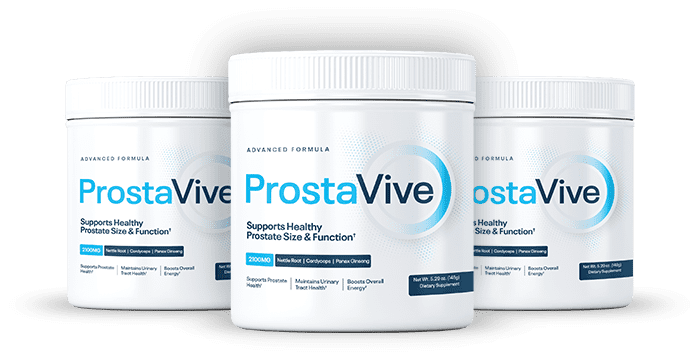
Why more men are trying the OTC route first
Up to 40% of men older than 50 live with lower urinary tract symptoms, according to a 2025 clinical review by Wei and colleagues in JAMA — so the pool of men weighing this decision keeps growing as the population ages. A meaningful minority on finasteride report persistent sexual side effects, and tamsulosin commonly causes a blood-pressure drop and retrograde ejaculation. Those are the exact reasons men reach for a milder first step before escalating.
The evidence under the supplements is real but modest. Saw palmetto, beta-sitosterol, and pygeum each have human trials behind them for urinary symptoms — they ease flow, urgency, and night wakings over weeks. They don't shrink the gland, and the honest sources say so. The takeaway isn't that supplements beat the prescription. For mild-to-moderate symptoms, an OTC trial is a reasonable, lower-side-effect first move.
The key point The category isn't homogeneous. There are three distinct mechanistic approaches, and matching your symptom pattern to the right one matters more than picking "the best." Luciano Cesar, Content Contributor
The terms that matter
- BPH (benign prostatic hyperplasia)
- The medical name for a non-cancerous enlarged prostate. As the gland grows it squeezes the urethra, causing weak stream, urgency, and frequent bathroom trips.
- DHT (dihydrotestosterone)
- A hormone your body makes from testosterone that drives prostate growth later in life. Slowing how much DHT the prostate produces is the main lever most natural ingredients pull.
- Nocturia
- Waking up to urinate during the night — for many men, the single most disruptive BPH symptom, and the one TC24 is built around.
How the 3 approaches compare
| Criterion | Prostavive | Prostadine | TC24 |
|---|---|---|---|
| Mechanism | 4-pillar: hormonal + anti-inflammatory + urinary + vitality | 5-AR inhibition + thyroid-prostate axis | Pine pollen + saw palmetto + pygeum |
| Format | Capsule | Liquid drops | Capsule |
| Best for | Multi-symptom + low energy | Hormonal/age-related BPH | Nocturia primary |
| Guarantee | 180 days | 60 days | 60 days |
| Where to buy | Site → | Site → | Site → |
All three are USA-made, GMP-certified, and avoid the prescription side-effect profiles that drive most men to look at non-prescription alternatives in the first place.
3 non-prescription BPH formulas worth knowing
Each formula targets BPH from a distinct mechanistic angle. Find the one that matches your symptom pattern.
Prostavive
Multi-pathway 4-pillar formula — hormonal, anti-inflammatory, urinary, vitality
Prostavive stacks 8 ingredients across hormonal regulation, anti-inflammatory adaptogens, and urinary-flow herbs. It's the most comprehensive of the three, built for men whose BPH presentation includes multiple symptoms plus a midlife energy or vitality decline. The 180-day guarantee is the longest we've tracked in the category, which gives a fair evaluation margin.
Look elsewhere if: Your symptoms are mostly nighttime wake-ups — TC24 below was built specifically for that pattern.
Prostadine
DHT-focused liquid drops — hormonal and age-related BPH
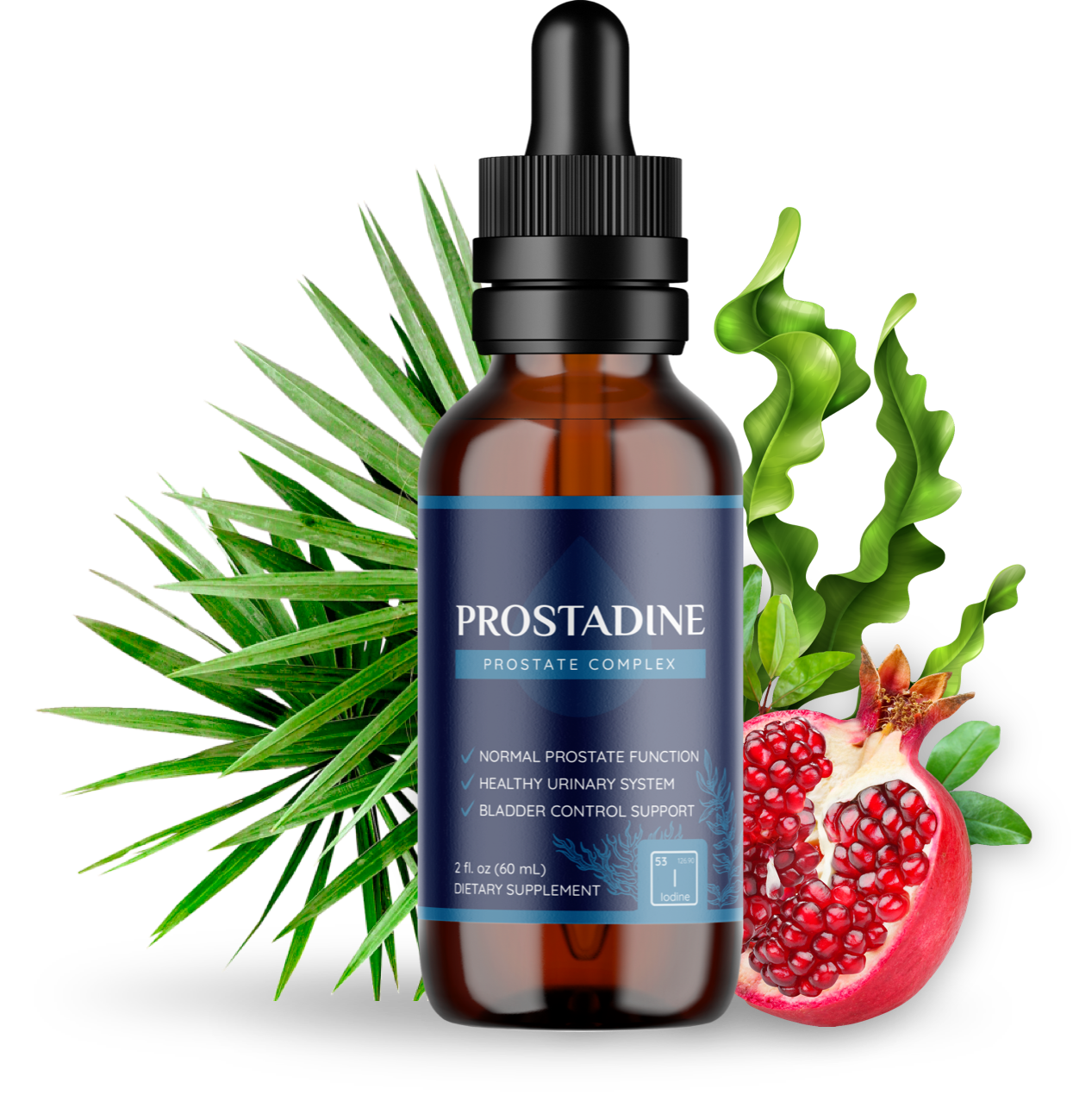
Prostadine combines saw palmetto's 5-alpha reductase inhibition with seaweed extracts supporting the thyroid-prostate axis, plus anti-inflammatory pomegranate and neem. The liquid drop format absorbs faster and suits men who dislike pills. Best fit: a hormonal or age-related BPH presentation where DHT is the suspected dominant driver.
Look elsewhere if: Nocturia is your primary complaint — TC24's pine pollen and pygeum stack targets that symptom directly.
TC24
Nocturia-targeted — pine pollen, saw palmetto, pygeum
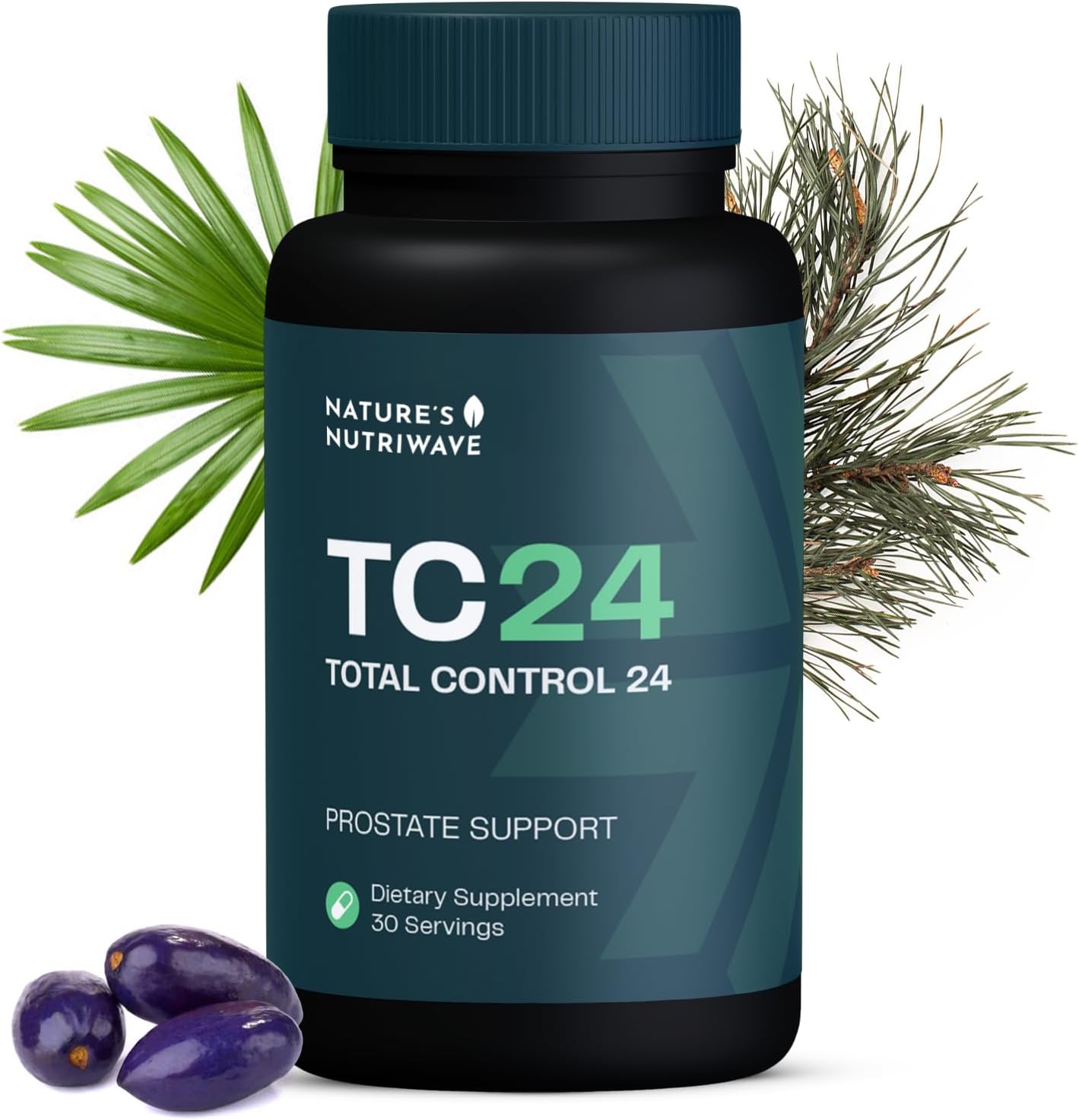
TC24 is the symptom-targeted choice: pine pollen extract formulated specifically for nighttime urinary symptoms, plus saw palmetto and pygeum. The once-daily capsule format is the simplest routine of the three, built for men whose nocturia is the disruptive symptom.
Look elsewhere if: You have multiple symptoms at once — Prostavive's broader formula covers more biological ground.
Which non-prescription BPH supplement should you choose first?
Pick Prostavive if you have multi-symptom BPH (frequency, nocturia, and weak stream together) plus a midlife energy or libido decline, and want the longest guarantee window for a fair evaluation. Our full Prostavive review breaks down the 4-pillar formula in more detail. Pick Prostadine if your presentation feels hormonal or age-related, you suspect DHT is the dominant driver, and you prefer a liquid format. Pick TC24 if nocturia alone is your primary complaint and you want the simplest possible daily routine.
Is it worth trying a non-prescription BPH supplement?
It's 11 p.m., and tonight's decision is whether to finish the water on the nightstand or skip it to dodge a second trip down the hall. That small, constant math is what most men comparing these formulas are actually trying to get rid of — not a lab number, just an ordinary bedtime back.
Every formula in this comparison is a potentiator, not a cure. None of them shrinks the gland the way finasteride can. What they do is support the pathways, hormonal, inflammatory, or symptom-specific, that make the day-to-day easier to live with, without the side-effect trade-offs that send men looking for an alternative in the first place. Taken with that expectation, an OTC trial is a reasonable first move.
What makes the attempt worth it is that the evidence, while modest, is real. Wei and colleagues' 2025 review in JAMA frames BPH management as a stepwise conversation, not a one-size prescription; Antoniou's group summarized the phytotherapy literature across saw palmetto, pygeum, and beta-sitosterol; Macoska's review lays out beta-sitosterol's specific mechanism. None of it is a promise for any one bottle, but it's a documented starting point.
And which formula helps fastest depends on which symptom is actually driving the search. A man whose main complaint is nighttime trips will likely notice TC24's targeted approach sooner than a broader formula would show up for him — and a man juggling several symptoms at once may need Prostavive's wider net before any single lever moves the needle. That's not indecision. It's why this comparison exists instead of a single verdict.
Frequently asked questions
What are the over-the-counter (OTC) options for enlarged prostate?
OTC options for BPH typically fall into three angles: multi-pathway formulas that address hormonal balance, inflammation, and vitality at once; DHT-focused liquid formulas targeting 5-alpha reductase; and targeted symptom formulas built around a specific complaint like nocturia. The right choice depends on your symptom pattern.
Can OTC prostate supplements actually shrink the prostate?
No OTC supplement is clinically proven to medically shrink the prostate. Most are positioned for symptom support — improving flow, reducing nocturia, easing urgency. Improvements are typically gradual, from around 4 to 12 weeks of consistent use. Prescription finasteride is the only ingredient with documented volume reduction, and it works over months.
How do non-prescription BPH supplements compare to tamsulosin or finasteride?
Tamsulosin relaxes smooth muscle and works within 1 to 2 weeks but commonly causes blood pressure drop and retrograde ejaculation. Finasteride reduces prostate volume over months but has documented sexual side effects in a meaningful minority of men. OTC supplements are slower and milder, but they avoid those side-effect profiles. Many men use both under a doctor's supervision.
How do I choose between Prostavive, Prostadine, and TC24?
Match the formula to your dominant symptom. Prostavive fits multi-symptom BPH with midlife energy decline. Prostadine fits a hormonal or age-related presentation and a liquid-drop preference. TC24 fits men whose nocturia is the primary complaint and who want once-daily simplicity.
Can I take OTC prostate supplements with prescription BPH medication?
Talk to your doctor before combining any prostate supplement with tamsulosin or finasteride. Saw palmetto and pygeum may have additive effects with finasteride, and herbs that affect blood pressure could compound tamsulosin's effect. This is a doctor conversation, not a DIY decision.
When should I see a doctor about BPH symptoms?
See a urologist immediately for urinary retention, blood in urine, painful urination, fever, recurring infections, or a sudden worsening of symptoms. OTC supplements support mild-to-moderate symptoms; they don't replace clinical evaluation when something's actually wrong.