
Early Signs of Enlarged Prostate Men Ignore: The Patterns That Mean the Bladder Is Compensating
An enlarged prostate rarely announces itself with a dramatic warning. It usually shows up as small, repeatable inconveniences -- until sleep, comfort, and urinary flow start getting disrupted. This guide breaks down the early signs most men ignore, what they often mean, and when to act.

Most early signs are not emergencies -- but they are patterns. The earlier you recognize the pattern, the more options you tend to have.
Early signs of an enlarged prostate are easy to dismiss -- the stream feels slightly weaker, it takes a moment longer to start, and nighttime trips to the bathroom become just frequent enough to be annoying but not alarming. The problem is that these patterns usually mean the bladder is compensating. When that compensation begins to fail, symptoms escalate fast.
This guide covers the subtle BPH patterns most men overlook, what they typically mean biologically, and when it is time to act -- whether through lifestyle changes, prostate support supplements, or medical evaluation.
Quick Answer
What are the most commonly ignored early signs of BPH?
A weaker urine stream, brief hesitation before flow begins, waking 1-2 times per night to urinate, and a lingering "not fully empty" sensation are the four most common early BPH patterns men dismiss as normal aging. These signals usually reflect the bladder compensating for a narrowing urethra.
In this guide:
- Quick Answer
- Why Early BPH Symptoms Get Dismissed
- Early Signs of an Enlarged Prostate Most Men Ignore
- What These Symptoms Often Mean Biologically
- Red Flags That Should Not Be Self-Managed
- A Practical Early-Stage Strategy
- How Supplements Fit Into Early Support
- Final Verdict: Early Signs Are Leverage
- FAQs
Why Early BPH Symptoms Get Dismissed
Early enlarged prostate symptoms often do not hurt. They also tend to come and go. That combination makes them easy to rationalize -- especially if you are busy, stressed, sleeping lightly, or drinking more fluids later in the day.
But the "early" phase is usually when the urinary system is still compensating. The bladder pushes harder to keep flow moving through a narrower channel. When that compensation begins to strain, the pattern becomes clearer: more nighttime wake-ups, weaker flow, and more urgency. Men who recognize these patterns early can explore bladder control and urinary flow support before symptoms escalate.
Early Signs of an Enlarged Prostate Most Men Ignore
Early signs typically show up as small, repeatable changes -- not dramatic symptoms. Common early patterns include:
- A slightly weaker urine stream (especially in the morning or at night)
- A brief delay before urine starts
- Waking once or twice per night to urinate (new or increasing)
- A subtle "not fully empty" feeling after using the bathroom
- More frequent bathroom trips during the day
- Occasional urgency (needing to go sooner than expected)
Individually, any one of these can happen for non-prostate reasons. What matters is the trend -- and whether the pattern persists or slowly worsens over time. For a deeper comparison of how these evolve, see our guide on early vs. advanced prostate symptoms.
What These Symptoms Often Mean Biologically
The prostate sits below the bladder and surrounds the urethra. As it enlarges or becomes inflamed, it can narrow the channel urine needs to pass through. In early stages, the bladder compensates by pushing harder to maintain flow.
That is why early BPH symptoms often reflect two forces happening at once:
- Mechanical narrowing from tissue growth or swelling
- Irritation/inflammation that increases urgency and frequency
Over time, a bladder that is constantly "working overtime" can become less elastic and more reactive. That is when urgency, nighttime wake-ups, and the incomplete-emptying feeling tend to increase. Understanding what causes prostate inflammation can help men intervene at the right stage.
Red Flags That Should Not Be Self-Managed
Some symptoms require medical evaluation first -- regardless of what supplements or routines you are considering.
- Blood in urine
- Inability to urinate (acute retention)
- Severe pelvic pain
- Fever/chills with urinary symptoms (possible infection)
- Sudden, rapid worsening of symptoms
These are not "wait and see" situations. Rule out serious causes, then build a plan with clearer context.
A Practical Early-Stage Strategy
If your symptoms are mild but trending in the wrong direction, the goal is usually to reduce friction and improve consistency -- especially at night. A practical early-stage approach often focuses on:
- Hydration timing (earlier fluids; reduce late-night volume)
- Sleep consistency (because poor sleep amplifies urgency and sensitivity)
- Reducing bladder irritants for a few weeks (alcohol, excess caffeine, spicy triggers) -- see our guide on foods that worsen prostate symptoms
- Supporting inflammation balance and urinary comfort with a structured daily routine
The big win of early action is optionality: you are working with a system that can still compensate, rather than reacting after disruption becomes frequent and persistent.
How Supplements Fit Into Early Support
Supplements are not a replacement for medical care. But in early-stage patterns, some men explore prostate support formulas as part of a broader routine -- especially when the objective is comfort, inflammation balance, and urinary flow consistency.
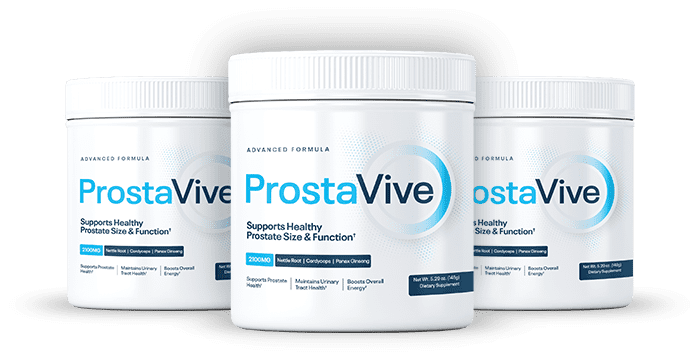
Prostavive
Overview: Prostavive is formulated to support prostate size balance, urinary comfort, and inflammatory modulation.
Best for: Men noticing early urinary changes who want structured daily support.
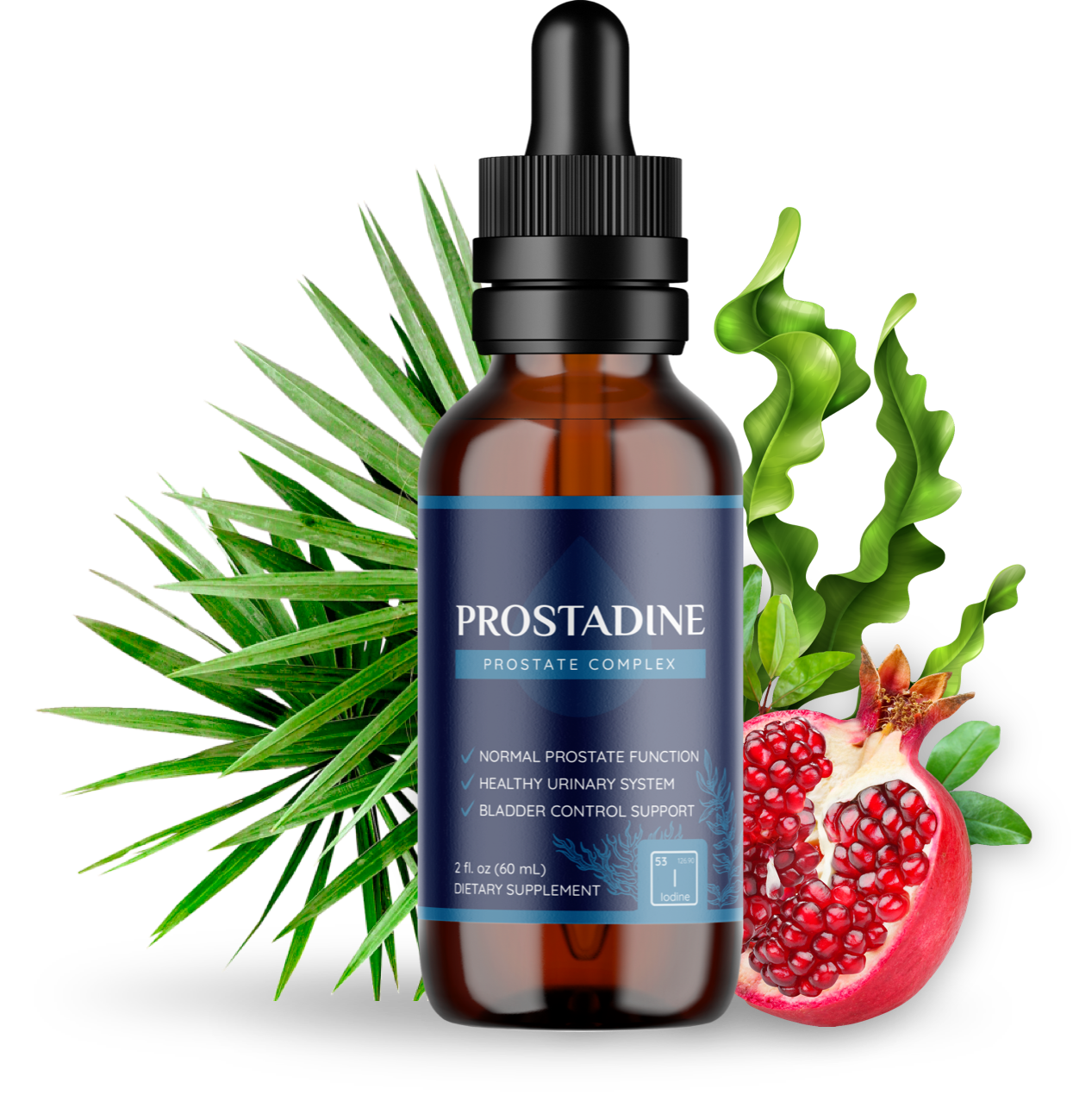
Prostadine
Overview: Prostadine is a liquid-based prostate support formula emphasizing inflammation and detoxification pathways.
Best for: Men preferring liquid supplements and early-stage proactive support.
Final Verdict: Early Signs Are Leverage -- Act Before Compensation Fails
The early signs of an enlarged prostate are rarely scary. That is exactly why they get ignored. But patterns matter. A weaker stream, more night wake-ups, and persistent urgency are not just inconveniences -- they are signals that the urinary system is working harder than it used to.
If your symptoms are mild, this is often the best time to build a practical routine and consider supportive tools like Prostavive or Prostadine. But if symptoms are severe, rapidly progressing, or include red flags like blood in urine or retention, medical evaluation comes first.
The goal is simple: act while the system is still compensating -- not after it is forced to struggle.
FAQs
What are the earliest signs of an enlarged prostate (BPH)?
Common early signs include a slightly weaker urine stream, a brief delay before urine starts, waking once or twice at night to urinate, and a subtle feeling that the bladder did not fully empty.
How do I know if my symptoms are just age or something to address?
Age can increase risk, but persistent trends -- worsening stream strength, increasing nighttime urination, or rising urgency -- are signals worth taking seriously. Patterns matter more than isolated days.
Can supplements help early enlarged prostate symptoms?
Some men explore structured prostate support supplements during early stages as part of a broader routine focused on inflammation balance and urinary comfort. They are not a replacement for medical care, and results vary by individual and consistency.
What foods should I avoid with early prostate symptoms?
Highly processed foods, excessive sugar, alcohol (especially in the evening), and spicy foods can worsen inflammation and bladder irritation. Reducing these triggers is often one of the first practical steps men can take.
When should I see a doctor for possible BPH symptoms?
If symptoms are worsening, disrupting sleep, causing pain, or associated with blood in urine, fever, or inability to urinate, medical evaluation should come first. Persistent symptoms also warrant a check to rule out other causes.
Reviewed by: The Supplement Post Editorial Team, Editorial Review -- Last updated:
Recommended Products
About
Luciano Cesar is a contributor at The Supplement Post, supporting the production of evidence-aware supplement reviews and buyer's guides across multiple health categories. His work spans ingredient analysis, formulation assessment and consumer-oriented summaries — what a label discloses, how the stated doses compare with the amounts used in published human research, and whether a formula's design matches what it claims to do. Every review is checked by The Supplement Post editorial team against the standards published in our editorial policy before it goes live.
Disclosure
All content on The Supplement Post is for informational purposes only and is not a substitute for professional medical advice, diagnosis, or treatment. Each product is a dietary supplement, not a prescription drug; statements about its benefits have not been evaluated by the U.S. Food and Drug Administration (FDA) and the product is not intended to diagnose, treat, cure, or prevent any disease.
Results may vary based on individual health status, consistency of use, and lifestyle. If you are pregnant or nursing, taking medication, or have a medical condition, consult a qualified healthcare professional before using any supplement.
This page may contain affiliate links—if you purchase through them, The Supplement Post may earn a small commission at no additional cost to you. References to third-party sites are provided for convenience; we do not control or guarantee their content.