
Ingredient Check
Is Beta-Sitosterol Good for Your Prostate? What It Helps — and What It Won't
Saw palmetto gets the headlines — but the plant sterol the best BPH formulas quietly keep coming back to is beta-sitosterol. The honest answer to whether it works isn't a slogan: yes, for urinary symptoms, over a couple of months, best inside a broader formula. Here's what the trials actually show.
First — what beta-sitosterol actually is
Beta-sitosterol is a plant sterol — a compound structurally similar to cholesterol, found naturally in pumpkin seeds, saw palmetto, pygeum, nuts, and certain vegetable oils. It's been part of prostate routines for decades, not because of a marketing trend, but because men dealing with urinary changes want something grounded in physiology rather than hype.
Because it resembles cholesterol, beta-sitosterol can integrate into cell membranes. It's also discussed for its role in easing inflammation and gently touching the hormone pathway that affects urinary flow. In plain terms: it appears to ease the irritation and outflow resistance behind common BPH symptoms (weak stream, hesitancy, frequent nighttime urination, incomplete emptying) without dramatically changing the gland itself.
That distinction is the whole point. Success here means improving how you actually feel and function day to day: flow, urgency, and sleep, not a smaller prostate on a scan. Men who expect structural change get disappointed; men who expect symptom relief over a couple of months tend to get exactly what the research describes.
The key point Beta-sitosterol doesn't shrink the prostate and doesn't need to. Trial after trial, it improves the thing men actually feel — flow, urgency, and sleep — and it does its best work as one ingredient in a smart stack, not a solo act. Luciano Cesar, Content Contributor
By the numbers
20 mg ×3
the standardized daily dose with trial-proven flow benefit (Berges, The Lancet)
from 4 wks
when easier flow and fewer nighttime trips typically begin
IPSS ↓
symptom scores improved vs placebo across controlled trials
40%
of men over 50 live with urinary symptoms (JAMA, 2025)
What the clinical research actually shows
Beta-sitosterol is, quietly, one of the better-supported natural prostate ingredients for symptoms. The honest read of the evidence:
The Evidence
- It improves urinary symptom scores and flow rate. A landmark trial of 200 men with BPH (Berges et al., The Lancet) found that 20 mg of beta-sitosterol three times daily significantly improved IPSS symptom scores and peak urinary flow over six months versus placebo. A 2023 review by Macoska revisited that trial and confirmed the same pattern.
- It reduces post-void residual urine. Across controlled trials, beta-sitosterol has been associated with better bladder emptying: less urine left behind after you go. That's part of why urgency and frequency ease.
- It does not significantly shrink the prostate. This is the consistent and important caveat: most studies show symptom and flow improvement without a meaningful change in prostate volume. The benefit is functional, not structural — and honest sources say so.
- It performs best in combination. Beta-sitosterol is rarely the lone ingredient in modern formulas, because the data favors stacking it with complementary botanicals: saw palmetto, pygeum, and pumpkin seed extract, each hitting an adjacent target.
The pattern is unusually clean for a botanical: real, reproducible improvement in urinary symptoms and flow, no claim of shrinking the gland, and best results in combination. That's exactly why it's a label ingredient worth looking for.
How to read a beta-sitosterol label
Beta-sitosterol reaches you through one of two routes — as a directly standardized, quantified ingredient, or via sterol-rich botanicals like saw palmetto, pygeum, and pumpkin seed oil. Both can work; what changes is how clearly you can see the dose. When evaluating a formula, look for:
- Transparency — is beta-sitosterol clearly quantified, or only implied through botanicals?
- Synergy — are complementary ingredients (pygeum, pumpkin seed, saw palmetto) present, since combination beats isolation?
- Manufacturing credibility — GMP standards and third-party testing are meaningful quality signals
- Realistic framing — a sensible timeline and a clear refund policy, since the benefit is cumulative and builds week over week
The terms that matter
- Beta-sitosterol
- A plant sterol — a cholesterol-like compound from plants — that eases the urinary symptoms of an enlarged prostate. It's the "quiet workhorse" inside many serious prostate formulas.
- Phytosterol
- The broader family of plant sterols that beta-sitosterol belongs to. When a label lists "phytosterols," beta-sitosterol is usually the main one doing the work.
- IPSS
- The International Prostate Symptom Score — the standard questionnaire used to measure urinary symptoms. When a trial reports beta-sitosterol "improving symptom scores," this is the score it means.
- Post-void residual
- How much urine is left in the bladder after you finish. Lower is better — beta-sitosterol's effect on bladder emptying is part of why urgency and frequency ease.
- BPH (benign prostatic hyperplasia)
- The non-cancerous enlarged prostate behind most of these symptoms. Beta-sitosterol targets its symptoms, not the enlargement itself.
Two formulas that use beta-sitosterol well
Since beta-sitosterol works best in combination, the practical question isn't "which sterol pill" — it's which formula puts it to work the way you want it: quantified and direct, or broad-synergy. Two picks, each naming the man it fits and the one it doesn't.
TitanFlow
The direct pick — beta-sitosterol quantified on the label

If you specifically want beta-sitosterol as a quantified, named ingredient rather than buried inside a botanical blend, TitanFlow is the cleanest way to get it. It puts beta-sitosterol on the label as a measured dose and pairs it with pumpkin seed oil for an additional natural sterol layer. That means you can actually tell what you're taking, which is rare in this category. The 180-day guarantee is longer than Fluxactive Complete's, which fits a sterol whose benefit builds over the first weeks.
Look elsewhere if: You'd rather have beta-sitosterol arrive through a wide botanical stack with many adjacent targets — Fluxactive Complete is built that way.
Fluxactive Complete
Broader synergy — sterols via saw palmetto, pygeum, and pumpkin seed
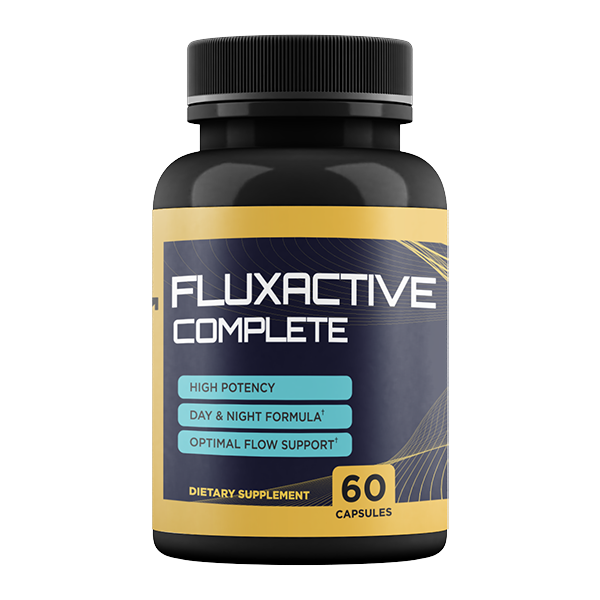
Beta-sitosterol works best in combination, and Fluxactive Complete is the broad-synergy route. The sterol comes in through saw palmetto, pygeum, and pumpkin seed, layered inside a wide formula that also targets circulation, hormonal context, and daily vitality. It's the pick for the man who'd rather cover many angles of urinary comfort at once than isolate one ingredient. The trade-off of any broad blend is that the exact sterol dose is harder to pin down.
Look elsewhere if: You want to know precisely how much beta-sitosterol you're getting — that's TitanFlow's quantified-label advantage.
Direct sterol vs botanical source — side by side
Two ways beta-sitosterol enters a formula. Neither treats BPH — both support the daily comfort layer. The trade-offs:
| What you care about | TitanFlow | Fluxactive Complete |
|---|---|---|
| Beta-sitosterol route | Direct, quantified | Via botanicals |
| Best for | Knowing your sterol dose | Widest daily coverage |
| Adjacent angle | Pumpkin seed sterols | Circulation + vitality |
| When you'd notice | from 4 wks | from 4 wks |
| Money-back window | 180 days (longest) | 60 days |
| Where to buy | Site → | Site → |
In practice, synergy often matters more than isolated dosing — especially for multi-factor BPH symptom patterns. Both sell only through their official sites with a money-back guarantee. For the wider category, see our comparison of non-prescription BPH supplements.
Should you take beta-sitosterol for prostate symptoms?
So, is beta-sitosterol good for your prostate? Yes, for the right target: the urinary symptoms of a mild-to-moderate enlarged prostate, over a couple of months, ideally inside a broader formula. Trial after trial shows improvements in flow and symptom scores. It won't shrink the gland, and it doesn't try to. The win is functional: easier flow, fewer night wakings, better sleep.
Here's where we'd start. If you want beta-sitosterol quantified and direct rather than guessed at inside a blend, TitanFlow is the pick we'd reach for first — a named dose, a pumpkin-seed sterol layer, and a longer guarantee than Fluxactive Complete's. Our full TitanFlow review breaks down the label dose by dose, and the Fluxactive Complete review covers the broad-stack route if you would rather get the sterol through whole botanicals. Give whichever you choose daily consistency and let the small wins compound; the 180-day window makes a fair trial low-risk.
If symptoms persist, worsen, or include blood in urine, inability to urinate, or recurrent infections — see a urologist. Beta-sitosterol supports mild-to-moderate concerns; it doesn't replace medical evaluation when patterns change.
Is it worth trying for prostate support?
Waking up on a Saturday and actually sleeping until the alarm, instead of the usual two trips down the hall before sunrise. That's the specific thing most men mean when they say they want their prostate "better" — not a number on a chart, just a night that isn't interrupted.
A formula built around beta-sitosterol, saw palmetto, or pygeum is a potentiator, not a cure. It doesn't switch off the hormonal drivers of BPH or erase years of gradual growth overnight. What it does is work on the same irritation and outflow resistance behind the symptoms, easing the day-to-day experience even though the gland itself hasn't changed size.
The attempt is worth making because the pathway is documented, not guessed at. Berges and colleagues' original trial found real, measurable improvement in flow and symptom scores, and Macoska's 2023 review revisited it and confirmed the same pattern. Wei and colleagues' 2025 review in JAMA places beta-sitosterol among the ingredients with genuine, if modest, support for lower urinary tract symptoms. None of that guarantees a result from a specific bottle, but it's a different footing than hoping.
How much you notice still depends on where you're starting from. A man with mild, occasional symptoms will read a smaller relative change than one dealing with several symptoms at once, because there's less room to move. Baseline severity, consistency, and whether the formula pairs beta-sitosterol with saw palmetto and pygeum all shift the outcome, which is why the fair test runs the full couple of months, not the first two weeks.
Frequently asked questions
Does beta-sitosterol shrink the prostate?
Generally no. Clinical research associates beta-sitosterol with improving urinary symptoms and flow — not with significant reduction in prostate size. That's why it's framed as symptom support rather than structural change, and why realistic expectations matter: you're aiming for easier flow and fewer night wakings, not a smaller gland.
How long does beta-sitosterol take to work?
Gains typically start showing from around 4 weeks of consistent daily use, and continue building through the first couple of months. Individual response varies based on baseline symptoms, the overall formula design, and consistency. It's cumulative, so daily use matters more than dose-chasing.
Is beta-sitosterol safe?
Beta-sitosterol is generally well tolerated in studies. Some men report mild digestive discomfort. If you have a medical condition or take medication, it's sensible to consult a qualified professional first — especially if you take cholesterol or other lipid-affecting medication, since beta-sitosterol is a plant sterol.
Can beta-sitosterol be combined with saw palmetto?
Yes — and it usually is. Many formulations combine beta-sitosterol with saw palmetto and pygeum to cover multiple pathways tied to urinary comfort and the prostate environment. Combination trials tend to read better than single-ingredient ones, which is exactly why serious formulas stack them.
When should I see a doctor instead of taking supplements?
Consult a urologist if you experience blood in urine, inability to urinate, recurrent urinary infections, or worsening symptoms despite supplement use. Beta-sitosterol supports mild-to-moderate concerns; it's not a substitute for medical care when symptoms are serious or changing.