
Lycopene and Prostate Protection: What Research Really Shows and How to Use It Smartly
Lycopene can support antioxidant balance - but prostate protection isn't just an "antioxidant" story. This guide explains what research suggests, what it doesn't, and how to use lycopene in a smarter, real-world way.
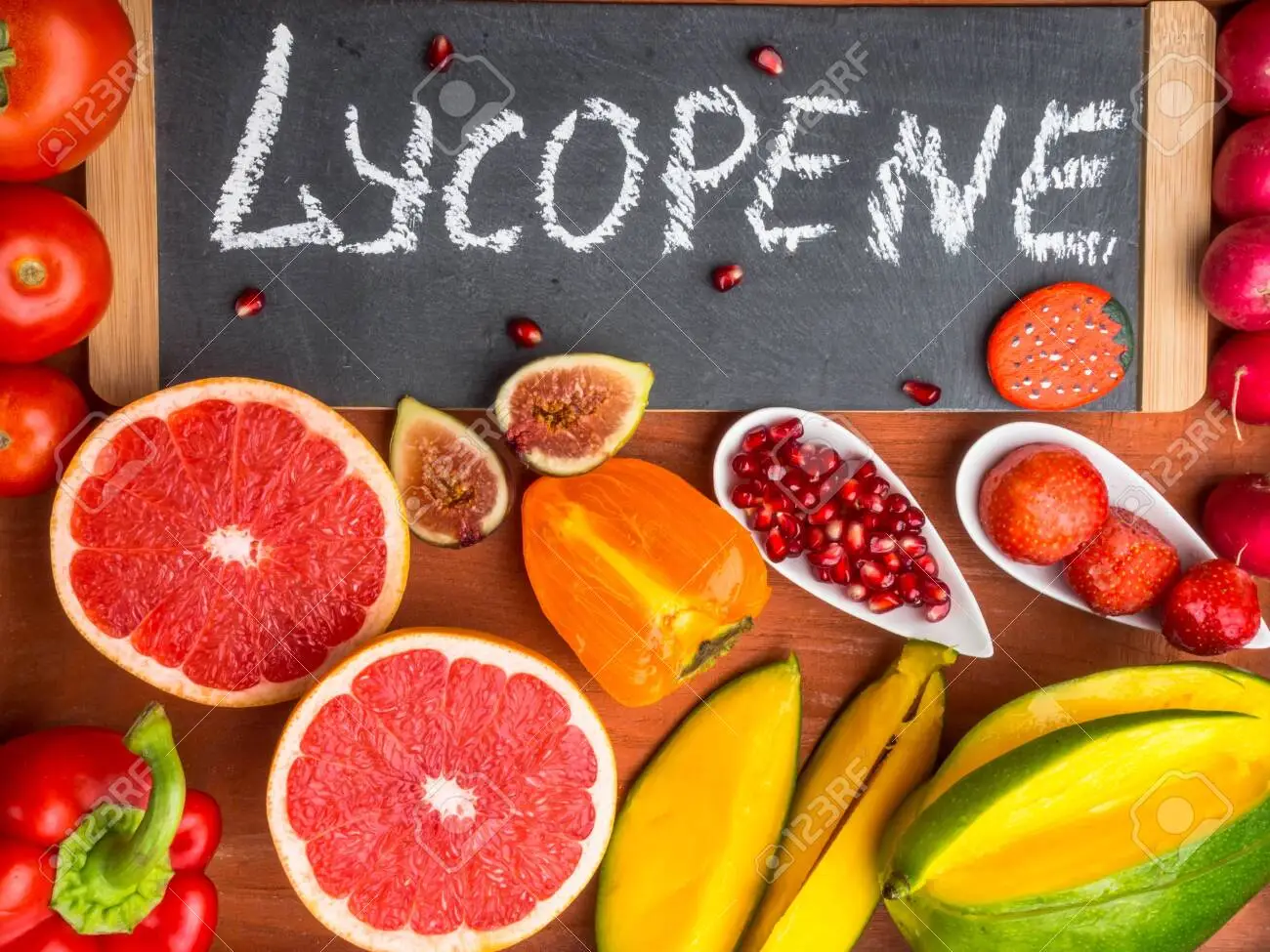
Lycopene is biologically plausible for oxidative balance - but meaningful prostate support usually requires multi-pathway coverage beyond a single antioxidant.
In this guide:
- What Lycopene "Prostate Protection" Really Means
- Understanding the Prostate: Why Oxidative Stress Matters
- What Studies Suggest About Lycopene and Prostate Protection
- How Lycopene Works Inside the Body
- Why Lycopene Alone Is Rarely Enough
- Top Recommended Product Featuring Lycopene
- Lycopene vs Whole Prostate Formulas
- How to Choose a Lycopene Supplement for Prostate Health
- FAQs
- Conclusion
If lycopene were a magic shield for the prostate, every urologist would be prescribing tomato extract as standard therapy.
The idea sounds intuitive: lycopene is a powerful antioxidant found in tomatoes, oxidative stress is linked to prostate aging, therefore lycopene must protect the prostate. But intuition isn't physiology. And antioxidant theory alone doesn't automatically translate into clinical impact.
That's where targeted formulations like TitanFlow enter the conversation. Instead of isolating lycopene as a single "hero nutrient," TitanFlow combines lycopene with pumpkin seed oil, beta-sitosterol, pygeum africanum, and broccoli sprout extract - a stack designed not just around antioxidant theory, but around urinary flow mechanics, inflammation balance, and tissue support.
In this article, we'll break down what studies actually suggest about lycopene and prostate protection - and how to think about it in a practical, evidence-aware way. For broader context, see our guide on best prostate supplements.
Understanding the Prostate: Why Oxidative Stress Matters
The prostate is metabolically active tissue. Over time, it is exposed to:
- Hormonal shifts (especially DHT activity)
- Chronic low-grade inflammation
- Oxidative stress from cellular metabolism
- Age-related vascular changes
Oxidative stress refers to an imbalance between free radicals and antioxidant defenses. In aging prostate tissue, this imbalance may contribute to cellular damage, inflammation signaling, and structural changes.
This is where lycopene enters the discussion.
Lycopene is a carotenoid - a fat-soluble antioxidant - known for its ability to neutralize reactive oxygen species. Laboratory models show that lycopene can reduce oxidative damage markers in prostate cells. That's the biological plausibility.
But plausibility is not proof.
Human research suggests that higher dietary lycopene intake is associated with better prostate health markers. Some observational studies have linked tomato-rich diets with lower rates of prostate-related complications. However, associations do not establish direct cause-and-effect relationships.
Quick takeaway
Lycopene appears supportive for oxidative balance - but it's best viewed as one piece of a broader prostate-support strategy, not a standalone "protection switch."
What Studies Suggest About Lycopene and Prostate Protection
When you analyze the literature, three patterns emerge.
1. Lycopene and Oxidative Balance
Controlled studies show lycopene supplementation can reduce markers of oxidative stress in blood and prostate tissue. This supports the idea that it contributes to cellular protection mechanisms.
However, antioxidant improvement does not automatically equal symptom relief.
2. Lycopene and Prostate Volume
Some clinical trials in men with benign prostate enlargement suggest modest improvements in prostate-specific markers and stabilization of prostate growth rates. The results are not dramatic, but they are consistent with a protective role over time.
3. Lycopene and Prostate Cancer Research
Epidemiological research has repeatedly observed that populations with higher tomato consumption show lower prostate cancer incidence rates. That said, intervention trials with isolated lycopene show mixed outcomes. This reinforces the idea that whole-diet patterns - not isolated nutrients - drive most long-term protection.
| Research Area | What Studies Suggest | Strength of Evidence |
|---|---|---|
| Oxidative Balance | Reduces oxidative stress markers in prostate tissue | Moderate (controlled studies) |
| Prostate Volume | Modest stabilization of growth rates in BPH | Moderate (clinical trials) |
| Cancer Risk | Associated with lower incidence in observational data | Observational only (mixed intervention results) |
In other words: antioxidant presence does not equal guaranteed disease prevention. Nutrient synergy outperforms single compound focus.
That distinction matters.
How Lycopene Works Inside the Body
To understand lycopene's value, you need to look at mechanisms:
- It reduces reactive oxygen species formation
- It may influence inflammatory signaling pathways
- It interacts with cell-cycle regulation processes
- It supports vascular health
Because it is fat-soluble, absorption improves when taken with dietary fat - which is why formulation design matters in supplements. Research on pumpkin seed extract shows similar fat-soluble synergy considerations for prostate health.
Quick takeaway
A poorly absorbed antioxidant is just an expensive label claim.
Why Lycopene Alone Is Rarely Enough
Prostate health isn't driven by oxidative stress alone.
Men experiencing:
- Weak urine stream
- Frequent urination
- Nocturia
- Incomplete bladder emptying
are usually dealing with structural enlargement, inflammatory signaling, and smooth muscle tone changes - not just free radical damage. It helps to understand early prostate warning signs before choosing a supplement approach.
That's why modern prostate formulations combine multiple pathways:
- Beta-sitosterol - supports urinary flow dynamics
- Pygeum africanum - traditionally used for bladder comfort
- Pumpkin seed oil - linked to lower urinary tract support
- Broccoli sprout extract - supports detox and cellular protection
This multi-mechanism approach is what gives products like TitanFlow a broader functional positioning compared to single-ingredient lycopene supplements.
Top Recommended Product Featuring Lycopene
Reviewed by: The Supplement Post Editorial Team, Editorial Review — Last updated:
TitanFlow
Overview: TitanFlow is a natural prostate and urinary flow support supplement designed for men experiencing early or moderate urinary changes. Its formula includes lycopene alongside well-established prostate-support botanicals.
Key Ingredients:
- Lycopene
- Pumpkin seed oil
- Broccoli sprout extract
- Beta-sitosterol
- Pygeum africanum
Benefits (Positioning):
- Supports urinary flow strength
- Helps reduce nighttime urination patterns
- Promotes bladder comfort
- Supports prostate tissue health
Who It's Best For: Men noticing early urinary symptoms such as weaker stream, increased frequency, or nighttime wake-ups.
Pros:
- Multi-pathway formula
- Includes both antioxidant and urinary flow ingredients
- Designed for daily long-term use
Cons:
- Not an overnight solution
- Requires consistent use
If you're looking for a prostate formula that includes lycopene but goes beyond antioxidant theory, you can explore TitanFlow in more detail in our full review - and access the official website from the button above.
Lycopene vs Whole Prostate Formulas
Here's the practical comparison:
| Feature | Standalone Lycopene | Comprehensive Formula (TitanFlow) |
|---|---|---|
| Oxidative Stress | Yes | Yes |
| Urinary Flow Support | No | Yes (beta-sitosterol, pumpkin seed) |
| Inflammation Balance | Limited | Yes (pygeum, broccoli sprout) |
| Tissue Support | Narrow | Broader multi-pathway |
For most men, the comprehensive formula option is more aligned with real-world prostate concerns.
How to Choose a Lycopene Supplement for Prostate Health
If you decide to include lycopene in your routine, evaluate:
1. Dosage Transparency
Clear labeling of lycopene amount per serving.
2. Fat-Soluble Absorption Support
Presence of oils or complementary ingredients that enhance absorption.
3. Synergistic Ingredients
Look for beta-sitosterol, pumpkin seed oil, or pygeum for functional urinary support.
4. Manufacturing Standards
Third-party testing and GMP-certified facilities matter.
5. Realistic Claims
Avoid products promising "prostate reversal" or guaranteed prevention.
FAQs - Lycopene and Prostate Health
Is lycopene proven to prevent prostate cancer?
No single nutrient has been definitively proven to prevent prostate cancer. Lycopene is associated with protective patterns in observational research, but it should be considered supportive rather than curative.
How much lycopene is recommended for prostate health?
Studies typically use doses ranging from 10-30 mg daily. However, optimal intake depends on overall diet and supplement formulation.
Can lycopene improve urinary symptoms?
Lycopene alone is unlikely to dramatically improve urinary symptoms. It works better as part of a broader prostate support formula.
Is it better to get lycopene from food or supplements?
Tomato-rich diets provide natural lycopene and additional phytonutrients. Supplements offer standardized dosing and can complement dietary intake.
When should I see a doctor about prostate concerns?
Consult a healthcare professional if you notice persistent urinary changes, blood in urine or semen, pelvic pain, or elevated PSA levels. Lycopene and other supplements support overall prostate health but do not replace medical screening.
Conclusion: Where Lycopene Fits in Real Prostate Protection
Lycopene is not hype. But it's also not a miracle shield.
The research suggests it plays a protective, antioxidant role in prostate physiology - especially over the long term. However, prostate health is multifactorial. Oxidative stress is just one piece of the puzzle.
If your goal is comprehensive support - particularly if urinary flow changes are already noticeable - a multi-ingredient formula like TitanFlow may align better with real-world needs than isolated lycopene alone.
Explore the full formulation and current availability here:
Recommended Products

About
Luciano Cesar is a contributor at The Supplement Post, supporting the production of evidence-aware supplement reviews and buyer's guides across multiple health categories. His work spans ingredient analysis, formulation assessment and consumer-oriented summaries — what a label discloses, how the stated doses compare with the amounts used in published human research, and whether a formula's design matches what it claims to do. Every review is checked by The Supplement Post editorial team against the standards published in our editorial policy before it goes live.
Disclosure
All content on The Supplement Post is for informational purposes only and is not a substitute for professional medical advice, diagnosis, or treatment. Each product is a dietary supplement, not a prescription drug; statements about its benefits have not been evaluated by the U.S. Food and Drug Administration (FDA) and the product is not intended to diagnose, treat, cure, or prevent any disease.
Results may vary based on individual health status, consistency of use, and lifestyle. If you are pregnant or nursing, taking medication, or have a medical condition, consult a qualified healthcare professional before using any supplement.
This page may contain affiliate links—if you purchase through them, The Supplement Post may earn a small commission at no additional cost to you. References to third-party sites are provided for convenience; we do not control or guarantee their content.