
Safety Guide
Saw Palmetto Side Effects & Safety: What You're Not Being Told Before You Take It
Most pages sell you on what saw palmetto does. Few tell you the safety side — who shouldn't take it, what it interacts with, and the side effects worth knowing before your first dose. For most men it's one of the gentler prostate supplements out there. The point is knowing whether you're one of the exceptions.
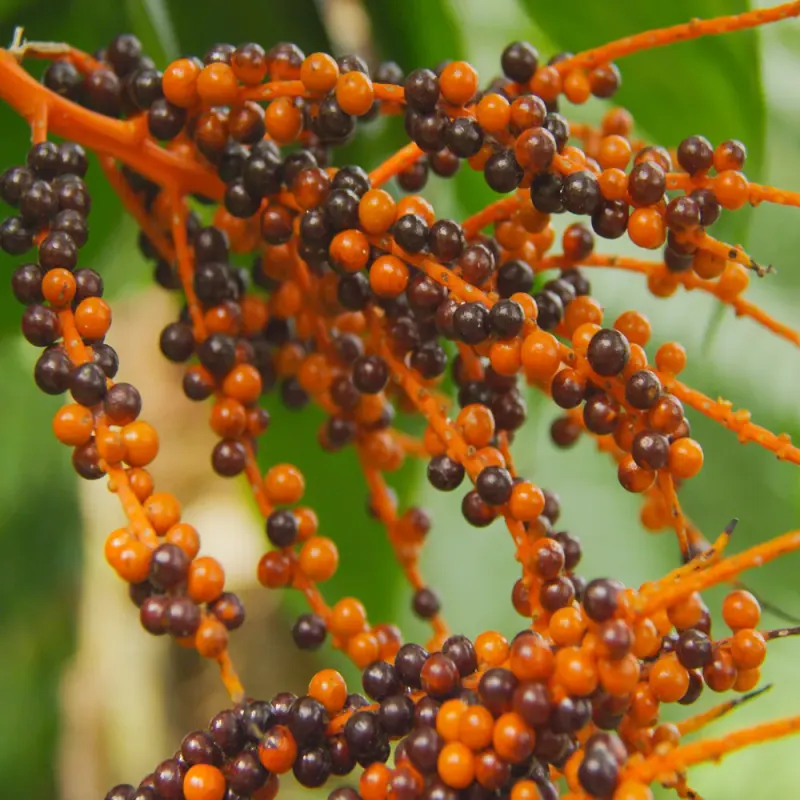
Is saw palmetto actually safe?
Saw palmetto comes from the berries of Serenoa repens, and it has one of the better safety records among botanical prostate ingredients. A 2026 systematic review of recent clinical evidence, led by Schwartzmann and colleagues in Drugs in Context, found side-effect rates in trials typically close to placebo. The ones reported tended to be mild.
That's the reassuring headline. The honest caveat is that "well tolerated on average" isn't the same as "safe for everyone." A supplement can be low-risk for the general population and still be a real concern for a man on anticoagulants or heading into surgery. The useful way to read saw palmetto's safety isn't a yes-or-no. It's gentle for most, worth a doctor's nod for a specific few.
The key point The typical saw palmetto side effect is a mild stomach upset that food fixes, not a dramatic reaction. The exceptions that matter are blood thinners, surgery, and hormone-sensitive conditions. Luciano Cesar, Content Contributor
The most common saw palmetto side effects
When side effects occur, they're usually mild and manageable.
- Mild digestive upset — nausea, stomachache, or loose stools, often solved by taking it with food instead of on an empty stomach
- Headache or dizziness — uncommon and usually transient
- Fatigue — reported occasionally, rarely persistent
These tend to fade with continued use or a slightly lower dose. Serious adverse reactions are rare in the literature. Rare case reports have linked saw palmetto to liver or pancreas issues, but a direct causal link isn't established. Stop and see a doctor if you notice yellowing skin, severe abdominal pain, or dark urine.
Drug interactions to know before you start
This is where saw palmetto genuinely deserves caution — interactions are where a low-risk supplement can become a real problem for the wrong person.
| Situation | What to know |
|---|---|
| Blood thinners / antiplatelets | A 2026 FAERS pharmacovigilance study flagged a potential interaction with aspirin. Treat any anticoagulant as a talk-to-your-doctor-first situation. |
| Scheduled surgery | Stop 1–2 weeks beforehand and tell your surgical team you've been taking it. |
| Hormonal medications | Saw palmetto works on DHT pathways, so doubling up with finasteride-type drugs or hormone therapy isn't a DIY decision. |
| Trying to conceive | Fertility effects aren't well established either way — discuss with a doctor rather than assume it's neutral. |
Who should avoid saw palmetto, or get clearance first
- Men on blood thinners or antiplatelet drugs
- Anyone scheduled for surgery within about two weeks
- Men with hormone-sensitive conditions
- Men actively trying to conceive
- Anyone with a known allergy to saw palmetto or palm-family plants
Saw palmetto is a men's prostate supplement, so it isn't intended for women who are pregnant or breastfeeding. And it's never a substitute for evaluation when red-flag symptoms are present.
The terms that matter
- DHT (dihydrotestosterone)
- A hormone your body makes from testosterone that drives prostate growth later in life. Saw palmetto's main pathway is here, not testosterone itself.
- Antiplatelet effect
- A mild thinning of the blood's clotting ability. It's why combining saw palmetto with aspirin or warfarin raises bleeding risk.
- Standardized extract
- An extract processed to guarantee a consistent percentage of fatty acids and sterols — the form used in most trials, versus raw "berry powder," which varies in strength.
Dosing and how to take it safely
The standard dose is about 320 mg/day of a standardized lipid-sterol extract — the form used in most trials. Take it with food to minimize the mild stomach upset that's the most common complaint, and don't mega-dose: higher amounts add interaction risk without clear extra benefit.
In many formulas, saw palmetto is one ingredient among several, combined with beta-sitosterol, pygeum, or pine pollen. That's fine. It just means checking the total of each shared-pathway ingredient across everything you take, so you're not unknowingly stacking. Our full Prostadine review breaks down exactly how it combines saw palmetto with the other ingredients on its label.
Formulas that pair well with saw palmetto
Once you've confirmed it's safe for you, here's how two formulas combine it with other ingredients — and who each one fits.
Prostadine
Saw palmetto paired with beta-sitosterol and anti-inflammatory support
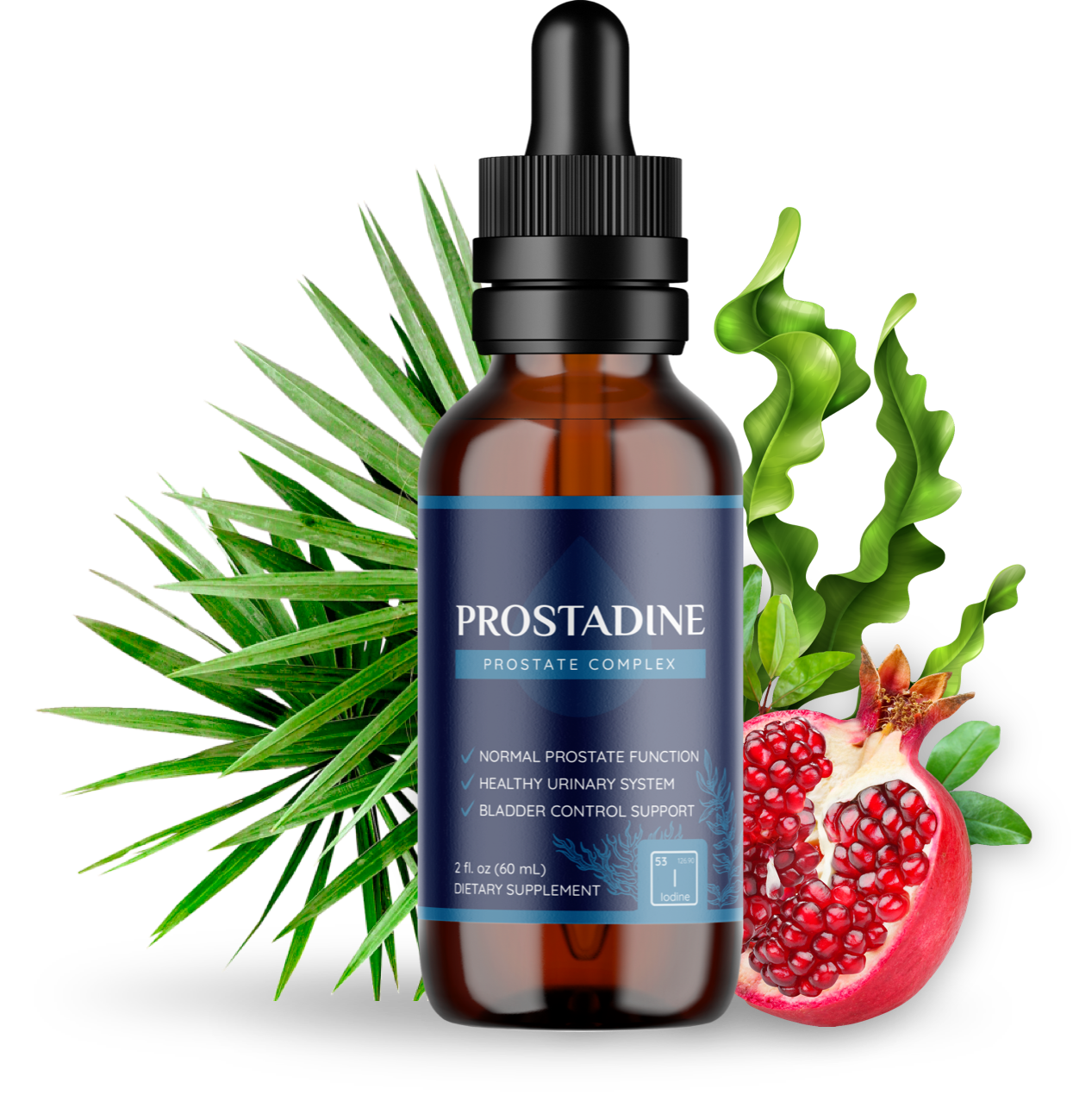
If you've confirmed saw palmetto is safe for you and want it in a broader formula rather than standing alone, Prostadine pairs it with beta-sitosterol for the 5-alpha reductase pathway plus anti-inflammatory support. The liquid format also makes it easy to keep the dose exact — useful if you're tracking totals across interacting ingredients.
Look elsewhere if: You'd rather have saw palmetto in a once-daily capsule alongside pygeum specifically for nighttime symptoms — that's TC24's lane.
TC24
Saw palmetto with pine pollen and pygeum for nighttime symptoms
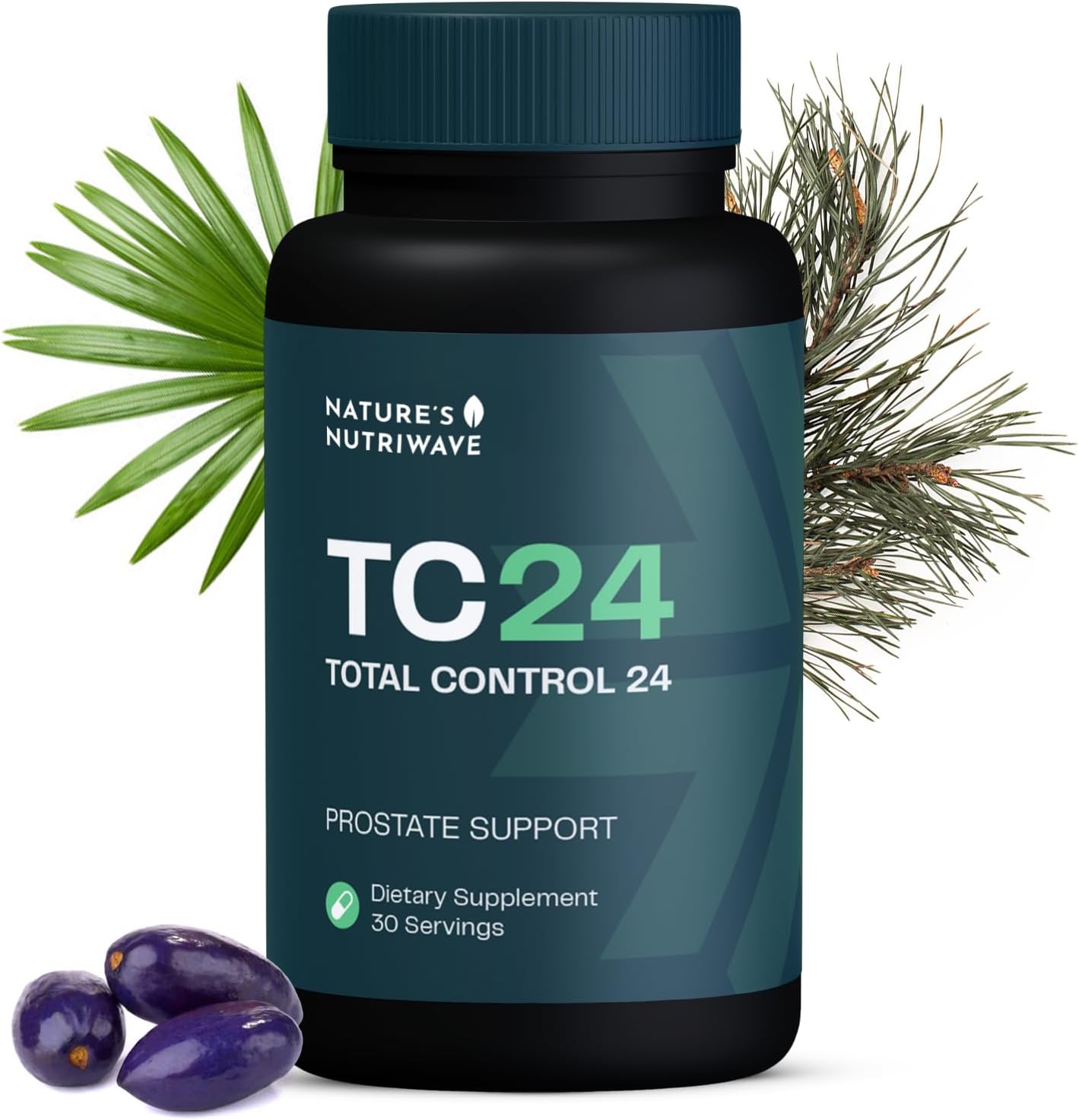
TC24 combines saw palmetto with pine pollen and pygeum in a once-daily capsule, built specifically for men whose main complaint is waking up at night. It's the simpler routine of the two if nocturia — not general comfort — is what's driving the search.
Look elsewhere if: You want the broader anti-inflammatory layer that comes with a liquid format — Prostadine covers that ground.
Saw palmetto side effects and safety: the verdict
For a healthy man with no bleeding-risk medications and no surgery on the calendar, saw palmetto is one of the lower-risk ways to support prostate comfort. At worst, expect a mild, occasional side effect usually fixed by taking it with food. The safety story isn't about scary reactions for the average user. It's about knowing whether you're in one of the few groups that should get a doctor's sign-off first.
Is it worth trying saw palmetto for prostate comfort?
The pill organizer on the counter already has five compartments filled, and the label on the new bottle doesn't say a word about how it plays with any of them. That's the gap most men doing this homework are actually trying to close — not a bigger effect, just fewer unknowns in the mix.
Saw palmetto is a potentiator, not a cure. It nudges the DHT pathway that drives prostate growth; it doesn't reverse decades of change overnight. Taken with that expectation, and taken by someone who's confirmed they're not in one of the caution groups, it tends to be a low-friction addition to a daily routine.
What makes it worth trying is that the safety data is now genuinely current. Guo and colleagues ran a real-world pharmacovigilance study on it in 2026; Schwartzmann's group published a fresh systematic review the same year. Neither found reasons for alarm in the general population — only reasons for a specific few to check first.
And the response varies by more than biology. A man already on a blood thinner faces a real decision his neighbor doesn't. That's not a caveat to talk anyone out of it — it's the reason this whole guide exists: so the answer to "is this safe for me" is informed, not assumed.
Frequently asked questions
Is saw palmetto safe to take every day?
For most healthy men, yes — saw palmetto is generally well tolerated at the standard 320 mg/day of standardized extract. The people who need caution aren't the average user: men on blood thinners, those with hormone-sensitive conditions, and anyone scheduled for surgery. If that's not you, daily use is considered low-risk.
What are the most common saw palmetto side effects?
When they occur, side effects are usually mild and digestive — nausea, a mild stomachache, or loose stools, often reduced by taking it with food. Some men report headache or dizziness. Serious reactions are rare.
Does saw palmetto interact with blood thinners?
It can. A 2026 pharmacovigilance study using real-world FAERS reports flagged a potential interaction between saw palmetto and aspirin, consistent with its mild antiplatelet effect. If you take warfarin, clopidogrel, aspirin, or any anticoagulant, talk to your doctor first, and stop 1 to 2 weeks before scheduled surgery.
Can saw palmetto lower testosterone or affect fertility?
Saw palmetto works mainly on DHT rather than testosterone itself, and studies generally don't show a meaningful drop in total testosterone. Fertility effects aren't well established, so men actively trying to conceive should discuss it with a doctor rather than assume it's neutral.
Who should avoid saw palmetto?
Anyone on anticoagulant or antiplatelet medication, men with hormone-sensitive conditions, those scheduled for surgery within two weeks, and anyone with a known allergy should avoid it or use it only under medical supervision.
When should I see a doctor instead of relying on saw palmetto?
See a doctor for severe urinary retention, rapidly worsening symptoms, blood in urine, pain, fever, or unexplained weight loss. Supplements support mild-to-moderate comfort; they're not a substitute for evaluation when red-flag symptoms appear.