Does MemoryFuel work for real buyers? For the ones who stay past the first month, yes. What they describe is a clearer afternoon and steadier focus rather than a dramatic memory jump, showing from around week 2 and settling between weeks 4 and 6. Almost everyone who called it nothing had stopped inside the loading phase.
Memory Fuel Complaints and Praise: What Buyers Say After the First Month
The honest scorecard — what real buyers say, common complaints, full pros and cons, and who should look elsewhere.
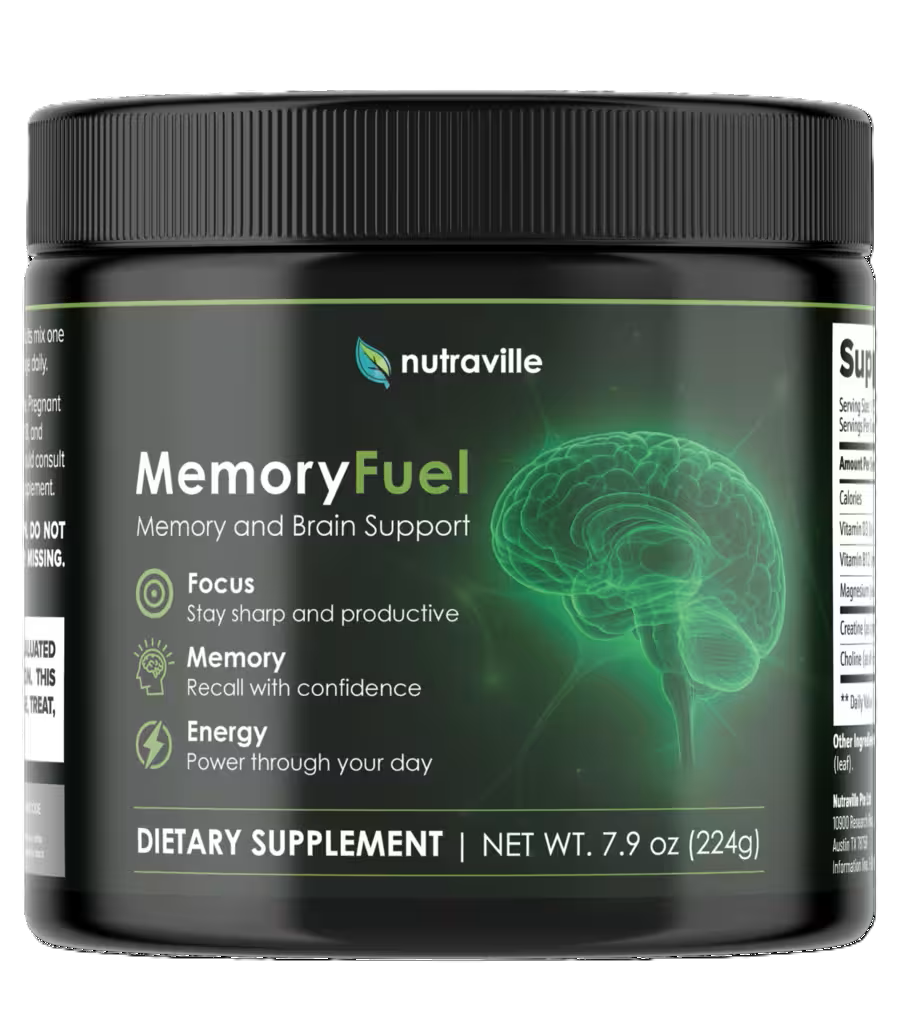
Honest scorecard — strengths, weaknesses, real complaints, and who should consider MemoryFuel.
What's on This Page
Quick Answer
What do buyers complain about most? That it is mostly creatine, and the answer is that this is the design rather than a shortcut. MemoryFuel scores 4.6/5 here. What carries the score is the full 5 g dose used in cognitive studies, a clean six-ingredient label with no fillers, and a stimulant-free formula you can take every day. What costs it points is the one dose not printed on the label and a powder you have to mix. Buyers who wanted Bacopa or citicoline were shopping for a different route, not a weaker one.
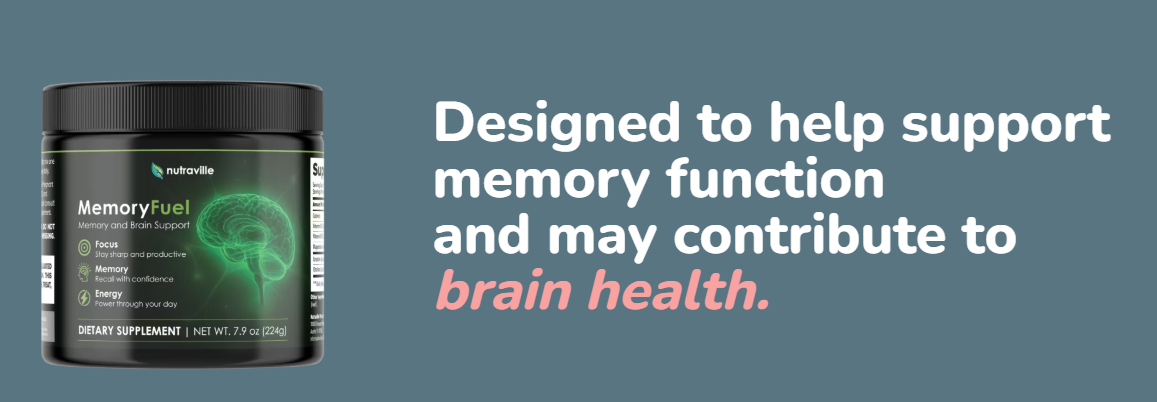
1. The Pattern Across Verified Buyers
Individual reviews tell you one person's story. The more useful signal is what repeats across hundreds of them — and for MemoryFuel, the same three patterns surface again and again. Here's what they actually tell you:
| What buyers focus on | The recurring pattern | What it tells you |
|---|---|---|
| Focus & mental energy | The win that comes up most is less afternoon fog and clearer thinking, usually around weeks 2–3 — not a dramatic "memory" jump. | It's an energy/clarity effect, not a memory-miracle pill. Calibrate expectations and it delivers. |
| Timeline / patience | Men who quit at week 2 — before brain creatine saturates — call it nothing; those who run the full 4–6 weeks are the ones who re-order. | Brain creatine saturates slowly. Patience is the single biggest variable in satisfaction. |
| "It's mostly creatine" | The recurring reaction: buyers who expected an exotic nootropic stack are surprised it's creatine-led. | It's a feature, not a bug: creatine is the one ingredient here with recent human trials at exactly this dose. If you specifically want lion's mane or bacopa, that is a different route. |
SKIP MEMORYFUEL IF…
you want an exotic multi-nootropic stack (lion's mane, bacopa, citicoline) — this is creatine-first · you have kidney disease or take kidney-affecting medication (talk to your doctor before any creatine product) · you want a same-day stimulant "limitless" hit · or you can't commit to daily use through the 4–6 week saturation window.
2. Common Complaints & Concerns
No supplement is perfect, and honest reviews should include what buyers find frustrating. Here are the most common concerns — and the context behind each one.
“I expected a nootropic stack but it is mostly creatine.” This is the most important complaint to address honestly. MemoryFuel is not a traditional nootropic with Bacopa, Lion’s Mane, or Citicoline. It is built around creatine monohydrate at the full 5g clinical dose, supported by choline, magnesium, L-Theanine, D3, and B12. If you are looking for a multi-nootropic blend, this is not that product. But the 2024 meta-analysis of 16 RCTs showed creatine meaningfully supports cognitive function — and most nootropic stacks underdose or skip creatine entirely. MemoryFuel leans into the ingredient that has recent human trials at exactly this dose. For a detailed look at the mechanism and the week-by-week timeline, see the full breakdown in our main review.
“I stopped after two weeks and felt nothing.” Creatine cognitive benefits require 4-8 weeks of daily loading to saturate brain tissue. Two weeks is not a fair evaluation window for this mechanism. Unlike caffeine-based nootropics, MemoryFuel builds brain ATP reserves gradually — it is not designed for same-day effects.
“Mild bloating in the first few days.” A known creatine loading effect. Creatine pulls water into cells during the initial loading phase, which can cause temporary bloating or water retention. This typically resolves within 3-7 days with adequate hydration. It is not a sign of a problematic formula — it is a sign the creatine is actually absorbing.
“Two-bottle minimum — I wanted to try just one.” The smallest package is 2 bottles ($138). There is no single-bottle option for trial buyers. The 90-day guarantee offsets some of that risk, but the $138 entry point is higher than many competitors offer for a first purchase.
“Only available on the official website.” Some buyers want Amazon or retail convenience. The manufacturer sells exclusively through their own site to control quality and guarantee eligibility. The 90-day money-back guarantee only applies to orders placed through the official website.
3. Buyer Scorecard
Each criterion is scored on a 5-point scale based on formula analysis, published research, label review, and realistic buyer expectations.
| Criteria | Score /5 | Notes |
|---|---|---|
| Formula | 4.6 / 5 | Clinical 5g creatine dose. Clean 6-ingredient design, PharmD-formulated. Choline bitartrate is the weaker choice vs. citicoline. |
| Safety | 5 / 5 | Stimulant-free, caffeine-free, well-tolerated nutrients. No major red flags. Creatine flagged for pre-existing kidney conditions only. |
| Value | 4 / 5 | $1.63/day at the 6-bottle price — competitive. But $69/bottle entry with 2-bottle minimum is higher than many competitors. |
| Transparency | 4 / 5 | 5 of 6 doses disclosed. L-Theanine dose is hidden. No proprietary blends, but the undisclosed dose is an inconsistency. |
| Results Timeline | 4.5 / 5 | Changes build in stages: the first ones are commonly reported from week 4 of daily use, with the fuller picture over the months that follow. Creatine brain loading requires 4-8 weeks of daily use. L-Theanine calming effects may appear sooner. |
| Convenience | 3.5 / 5 | Powder format requires daily mixing. Trade-off: higher active doses than capsules allow. Less practical for travel. |
4. MemoryFuel Pros
- Clinical-dose creatine (5,000mg). The full dose used in cognitive research — most brain supplements either skip creatine entirely or underdose it at 1-2g. The 2024 meta-analysis of 16 RCTs supports this dosing for cognitive endpoints.
- Powder format allows higher active doses. Delivering 5g of creatine plus supporting nutrients in capsule form would require 8-10 pills per serving. Powder solves that trade-off.
- PharmD-formulated. Designed by Dr. Jesse Ropat, a licensed pharmacist — an unusual credential in the supplement space where most formulas are created by marketing teams.
- Stimulant-free, caffeine-free. No energy crashes, no jitters, no sleep disruption — safe for daily long-term use. L-Theanine promotes calm focus without sedation.
- Clean formula with no fillers. Six active ingredients and nothing extraneous. Vegan, non-GMO, gluten-free, soy-free, dairy-free.
- 90-day money-back guarantee. Longer than the industry-standard 30 or 60 days — and it matters because creatine needs time to build up in neural tissue before effects become noticeable.
- Simple, research-driven formula. Every ingredient has published human data for cognitive or neurological endpoints. No proprietary herbal blends, no mystery compounds.
5. MemoryFuel Cons
- Powder, not a capsule. Daily mixing is part of the routine — less convenient when you travel.
- Built on the creatine-and-choline route. If you want citicoline or Alpha-GPC specifically, another formula is the closer match.
- Sold direct only. Not on Amazon or retail shelves, so you order online.
6. Best For / Look Elsewhere
MemoryFuel is a good fit if you:
- Want a creatine-based brain supplement at the full clinical dose (5g) backed by the 2024 meta-analysis
- Prefer stimulant-free, caffeine-free cognitive support you can take daily without side effects
- Are willing to commit to 4-8 weeks of consistent use before judging results
- Want a clean, simple formula rather than a 20-ingredient proprietary blend
- Plan to buy the 4-bottle or 6-bottle package for the best cost per serving
Look elsewhere if you:
- Need noticeable cognitive effects within 24-48 hours — this is a brain ATP builder, not a stimulant
- Want a traditional nootropic stack with Bacopa, Lion’s Mane, or Citicoline
- Dislike powder formats and prefer capsules for convenience
- Have serious or worsening cognitive decline — talk to a doctor first, because supplements are not a substitute for medical evaluation
For a deeper look at the formula, mechanism, and safety profile, see our complete MemoryFuel review. For pricing details and how to avoid fakes, see our MemoryFuel price & where-to-buy breakdown.
Pricing Options for MemoryFuel
Almost every disappointed review here stops inside the saturation phase, the first two weeks, when there is nothing yet to feel. The buyers describing sharper recall were past week four. Two bottles reaches that mark; four bottles carries it into the months where the gains hold. Six bottles at $49 each is the order that matches how the formula is meant to be used — daily, and past the point where it first shows.
2 Bottles
60-Day Supply
- Secure Checkout
6 Bottles
180-Day Supply
- Secure Checkout
4 Bottles
120-Day Supply
- Secure Checkout
Every order is backed by a 90-day money-back guarantee. The official site is the only channel that guarantees an authentic bottle and honors that refund.
FAQs
Is MemoryFuel worth it compared to cheaper creatine powder?
Standalone creatine monohydrate costs roughly $0.10-0.20/day — significantly less than MemoryFuel's $1.63/day at the best price. The difference is the supporting formula: choline for acetylcholine production, magnesium glycinate for neuronal signaling, D3 and B12 for brain health, and L-Theanine for calm focus. If you only want creatine, bulk powder is cheaper. If you want a complete brain-focused stack in a single scoop, MemoryFuel saves the research and stacking effort.
How long does MemoryFuel take to show noticeable results?
Most users report initial clarity improvements within 2-4 weeks, with more consistent benefits appearing at the 6-8 week mark. This timeline aligns with creatine's mechanism — it needs to saturate brain tissue before ATP production meaningfully increases. The 90-day guarantee covers a full evaluation window.
Should I talk to a doctor before trying MemoryFuel?
Yes — especially if you have pre-existing kidney conditions (creatine increases creatinine levels), take blood pressure medication, or are experiencing rapid or severe cognitive decline. Supplements support foundational brain health but are not a substitute for medical evaluation of serious cognitive symptoms.
Research & Transparency
This content is based on publicly available ingredient research, manufacturer disclosures, and product labeling. We are not affiliated with the manufacturer.
(a) Effects of creatine supplementation on brain and cognitive outcomes — systematic review. Journal of the International Society of Sports Nutrition 2026
(b) Natural molecules for brain health and resilience — review of the human evidence. International Journal of Molecular Sciences 2026
(c) Memory — the reference we use for what normal age-related change looks like and when it warrants a doctor. MedlinePlus / NIH
(d) What we know about healthy aging — the agency read on what actually holds up cognition over time. NIH / NIA
About the Author
Luciano Cesar is a contributor at The Supplement Post, supporting the production of evidence-aware supplement reviews and buyer's guides across multiple health categories. His work spans ingredient analysis, formulation assessment and consumer-oriented summaries — what a label discloses, how the stated doses compare with the amounts used in published human research, and whether a formula's design matches what it claims to do. Every review is checked by The Supplement Post editorial team against the standards published in our editorial policy before it goes live.
Disclosure
All content is for informational purposes only and is not a substitute for professional medical advice. Each product reviewed is a dietary supplement, not a prescription drug. Results may vary based on individual health status, consistency of use, and lifestyle. This page may contain affiliate links — if you purchase through them, we may earn a small commission at no additional cost to you. Read our Editorial Policy.