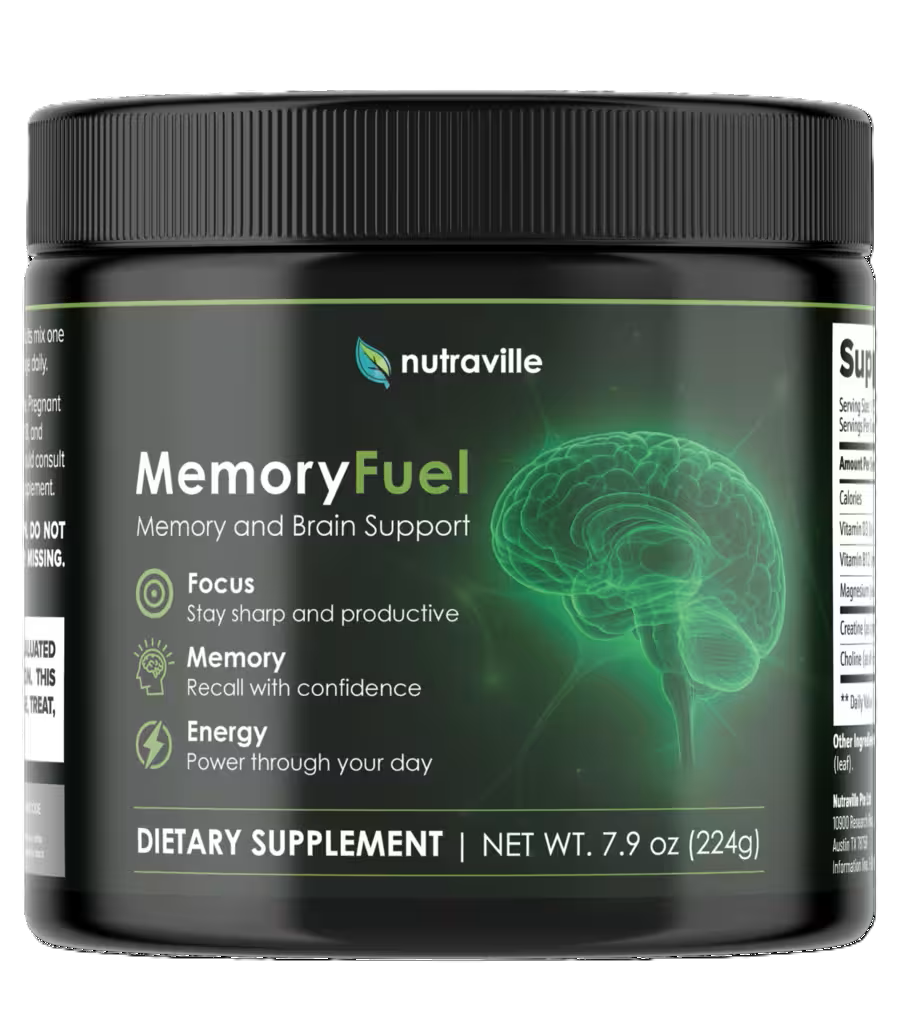
What does MemoryFuel actually do for memory and focus? It refuels the brain instead of stimulating it. Creatine at 5,000 mg tops up the phosphocreatine your neurons burn through during focus and recall, choline supplies the memory messenger, and magnesium, D3 and B12 protect the wiring. One scoop in water a day. The first change usually lands around week 2.
In This Review:
Reviewed by The Supplement Post Editorial Team, Editorial Review
Updated
1. Product at a Glance
| Primary Mechanism | Brain ATP production via creatine + cholinergic support |
| Key Ingredients | Creatine Monohydrate (5,000 mg), Choline (300 mg), Magnesium Glycinate (300 mg), Vitamin D3, Vitamin B12, L-Theanine |
| Manufacturing | USA, GMP-certified facility, formulated by a PharmD (Nutraville) |
| Guarantee | 90-day money-back |
Quick Verdict
Does MemoryFuel actually work for brain fog and focus? Yes, on the side of cognition that runs on fuel rather than stimulation, and that is the whole case for it. Creatine at 5,000 mg is the dose with human trials behind it, and it tops up the energy your neurons spend on focus and recall. Choline supplies the memory messenger. Magnesium, D3 and B12 keep the wiring in good repair. A supplement like this is a potentiator, not a switch: it adds to sleep, food and the shape of your week, which is also why one person notices it in a fortnight and another takes six. Nothing happens on day one. The first clearer afternoon usually lands around week 2, the fuller picture between weeks 4 and 6, and the 90-day guarantee covers that window with room to spare.
2. Why Does Brain Fog Hit Hardest in the Afternoon?
Why does brain fog hit hardest in the afternoon? Because your brain runs out of its fastest fuel before the day runs out of hours. It burns about a fifth of all the energy your body makes, and the reserve it draws on recycles more slowly as you get older.
You already know the shape of it. The second hour of focused work, the one that used to exist, no longer does. You read a paragraph and arrive at the end of it carrying nothing. A name you have known for twenty years shows up ten minutes late, in the car, with nobody around to tell. And the coffee that used to fix all three now leaves you alert and still foggy.
That is not willpower, and it is not one broken thing. Three give way together. The energy reserve empties faster than it refills, the messenger that files a memory runs short, and the wiring that carries the signal loses a little insulation every year. Each of those is still something you can reach.
It is also why a stimulant does so little here: it pushes harder on an engine that is low on fuel. The formulas that move anything start with the fuel, at a dose somebody measured, and build the other two layers on top of it. That is how MemoryFuel is put together, around 5,000 mg of creatine monohydrate. How the three layers actually work →
3. What MemoryFuel Does and Benefits
MemoryFuel solves a single problem with whole-body consequences: the brain runs short of the energy it needs to hold focus and pull a memory back. It is a daily scoop mixed into water, built around the fuel side of cognition rather than the signalling side.
Almost every formula on the shelf works that signalling side. More acetylcholine, more dopamine, a botanical that nudges one receptor. All of it is useful, and all of it is the second half of the problem. A neuron that is short on fuel does not fire better because you handed it a louder instruction.
Here is the part nobody mentions: the ingredient with real human data for exactly this job is the cheap one from the gym shelf. Creatine. And it only does the job at the amount the trials used, 5,000 mg a day, which is why a brain formula that folds in a gram or two gets nothing out of it. MemoryFuel commits the full dose.
That dose is also why it is a powder. Five grams does not fit in a capsule, and eight to ten pills a day is not a routine anyone keeps. Around the creatine sit choline for the memory messenger, magnesium glycinate for the learning hardware, and D3 and B12 for the insulation on the nerve. Brain creatine fills slowly, so the first clearer afternoons tend to arrive around week 2 and the fuller read between weeks 4 and 6, which is the pace the 90-day guarantee is built for. How the three layers actually work →
4. Why We Rate It 4.6 / 5
Six things carry the score here, and the one undisclosed dose is what keeps it from going higher.
What stands out:
- 5g creatine — full clinical dose — matches the amount used in peer-reviewed cognitive studies
- Powder = real dosing — delivers the full creatine load that capsules physically can't
- Multi-layer approach — brain ATP + cholinergic support + neuroprotection in one formula
- Stimulant-free — no caffeine, no jitters, no crash, no dependency
- 90-day guarantee — enough time to complete a full evaluation cycle
- PharmD-formulated — designed by Dr. Jesse Ropat (Nutraville)
Where it falls short:
- Powder, not a capsule — daily mixing is part of the routine — less convenient when you travel
- Built on the creatine-and-choline route — if you want citicoline or Alpha-GPC specifically, another formula is the closer match
- L-Theanine is the one dose not on the label — the other five are printed in full, so this is the single number you cannot check yourself
- Sold direct only — not on Amazon or retail shelves, so you order online
Full scorecard across all 6 criteria: MemoryFuel Scorecard →
5. Who Is MemoryFuel Best For?
Best match if you:
- Notice memory recall and focus declining with age (40+)
- Deal with afternoon brain fog or mental fatigue that coffee can't fix
- Want a non-stimulant, evidence-based daily routine for cognitive support
- Prefer powder format and clinical-dose ingredients over underdosed capsules
- Want to test with a 90-day money-back guarantee safety net
6. How It Compares
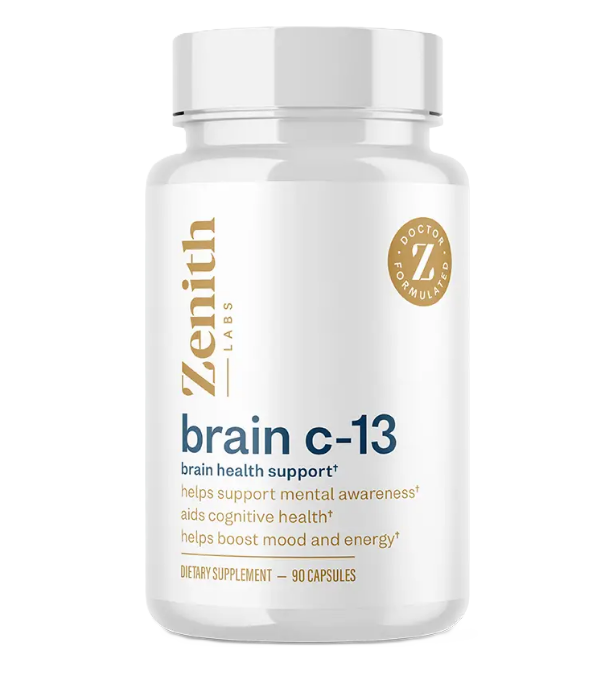
| Criteria | MemoryFuel (this review) | Brain C-13 | Generic Creatine |
|---|---|---|---|
 |
 |
— | |
| Primary Focus | Brain ATP + Memory | Neurotransmitter Support | Muscle / General ATP |
| Creatine Dose | 5,000 mg (clinical) | None | 5,000 mg |
| Cognitive Extras | Choline, Mag, L-Theanine, D3, B12 | Multi-nootropic blend | None |
| Format | Powder | Capsule | Powder |
| Best Price | $49/bottle | $49/bottle | $15–25/bag |
| Best For | Brain energy + memory | Neurotransmitter stack | General ATP (not brain-targeted) |
| Where to buy | Official Site → | Official Site → | — |
The 5,000 mg is the whole point. It is the amount the cognitive research used, and the reason this one arrives as a scoop instead of a capsule.
7. Pricing Options for MemoryFuel
The full window here is weeks 4 to 6, after a saturation phase where brain creatine stores fill and little shows. The smallest package, two bottles, covers sixty days and clears that window. Four bottles carries a hundred and twenty days at $59 each with free shipping. Six bottles at $49 runs half a year — the one we would take, because this is a formula whose gains hold with continued use rather than one you finish.
2 Bottles
60-Day Supply
- Secure Checkout
6 Bottles
180-Day Supply
- Secure Checkout
4 Bottles
120-Day Supply
- Secure Checkout
Every order is backed by a 90-day money-back guarantee. The official site is the only channel that guarantees an authentic bottle and honors that refund. The full package breakdown is in our MemoryFuel pricing analysis.
8. The Mechanism + Full Ingredient List
Most cognitive supplements pick one mechanism — usually neurotransmitter stimulation (more acetylcholine, more dopamine) — and bet everything on it. That’s like pushing the accelerator on an engine that’s low on fuel. MemoryFuel runs three layers in parallel, but starts where most nootropics don’t even look: the cellular energy supply that powers everything else.
Brain ATP Layer (Creatine, 5g clinical dose). Creatine monohydrate at 5g replenishes phosphocreatine stores in the brain — the molecule that directly recycles ATP. Studies show this dose supports working memory, reduces mental fatigue, and may improve processing speed, especially under sleep deprivation or cognitive stress. This is the layer that differentiates MemoryFuel: most nootropics don’t address brain ATP at all. The powder format exists for this reason — capsules can’t hold 5g.
Neurotransmitter Layer (Choline + L-Theanine). Choline provides the precursor for acetylcholine — the neurotransmitter most directly linked to memory encoding and recall. Without sufficient choline, even an ATP-rich brain can’t form memories efficiently. L-theanine promotes alpha brain wave activity, supporting calm, focused attention without sedation. Together they address the signaling layer that the ATP layer enables.
Neuroprotective Layer (Magnesium Glycinate + D3 + B12). Magnesium glycinate supports synaptic plasticity (the mechanism behind learning new things) and is one of the better-absorbed magnesium forms. Vitamins D3 and B12 address common nutritional gaps that correlate with cognitive decline in adults over 40 — even mild deficiencies in either directly impair cognitive function. This is the hardware-protection layer that keeps the other two pathways working long-term.
How it runs together: the ATP layer fuels the engine. The neurotransmitter layer optimizes the signaling. The neuroprotective layer protects the hardware. Three layers operating in sequence — fuel, signal, structure. Most nootropics jump straight to the signal and skip the fuel; MemoryFuel addresses the underlying energy substrate first because everything else depends on it.
Realistic timeline. Brain creatine saturates more slowly than muscle, so this is a build, not a switch:
| Window | What users typically report |
|---|---|
| Weeks 1–2 | Saturation phase — brain creatine stores filling; little visible change yet. Don't judge it here. |
| Weeks 2–3 | First signs — clearer thinking and less of the afternoon mental fog. |
| Weeks 4–6 | Full window — sharper recall under pressure, more sustained focus, less mental fatigue. |
| Month 2+ | Maintenance — the gains hold with continued daily use; this is where the longer bundles pay off. |
What amplifies your results. Brain creatine saturation doesn’t happen in a vacuum — a few daily habits directly change how fast, and how far, the formula works:
- Consistency — creatine only loads with daily dosing; skipped days reset the saturation curve. Take it at roughly the same time each day.
- Sleep — memory consolidation and brain-energy restoration happen in deep sleep, and poor sleep drives the exact NMDA overactivation the magnesium is there to calm. Seven to eight hours isn’t optional.
- Hydration — creatine pulls water into cells; under-hydration is the usual cause of the early-week headache. Drink more than you think you need.
- Exercise — moderate cardio a few times a week raises BDNF, reinforcing the same neural pathways the formula targets.
- Diet — vegetarians and low-meat eaters start with lower baseline brain creatine, so they tend to feel the biggest lift.
If you’re still seeing nothing by week 8 of consistent daily use, address those factors before concluding it isn’t the right fit — that’s biochemistry, not a product limitation.
The full formula — all six actives. No proprietary blend — every dose is on the label:
| Ingredient | Dose | Role in the formula |
|---|---|---|
| Creatine Monohydrate | 5,000 mg | Core brain fuel — regenerates ATP in neurons. The exact dose used in the 2024 meta-analysis of 16 RCTs on memory, attention and processing speed. |
| Choline Bitartrate | 300 mg | Acetylcholine precursor — supports the memory and learning signaling most "cholinergic" nootropics target. |
| Magnesium Glycinate | 300 mg | Supports NMDA-receptor function and calm focus; the glycinate form is chosen for absorption and gentleness. |
| Vitamin D3 | 50 mcg (2,000 IU) | Neuroprotective — low vitamin D is linked with faster cognitive decline. |
| Vitamin B12 | 25 mcg | Supports myelin-sheath integrity — the coating that sets nerve-signal speed. |
| L-Theanine | — | Smooths alertness into calm, jitter-free focus and pairs with the energy layer. |
Dose Check — Formula vs Clinical Research
Doses matter more than ingredient counts. Here’s how each active compares to the ranges used in cognitive research:
| Ingredient | MemoryFuel | Clinical range | Verdict |
|---|---|---|---|
| Creatine Monohydrate | 5,000 mg | 3,000–5,000 mg | Full clinical dose |
| Choline Bitartrate | 300 mg | 250–500 mg | Adequate; citicoline would be stronger |
| Magnesium Glycinate | 300 mg | 200–400 mg | Good dose, good form |
| Vitamin D3 | 2,000 IU | 1,000–4,000 IU | In range |
| Vitamin B12 | 25 mcg | 2.4–1,000 mcg | Above RDA |
| L-Theanine | Not disclosed | 100–400 mg | Can’t verify |
The headline is the creatine: most brain formulas fold it in as a 1–2 g afterthought, which isn’t enough to move brain ATP — MemoryFuel commits to the full 5 g that produced results in the research. The one transparency gap is L-Theanine’s undisclosed dose in an otherwise fully-labeled formula.
What these terms actually mean:
- ATP
- Your cells’ energy currency. Your brain burns through roughly a fifth of your body’s entire ATP supply — every thought, every recall, every stretch of focus spends it. When ATP runs short faster than it’s replaced, that shortfall is the physical reality behind “brain fog.”
- Phosphocreatine
- The brain’s rapid-recharge battery. It hands a phosphate group back to spent ATP almost instantly — which is exactly what creatine tops up. Bigger reserves mean your brain hits the energy wall later.
- Acetylcholine
- The memory messenger — the neurotransmitter your brain uses to encode and retrieve memories, and choline is the raw material it’s built from. Plenty of fuel but no messenger, and memories still don’t form well.
- NMDA receptor / synaptic plasticity
- The “learning” hardware — the receptors that let neurons form new connections when you learn something. Magnesium keeps them firing appropriately instead of over-firing, which unchecked wears neurons down.
- Myelin sheath
- The insulation around your nerve fibers that sets how fast signals travel. Thinning myelin shows up as slower processing and delayed recall — B12 helps maintain it.
9. Side Effects & Safety
Creatine is one of the most-studied supplements in existence, with an excellent long-term safety record. MemoryFuel is stimulant-free and made in a GMP-certified US facility. The most common early effects aren't side effects so much as creatine loading responses — they settle within the first week. For full transparency:
| Possible effect | Likelihood | What to do |
|---|---|---|
| Mild bloating / water retention | Common (week 1) | Normal creatine loading — water drawn into cells (1–2 lbs of intracellular water, not fat). Drink extra water; settles in 5–7 days. |
| Loose stools | Occasional | The 300 mg magnesium glycinate can be mildly laxative in sensitive people — take with food. |
| Digestive discomfort | Occasional | Creatine + magnesium on an empty stomach — take with food or split into two half-scoops. |
| Headache | Rare | Usually under-hydration alongside creatine — increase water to 8–10 glasses a day. |
None of these are serious or lasting. The first two — bloating and water retention — are standard creatine loading responses that actually signal the supplement is being absorbed and stored; they settle within days.
The Creatine Kidney Myth
The most persistent worry about creatine — that it damages kidneys — has been repeatedly debunked in healthy adults. Multiple systematic reviews find no adverse renal effects at 5g/day, even over years of continuous use. Creatine does raise creatinine (a marker read on kidney blood tests), but that’s a measurement artifact, not damage. The caveat runs the other way: if you already have reduced kidney function, that same creatinine rise complicates monitoring — which is why pre-existing kidney disease is a talk-to-your-doctor-first situation, not a green light.
Check With Your Doctor First If…
MemoryFuel is a low-risk supplement for most healthy adults, but a few groups should get medical clearance before starting:
- Kidney disease or a history of kidney stones — creatine raises creatinine and needs healthy kidneys to clear.
- Pregnant or breastfeeding women, and anyone under 18 — creatine and choline lack sufficient safety data at these doses for these groups.
- On lithium or other psychiatric medication — magnesium can alter lithium excretion and blood levels.
- On blood thinners or diabetes medication — creatine and magnesium can theoretically affect anticoagulant clearance and blood sugar.
For everyone outside those groups, there’s no pharmacological reason to hesitate — the formula uses well-established compounds at standard doses with extensive safety data. Full breakdown: MemoryFuel Pros & Cons →
10. Final Verdict
So, is MemoryFuel worth it? Yes, if what you want back is the second hour of focused work rather than a jolt in the morning. The first hour is usually fine. It is the one after it that used to exist and now does not, and that is the hour this formula is aimed at. The 5 g of creatine monohydrate is the amount cognitive studies actually used, the powder exists because that amount will not fit in a capsule, and the choline, magnesium glycinate and L-theanine around it cover the signalling and the wiring in the same scoop.
It is not a stimulant, so there is no rush to feel on day one. Creatine's effect on brain energy is cumulative, and the human research behind 5 g a day for cognitive support is recent and it is specific about the dose. For anyone dealing with age-related brain fog, afternoon mental fatigue, or recall that is not what it used to be, this formula goes at the right mechanism at the amount that was studied.
A word on which package to pick. The 2-bottle package at $69 per bottle runs 60 days, enough to cover the 3-to-6-week window and reach a fair verdict — start there if you want the smallest honest commitment. The 6-bottle package at $49 per bottle is where the value is: the lowest cost per bottle, and the supply to carry a result forward rather than reorder mid-stride. The 90-day guarantee means the cost of finding out sits with the manufacturer, not with you.
11. Frequently Asked Questions
Does MemoryFuel actually improve memory and focus?
Evidence supports creatine's role in brain ATP production, which is directly linked to working memory, focus under cognitive load, and reduced mental fatigue. At the 5g clinical dose in MemoryFuel, most users report noticeable improvements in clarity and recall between weeks 3–6 of daily use. Results build gradually as brain creatine stores saturate.
How long until I notice results from MemoryFuel?
Brain creatine saturation takes longer than muscle saturation. Early signs — clearer thinking, less afternoon fog — can appear in 2–3 weeks. The full cognitive benefit window is typically 4–6 weeks of consistent daily use. Full timeline: see the week-by-week breakdown above →
Is MemoryFuel safe to take daily?
Creatine monohydrate is one of the most studied supplements in existence with an excellent long-term safety profile. The formula is stimulant-free, GMP-certified, and well tolerated by most adults. Mild digestive adjustment in the first week is normal. More on who should skip it: Buyer Verdict & Safety →
Where should I buy MemoryFuel?
Only through the official website. Third-party sellers are not authorized and don't qualify for the 90-day money-back guarantee.
Should I talk to my doctor before taking MemoryFuel?
If you take prescription medications — especially for neurological conditions, blood thinners, or kidney concerns — consult your healthcare provider before starting any new supplement. This is especially important for adults over 60 or anyone with pre-existing medical conditions.
INGREDIENT TAGS
FORMAT
Research & Transparency
This content is based on publicly available ingredient research, manufacturer disclosures, and product labeling. We are not affiliated with the manufacturer.
(a) Effects of creatine supplementation on brain and cognitive outcomes — systematic review. Journal of the International Society of Sports Nutrition 2026
(b) Natural molecules for brain health and resilience — review of the human evidence. International Journal of Molecular Sciences 2026
(c) Memory — the reference we use for what normal age-related change looks like and when it warrants a doctor. MedlinePlus / NIH
(d) What we know about healthy aging — the agency read on what actually holds up cognition over time. NIH / NIA
About the Author
Luciano Cesar is a contributor at The Supplement Post, supporting the production of evidence-aware supplement reviews and buyer's guides across multiple health categories. His work spans ingredient analysis, formulation assessment and consumer-oriented summaries — what a label discloses, how the stated doses compare with the amounts used in published human research, and whether a formula's design matches what it claims to do. Every review is checked by The Supplement Post editorial team against the standards published in our editorial policy before it goes live.
Disclosure
All content is for informational purposes only and is not a substitute for professional medical advice. Each product reviewed is a dietary supplement, not a prescription drug. Results may vary based on individual health status, consistency of use, and lifestyle. This page may contain affiliate links — if you purchase through them, we may earn a small commission at no additional cost to you. Read our Editorial Policy.