
MemoryFuel Benefits — 5 Cognitive Benefits This Formula Delivers
The key benefits this formula is designed to deliver — with realistic timelines and an honest look at limits.
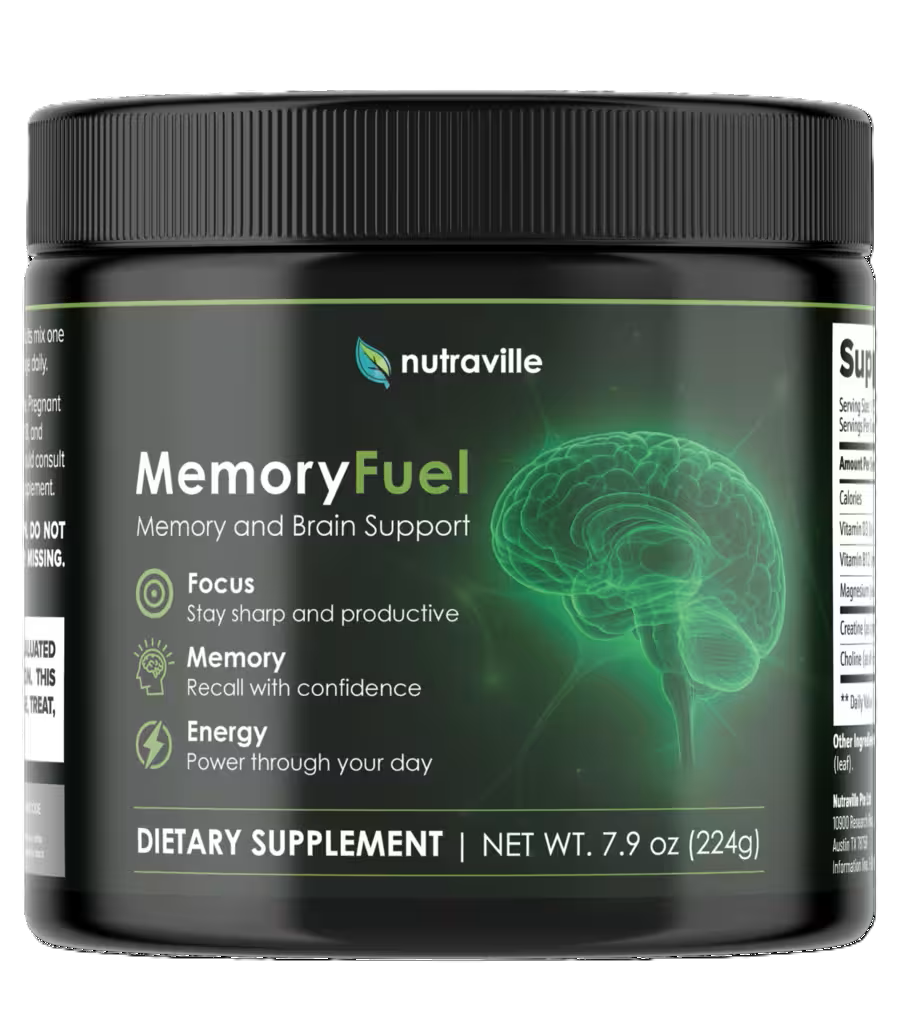
How the formula's ingredient combination translates into real-world cognitive benefits.
In This Article
Edited by Michael Anderson, Editor-in-Chief
Updated
Quick Answer
MemoryFuel delivers five core benefits — all rooted in how the formula's creatine-driven ATP mechanism fuels neurons alongside neurotransmitter and neuroprotective support. The benefits are cumulative, not instant. Expect the first noticeable changes in mental energy around weeks 1-2, with the full cognitive benefit window at weeks 5-8 of consistent daily use.
1. The 5 Key Benefits of MemoryFuel
Benefit 1 — Brain ATP Production (Creatine Fuels Neurons)
This is the foundation everything else builds on. Your brain consumes roughly 20% of your body’s total energy despite being only 2% of your body weight. That energy comes from ATP — adenosine triphosphate. Creatine monohydrate at the full 5,000 mg clinical dose directly replenishes phosphocreatine stores in brain tissue, which recycles ADP back into ATP faster. When neurons fire during demanding cognitive tasks — sustained focus, complex problem-solving, memory retrieval under pressure — they burn through ATP at extraordinary speed. Phosphocreatine acts as a rapid-access reserve that regenerates ATP almost instantly, preventing the cellular energy dips that feel like brain fog and mental fatigue. A 2024 meta-analysis of 16 randomized controlled trials (492 participants) confirmed that creatine supplementation improved memory, attention, and processing speed(a). This is not a stimulant effect — it is a cellular energy supply mechanism. For a full dose-by-dose breakdown, see our MemoryFuel ingredient scorecard.
Benefit 2 — Improved Memory Recall
Choline Bitartrate at 300 mg feeds the production of acetylcholine — the primary neurotransmitter involved in memory encoding and retrieval. The Framingham Heart Study found that higher choline intake correlated with better verbal and visual memory performance(b). MemoryFuel’s dose is moderate — not the highest available — but it provides a meaningful daily baseline, especially for people whose dietary choline intake falls below the 550 mg adequate intake level (which applies to roughly 90% of the U.S. population). Acetylcholine also supports the hippocampus, the brain region most directly responsible for converting short-term memories into long-term storage.
Creatine amplifies this pathway. Memory retrieval is an energy-intensive process — the hippocampal circuits that pull stored memories into working awareness require substantial ATP. When brain energy supply is optimized through creatine loading, the acetylcholine-driven memory circuits run more efficiently. Two ingredients targeting two sides of the same cognitive function.
Benefit 3 — Calm Focus Without Stimulants
L-Theanine promotes alpha brain wave activity — the neural state associated with relaxed concentration. Unlike caffeine, which stimulates cortisol and adrenaline for a short burst followed by a crash, L-Theanine modulates GABA and glutamate to produce focus without jitteriness or anxiety. The formula is entirely stimulant-free, which means the alertness benefit comes from better neural signaling rather than artificial arousal.
This matters for sustained cognitive work — the kind where you need 2-3 hours of consistent attention, not a 45-minute spike followed by an energy crash. Magnesium Glycinate (300 mg, 71% DV) further supports this pathway by modulating NMDA receptors involved in neural excitability. The combination creates an environment where your brain can focus deeply without the overstimulation that leads to mental burnout.
Benefit 4 — Neuroprotection (Magnesium Glycinate + D3)
Two ingredients contribute to the neuroprotective layer. Magnesium Glycinate at 300 mg modulates NMDA receptor activity, helping prevent excitotoxicity — a process where overactive neurons damage themselves through excessive firing. This is particularly relevant under chronic stress, poor sleep, or natural aging, all of which increase NMDA receptor overactivation. Magnesium Glycinate is one of the few forms that crosses the blood-brain barrier efficiently, which is why the form matters as much as the dose.
Vitamin D3 at 2,000 IU supports neuroinflammation regulation. Low vitamin D has been consistently associated with faster cognitive decline in adults over 45 across multiple observational studies(d). For the estimated 42% of U.S. adults who are vitamin D insufficient, this dose addresses a real gap. These are not flashy benefits. They are maintenance benefits — the kind that compound over months and years of consistent intake.
Benefit 5 — Long-Term Cognitive Support (B12 + Sustained Creatine Loading)
This is the benefit most buyers overlook. Vitamin B12 at 25 mcg maintains myelin sheath integrity — the insulation around nerve fibers that determines how fast electrical signals travel between neurons. Damaged or thinning myelin means slower signal transmission, which shows up as delayed recall, slower processing, and difficulty with multitasking.
Consistent daily creatine loading adds a long-term dimension beyond the acute ATP benefit. Over weeks and months, sustained phosphocreatine availability supports neural resilience — your brain maintains higher energy reserves to handle cognitive demands that would otherwise cause fatigue. This is not a short-term boost; it is an investment in how well your brain performs over time. Combined with D3 and magnesium, the formula creates a three-layer neuroprotective foundation: energy (creatine), structural integrity (B12), and inflammation modulation (D3 + magnesium).
2. How Benefits Build Over Time
These five benefits do not arrive all at once. The formula works on a gradual timeline because the primary mechanism — brain creatine saturation — requires consistent daily dosing:
| Timeline | Benefits You Can Expect |
|---|---|
| Week 1-2 | Creatine begins loading into brain phosphocreatine stores. L-Theanine and magnesium reach steady state, producing subtle improvements in calmness and sleep quality. Some users notice reduced mental fatigue at end of day — a positive sign that the loading phase is underway. |
| Week 3-4 | Brain ATP levels reach optimized thresholds. Sustained focus during demanding cognitive tasks becomes noticeably easier. Fewer afternoon energy crashes. This is where most users form their first real opinion of the formula. |
| Week 5-8 | Full benefit window. Memory recall and word-finding improve as acetylcholine pathways are consistently supported alongside optimized ATP. All five areas should be measurably improved if the formula works for you. |
| Month 3+ | Neuroprotective benefits compound. D3, B12, and magnesium reach long-term steady state. Results plateau at their peak — the goal shifts from building to sustaining. Stopping will cause gradual return to baseline over 4-6 weeks. |
For a detailed week-by-week breakdown with specifics on the three pathways and what the research actually shows at each stage, see our MemoryFuel effectiveness and results timeline.
3. The Value Advantage
The powder format is a genuine differentiator. Most brain supplements come in capsule form, which limits total payload to roughly 500-800 mg per serving. MemoryFuel delivers over 5,000 mg of creatine monohydrate alone per scoop — the full clinical dose used in the meta-analysis that demonstrated cognitive benefits. Achieving that dose in a capsule product would require taking 8-10 pills per day.
Powder also means faster absorption. For creatine, where daily saturation is the goal, faster absorption translates to more efficient brain loading — the ingredient reaches brain tissue faster and begins replenishing phosphocreatine stores sooner.
On pricing, the multi-jar packages bring the per-day cost into a competitive range. For full pricing details and the best value options, see our MemoryFuel pricing breakdown.
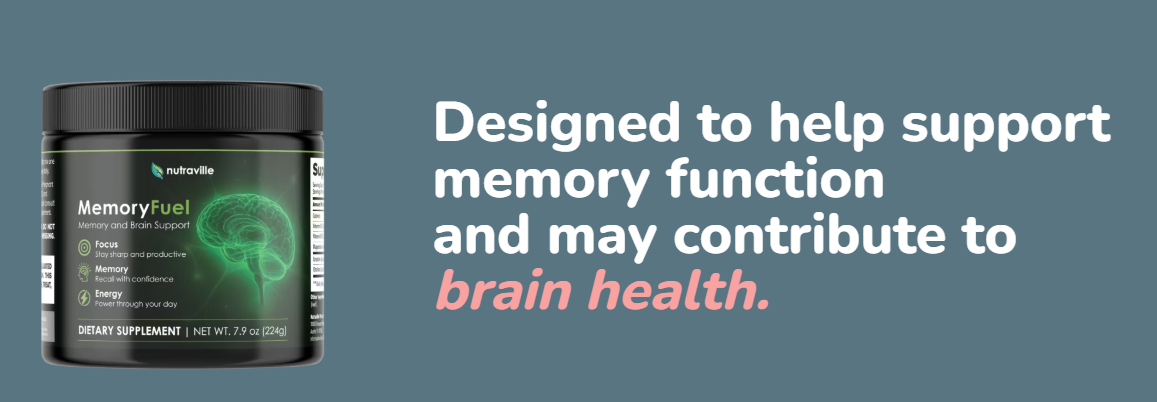
Pricing Options for MemoryFuel
MemoryFuel is available in multiple package options designed to support different usage timelines. Many users choose multi-bottle packages because consistent daily use typically delivers the best results. Longer supply options also reduce the cost per unit.
2 Bottles
60-Day Supply
- 90-day Money-Back Guarantee
- Secure Checkout
6 Bottles
180-Day Supply
- 90-day Money-Back Guarantee
- Free USA Shipping
- Secure Checkout
4 Bottles
120-Day Supply
- 90-day Money-Back Guarantee
- Free USA Shipping
- Secure Checkout
Every order is backed by a 90-day money-back guarantee. Only available through the official website.
Frequently Asked Questions
Which MemoryFuel benefit do most users notice first?
Improved mental energy and reduced afternoon brain fog are typically the first benefits users report, usually within the first 1-2 weeks as L-Theanine and magnesium reach steady state and creatine loading begins. Memory and recall improvements tend to follow around weeks 5-8, once brain creatine stores reach full saturation and acetylcholine pathways are consistently supported.
Does MemoryFuel help with focus without caffeine?
Yes. The formula is entirely stimulant-free. L-Theanine promotes alpha brain wave activity — the neural state associated with calm, sustained attention — while magnesium glycinate modulates NMDA receptors to reduce neural noise. The focus benefit comes from better signaling efficiency, not artificial stimulation. No jitters, no crashes, no tolerance buildup.
How does creatine benefit the brain differently than muscles?
The mechanism is the same — phosphocreatine donates phosphate groups to regenerate ATP — but the impact is different because the brain is uniquely energy-hungry. Your brain burns roughly 20% of total body energy. Creatine supplementation at 5g/day has been shown in clinical trials to improve working memory and processing speed, with stronger effects under cognitive stress, sleep deprivation, and in people with low dietary creatine intake (vegetarians, low-meat diets).
Should I consult a doctor before taking MemoryFuel for cognitive benefits?
If you have a diagnosed neurological condition, take prescription medications for cognitive health, or have kidney concerns (creatine is processed by the kidneys), speak with your doctor before starting any brain supplement. MemoryFuel supports normal cognitive function — it is not designed to treat, cure, or prevent any medical condition.
Research & Transparency
This content is based on publicly available ingredient research, manufacturer disclosures, and product labeling. We are not affiliated with the manufacturer.
(a) Effects of creatine supplementation on cognitive function: a systematic review and meta-analysis of 16 RCTs (492 participants). PMC11275561
(b) The relation of dietary choline to cognitive performance and white-matter hyperintensity in the Framingham Offspring Cohort. PubMed 22071706
(c) Suboptimal magnesium status and its association with cognitive decline: a systematic review. PubMed 37957888
(d) Vitamin D and cognitive function: a systematic review and meta-analysis. PubMed 36243886
About the Author
Emily Carter is a contributor at The Supplement Post and a research collaborator with the Smart Guide editorial group — an independent team dedicated to conducting deeper evaluations of supplements across major health categories. Her work covers brain health, neuro supplementation, blood sugar control, and evidence-aware supplement analysis. She is not a medical doctor — she analyzes publicly available research to provide consumer-friendly summaries for adults exploring cognitive support and neuroprotection options.
Disclosure
All content is for informational purposes only and is not a substitute for professional medical advice. Each product reviewed is a dietary supplement, not a prescription drug. Results may vary based on individual health status, consistency of use, and lifestyle. This page may contain affiliate links — if you purchase through them, we may earn a small commission at no additional cost to you. Read our Editorial Policy.