
Does MemoryFuel Really Work? Creatine Brain Science & Results
The honest answer on whether this formula works — mechanism, evidence, and realistic results timeline.
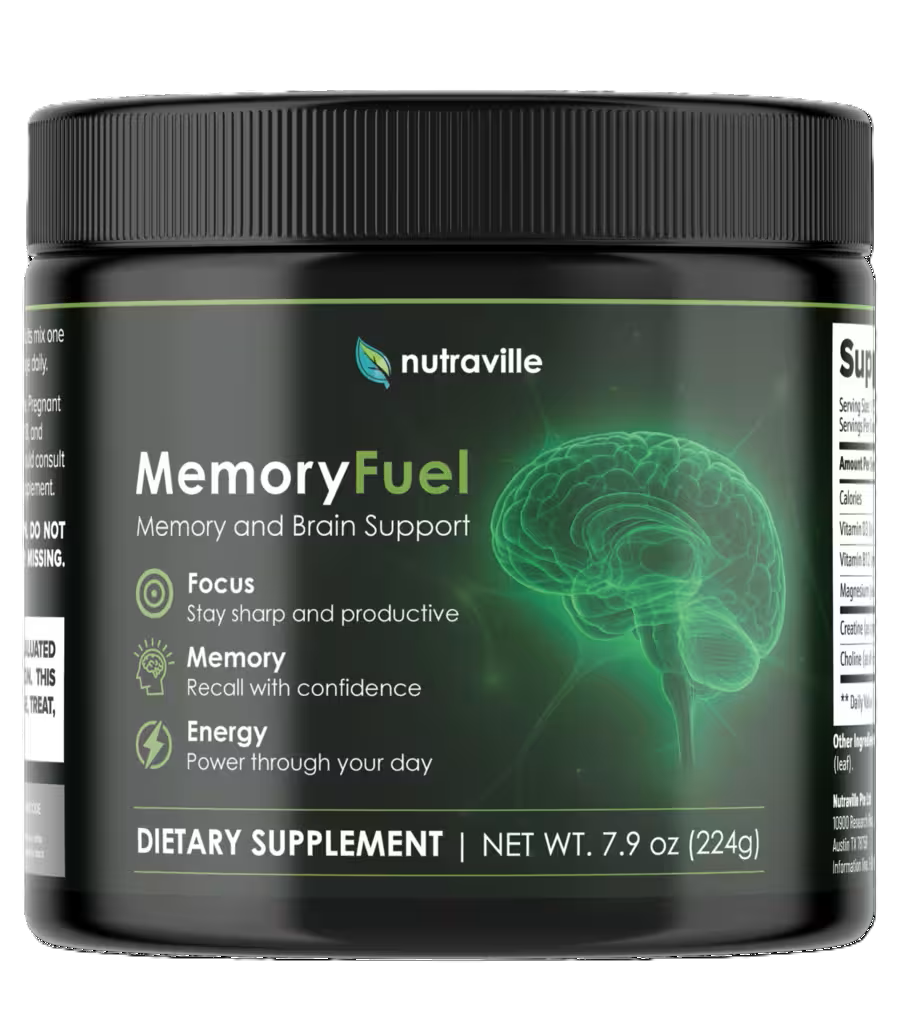
The science and the timeline — what happens when you commit to the routine.
In This Article
Edited by Michael Anderson, Editor-in-Chief
Updated
Quick Answer
Yes, MemoryFuel works — but it works on a biological timeline, not an overnight one. The formula targets brain ATP production through creatine monohydrate at the full 5g clinical dose, supported by choline for neurotransmitter synthesis and magnesium for neural stability. Most people know creatine for muscles — but clinical studies show 5g/day also improves working memory and processing speed, especially under stress and sleep deprivation. Expect meaningful differences around weeks 3-4, with the full evaluation window at weeks 5-8.
1. The Science — Creatine for Brain Is Emerging, and It Is Real
Most people associate creatine with muscles. That association is correct but incomplete. The same molecule that fuels muscle contractions also fuels neurons — and your brain is far more energy-hungry than any muscle in your body.
Here is what most people miss:
Your brain burns 20% of your body’s energy. Despite being only 2% of your body weight, the brain consumes roughly one-fifth of total ATP production. Every thought, every memory retrieval, every moment of sustained focus requires ATP molecules to be produced and consumed at extraordinary speed. The brain burns through approximately 4.7 kg of ATP per day — more per gram of tissue than any other organ.
Creatine is your brain’s energy buffer. Phosphocreatine acts as a rapid-access energy reserve. When ATP is depleted during demanding cognitive tasks — complex problem-solving, sustained focus under pressure, memory retrieval during exams or presentations — phosphocreatine donates its phosphate group to regenerate ATP almost instantly. Without adequate phosphocreatine reserves, your brain hits an energy wall. That wall feels like brain fog, mental fatigue, and the inability to sustain attention.
The clinical evidence is now substantial. A 2024 meta-analysis of 16 randomized controlled trials (492 participants) confirmed that creatine supplementation improved memory, attention, and processing speed across multiple cognitive domains(a). Importantly, the benefits were most pronounced in populations under cognitive stress — sleep deprivation, high mental workload, and aging. This aligns with the core logic: when energy demand is highest, creatine supplementation makes the biggest difference.
This is not the same as a stimulant. Caffeine increases arousal by blocking adenosine receptors — it borrows energy and creates a crash. Creatine increases the energy reserves themselves. The distinction matters: stimulants deplete ATP faster while masking fatigue, while creatine ensures there is more ATP available to burn. Two opposite approaches to the same problem.
Most brain supplements rely on neurotransmitter modulation — more acetylcholine, more dopamine, more serotonin. MemoryFuel starts one level deeper: more cellular energy. The logic is straightforward — neurotransmitters cannot do their job efficiently if the neurons producing them do not have enough ATP to fire properly.
2. How MemoryFuel Works — Three Cognitive Pathways
MemoryFuel targets three distinct cognitive pathways. Fewer ingredients than many nootropic stacks, but each ingredient has a clear mechanistic role. Here is how the pathways work together.
Pathway 1 — Brain ATP (The Core Mechanism)
Creatine monohydrate at 5,000 mg replenishes phosphocreatine stores in brain tissue. This is the foundation. When you are working through a demanding cognitive task and hit the point where your brain “runs out of steam,” what is actually happening is that local ATP reserves are temporarily depleted faster than they can be regenerated. Higher phosphocreatine stores mean faster ATP regeneration, which means your brain can sustain high-output cognitive work for longer periods before hitting that wall.
The 5,000 mg dose matches the clinical doses used in the trials that demonstrated cognitive benefits. Lower doses — the 1-2g amounts some capsule-based brain supplements include — may not produce meaningful brain creatine saturation. The powder format allows MemoryFuel to include the full clinical dose without requiring a handful of pills.
Pathway 2 — Neurotransmitter Support
Choline Bitartrate at 300 mg provides the raw material for acetylcholine synthesis — the primary neurotransmitter for learning and memory. Without adequate choline, your brain cannot produce enough acetylcholine to run the hippocampal circuits that encode new information and retrieve stored memories. The Framingham Heart Study found that higher choline intake correlated with better verbal and visual memory(b).
L-Theanine complements this by modulating GABA and glutamate — the brain’s primary inhibitory and excitatory neurotransmitters. This modulation promotes alpha brain wave activity, the neural state associated with calm alertness. The practical result: your brain has both the chemical messengers (acetylcholine for memory) and the optimal signaling environment (alpha waves for focus) to produce high-quality cognitive output — without the jitteriness or anxiety of stimulant-based approaches. For a full dose-by-dose analysis of every ingredient, see our MemoryFuel ingredient scorecard.
Pathway 3 — Neuroprotection
Magnesium Glycinate at 300 mg (71% DV) regulates NMDA receptor activity. When NMDA receptors fire excessively — a common consequence of chronic stress, poor sleep, or aging — they trigger excitotoxicity, a process that damages neurons over time. Magnesium acts as a natural gatekeeper, ensuring these receptors fire appropriately without overactivating. Magnesium Glycinate specifically crosses the blood-brain barrier efficiently, which is critical — most magnesium forms do not reach brain tissue in meaningful amounts.
Vitamin D3 (2,000 IU) modulates neuroinflammation pathways. Vitamin B12 (25 mcg) maintains myelin sheath integrity — the insulation around nerve fibers that determines signal transmission speed. These are not acute-effect ingredients. They are long-term maintenance compounds that protect the neural infrastructure the other two pathways depend on.
Three pathways, six ingredients, one goal: give your brain more energy, better signaling, and structural protection. Simpler than many nootropic stacks — but each layer addresses a different bottleneck.
3. Results Timeline — What to Expect and When
This timeline reflects the pharmacology of creatine brain loading combined with the onset profiles of the supporting ingredients. Individual results depend on baseline health, age, diet, existing creatine intake, and consistency.
| Timeline | What to Expect |
|---|---|
| Week 1-2 | Creatine loading begins — brain phosphocreatine stores start building with each daily dose. L-Theanine reaches steady state, producing calm alertness. Magnesium glycinate modulates NMDA activity. You may notice subtle improvements — slightly better sleep quality, reduced mental tension, less end-of-day fatigue. Most users will not see dramatic cognitive changes yet, and that is normal. |
| Week 3-4 | Brain ATP levels reach optimized thresholds. Phosphocreatine saturation approaches meaningful levels. Sustained focus during demanding cognitive tasks becomes noticeably easier — fewer afternoon crashes, better word recall during conversations, improved ability to sustain attention through long meetings or study sessions. Most users form their first real opinion of the formula here. |
| Week 5-8 | Full phosphocreatine saturation. All three pathways operating at steady state. Acetylcholine support compounds with optimized ATP availability. Memory improvements become noticeable — better recall of names, faster information retrieval, less "tip of the tongue" moments. This is the real evaluation window — if the formula works for you, this is when you will know. |
| Month 3+ | Neuroprotective benefits compound. D3, B12, and magnesium reach long-term steady state. Results plateau at peak levels — the goal shifts from building to maintaining. Stopping abruptly will cause a gradual return to baseline over 4-6 weeks as brain creatine stores deplete. |
The key takeaway: weeks 5-8 are where you judge this product. Anything before week 3 is too early — creatine brain loading takes time, and that is basic biochemistry, not a product limitation. If you are still seeing nothing by week 8 with consistent daily use, the formula is likely not the right fit for your individual biochemistry.
4. What Helps Your Results
Brain creatine saturation does not happen in a vacuum. These factors directly influence how well the formula works — and how quickly you reach the full benefit window:
- Consistency. This is the single biggest factor. Creatine loading requires daily dosing — skipping days disrupts the saturation process and delays results. Take it at roughly the same time each day.
- Sleep. Neural repair, memory consolidation, and brain energy restoration happen primarily during deep sleep. Seven to eight hours is not optional if you want real cognitive results. Poor sleep also increases NMDA overactivation — the exact process magnesium glycinate is designed to counteract.
- Hydration. Creatine draws water into cells as part of its mechanism. Adequate hydration supports this process and prevents the headaches some users report during the loading phase. Drink more water than you think you need.
- Exercise. Physical activity increases BDNF (brain-derived neurotrophic factor) — which supports the same neural pathways MemoryFuel targets. Even moderate cardio 3-4 times per week can amplify the formula’s cognitive effects.
- Diet. People with low dietary creatine intake (vegetarians, low-meat diets) tend to see the most pronounced benefits because their baseline brain creatine stores are lower. If you eat red meat or fish daily, your brain may already have higher baseline stores — the incremental benefit will be real but smaller.
Conversely, chronic sleep deprivation, high stress, and excessive alcohol all impair cognitive function through mechanisms no supplement can fully overcome. If you are not seeing results, address those factors before concluding the formula does not work. For a full look at safety considerations and potential interactions, see our MemoryFuel side effects guide.
Pricing Options for MemoryFuel
MemoryFuel is available in multiple package options designed to support different usage timelines. Many users choose multi-bottle packages because consistent daily use typically delivers the best results. Longer supply options also reduce the cost per unit.
2 Bottles
60-Day Supply
- 90-day Money-Back Guarantee
- Secure Checkout
6 Bottles
180-Day Supply
- 90-day Money-Back Guarantee
- Free USA Shipping
- Secure Checkout
4 Bottles
120-Day Supply
- 90-day Money-Back Guarantee
- Free USA Shipping
- Secure Checkout
Every order is backed by a 90-day money-back guarantee. Only available through the official website.
Frequently Asked Questions
How long does MemoryFuel take to work?
Most users notice subtle improvements (calmness, reduced mental fatigue) within 1-2 weeks as L-Theanine and magnesium reach steady state. More meaningful changes in memory, focus, and processing speed typically appear around weeks 3-4 as brain creatine saturates. The full evaluation window is 5-8 weeks with consistent daily use.
Is creatine for brain actually backed by science?
Yes. A 2024 meta-analysis of 16 randomized controlled trials (492 participants) found that creatine supplementation improved memory, attention, and processing speed. The effects were strongest under cognitive stress — sleep deprivation, high mental workload, and aging. The 5g/day dose in MemoryFuel matches the clinical doses used in these trials.
How is MemoryFuel different from caffeine or stimulant nootropics?
Caffeine blocks adenosine receptors to increase arousal — it is fast-acting but creates tolerance, dependency, and crash cycles. MemoryFuel increases brain ATP reserves through creatine loading, meaning your neurons have more energy available without the artificial stimulation. One borrows energy and creates debt; the other builds the energy supply itself.
Should I talk to a doctor before starting MemoryFuel?
If you have a diagnosed neurological condition, kidney disease, are pregnant or nursing, or take prescription medications that affect cognitive function, consult your doctor before starting any brain supplement. Creatine is processed by the kidneys, and the 5g daily dose should be discussed with your physician if you have any renal concerns. MemoryFuel is a dietary supplement — it is not intended to diagnose, treat, cure, or prevent any disease.
Research & Transparency
This content is based on publicly available ingredient research, manufacturer disclosures, and product labeling. We are not affiliated with the manufacturer.
(a) Effects of creatine supplementation on cognitive function: a systematic review and meta-analysis of 16 RCTs (492 participants). PMC11275561
(b) The relation of dietary choline to cognitive performance and white-matter hyperintensity in the Framingham Offspring Cohort. PubMed 22071706
(c) Suboptimal magnesium status and its association with cognitive decline: a systematic review. PubMed 37957888
(d) Creatine supplementation and brain health: a comprehensive meta-analysis. PubMed 39070254
About the Author
Emily Carter is a contributor at The Supplement Post and a research collaborator with the Smart Guide editorial group — an independent team dedicated to conducting deeper evaluations of supplements across major health categories. Her work covers brain health, neuro supplementation, blood sugar control, and evidence-aware supplement analysis. She is not a medical doctor — she analyzes publicly available research to provide consumer-friendly summaries for adults exploring cognitive support and neuroprotection options.
Disclosure
All content is for informational purposes only and is not a substitute for professional medical advice. Each product reviewed is a dietary supplement, not a prescription drug. Results may vary based on individual health status, consistency of use, and lifestyle. This page may contain affiliate links — if you purchase through them, we may earn a small commission at no additional cost to you. Read our Editorial Policy.