What does CogniCare Pro actually do for memory and focus? It feeds the messenger and protects it. Bacopa does the slow work on consolidation, Huperzia keeps acetylcholine from being broken up as fast, L-Tyrosine supplies the raw material for focus, and Rhodiola takes the edge off stress. One capsule a day. The first change usually lands around week 2.
In This Review:
- 1. Product at a Glance
- 2. Memory & Focus After 40: Evidence, Concerns & Trends
- 3. What CogniCare Pro Does and Benefits
- 4. Why We Rate It 4.5 / 5
- 5. Who It's Best For
- 6. How It Compares
- 7. Pricing & How to Order
- 8. The Mechanism + Full Ingredient List
- 9. Side Effects & Safety
- 10. Final Verdict
- 11. FAQs
Reviewed by The Supplement Post Editorial Team, Editorial Review
Updated
1. Product at a Glance
| Primary Mechanism | Acetylcholine support + neurotransmitter precursors + stress adaptation |
| Key Ingredients | Bacopa Monnieri, Huperzia Serrata, Rhodiola Rosea, L-Tyrosine, vitamins B1, B6 and B12 |
| Manufacturing | USA, GMP-certified facility |
| Guarantee | 90-day money-back |
Quick Verdict
Does CogniCare Pro actually work for memory loss and attention? Yes, and the single daily capsule is more of the reason than it looks. Bacopa does the consolidation work, Huperzia keeps acetylcholine from being broken up as fast, L-Tyrosine feeds focus on demanding days, and Rhodiola carries the stress side without any caffeine. A supplement like this is a potentiator, not a switch: it adds to sleep, food and the rest of your routine, which is why one person notices it in a fortnight and another takes six weeks. Nothing happens on day one. The first steadier afternoons usually land around week 2, the memory work between weeks 8 and 12, and the 90-day guarantee covers that window with room to spare.
2. Why Does Recall Get Slower in Your Fifties?
Why does recall get slower in your fifties? Because the chemical your brain uses to write and retrieve a memory thins out, and stress burns through what is left faster than you replace it.
It shows up in small, specific ways. You know the face and not the name, and the name turns up an hour later with nobody around to tell. You read the paragraph twice and still arrive at the end of it empty. Someone interrupts you and the thread is simply gone. By four in the afternoon it takes real effort to keep going.
None of that is memory failing wholesale. It is the supply chain behind it: acetylcholine made more slowly and broken up faster, tyrosine running short on demanding days, and a stress load that quietly takes priority over everything else. Each of those is something you can still feed.
That is how CogniCare Pro is put together, around Bacopa Monnieri for the slow consolidation work, with Huperzia protecting the messenger and Rhodiola taking the pressure off. One capsule, once a day. How the three layers divide the work →
3. What CogniCare Pro Does and Benefits
CogniCare Pro solves a single problem with whole-body consequences: the messenger that files your memories runs short exactly when the day demands most of it. It is one capsule a day, aimed at the signalling side of cognition.
Most formulas on the shelf answer this by adding more of everything. Twenty ingredients, a long label, and a dose of each too small to have been studied at that amount. The bottle looks generous and the biology never sees enough of anything to respond.
Here is the part nobody mentions: the hard part is not the ingredient list, it is taking it every single day for eight weeks. Bacopa only works on that timescale, and a routine you abandon in week three returns nothing at all. One capsule is not a convenience detail. It is the design decision that makes the eight weeks survivable.
The layers divide cleanly. Bacopa and Huperzia work consolidation and keep acetylcholine available, L-Tyrosine supplies the precursor that demanding days drain, and Rhodiola with the B vitamins carries the stress and energy side without any caffeine in the formula. The first steadier afternoons tend to arrive around week 2, the memory work between weeks 8 and 12, and the 90-day guarantee is built for exactly that window.
4. Why We Rate It 4.5 / 5
Four things carry the score here, and the undisclosed per-ingredient doses are what keep it from going higher.
What stands out:
- Real research pedigree — Bacopa, Rhodiola, and Huperzine A are among the most studied natural cognitive compounds
- Multi-pathway approach — neurotransmitter precursors, memory signaling, and stress adaptation in one capsule
- Mild, non-crashing energy layer — Green Coffee + Theobromine avoids the caffeine spike and dependency cycle
- 90-day guarantee — genuinely enough time to test a long-acting botanical formula
- GMP-certified and FDA-registered facility — production standards you want for daily use
Where it falls short:
- Built on a botanical route — there is no choline donor here — if citicoline or Alpha-GPC is what you came for, another formula fits better
- Capsule routine — taken daily with food, not on demand
- Sold direct only — not on Amazon or retail shelves, so you order online
Full scorecard across all 6 criteria: CogniCare Pro Scorecard →
5. Who Is CogniCare Pro Best For?
Best match if you:
- Are 45+ and noticing gradual memory lapses, delayed recall, or slower information processing
- Work in a mentally demanding job and want sustained focus without caffeine crashes
- Are caring for an aging parent and want a doctor-tolerable daily support option
- Want a long-term support routine, not an acute nootropic push
- Prefer gentle, non-stimulant-heavy formulas that don't interfere with sleep
- Value a 90-day money-back guarantee to run a proper personal trial
6. How It Compares
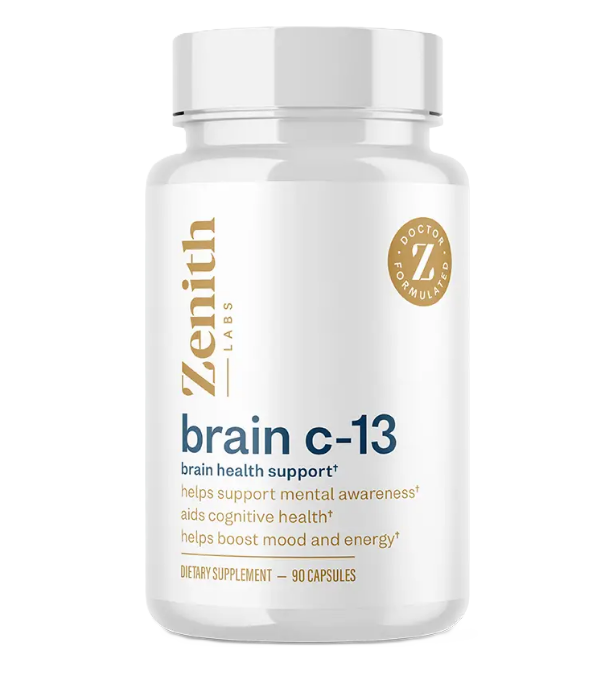
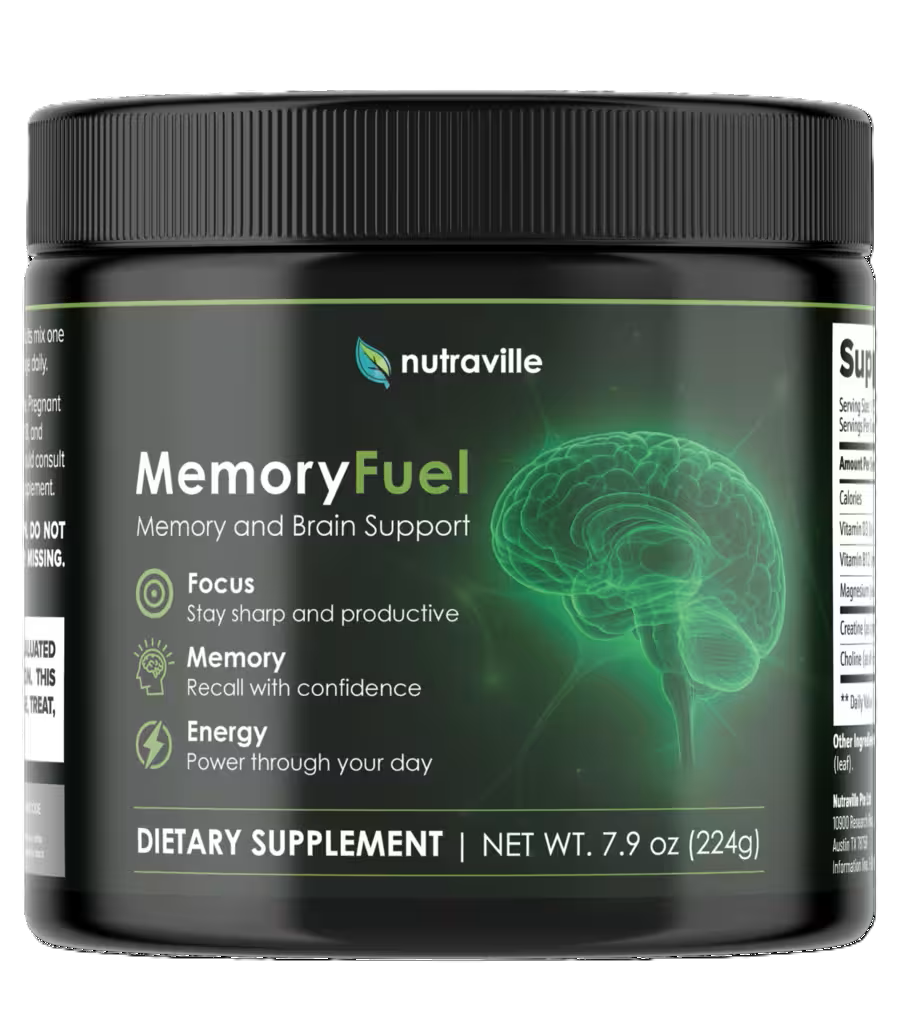
| Criteria | CogniCare Pro (this review) | Brain C-13 | MemoryFuel |
|---|---|---|---|
 |
 |
 |
|
| Primary Focus | Memory + Stress | Multi-pathway Nootropic | Memory Recall |
| Format | Capsule (1/day) | Capsule (3/day) | Capsule |
| Dose Disclosure | Proprietary blend | Fully disclosed | Partial |
| Best Price | $49/bottle | $49/bottle | $49/bottle |
| Guarantee | 90 days | 180 days | 60 days |
| Where to buy | Official Site → | Official Site → | Official Site → |
One capsule a day is the quiet advantage here. The formulas that work need eight weeks of perfect consistency, and the simplest routine is the one people actually finish.
7. Pricing Options for CogniCare Pro
CogniCare Pro is available in multiple package options designed to support different usage timelines. Many buyers choose a multi-bottle package because consistent daily use is what the formula is built around. Longer supply options also reduce the cost per bottle.
1 Bottle
30-Day Supply
- Secure Checkout
6 Bottles
180-Day Supply
- Secure Checkout
3 Bottles
90-Day Supply
- Secure Checkout
Every order is backed by a 90-day money-back guarantee. The official site is the only channel that guarantees an authentic bottle and honors that refund.
All 6-bottle orders include free US shipping and every package is backed by a 90-day money-back guarantee. Only available through the official website. Not sold on Amazon or in retail stores. Full analysis: Pricing Breakdown →
8. The Mechanism: Why Three Pathways, Not One Nootropic
Most cognitive supplements pick one mechanism — a single nootropic or a high-stimulant blend — and bet everything on it. That produces short-term sharpness that fades, or jitters that crash. CogniCare Pro runs three pathways in parallel, with the most evidence-supported botanicals in cognitive research, deliberately layered for daily use rather than acute push.
Neurotransmitter Precursor Layer. L-Tyrosine is the direct precursor to dopamine and norepinephrine — the neurotransmitters behind attention, motivation, and mental processing speed. B-vitamins (B1, B6, B12) are essential cofactors for that neurotransmitter synthesis. Without the precursors and cofactors, the brain can’t produce enough of the neurotransmitters that drive focus and drive — this layer addresses the raw-material side.
Memory and Acetylcholine Layer. Bacopa Monnieri is one of the most studied botanicals for memory — supporting synaptic communication and memory consolidation over 8–12 weeks of use. Huperzia Serrata provides Huperzine A, a natural acetylcholinesterase inhibitor that preserves acetylcholine (the neurotransmitter most tied to memory and learning). Two angles on the same neurotransmitter system — building it up while slowing its breakdown.
Stress Adaptation Layer. Rhodiola Rosea is classified as an adaptogen with solid evidence for mental fatigue under stress. This is the layer that produces the fastest perceived effect — within days to weeks rather than the 8–12 weeks Bacopa needs. Cortisol from chronic stress directly impairs cognitive function; Rhodiola helps reduce that impairment so the other layers have a chance to work without being undermined.
Mild Energy Layer. Green Coffee Bean and Theobromine provide steady daytime alertness without the caffeine spike or crash. Not a stimulant rush — just enough lift to support the cognitive layers without dominating them. This is the layer that differentiates CogniCare Pro from typical “loaded with caffeine” nootropics.
How it runs together: the precursor layer provides raw materials. The acetylcholine layer optimizes the signal. The stress adaptation layer prevents cortisol from undoing the work. The energy layer maintains alertness throughout. Three primary pathways plus the mild energy support — designed for sustainable daily use rather than acute mental push.
Full Ingredient List
| Ingredient | Amount | Role in the Formula |
|---|---|---|
| L-Tyrosine | Proprietary blend | Amino-acid precursor to dopamine and norepinephrine — the neurotransmitters behind attention, motivation, and processing speed under cognitive stress. |
| Bacopa Monnieri | Proprietary blend | One of the most studied memory botanicals; RCTs show memory-consolidation and retention gains over 8–12 weeks of daily use. Slow but cumulative. |
| Rhodiola Rosea | Proprietary blend | Adaptogen with real evidence for reducing mental fatigue under stress. Faster-acting than Bacopa (days to weeks). |
| Huperzia Serrata (Huperzine A) | Proprietary blend | Natural acetylcholinesterase inhibitor — slows the breakdown of acetylcholine, preserving the neurotransmitter most tied to memory signaling. |
| Green Coffee Bean Extract | Proprietary blend | Mild natural caffeine plus chlorogenic-acid polyphenols — alertness without the spike of a full coffee. |
| Theobromine | Proprietary blend | A gentler cocoa-derived cousin of caffeine — smoother cognitive energy with less adrenergic stimulation. |
| Vitamin B1 (Thiamine) | Disclosed on label | Cofactor in neuronal energy metabolism; deficiency is directly linked to cognitive impairment in older adults. |
| Vitamin B6 (Pyridoxine) | Disclosed on label | Required to synthesize dopamine, serotonin, and GABA — the neurotransmitters behind mood, focus, and calm cognition. |
| Vitamin B12 (Cobalamin) | Disclosed on label | Critical for myelin maintenance and neuronal function; B12 deficiency is a known driver of reversible cognitive symptoms. |
The B-vitamins are disclosed individually; the seven botanicals are combined in a proprietary blend — a formulation choice, not an omission. Each botanical is named on the label, and the seven are built to run together as one daily dose rather than as milligrams itemized for a single ingredient.
What these terms actually mean:
- Acetylcholine
- Think of it as the brain’s “memory ink” — the signaling chemical you use to record and recall. It fades with age; Huperzine A slows how fast it gets erased.
- Adaptogen
- A compound that helps your body dial the stress response up or down instead of blocking it — so cortisol stops hijacking your focus. That’s Rhodiola’s job here.
- Neurotransmitter precursor
- The raw material your brain converts into a signaling chemical. L-Tyrosine is the precursor to dopamine — no raw material, no signal, no drive.
- Cognitive endurance
- How long you can stay sharp before the mental fog rolls in — the difference between a focused morning and a foggy 3 p.m.
Realistic Week-by-Week Timeline
CogniCare Pro is built around delayed gratification — early weeks deliver modest wins while Bacopa builds toward the real memory gains. Here's what the layers actually deliver, and when:
| Timeframe | What to Expect | Driven By |
|---|---|---|
| Week 1–2 | Subtle reduction in brain fog; mild, steady daytime alertness without a caffeine crash; slightly better mood under stress. | Green Coffee + Theobromine; early Rhodiola |
| Week 3–4 | Clearer focus on demanding tasks; less mid-afternoon fatigue; more resilience to stress without feeling “wired.” | Rhodiola + L-Tyrosine + B-vitamins |
| Week 5–8 | Early memory wins — faster word recall, fewer “walked into a room and forgot why” moments; focus feels more automatic. | Huperzine A; Bacopa starting to build |
| Week 9–12 | Where Bacopa earns its reputation — meaningful memory consolidation and cognitive endurance; longer focused windows without burnout. | Bacopa Monnieri peak effect |
| Beyond Week 12 | Maintenance — benefits plateau but persist with daily use; stopping typically returns baseline over 2–4 weeks. | Full formula steady state |
When to judge it: weeks 8–12 are the real test window — if you quit after a month, you're only testing the fast-acting half of the formula. Consistency, hydration, sleep, and taking it with a morning meal all amplify the result. The 90-day guarantee exists precisely to cover this timeline.
9. Side Effects & Safety
CogniCare Pro is made in a GMP-certified, FDA-registered US facility and, for most healthy adults, is well tolerated at the recommended one-capsule-daily dose. The side effects that do show up are usually mild, dose-related, or tied to the formula’s small caffeine layer — and most have a simple fix.
| Possible Side Effect | Likely Cause | What to Do |
|---|---|---|
| Mild stomach discomfort | Bacopa Monnieri on an empty stomach | Take with a meal — this usually resolves it completely. |
| Jitters or mild anxiety | Green Coffee Bean + Theobromine | Monitor total caffeine; the dose is small but adds up with coffee. |
| Difficulty sleeping | Taking it too late in the day | Take in the morning or early afternoon — avoid after 2 p.m. if sensitive. |
| Mild headache | Adjustment period or caffeine interaction | Usually clears in 1–2 weeks; stay hydrated and watch total caffeine. |
| Vivid dreams | Higher acetylcholine from Huperzine A | Usually harmless; if disruptive, consult a doctor before continuing. |
Check with your doctor first if you:
- Take acetylcholinesterase inhibitors (Aricept/donepezil, Exelon/rivastigmine, Razadyne/galantamine) — Huperzine A works through the same mechanism, and stacking can cause excess cholinergic stimulation. Do not combine without supervision.
- Take antidepressants (SSRIs, SNRIs, and especially MAOIs) — L-Tyrosine influences dopamine and norepinephrine pathways.
- Take blood-pressure or anticoagulant medication — Rhodiola can modestly affect BP; monitor in the first 2–3 weeks. Discuss blood thinners with your doctor.
- Are pregnant or nursing, under 18, or have a cardiac arrhythmia or seizure disorder — this formula isn’t indicated for these groups without medical guidance.
As with any supplement, this is cognitive support — not a treatment for any diagnosed condition. Tell any healthcare provider you're taking it, especially before surgery.
10. Final Verdict
Your fingers know the password. Your head, for a moment, does not. CogniCare Pro gets the fundamentals right: Bacopa, Rhodiola, and Huperzia are three of the most evidence-supported natural cognitive compounds available, combined with L-Tyrosine and B-vitamins to support the underlying neurotransmitter machinery. The mild stimulant layer from Green Coffee and Theobromine delivers steady alertness without the caffeine crash cycle that derails so many adults over 45.
CogniCare Pro is a focused formula rather than an everything-in-one-capsule brain stack — it leaves out a choline donor like Citicoline by design, favoring three botanicals it can dose consistently for gentle daily use. For adults who want a gentle, science-informed daily support routine and who commit to the 8–12-week window these botanicals need to work, the formula makes sense.
Our recommendation: Here's the honest package math. One bottle is 30 days — not enough to judge a formula that works over several weeks. The 3-bottle bundle is the minimum for a fair trial; the 6-bottle bundle is the best per-bottle price and leaves you a reserve to keep going for fuller results. The guarantee is your safety net if it's not for you.
11. Frequently Asked Questions
Does CogniCare Pro actually work for cognitive decline?
The core botanicals — Bacopa Monnieri, Rhodiola Rosea, and Huperzia Serrata — have real research behind them for memory support, stress-related mental fatigue, and acetylcholine preservation. Most users report meaningful changes in focus and recall between weeks 4 and 12 of daily use. It does not treat or reverse medical conditions — it supports the biological systems involved in cognition.
How long until I see results?
Subtle changes in clarity and focus can appear within 2–4 weeks, primarily from L-Tyrosine, B-vitamins, and Rhodiola. Meaningful memory and cognitive endurance improvements require 8–12 weeks of consistent use because Bacopa works slowly. Full timeline: Results Timeline →
Is CogniCare Pro safe?
Most adults tolerate it well. The mild stimulant layer (Green Coffee + Theobromine) is lower than a cup of coffee, but caffeine-sensitive users should monitor tolerance. Anyone on acetylcholinesterase inhibitors like donepezil (Aricept), blood pressure medication, or antidepressants should consult a doctor before starting. Details: Safety Quick-Check →
Where should I buy it?
Only through the official website. Third-party sellers are not authorized and purchases there don't qualify for the 90-day money-back guarantee.
How does it compare to Brain C-13 or MemoryFuel?
Brain C-13 is more transparent (fully disclosed doses, includes Cognizin Citicoline, 180-day guarantee) and is arguably a stronger choice for someone who wants a complete daily brain stack. CogniCare Pro is gentler, simpler (1 capsule vs 3), and lighter on stimulant load — better suited for adults who want a mild, long-term routine without cycling or dose tracking.
When should I talk to a doctor before taking CogniCare Pro?
Talk to your doctor before starting if you take acetylcholinesterase inhibitors (donepezil/Aricept, rivastigmine/Exelon, galantamine/Razadyne) — there is a real mechanism overlap with Huperzine A. Also consult a physician if you take antidepressants, blood pressure medication, or blood thinners, if you have a diagnosed cognitive condition like MCI or dementia, or if you are pregnant or nursing. Persistent memory issues that worsen over weeks should always be evaluated by a healthcare professional — no supplement replaces medical care.
INGREDIENT TAGS
FORMAT
Research & Transparency
This content is based on publicly available ingredient research, manufacturer disclosures, and product labeling. We are not affiliated with the manufacturer.
(a) Comparative effects of Bacopa monnieri and Ginkgo biloba on cognitive function — systematic review. Phytomedicine 2026
(b) The effect of plant active substances on cognitive function in healthy older adults — systematic review. Frontiers in Pharmacology 2025
(c) Memory — the reference we use for what normal age-related change looks like and when it warrants a doctor. MedlinePlus / NIH
(d) What we know about healthy aging — the agency read on what actually holds up cognition over time. NIH / NIA
About the Author
Luciano Cesar is a contributor at The Supplement Post, supporting the production of evidence-aware supplement reviews and buyer's guides across multiple health categories. His work spans ingredient analysis, formulation assessment and consumer-oriented summaries — what a label discloses, how the stated doses compare with the amounts used in published human research, and whether a formula's design matches what it claims to do. Every review is checked by The Supplement Post editorial team against the standards published in our editorial policy before it goes live.
Disclosure
All content is for informational purposes only and is not a substitute for professional medical advice. Each product reviewed is a dietary supplement, not a prescription drug. Results may vary based on individual health status, consistency of use, and lifestyle. This page may contain affiliate links — if you purchase through them, we may earn a small commission at no additional cost to you. Read our Editorial Policy.