
Prostatitis Treatment: What Supplements Can Help, and What They Cannot
Supplements have a real role in chronic prostatitis -- a narrower, more honest role than the marketing suggests. This guide draws the line: what they can do, what they can't, and how to tell which type of prostatitis you're actually dealing with.

The narrow lane where supplements actually help with prostatitis -- and the line that no formula can cross.
Prostatitis is one of those conditions where the search results either oversell or undersell what supplements can do. Some ingredients have real human research for chronic pelvic pain and inflammation balance -- quercetin in particular. Other claims you'll see are pure marketing, especially anything promising to "cure" prostatitis or replace antibiotics.
The honest answer sits between the two extremes. Once you know which type of prostatitis you're dealing with -- and which mechanisms supplements actually act on -- the choice gets simpler. This guide gives you that filter.
Quick Answer
Can supplements actually help with prostatitis?
Yes -- in chronic and non-bacterial prostatitis, ingredients with active human research (quercetin, saw palmetto, beta-sitosterol, zinc, pygeum) can support inflammation balance and pelvic comfort over 4-8 weeks of consistent use. What they can't do: cure prostatitis, replace antibiotics for bacterial infections, or fix acute flare-ups overnight. The science is still expanding, but the lane where supplements help is well-defined enough to act on.
Key Insights
- Quercetin has the most direct human research for chronic pelvic pain syndrome -- and it's an ingredient you'll find in surprisingly few prostate formulas.
- Realistic timeline is 4-8 weeks of daily consistency; the men who quit at week 2 rarely see what a quercetin-saw palmetto-zinc stack can actually do.
- Acute symptoms (fever, severe pain, blood in urine) sit completely outside the supplement lane -- those are antibiotics-and-doctor territory, full stop.
In this guide:
- What Prostatitis Is and How It Differs from BPH
- Common Prostatitis Symptoms
- Where Supplements Actually Help (and Where They Don't)
- Prostatitis Supplements: What the Evidence Actually Shows
- Which Formula Fits Which Symptom Pattern
- Natural Strategies That Complement Supplements
- Common Mistakes Men Make with Prostatitis Supplements
- Final Verdict
- FAQs
What Prostatitis Is and How It Differs from BPH
Prostatitis refers to inflammation of the prostate gland and can affect men of any age. Unlike enlarged prostate (BPH), prostatitis is often defined by pain, discomfort, and inflammatory symptoms rather than prostate size.
Prostatitis can present in different forms, including acute bacterial prostatitis, chronic bacterial prostatitis, and chronic non-bacterial prostatitis (often called chronic pelvic pain syndrome). Identifying the type helps determine the appropriate treatment pathway and whether supplements have a realistic role.
| Feature | Prostatitis | BPH (Enlarged Prostate) |
|---|---|---|
| Primary cause | Inflammation, infection, or pelvic tension | Age-related prostate tissue growth |
| Main symptoms | Pelvic pain, burning urination, ejaculatory discomfort | Weak stream, frequent urination, nocturia |
| Age group | Any age, including younger men | Typically men over 50 |
| Role of supplements | Supportive only, alongside medical care | More commonly used as standalone support |
Common Prostatitis Symptoms
Symptoms vary by type and severity, but commonly include:
- Pelvic, perineal, or groin discomfort
- Burning or irritation during urination
- Pain during or after ejaculation
- Lower back or lower abdominal discomfort
- Urinary urgency or frequency
Because these symptoms can overlap with BPH and other conditions, a clear clinical evaluation is important -- especially if symptoms are severe, persistent, or worsening. Men who notice bladder control and urinary flow changes alongside pelvic pain should consider a comprehensive evaluation.
Where Supplements Actually Help (and Where They Don't)
What Supplements Can Do
For chronic and non-bacterial prostatitis, the right stack can shift inflammation balance, ease oxidative stress on prostate tissue, and reduce pelvic discomfort between flare-ups. The effects are real but cumulative -- the formula sets the conditions, and your body does the work over weeks.
What Supplements Can't Do
No supplement treats bacterial infections, substitutes for antibiotics, or stops an acute flare-up overnight. If you have fever, severe pain, or blood in urine, you're outside the supplement lane -- that's a doctor visit, not a supplement question.
Prostatitis Supplements: What the Evidence Actually Shows
Most prostate-health ingredients you'll see in formulas were studied first for BPH. A few have direct prostatitis research; the others contribute through overlapping mechanisms (inflammation balance, oxidative stress, tissue support). Here's the honest read on each.
Quercetin
Quercetin is the prostatitis ingredient with the strongest direct evidence. A landmark small clinical trial in men with chronic pelvic pain syndrome showed meaningful symptom relief at 500 mg twice daily for several weeks, and the result has held up in subsequent research. If you're optimizing one ingredient for prostatitis, this is it.
Saw Palmetto
Saw palmetto is the most-studied prostate botanical overall, with strong evidence for BPH and overlapping anti-inflammatory benefit for the prostatitis environment. It pairs well with quercetin -- one is direct, the other is supportive.
Beta-Sitosterol
Beta-sitosterol has multiple human trials for urinary flow and inflammation, mostly in BPH contexts. The anti-inflammatory mechanism carries over to prostatitis comfort, even if direct prostatitis trials are still limited.
Zinc
Healthy prostate tissue holds high zinc concentrations; inflamed prostates show lower zinc. That correlation has driven decades of zinc supplementation in prostate stacks. It's a long-game support ingredient -- meaningful for tissue resilience, not for symptom relief in the first week.
Pygeum
Pygeum bark extract brings anti-inflammatory and anti-edema effects. Most of the research is BPH-focused, but the mechanisms map onto prostatitis-related tissue stress, which is why it shows up in better multi-ingredient formulas.
One honest note on the research: the science on prostatitis-specific dosing and ingredient combinations is still expanding. New trials on quercetin, saw palmetto stacks, and pelvic floor co-interventions are published every year. What's already settled is enough to make a smart choice today; the field is getting clearer, not less so.
| Ingredient | Prostatitis Relevance | Evidence Level | Best For |
|---|---|---|---|
| Quercetin | Direct anti-inflammatory for CPPS | Moderate (small clinical trials) | Chronic prostatitis / pelvic pain |
| Saw Palmetto | Indirect inflammation reduction | Strong for BPH, indirect for prostatitis | Overlapping BPH and prostatitis symptoms |
| Beta-Sitosterol | Anti-inflammatory support | Strong for BPH, limited for prostatitis | Urinary symptoms with inflammatory component |
| Zinc | Prostate immune and tissue support | Observational / mechanistic | Men with low zinc status |
| Pygeum | Anti-edema, anti-inflammatory | Moderate for BPH, indirect for prostatitis | Urinary flow and tissue comfort |
Which Formula Fits Which Symptom Pattern
Prostatitis isn't one condition with one solution. Pelvic pain with inflammation, urinary discomfort, circulation-related pressure, and recurring flare-ups all respond to slightly different ingredient profiles. Here's how the leading prostate stacks line up.
| Supplement | Primary Strategy | Best Fit For |
|---|---|---|
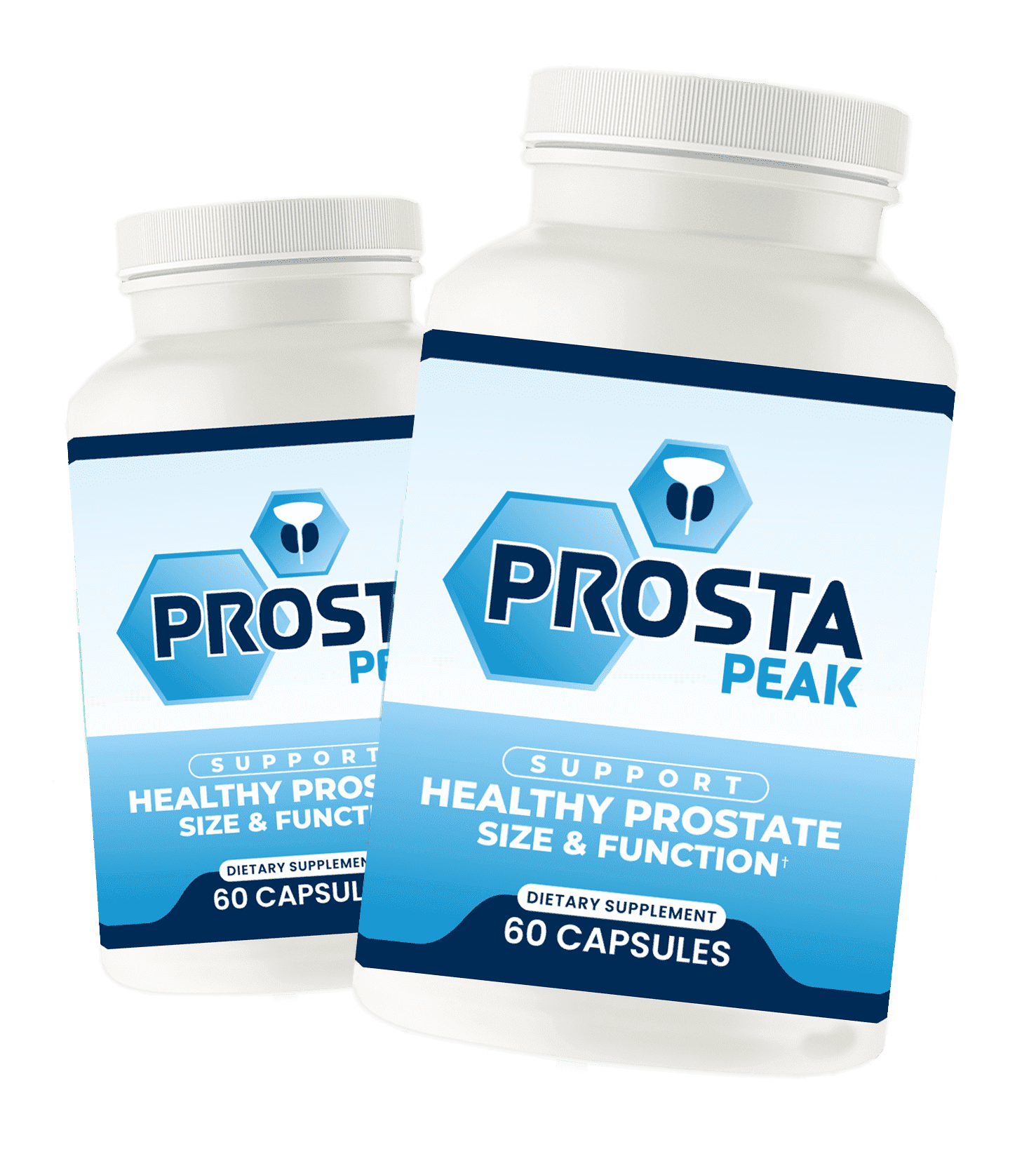
| ProstaPeak | 20-botanical broad stack covering inflammation, oxidative stress, and tissue support | Men who want multi-pathway coverage in one formula |
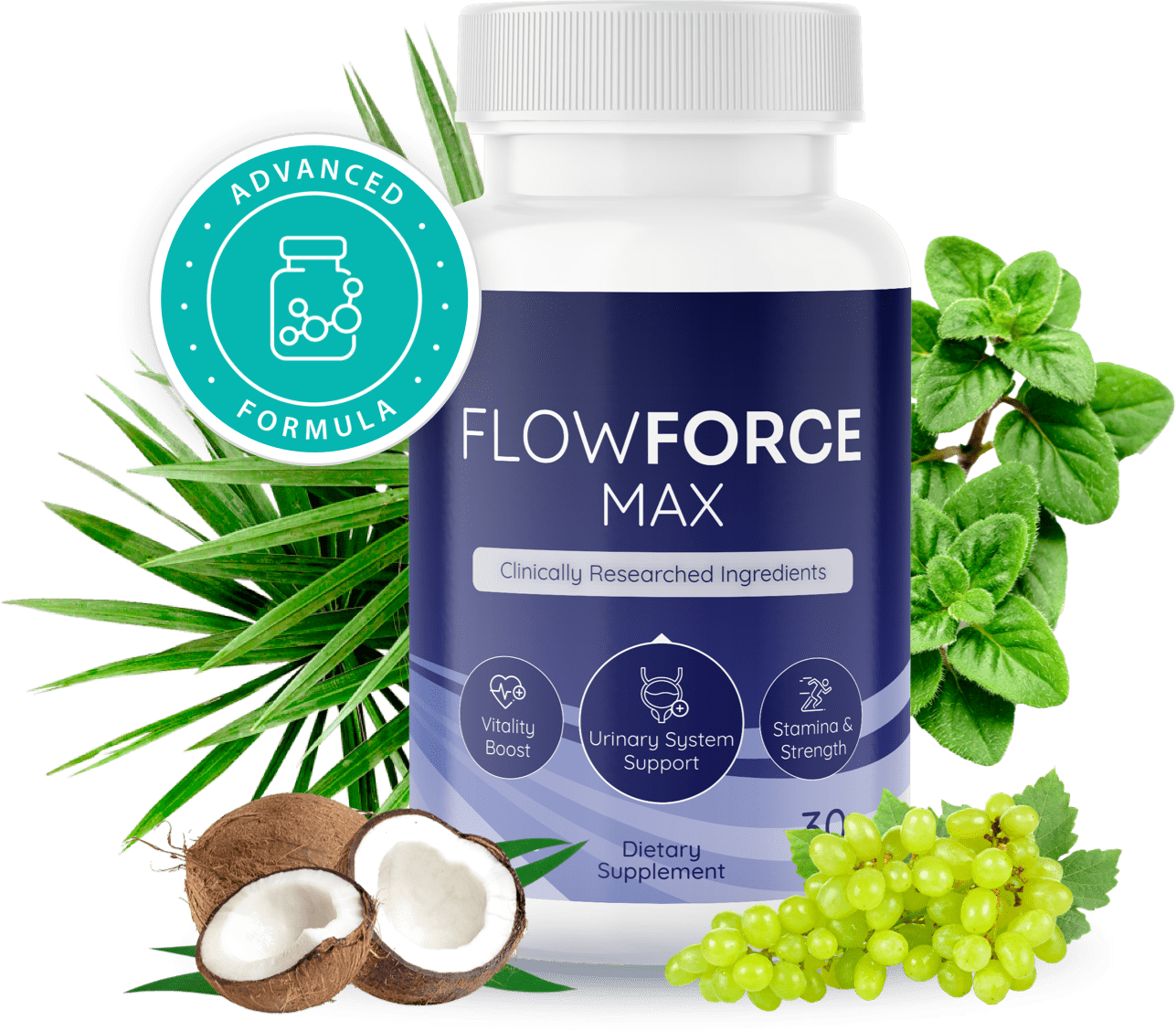
| FlowForce Max | Prostate tissue support and oxidative balance | Mild symptoms without acute infection; maintenance use |
Match the formula to your dominant symptom, give it 4-8 weeks, and track changes. Medical evaluation always comes first when symptoms are acute or unclear.
Natural Strategies That Complement Supplements
Inflammation and Stress Management
Stress and chronic inflammatory load can worsen symptom patterns for some men. Sleep quality, stress regulation, and consistent routines often matter more than people expect in long-term prostatitis comfort. Men dealing with dietary triggers should also review their food choices, as certain foods can intensify inflammation.
Hydration and Avoiding Irritants
Hydration and limiting common irritants (caffeine, alcohol, spicy foods) can help reduce urinary discomfort and sensitivity during flare-ups. Consistency tends to outperform aggressive, short-term changes.
Pelvic Floor Awareness
Chronic prostatitis, especially non-bacterial types, is often linked to pelvic floor tension. Physical therapy targeting the pelvic floor has shown meaningful results in some men and may complement supplement-based strategies.
Consistency Over Quick Fixes
Prostatitis symptom improvement is often gradual. A measured approach -- tracking patterns and staying consistent with supportive strategies -- usually produces a clearer sense of what helps and what does not.
Common Mistakes Men Make with Prostatitis Supplements
- Expecting supplements to replace medical treatment. That can delay appropriate care, especially for bacterial prostatitis.
- Stacking too many products at once. It becomes harder to identify what helps and what irritates.
- Judging outcomes too quickly. Chronic comfort support often takes weeks of consistent use before patterns shift.
- Ignoring symptom triggers. Patterns matter -- flare-ups often have identifiable dietary, stress, or activity drivers.
- Choosing single-ingredient products. Multi-ingredient formulas that address inflammation, oxidative stress, and tissue health through different pathways tend to offer broader support.
Recommended Products
Final Verdict: A Real Lane, With Real Limits
Prostatitis isn't a category where you have to choose between "supplements work" and "supplements are a scam" -- the truth is more useful than either extreme. For chronic and non-bacterial prostatitis, ingredients like quercetin, saw palmetto, beta-sitosterol, zinc, and pygeum have a real role in shifting inflammation balance and pelvic comfort over time. The science is still expanding -- which is good news, not a reason to wait.
The conditions for it to work: pick a formula with multi-pathway coverage (not a single-ingredient pitch), commit to 4-8 weeks of daily consistency, and pair it with the basics -- hydration, irritant awareness, pelvic floor attention, and an honest conversation with your doctor about ruling out bacterial causes. Supplements have a lane; just don't ask them to do something outside it.
FAQs
Can supplements cure prostatitis?
No -- but they have a real, narrower role. For chronic and non-bacterial prostatitis (the most common type), ingredients like quercetin, saw palmetto, and zinc can support inflammation balance and pelvic comfort over weeks of consistent use. For bacterial prostatitis, antibiotics are non-negotiable; supplements only fit alongside the medical plan, not in place of it.
What is the best supplement for prostatitis inflammation?
Quercetin has the most direct human research for chronic pelvic pain syndrome and prostatitis-related inflammation. Saw palmetto, beta-sitosterol, and zinc add complementary anti-inflammatory and tissue-support effects. Multi-ingredient formulas that hit several pathways tend to outperform single-ingredient products in real-world use.
What is the difference between prostatitis and BPH?
BPH is prostate enlargement causing urinary obstruction (slow stream, frequency). Prostatitis is inflammation causing pelvic pain, burning, and discomfort -- and can hit men of any age, including 30s and 40s. Symptoms overlap, which is why a clinical evaluation matters before deciding what to try.
How long does it take for prostatitis supplements to work?
Plan for 4-8 weeks of consistent daily use before evaluating. Some men notice flare-up patterns easing in the first 2-3 weeks; others need the full 8. The biggest mistake is quitting at week 2 because the formula 'didn't work' -- chronic inflammation rarely shifts that fast.
When should I see a doctor for prostatitis instead of taking supplements?
Skip the supplements and book an evaluation if you have fever, severe or worsening pelvic pain, difficulty urinating, blood in urine, or frequent recurrence. Acute bacterial prostatitis is a medical situation -- supplements have no place there. Their lane is chronic, non-acute, after a doctor has ruled out infection.
About
Luciano Cesar is a contributor at The Supplement Post, supporting the production of evidence-aware supplement reviews and buyer's guides across multiple health categories. His work spans ingredient analysis, formulation assessment and consumer-oriented summaries — what a label discloses, how the stated doses compare with the amounts used in published human research, and whether a formula's design matches what it claims to do. Every review is checked by The Supplement Post editorial team against the standards published in our editorial policy before it goes live.
Disclosure
All content on The Supplement Post is for informational purposes only and is not a substitute for professional medical advice, diagnosis, or treatment. Each product is a dietary supplement, not a prescription drug; statements about its benefits have not been evaluated by the U.S. Food and Drug Administration (FDA) and the product is not intended to diagnose, treat, cure, or prevent any disease.
Results may vary based on individual health status, consistency of use, and lifestyle. If you are pregnant or nursing, taking medication, or have a medical condition, consult a qualified healthcare professional before using any supplement.
This page may contain affiliate links—if you purchase through them, The Supplement Post may earn a small commission at no additional cost to you. References to third-party sites are provided for convenience; we do not control or guarantee their content.