
Supplements for Urinary Symptoms: Which to Pick for Which Symptom (2026)
Different urinary symptoms — weak stream, nocturia, daytime frequency — respond to different formulas. Match the symptom to the supplement instead of picking generic.
See the Comparison ↓ Or skip to the decision tree
✓ Quick Answer
Three urinary supplements each target a different symptom pattern. TitanFlow leads with 500 mg Pumpkin Seed Oil plus Beta-Sitosterol for weak stream and hesitation. TC24 pairs Pine Pollen with Pygeum and Saw Palmetto, with strongest evidence for nocturia. FlowForce Max uses Graminex Flower Pollen plus circulation support, specifically for daytime urinary frequency. Pick based on your dominant complaint, not on which formula has the broadest claims.
Why your dominant symptom should pick the formula
Matching the formula to one symptom — not the broad category — is the more evidence-aligned move, and the data backs it:
What the data shows
- Most men have one symptom that dominates — and they search that way. Queries split between "weak urine stream," "nocturia," and "frequent urination," each its own distinct, rising trend through 2025 (Google Trends) — not a single generic "prostate" search.
- The audience is enormous and growing. Up to 40% of men older than 50 live with lower urinary tract symptoms (Wei et al., JAMA, 2025), so symptom-specific demand keeps expanding with an aging population.
- The ingredients map to specific symptoms in the evidence. Pumpkin seed and beta-sitosterol have the most direct flow-and-stream data; pine pollen and pygeum carry the strongest nocturia trials; flower-pollen extracts (Graminex) have the best daytime-frequency evidence.
- Generic "prostate support" averages across all of it. A broad blend spreads its doses thin; a formula that leads with the ingredient matched to your loudest symptom tends to hit clinical-range dosing where it counts.
The takeaway isn't that one formula is universally best — it's that the right one is whichever leads with the ingredient matched to your dominant complaint.
Why This Review (and Not Another One)
This isn't a manufacturer's landing page. We compare urinary supplements by their primary symptom target — not by brand or generic "prostate support" framing. We earn a commission if you buy through our links — that keeps the site free to read, not who we recommend.
Why Match the Supplement to the Symptom
BPH presents with multiple urinary symptoms, but most men have one that dominates the daily impact. A generic "best prostate supplement" doesn't necessarily address your dominant complaint better than a symptom-targeted formula. Weak stream involves bladder muscle and urethral resistance; nocturia involves bladder sensitivity and incomplete daytime emptying; daytime frequency involves prostate- mediated bladder capacity and inflammation — different mechanisms, different optimal ingredients.
Three urinary supplements lead with symptom-specific ingredients at clinical doses. For more on what causes weak urine stream, see our pumpkin seed extract research breakdown; for the early signs of BPH that warrant supplement consideration, see the BPH warning signs guide; for pygeum's specific mechanism, see our pygeum urinary flow article.
How These 3 Symptom-Targeted Formulas Differ
Each formula leads with an ingredient that has the strongest evidence for a specific urinary symptom.
TitanFlow
- Symptom TargetWeak stream, hesitation, dribbling
- Lead IngredientPumpkin Seed Oil 500mg + Beta-Sitosterol
- MechanismDirect bladder/urethral action
- Guarantee180-day
TC24
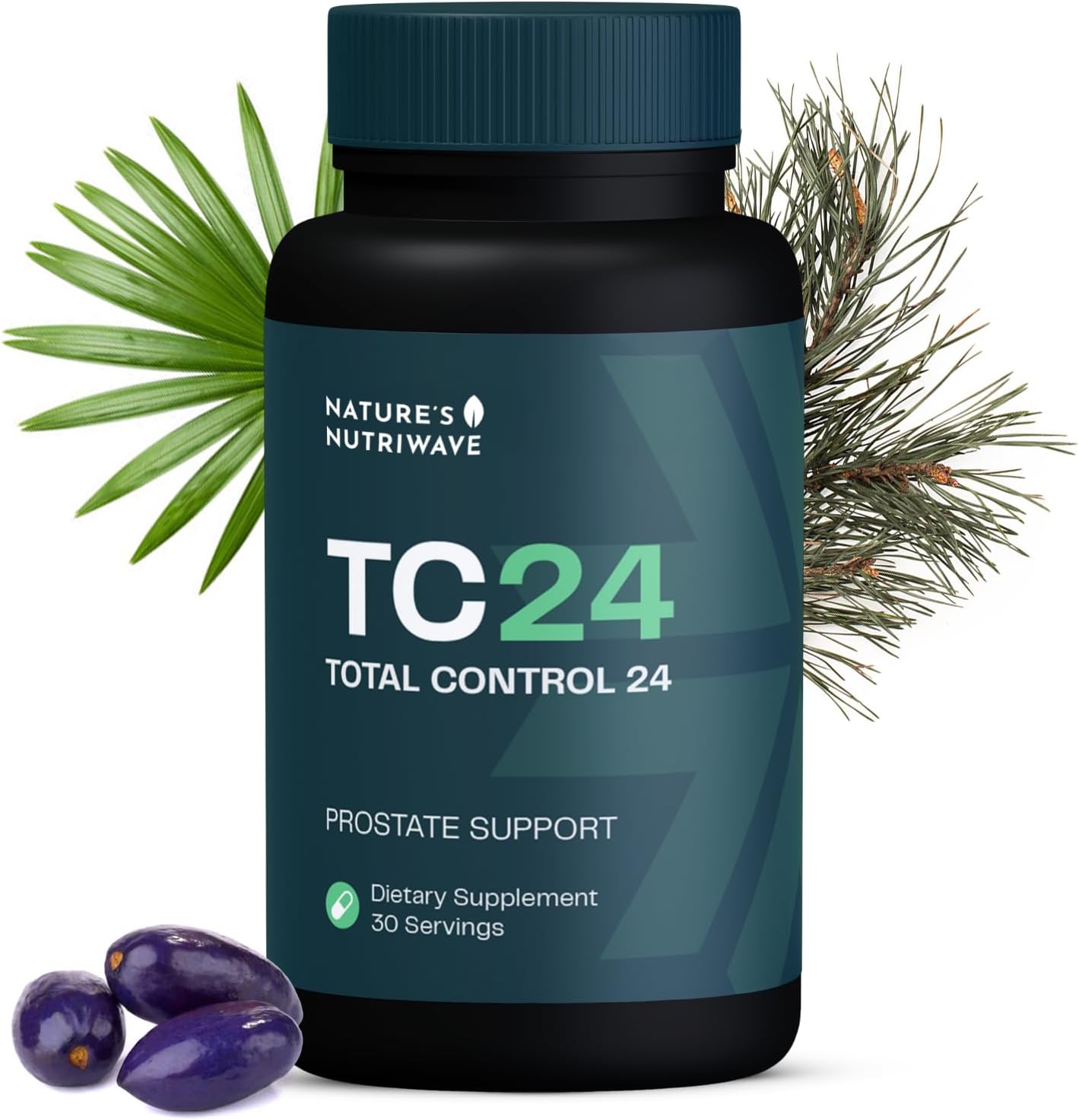
- Symptom TargetNighttime urination wake-ups
- Lead IngredientPine Pollen 500mg + Pygeum + Saw Palmetto
- MechanismPelvic circulation + 5-AR + anti-inflammatory
- Guarantee60-day
FlowForce Max
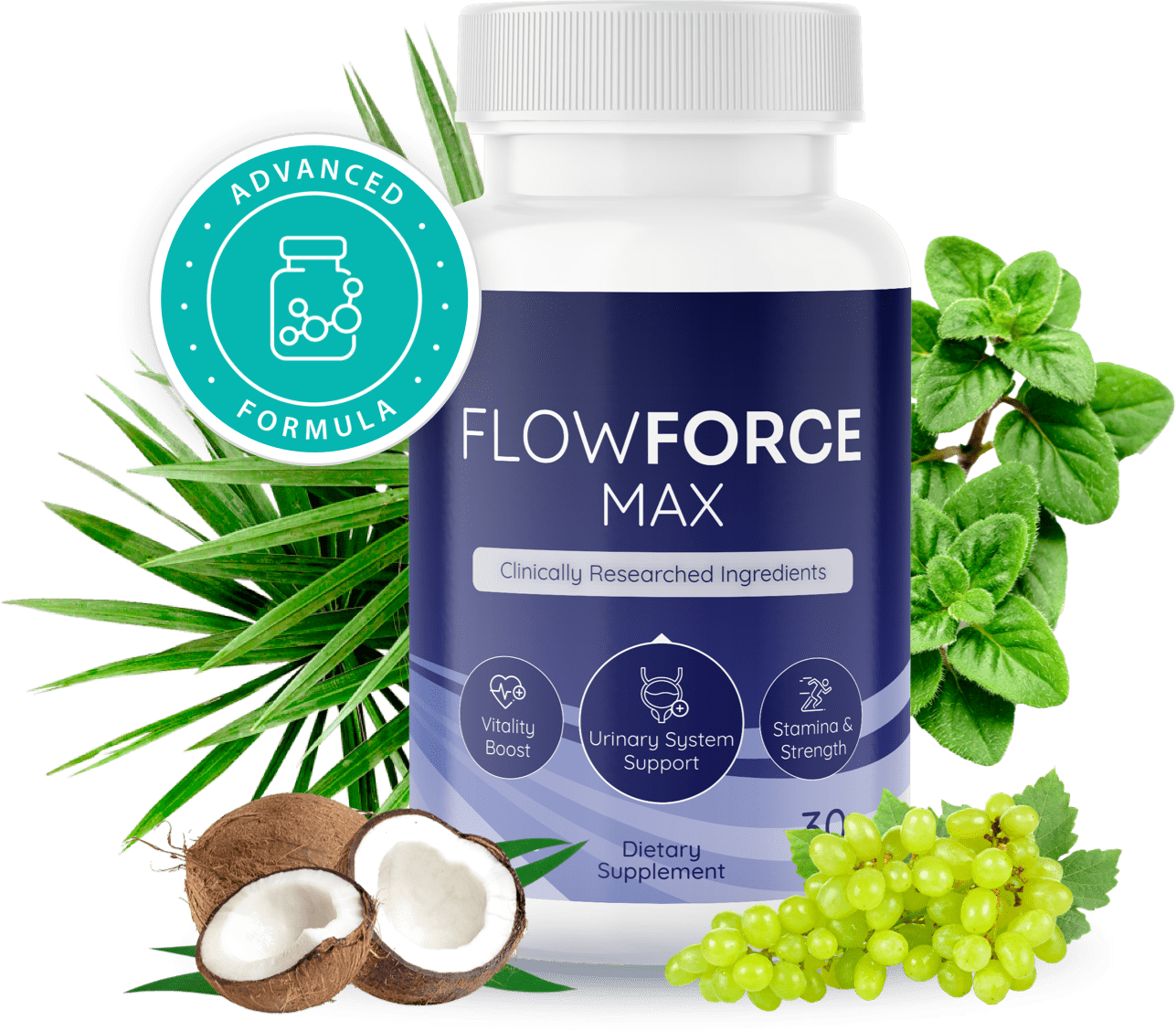
- Symptom TargetDaytime bathroom frequency, urgency
- Lead IngredientGraminex Flower Pollen + Grape Seed
- MechanismAnti-inflammatory + pelvic circulation
- Guarantee60-day
All three are USA-made and GMP-certified. The difference is which symptom each leads with — match to your dominant complaint.
Side-by-Side: Criteria Compared
Seven criteria that differ meaningfully across the three symptom targets.
What these terms actually mean:
- LUTS (lower urinary tract symptoms)
- The umbrella term for the whole cluster — weak stream, hesitation, urgency, frequency, and nighttime trips. Most men have one that dominates, which is the one your formula should target.
- Nocturia
- Waking up to urinate during the night — often the single most disruptive symptom because it wrecks sleep. Pine pollen and pygeum carry the strongest evidence here.
- Post-void residual
- How much urine stays in the bladder after you finish. Higher residual feeds both weak stream and frequent trips — improving it is part of how the flow-focused ingredients help.
- 5-alpha reductase (5-AR)
- The enzyme that converts testosterone into DHT, the hormone driving prostate growth. Saw palmetto mildly inhibits it — one of the levers behind several of these formulas.
- Pollen extracts (Graminex / pine pollen)
- Flower- and pine-derived extracts with anti-inflammatory and smooth-muscle effects on the bladder. Graminex has the best daytime-frequency data; pine pollen leans toward nighttime symptoms.
A Closer Look at Each Symptom Target
TitanFlow — Weak Stream and Hesitation
Weak stream usually reflects bladder muscle adaptation plus urethral resistance from prostate enlargement. TitanFlow leads with 500 mg of Pumpkin Seed Oil (with documented bladder and urethral effects) paired with a Beta-Sitosterol Complex (the most consistently positive BPH ingredient in head-to-head trials). The 180-day guarantee is the longest in the urinary category — meaningful evaluation margin for symptoms that shift over 8–12 weeks.
TC24 — Nocturia and Nighttime Sleep Disruption
Nocturia involves prostate-mediated incomplete emptying plus bladder sensitivity that's worse at night. TC24 pairs Pine Pollen (500 mg) with Pygeum (200 mg) and Saw Palmetto (300 mg) — three ingredients all targeting nighttime symptoms specifically. Once-daily capsule format supports the consistency that nocturia improvement requires.
FlowForce Max — Daytime Frequency and Urgency
Daytime frequency reflects bladder capacity issues plus prostate- mediated inflammation. FlowForce Max leads with Graminex Flower Pollen (with the strongest LUTS-frequency trial data of any pollen extract) plus ViNitrox and Grape Seed Extract for the pelvic circulation layer most prostate formulas skip. The chewable tablet format (one per day, no water needed) is unique in this category and supports the adherence that matters most for symptoms requiring 6–8 weeks of consistent use.
Which Is Right for You?
Identify your dominant symptom and match the formula to it.
Pick TitanFlow if
Weak stream, hesitation, or dribbling is your primary complaint. You notice the daytime symptom more than the nighttime one. You want the longest guarantee window for honest evaluation.
See TitanFlow → Pick TC24 if
Nocturia is your primary complaint (multiple nighttime wake-ups disrupting sleep). You want pine pollen and pygeum at clinical doses — the ingredients with the strongest nighttime evidence — in a once-daily routine.
See TC24 → Pick FlowForce Max if
Daytime frequency or urgency dominates (going every 90 minutes to 2 hours, urgency disrupting work and travel). You like the chewable format for adherence and want Graminex pollen with circulation support.
See FlowForce Max →Prefer the condition-level view? See our comparison of non-prescription BPH supplements.
Frequently Asked Questions
Why do different urinary symptoms need different supplements?
BPH presents with multiple symptoms but each man tends to have a dominant complaint. Weak stream and hesitation reflect bladder muscle and urethral pressure issues — these respond best to ingredients with direct bladder/urethral action (pumpkin seed oil, beta-sitosterol). Nocturia involves bladder sensitivity at night and incomplete daytime emptying — pine pollen and pygeum have specific trial data here. Daytime frequency reflects bladder inflammation and prostate-mediated capacity issues — pollen extracts (Graminex) have the strongest LUTS-frequency evidence. Generic prostate supplements address the broad category but miss the symptom-specific advantages.
Can one supplement address all three urinary symptoms?
Some multi-pathway formulas attempt this — but the trade-off is that each ingredient may be sub-clinical (below trial-tested doses). The formulas in this comparison each lead with a symptom-specific ingredient at clinical-range dosing. If your symptoms are evenly distributed (similar bothersome-ness across weak stream, nocturia, and frequency), a multi-pathway formula like Prostavive might fit better. If one symptom clearly dominates, a symptom-targeted formula generally performs better.
How do I know which symptom is my dominant complaint?
Track for a week. For each symptom, rate the daily impact on a 1–10 scale: how much weak stream/hesitation bothers you, how often nocturia wakes you up (count per night), how often daytime bathroom trips disrupt your activities. The symptom with the highest aggregate score is your dominant complaint and should drive your supplement choice. Don't pick based on which symptom 'feels worst right now' — over a week, patterns are clearer.
Can I switch supplements if my dominant symptom changes?
Yes — but give each supplement a full 8–12 week trial before evaluating. Switching too early prevents honest assessment. If after a fair trial the supplement isn't moving your dominant symptom, switch to one targeting that specific symptom rather than adding another supplement (stacking risks ingredient duplication and underdosing). If your symptom pattern genuinely shifts over months, the supplement strategy should shift with it.
Should I combine these supplements?
Not without a doctor's input. Each formula has overlapping ingredients (saw palmetto, pollen extracts, urinary herbs) that could compound at unsafe doses. They also influence overlapping pathways (5-alpha reductase, anti-inflammatory) that may interact with prescription BPH medications you take. Pick one formula matched to your dominant symptom and run it for the full evaluation window before considering changes.
When should I see a doctor about urinary symptoms?
If you experience urinary retention, blood in urine, painful urination, fever, recurring infections, kidney pain, severe nocturia (more than 3 wake-ups per night), or sudden symptom worsening — see a urologist immediately. A doctor can rule out infection, prostate cancer, diabetes, or other treatable causes. Symptom-targeted supplements support mild-to-moderate symptoms; they don't replace clinical evaluation when symptoms are severe or sudden.
This content was developed based on these references:
- “Lower Urinary Tract Symptoms in Men: A Review” JAMA. Sep 2025. pubmed.ncbi.nlm.nih.gov/40658396/
- “Nocturia in Men: Is the Prostate Really to Blame?” Urologic Clinics of North America. Nov 2025. pubmed.ncbi.nlm.nih.gov/41106987/
- “Discovering a New Nutraceutical Based on Pollen Extract and Teupolioside: A Prospective Monocentric Study Evaluating Its Role in Alleviating Lower Urinary Tract Symptoms in Benign Prostatic Hyperplasia Patients” Archivio Italiano di Urologia e Andrologia. Mar 2025. pubmed.ncbi.nlm.nih.gov/40162816/
- “The Use of Beta-Sitosterol for the Treatment of Prostate Cancer and Benign Prostatic Hyperplasia” American Journal of Clinical and Experimental Urology. Dec 2023. pubmed.ncbi.nlm.nih.gov/38148931/
- “Enlarged Prostate (Benign Prostatic Hyperplasia)” National Institutes of Health. www.niddk.nih.gov/health-information/urologic-diseases/prostate-problems/prostate-enlargement-benign-prostatic-hyperplasia
About
Luciano Cesar is a contributor at The Supplement Post, supporting the production of evidence-aware supplement reviews and buyer's guides across multiple health categories. His work spans ingredient analysis, formulation assessment and consumer-oriented summaries — what a label discloses, how the stated doses compare with the amounts used in published human research, and whether a formula's design matches what it claims to do. Every review is checked by The Supplement Post editorial team against the standards published in our editorial policy before it goes live.
Disclosure
All content on The Supplement Post is for informational purposes only and is not a substitute for professional medical advice, diagnosis, or treatment. Each product is a dietary supplement, not a prescription drug; statements about its benefits have not been evaluated by the U.S. Food and Drug Administration (FDA) and the product is not intended to diagnose, treat, cure, or prevent any disease. Results may vary based on individual health status, consistency of use, and lifestyle. If you are pregnant or nursing, taking medication, or have a medical condition, consult a qualified healthcare professional before using any supplement. This page may contain affiliate links—if you purchase through them, The Supplement Post may earn a small commission at no additional cost to you. References to third-party sites are provided for convenience; we do not control or guarantee their content.