
Early vs Advanced Prostate Symptoms: Don't Ignore the Signs Before It's Too Late
Prostate issues rarely start with dramatic alarms. They usually begin as "small inconveniences" — until the urinary system stops compensating. Here's how to tell early symptoms from advanced symptoms, what the differences mean biologically, and when to take action.

A stage-based guide: what "early" often feels like, what "advanced" usually signals, and why timing matters for prostate and urinary comfort decisions.
In this guide:
- Understanding the Prostate: Why Symptoms Develop Gradually
- Early Prostate Symptoms: The Subtle Warnings
- Advanced Prostate Symptoms: When the System Is Under Strain
- Early vs Advanced Prostate Symptoms - Side-by-Side Comparison
- Why Acting Early Matters
- How Supplements Fit Into Early-Stage Support
- When to See a Doctor Immediately
- FAQs
- Final Thoughts
If prostate problems were always dramatic, most men would act sooner. But they're not. They begin quietly — a slightly weaker stream, a subtle delay before urine starts, waking once at night instead of sleeping through. That's exactly why so many men wait.
The challenge is that early prostate symptoms and advanced prostate symptoms can feel like part of the same gradual decline — when in reality, they signal very different stages of biological stress. And while lifestyle adjustments and evidence-based prostate support formulas like Prostavive and Prostadine are often explored early for structured support, advanced symptoms may require far more aggressive medical evaluation.
Understanding the difference is not about fear. It's about timing.
Understanding the Prostate: Why Symptoms Develop Gradually
The prostate is a small gland located just below the bladder and surrounding the urethra. Its primary function is to support seminal fluid production — but structurally, its position is what makes symptoms so noticeable.
As men age, the prostate often enlarges. This is commonly referred to as benign prostatic hyperplasia (BPH). Enlargement doesn't happen overnight. It develops slowly due to:
- Hormonal shifts (especially DHT influence)
- Low-grade chronic inflammation
- Tissue remodeling over decades
- Vascular and metabolic stress
Because the urethra passes directly through the prostate, even small increases in size or inflammation can affect urine flow. Early symptoms reflect mild mechanical pressure. Advanced symptoms suggest significant obstruction, irritation, or possible complications.
Early Prostate Symptoms: The Subtle Warnings
Early-stage prostate symptoms are usually functional changes — not emergencies. They often include:
- Mildly weaker urine stream
- Slight delay before urination begins
- Increased frequency, especially at night (1-2 times)
- Feeling of incomplete emptying
- Occasional urgency
What's happening biologically?
At this stage, prostate tissue enlargement or inflammation is beginning to narrow the urethral channel. The bladder compensates by working harder. This compensation can last years.
Most men dismiss these signs because there is no pain, symptoms are inconsistent, and everything still feels "manageable." But this is often the most strategic time to intervene — when lifestyle optimization and structured daily support are still working with a system that can compensate.
Lifestyle optimization and structured supplementation aimed at inflammation modulation, hormone balance support, and urinary flow comfort are typically considered during this phase. For a broader overview, see our guide on best prostate supplements and what makes them worth considering.
Advanced Prostate Symptoms: When the System Is Under Strain
Advanced symptoms suggest the bladder and urinary system are struggling to compensate. These may include:
- Very weak or intermittent urine stream
- Frequent nighttime urination (3+ times)
- Urgency with leakage
- Straining to urinate
- Inability to fully empty bladder
- Recurrent urinary tract infections
- Visible blood in urine (requires immediate medical evaluation)
At this stage, obstruction may be more significant. The bladder wall can thicken over time due to chronic pressure. Residual urine may increase infection risk.
It's critical to understand: advanced symptoms do not automatically mean cancer — but they do require medical evaluation. The key distinction is severity, frequency, and progression speed.
Early vs Advanced Prostate Symptoms - Side-by-Side Comparison
The difference is not just intensity. It's loss of compensation.
| Feature | Early Symptoms | Advanced Symptoms |
|---|---|---|
| Urine Stream | Slightly weaker | Very weak or stops/starts |
| Night Urination | 1-2 times | 3+ times |
| Bladder Emptying | Mild incomplete feeling | Significant retention |
| Urgency | Occasional | Frequent, may cause leakage |
| Straining | Rare | Common |
| Complications | Uncommon | Infections, retention risk |
*If symptoms are escalating quickly, the safest move is medical evaluation first — then supportive routines can be discussed with clearer context.*
Why Acting Early Matters
There's a structural reality to prostate progression: compensation eventually fails. When the bladder has to push harder for years, its muscle fibers thicken. Over time, elasticity decreases. That's when symptoms escalate.
Early intervention focuses on:
- Reducing inflammatory signaling
- Supporting healthy hormonal pathways
- Improving urinary comfort
- Promoting tissue balance
This is where structured prostate support formulas are commonly considered as part of a broader strategy — not as a "quick fix," but as consistency-based support. You can also review our article on natural prostate support vs miracle cures to understand what realistic outcomes look like.
How Supplements Fit Into Early-Stage Support
Supplements are not replacements for medical care. They are typically positioned as supportive tools — especially during early symptom phases.
High-quality prostate formulas often include ingredients associated with:
- DHT pathway modulation
- Anti-inflammatory botanical extracts
- Antioxidant support
- Urinary flow optimization
For a deeper look at how ingredients interact with prostate biology, see our guide on hormonal balance, prostate health and sexual performance.
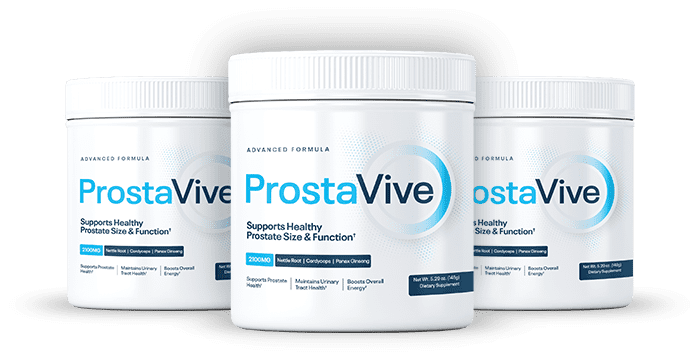
Prostavive
Overview: Formulated to support prostate size balance, urinary comfort, and inflammatory modulation.
Best for: Men noticing early urinary changes who want structured daily support.
Strengths:
- Focus on long-term tissue balance
- Designed for consistent daily use
- Targets multiple prostate pathways
Consideration: Works best when symptoms are mild to moderate.
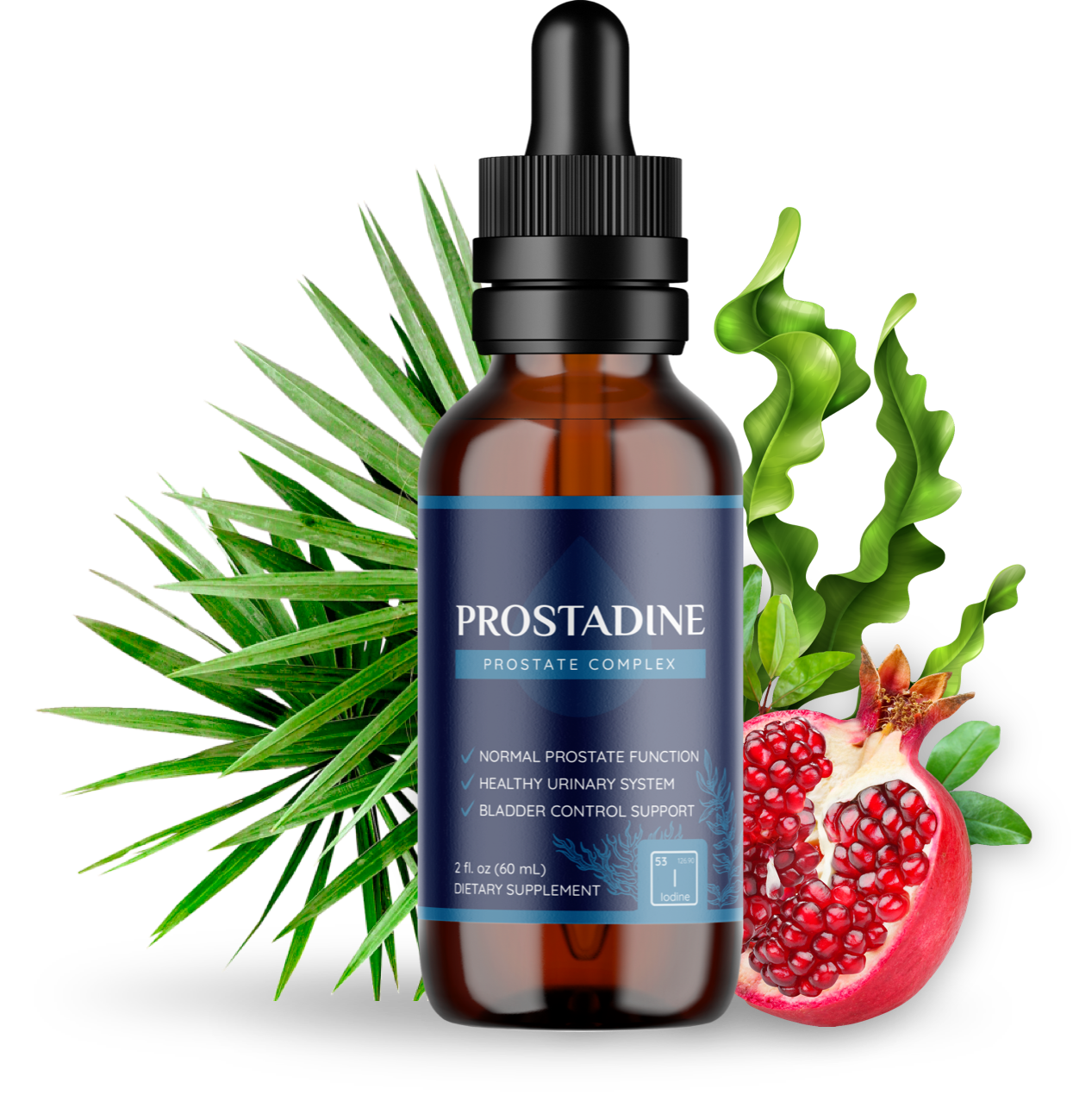
Prostadine
Overview: Liquid-based prostate support formula emphasizing inflammation and detoxification pathways.
Best for: Men preferring liquid supplements and early-stage proactive support.
Strengths:
- Absorption-focused delivery
- Emphasis on urinary comfort
- Suitable for daily routines
Consideration: Consistency is essential for noticeable results.
When to See a Doctor Immediately
Certain symptoms should never be self-managed:
- Blood in urine
- Inability to urinate
- Severe pelvic pain
- Sudden worsening of symptoms
These require urgent medical evaluation. Supplements are for structured support — not acute emergencies.
Reviewed by: The Supplement Post Editorial Team, Editorial Review — Last updated:
FAQs - Early vs Advanced Prostate Symptoms
What are the earliest signs of prostate problems?
The earliest signs typically include a slightly weaker urine stream, mild delay before starting urination, and waking once or twice at night. These changes often develop gradually and are easy to ignore.
Do advanced prostate symptoms always mean cancer?
No. Most advanced urinary symptoms are related to BPH (benign enlargement). However, worsening symptoms should always be medically evaluated to rule out serious conditions.
Can early prostate symptoms be reversed?
In many cases, early symptoms can improve with lifestyle adjustments and structured support aimed at inflammation and urinary function. Results vary depending on consistency and individual health factors.
How fast do prostate symptoms progress?
Progression speed varies widely. Some men remain in early stages for years, while others notice faster changes. Monitoring trends over time is more important than isolated symptoms.
When should I see a doctor about prostate symptoms?
Seek medical evaluation if you experience blood in urine, complete inability to urinate, severe pelvic pain, fever, or symptoms that rapidly worsen. Early medical assessment can rule out serious conditions and guide appropriate treatment.
Conclusion - The Stage Determines the Strategy
The most important difference between early and advanced prostate symptoms is not discomfort. It's leverage.
Early symptoms give you options. Advanced symptoms limit them. If you're in the early phase — noticing subtle changes but still functional — this is when proactive strategies matter most. Structured support options like Prostavive or Prostadine are commonly explored as part of a broader routine.
But if symptoms are progressing or severe, medical evaluation comes first. The prostate rarely sends dramatic warnings at the beginning. The difference between early and advanced often comes down to one decision: act early — or react later.
Recommended Products
About
Luciano Cesar is a contributor at The Supplement Post, supporting the production of evidence-aware supplement reviews and buyer's guides across multiple health categories. His work spans ingredient analysis, formulation assessment and consumer-oriented summaries — what a label discloses, how the stated doses compare with the amounts used in published human research, and whether a formula's design matches what it claims to do. Every review is checked by The Supplement Post editorial team against the standards published in our editorial policy before it goes live.
Disclosure
All content on The Supplement Post is for informational purposes only and is not a substitute for professional medical advice, diagnosis, or treatment. Each product is a dietary supplement, not a prescription drug; statements about its benefits have not been evaluated by the U.S. Food and Drug Administration (FDA) and the product is not intended to diagnose, treat, cure, or prevent any disease.
Results may vary based on individual health status, consistency of use, and lifestyle. If you are pregnant or nursing, taking medication, or have a medical condition, consult a qualified healthcare professional before using any supplement.
This page may contain affiliate links—if you purchase through them, The Supplement Post may earn a small commission at no additional cost to you. References to third-party sites are provided for convenience; we do not control or guarantee their content.