
Brain C-13 Side Effects — Safety Profile & Drug Interactions
What to expect, who needs to check with a doctor, and why this formula's non-stimulant design matters for long-term cognitive support.
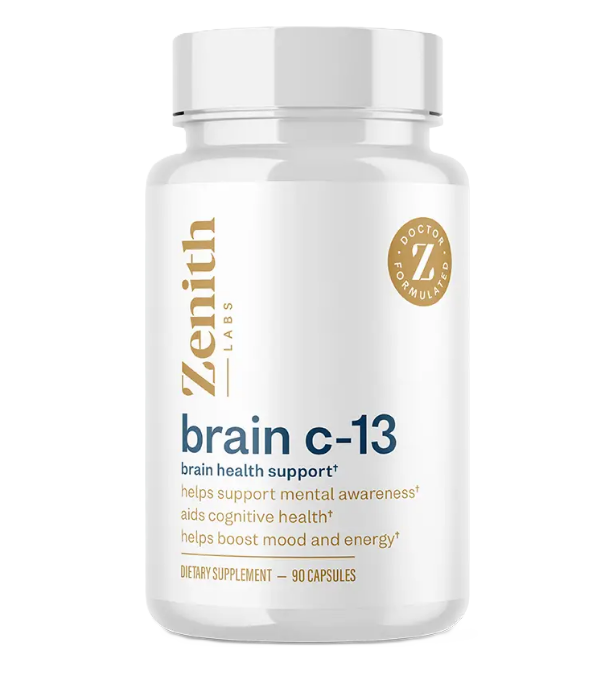
Safety profile — tolerability, drug interactions, and what to know before you start.
In This Article
Edited by Michael Anderson, Editor-in-Chief
Updated
Quick Answer
Generally well tolerated with a favorable safety profile for most healthy adults.
Brain C-13 is manufactured in a GMP-certified facility in the USA using natural, non-GMO, non-stimulant ingredients with full label transparency. Most adults report zero side effects. The formula contains no caffeine and no synthetic stimulants — there is no jitter-crash cycle to worry about. The groups who should consult a doctor first are those taking cholinesterase inhibitors, blood thinners, or Parkinson's medications, due to specific ingredient interactions with Huperzine A, Ginkgo Biloba, and Mucuna Pruriens.
1. Manufacturing & Quality Standards
Before discussing side effects, it is worth highlighting what makes this formula's safety profile stand out. Brain C-13 is manufactured under quality standards that directly reduce consumer risk.
| Standard | What It Means for You |
|---|---|
| GMP-Certified | Good Manufacturing Practice certification ensures consistent quality, proper ingredient handling, and contamination controls at every stage of production. |
| Manufactured in the USA | Domestic production under U.S. regulatory standards, not outsourced to facilities with looser quality controls. |
| Non-Stimulant Formula | Zero caffeine, zero synthetic stimulants. No jitters, no energy crashes, no sleep disruption — safe for morning or evening use. This is a critical differentiator for people who want cognitive support without adding to caffeine dependency. |
| Non-GMO Ingredients | No genetically modified organisms in the formula or its source ingredients. |
| Transparent Label | Every ingredient and its exact dose is disclosed on the label — no proprietary blends hiding what you are actually taking or how much. |
| Doctor-Formulated | Developed by a licensed physician (Zenith Labs), not assembled by a generic contract manufacturer from a trend-based ingredient list. |
This combination of manufacturing standards puts Brain C-13 ahead of many competitors in the nootropic supplement category, where proprietary blends and undisclosed dosing remain common. For a dose-by-dose breakdown of every active ingredient, see our Brain C-13 ingredient breakdown.
2. What Most Users Experience
The honest answer: most users experience nothing negative at all. The formula is built around well-studied nootropic compounds — Cognizin Citicoline, Bacopa Monnieri, Phosphatidylserine, Rhodiola Rosea — ingredients with long safety track records in both supplement and clinical contexts.
Because the formula contains no caffeine and no synthetic stimulants, there is no jitter-crash cycle. This is particularly relevant for people who have tried stimulant-based nootropics and experienced anxiety, heart rate increases, or sleep disruption. Brain C-13 is designed for steady, building support — not a temporary spike in alertness that fades by mid-afternoon.
The most commonly reported adjustment during the first week is mild digestive sensitivity, particularly from Bacopa Monnieri. This is a well-known characteristic of Bacopa — it is fat-soluble and can cause mild GI discomfort when taken on an empty stomach. Taking Brain C-13 with a meal containing some fat typically resolves this completely within the first few days.
3. Possible Side Effects
While most adults will not experience any of these, transparency matters. Here is the complete picture of what a small percentage of users have reported.
| Side Effect | Likely Cause | What to Do |
|---|---|---|
| Mild GI discomfort | Bacopa Monnieri (fat-soluble, can irritate empty stomach) | Take with a meal containing some fat. Usually resolves within 3-5 days of consistent use. |
| Headache | Cholinergic compounds (Huperzine A, Citicoline, DMAE) increasing acetylcholine activity | Reduce to 2 capsules for the first week, then increase to full dose. Stay well hydrated. |
| Vivid dreams | Increased acetylcholine activity during REM sleep | Take the dose in the morning rather than evening. This effect often fades within 1-2 weeks. |
| Mild nausea | Individual sensitivity to herbal extracts (Mucuna, Bacopa) | Take with food. If persistent after 5 days, reduce dose or discontinue. |
| Restlessness or difficulty sleeping | Rhodiola Rosea (adaptogen with mild stimulating properties) | Take Brain C-13 in the morning only. Rhodiola is known to interfere with sleep when taken later in the day. |
None of these are serious or lasting. The first two are the most commonly reported and resolve on their own with the simple adjustments listed above. The key takeaway is that Brain C-13 is a non-stimulant formula — the side effects you might experience are related to bioactive compounds adjusting neurotransmitter activity, not to caffeine or synthetic stimulants overstressing your nervous system.
4. Drug Interactions — Who Must Check With a Doctor
This section is particularly important for Brain C-13 because its target audience — adults concerned about cognitive decline — often takes other medications. Three specific ingredients in the formula have documented interactions with prescription drug categories.
Huperzine A + Cholinesterase Inhibitors
Huperzine A is a natural acetylcholinesterase inhibitor. If you are taking prescription cholinesterase inhibitors such as donepezil (Aricept), rivastigmine (Exelon), or galantamine (Razadyne), combining them with Huperzine A could produce excessive acetylcholine activity. Do not combine without your doctor's explicit approval.
Ginkgo Biloba + Blood Thinners
Ginkgo has mild antiplatelet and anticoagulant properties. If you take blood thinners such as warfarin (Coumadin), heparin, clopidogrel (Plavix), or daily aspirin therapy, Ginkgo may increase bleeding risk. Consult your doctor before combining.
Mucuna Pruriens + Parkinson’s Medications
Mucuna Pruriens contains L-DOPA, the direct precursor to dopamine. If you take levodopa/carbidopa (Sinemet) or other Parkinson’s disease medications, combining them with a supplemental L-DOPA source could alter your dopamine levels unpredictably. Medical supervision is required.
General Psychiatric/Mood Medications
Because Brain C-13 modulates acetylcholine, dopamine, and serotonin pathways, anyone taking SSRIs, SNRIs, MAOIs, or antipsychotic medications should discuss adding this supplement with their prescribing physician.
If none of the above medication categories apply to you, there is no medical reason to hesitate. The formula is designed for healthy adults and carries a favorable safety profile for daily, long-term use. For a balanced look at the product's strengths and weaknesses, visit our Brain C-13 pros and cons breakdown.
5. The Bottom Line on Safety
Brain C-13 has one of the cleaner safety profiles in the nootropic supplement category. It is GMP-certified, manufactured in the USA, completely stimulant-free, non-GMO, and uses a fully transparent label with no proprietary blends. The core ingredients — Cognizin Citicoline, Bacopa Monnieri, Phosphatidylserine, Rhodiola Rosea — have extensive safety data from clinical research.
The most common adjustment effect — mild digestive sensitivity from Bacopa — is well-documented and easily managed by taking the supplement with food. The non-stimulant design means no caffeine dependency, no jitters, no crashes, and no interference with sleep when taken in the morning as recommended.
The area where Brain C-13 requires more caution than a generic multivitamin is drug interactions. Huperzine A, Ginkgo Biloba, and Mucuna Pruriens are pharmacologically active compounds that can interact with specific prescription medication categories. This is not a flaw in the formula — it is a sign that the ingredients are genuinely bioactive. But it does mean that anyone on cholinesterase inhibitors, blood thinners, or dopamine-modifying medications must consult their physician before starting.
For healthy adults not on those medication categories, Brain C-13 is a low-risk supplement you can start with confidence.
Pricing Options for Brain C-13
Brain C-13 is available in multiple package options designed to support different usage timelines. Many users choose multi-bottle packages because consistent daily use typically delivers the best results. Longer supply options also reduce the cost per unit.
1 Bottle
30-Day Supply
- 180-day Money-Back Guarantee
- Secure Checkout
6 Bottles
180-Day Supply
- 180-day Money-Back Guarantee
- Free USA Shipping
- Secure Checkout
Save $156
Shop Now3 Bottles
90-Day Supply
- 180-day Money-Back Guarantee
- Secure Checkout
Save $30
Shop NowEvery order is backed by a 180-day money-back guarantee. Only available through the official website.
Frequently Asked Questions
Is Brain C-13 safe to take every day?
Yes. The formula is completely stimulant-free, GMP-manufactured, and specifically designed for daily, long-term use. Most adults experience no side effects at all. The only groups who need medical clearance are those taking cholinesterase inhibitors (donepezil, rivastigmine), blood thinners (warfarin, heparin), Parkinson's medications, or psychiatric medications that affect serotonin or dopamine.
Can I take Brain C-13 with other supplements?
In most cases, yes. Brain C-13 pairs well with standard health stacks like multivitamins, omega-3s, and magnesium. Avoid stacking with other high-dose cholinergic supplements (Alpha-GPC, additional Huperzine A) as the combined acetylcholine boost could cause headaches or GI discomfort. If you take any other nootropic stack, review the ingredient overlap before combining.
Does Brain C-13 contain caffeine or stimulants?
No. Brain C-13 is entirely caffeine-free and contains no synthetic stimulants. This is a deliberate design choice — the formula supports cognition through neurotransmitter optimization, cerebral blood flow, and neuroprotection, not through temporary stimulant-driven alertness. There is no jitter-crash cycle, and it will not interfere with sleep when taken in the morning.
When should I talk to a doctor before using Brain C-13?
Consult your doctor if you take cholinesterase inhibitors (Aricept, Exelon), blood thinners (warfarin, Plavix, daily aspirin), Parkinson's medications (levodopa/carbidopa), or any psychiatric medication affecting serotonin, dopamine, or acetylcholine. Also consult your doctor if you are pregnant, nursing, under 18, or have a diagnosed neurological condition. For everyone else, no medical clearance is needed — but mentioning any new supplement at your next checkup is always sensible.
Research & Transparency
This content is based on publicly available ingredient research, manufacturer disclosures, and product labeling. We are not affiliated with the manufacturer.
(a) Huperzine A for Alzheimer's disease: a systematic review and meta-analysis of randomized clinical trials. PMC4137276
(b) Ginkgo biloba extract and anticoagulant/antiplatelet agents: a systematic review. PMC4449521
(c) Mucuna pruriens: a comprehensive review of pharmacological activity. PMC4213977
(d) Meta-analysis of randomized controlled trials on cognitive effects of Bacopa monnieri extract. PMC5075615
About the Author
Emily Carter is a contributor at The Supplement Post covering brain and neuro health, blood sugar control, weight loss, and gut-focused formulas. She specializes in evidence-aware summaries of nootropic ingredients, metabolic supplements, and consumer-friendly explanations of how supplementation fits into broader cognitive and metabolic health strategies. Emily Carter is not a medical doctor — she analyzes publicly available research to provide evidence-aware summaries for adults exploring cognitive support, metabolic balance, and gut wellness options.
Disclosure
All content is for informational purposes only and is not a substitute for professional medical advice. Each product reviewed is a dietary supplement, not a prescription drug. Results may vary based on individual health status, consistency of use, and lifestyle. This page may contain affiliate links — if you purchase through them, we may earn a small commission at no additional cost to you. Read our Editorial Policy.