
Does Brain C-13 Really Work? Mechanism & Results Timeline
The honest answer on whether this formula works — mechanism, evidence, and realistic results timeline.
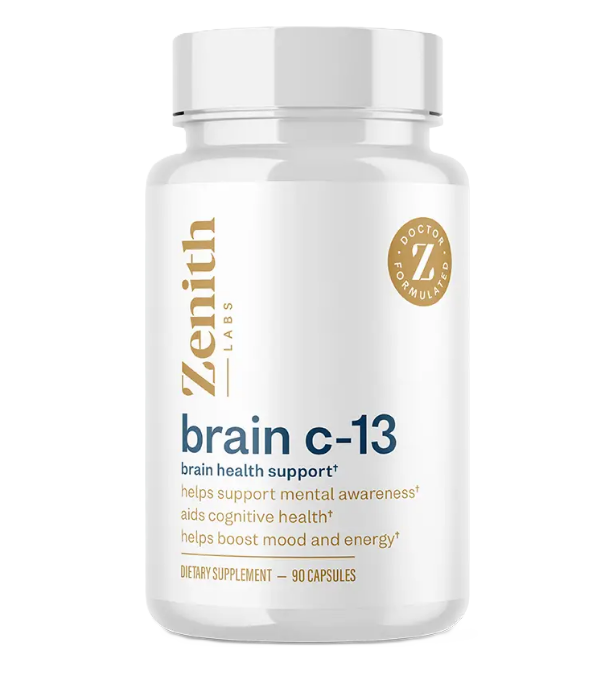
The science and the timeline — what happens when you commit to the routine.
In This Article
Edited by Michael Anderson, Editor-in-Chief
Updated
Quick Answer
Yes, Brain C-13 works — but it works on a biological timeline, not an overnight one. The formula targets four distinct brain pathways: neurotransmitter support, cerebral circulation, neuroprotection, and energy-stress resilience. Most users notice meaningful differences around weeks 3-4 of consistent daily use, with the full evaluation window at weeks 6-8. Below is the science and the week-by-week breakdown.
1. The Science — Four Brain Pathways, Not One
Most people think cognitive decline is about one thing — usually “memory loss.” That is a symptom, not a mechanism. The actual biology involves multiple overlapping systems that deteriorate simultaneously as you age.
Here is what happens:
Acetylcholine production declines. Acetylcholine is the primary neurotransmitter for learning, memory encoding, and recall. Your brain produces less of it with age, and the enzyme that breaks it down (acetylcholinesterase) stays just as active. The result is a widening gap between supply and demand — which shows up as forgetfulness, slower recall, and difficulty retaining new information.
Cerebral blood flow decreases. Your brain consumes 20% of your body’s oxygen despite being only 2% of your body weight. When blood flow to the brain declines — through aging, inflammation, or vascular stiffness — neurons receive less oxygen and fewer nutrients. The result is brain fog, slower processing speed, and reduced mental stamina.
Oxidative damage accumulates. Neurons are exceptionally vulnerable to oxidative stress because of their high metabolic rate and limited regenerative capacity. Chronic low-grade inflammation and free radical damage erode neuronal membranes, disrupt synaptic communication, and accelerate structural brain aging.
Mitochondrial efficiency drops. Brain cells are among the most energy-demanding cells in your body. When mitochondrial function declines, ATP output falls — and cognitive endurance suffers first because the brain cannot deficit-spend on energy the way muscles can.
Prescription drugs address one pathway. Brain C-13 targets all four. Cholinesterase inhibitors like Aricept (donepezil) work by blocking the enzyme that breaks down acetylcholine — extending the life of each molecule. This approach has demonstrated effects, but it only addresses one of the four pathways. Brain C-13 takes a different strategy: instead of blocking a single enzyme, it supplies compounds that support neurotransmitter production, blood flow, neuroprotection, and energy metabolism simultaneously. This is not a claim of superiority over prescription medication — it is a fundamentally different approach with a different mechanism.
2. How Brain C-13 Works — Pathway by Pathway
The formula’s 13 ingredients map across four distinct biological pathways. Understanding which compounds target which pathway explains why the benefits appear on different timelines.
Pathway 1 — Neurotransmitter Support
Cognizin (Citicoline) is the foundation. It supplies choline for acetylcholine synthesis and supports brain ATP production — citicoline has been shown to increase brain ATP by up to 14% in clinical imaging studies(a). Huperzine A inhibits acetylcholinesterase, the enzyme that degrades acetylcholine, so each molecule stays active longer in the synaptic cleft. Mucuna Pruriens provides L-DOPA, the direct precursor to dopamine — supporting motivation, reward signaling, and the kind of “drive” that brain fog erases. Three compounds targeting two critical neurotransmitters (acetylcholine and dopamine) from the production and preservation side.
Pathway 2 — Cerebral Circulation
Ginkgo Biloba has the most extensive clinical history for cerebral blood flow support — multiple meta-analyses confirm its effects on microcirculation to the brain, particularly in older adults(b). Gotu Kola complements this by supporting microvascular integrity and capillary health in neural tissue. Better blood flow means more oxygen and nutrient delivery to neurons — which directly affects processing speed, focus duration, and mental clarity. For a full analysis of every ingredient and its dosing, see our Brain C-13 ingredient scorecard.
Pathway 3 — Neuroprotection
Phosphatidylserine maintains the structural integrity of neuronal cell membranes — it is one of the few compounds with an FDA-qualified health claim for cognitive function. Turmeric (Curcumin) crosses the blood-brain barrier and provides anti-inflammatory protection to neural tissue, reducing the chronic low-grade inflammation that accelerates brain aging. Bacopa Monnieri contributes antioxidant defense and supports memory consolidation through its bacosides — though this effect requires 8-12 weeks of daily intake to become measurable(c). This pathway is about protecting existing brain infrastructure, not stimulating it.
Pathway 4 — Energy and Stress Resilience
Rhodiola Rosea modulates cortisol — the stress hormone that, when chronically elevated, literally damages hippocampal neurons and impairs memory consolidation(d). Rhodiola’s effects are among the fastest in the formula: many users notice improved mental energy within the first 1-2 weeks. Acetyl-L-Carnitine shuttles long-chain fatty acids into mitochondria for ATP production, directly supporting the energy supply your neurons depend on for sustained cognitive work. DMAE supports cell membrane fluidity in cholinergic neurons, influencing signal transmission speed. Together, this pathway addresses why your brain fatigues faster than it used to — and why stress makes everything worse.
| Pathway | Brain C-13 Approach | Prescription Approach |
|---|---|---|
| Neurotransmitter | Supplies precursors (Cognizin, Mucuna) + preserves existing ACh (Huperzine A) | Blocks enzyme breakdown only (Aricept, Exelon) |
| Circulation | Improves microcirculation (Ginkgo, Gotu Kola) | Not addressed by standard cognitive Rx |
| Neuroprotection | Anti-inflammatory + membrane support (Turmeric, PS, Bacopa) | Not addressed by standard cognitive Rx |
| Energy/Stress | Cortisol modulation + mitochondrial ATP (Rhodiola, ALCAR) | Not addressed by standard cognitive Rx |
Important: This comparison is not a claim that Brain C-13 replaces prescription medication. If your doctor has prescribed a cholinesterase inhibitor, do not stop taking it. The table illustrates a difference in design philosophy — single-target pharmaceutical intervention versus multi-pathway nutritional support.
3. Results Timeline — What to Expect and When
This timeline reflects the general pharmacology of nootropic compounds combined with common user reporting patterns. Individual results depend on baseline cognitive health, age, diet, sleep quality, and consistency.
| Timeline | What to Expect |
|---|---|
| Week 1-2 | Rhodiola's adaptogenic effects activate first — subtle improvements in mental energy, stress tolerance, and morning clarity. DMAE begins influencing membrane fluidity. Most users will not see dramatic cognitive changes yet, and that is completely normal. The foundation is being laid. |
| Week 3-4 | Citicoline reaches meaningful brain levels. Acetylcholine-driven benefits emerge — improved focus, clearer verbal recall, better attention span. Huperzine A's acetylcholinesterase inhibition compounds with citicoline's production support. This is where most users form their first real opinion of the formula. |
| Week 6-8 | Bacopa's memory consolidation effects reach their clinical window. Recall improves measurably. Ginkgo and Gotu Kola's circulation benefits fully establish. Phosphatidylserine's membrane support accumulates. This is the real evaluation window — if the formula works for your biology, all four pathways should show noticeable results. |
| Month 3+ | Neuroprotective compounds (Turmeric, Bacopa antioxidant effects) accumulate meaningfully. Long-term cognitive resilience benefits compound with sustained use. Results plateau — the goal shifts from building to maintaining. Stopping abruptly will likely cause a gradual return to baseline over 2-3 weeks. |
The key takeaway: weeks 6-8 are where you judge this product. Anything before that is too early — especially given Bacopa’s 8-12 week evidence window. If you are still seeing nothing by week 8 with consistent daily use, the formula is likely not the right fit for your biology.
4. What Helps Your Results
Nootropic compounds do not work in isolation. These factors directly influence how well Brain C-13 performs — and how much cognitive benefit you ultimately experience:
- Sleep. Memory consolidation happens primarily during deep sleep. Neuronal repair, synaptic pruning, and glymphatic clearance (your brain’s waste removal system) all require 7-8 hours of quality sleep. No supplement compensates for chronic sleep deprivation.
- Exercise. Physical activity increases BDNF (brain-derived neurotrophic factor), which supports neuroplasticity and new neural connections. Even moderate cardio 3-4 times per week significantly amplifies nootropic effects.
- Consistency. This is the single biggest factor. Skipping days disrupts the accumulation cycle — particularly for Bacopa and Phosphatidylserine, which require sustained daily intake to maintain effective brain levels. Same time each day, ideally with a meal.
- Hydration. Cerebral blood flow is water-dependent. Even mild dehydration impairs cognitive performance and undermines Ginkgo’s circulation benefits.
- Stress management. Chronic cortisol elevation works against everything Rhodiola is trying to do. If you are under severe sustained stress, address the source alongside supplementation.
Conversely, regular alcohol use, poor sleep hygiene, and skipping doses all work against the formula’s four-pathway mechanism. If you are not seeing results, address those factors before concluding the supplement does not work. For a full look at safety considerations and drug interactions, see our Brain C-13 side effects guide.
Pricing Options for Brain C-13
Brain C-13 is available in multiple package options designed to support different usage timelines. Many users choose multi-bottle packages because consistent daily use typically delivers the best results. Longer supply options also reduce the cost per unit.
1 Bottle
30-Day Supply
- 180-day Money-Back Guarantee
- Secure Checkout
6 Bottles
180-Day Supply
- 180-day Money-Back Guarantee
- Free USA Shipping
- Secure Checkout
Save $156
Shop Now3 Bottles
90-Day Supply
- 180-day Money-Back Guarantee
- Secure Checkout
Save $30
Shop NowEvery order is backed by a 180-day money-back guarantee. Only available through the official website.
Frequently Asked Questions
How long does Brain C-13 take to work?
Most users notice subtle improvements — mental energy, reduced brain fog — within 2-3 weeks, driven by Rhodiola's fast-acting effects. More meaningful changes in memory recall and focus typically appear around weeks 3-4 as citicoline builds. The full evaluation window is 6-8 weeks, since Bacopa monnieri requires 8-12 weeks for measurable memory consolidation effects.
How is Brain C-13 different from prescription cognitive drugs?
Prescription cholinesterase inhibitors (Aricept, Exelon) work by blocking the enzyme that breaks down acetylcholine — preserving what your brain already produces. Brain C-13 takes a different approach: it supplies precursors for neurotransmitter production while simultaneously supporting cerebral circulation, neuroprotection, and energy metabolism. One targets a single enzyme; the other supports four biological pathways. They are not interchangeable — never stop prescription medication without consulting your doctor.
Can Brain C-13 prevent Alzheimer's or dementia?
No supplement has been proven to prevent, treat, or reverse Alzheimer's disease or any form of dementia. Brain C-13 supports cognitive function through neurotransmitter precursors, circulation, and neuroprotective compounds — but these are supportive measures, not disease interventions. If you have concerns about neurodegenerative disease, especially with a family history, consult a neurologist.
Should I talk to a doctor before starting Brain C-13?
If you take prescription medications — particularly blood thinners (Ginkgo can affect clotting), antidepressants (SSRIs interact with serotonergic compounds), or cholinesterase inhibitors (additive acetylcholine effects with Huperzine A) — consult your doctor before starting. This is especially critical for adults over 65 who may be on multiple medications with potential interaction risks.
Research & Transparency
This content is based on publicly available ingredient research, manufacturer disclosures, and product labeling. We are not affiliated with the manufacturer.
(a) Citicoline enhances frontal lobe bioenergetics as measured by phosphorus magnetic resonance spectroscopy. PubMed 18816480
(b) Ginkgo biloba for cognitive impairment and dementia — a systematic review. PMC7468802
(c) Meta-analysis of randomized controlled trials on cognitive effects of Bacopa monnieri extract. PMC5075615
(d) Rhodiola rosea in stress induced fatigue — a double blind cross-over study. PubMed 22228617
About the Author
Emily Carter is a contributor at The Supplement Post covering brain and neuro health, blood sugar control, weight loss, and gut-focused formulas. She specializes in evidence-aware summaries of nootropic ingredients, metabolic supplements, and consumer-friendly explanations of how supplementation fits into broader cognitive and metabolic health strategies. Emily Carter is not a medical doctor — she analyzes publicly available research to provide evidence-aware summaries for adults exploring cognitive support, metabolic balance, and gut wellness options.
Disclosure
All content is for informational purposes only and is not a substitute for professional medical advice. Each product reviewed is a dietary supplement, not a prescription drug. Results may vary based on individual health status, consistency of use, and lifestyle. This page may contain affiliate links — if you purchase through them, we may earn a small commission at no additional cost to you. Read our Editorial Policy.