
Does Ejaculation Prevent Prostate Cancer? What the Research Really Shows
The idea sounds intuitive -- "clear the pipes, reduce the risk." But prostate biology is not a single-behavior equation. Here's what Harvard-linked observational research suggests, what it doesn't prove, and what men typically do instead when they want real, mechanism-based support.
A science-aware breakdown of correlation vs causation -- plus practical, evidence-oriented prostate support pathways men commonly explore.
Does ejaculation prevent prostate cancer? The Harvard-linked research shows an interesting association, but it does not prove causation. Prostate cancer prevention requires a multi-factor approach -- not a single-behavior shortcut.
This guide explains what the research actually says, why correlation is not causation, and what men can do to support long-term prostate health through evidence-based strategies.
Quick Answer
Does ejaculation prevent prostate cancer?
No single behavior prevents prostate cancer. Some observational research suggests a modest association between higher ejaculation frequency and lower risk, but this does not prove causation. The association may reflect broader health markers rather than a direct protective mechanism.
What actually supports prostate cancer prevention?
A combination of healthy weight, regular exercise, anti-inflammatory diet, PSA monitoring with a physician, and structured nutritional support targeting inflammation, oxidative stress, and hormonal pathways offers a more comprehensive approach.
In this guide:
- The Fast Reality Check
- Where Did This Claim Come From?
- The Core Problem: Correlation Is Not Causation
- Could There Be a Mechanism?
- What the Harvard-Linked Data Actually Suggests
- The Bigger Picture: Structural Prostate Health
- Comparison: Ejaculation vs Structured Prostate Support
- How to Think About Prevention Realistically
- Final Verdict: Ejaculation Is Not Prevention
- FAQs
The Fast Reality Check (Before You Turn This Into a "Protocol")
It's normal to see headlines like "21 times a month lowers risk" and immediately wonder if you've found a simple lever you can pull. The problem is that most of the famous findings in this space come from observational research.
Observational data can be valuable -- it can spot patterns across large groups -- but it can't prove that one behavior caused the outcome. So the responsible way to read this topic is: interesting signal , not a prescription.
The most helpful mindset is to treat ejaculation frequency as one potential marker of overall health and lifestyle, not a standalone protective mechanism. Then you zoom out and ask a better question: what actually influences prostate tissue environment over time? Learn more about hormonal balance and prostate health and what natural prostate support really looks like.
Where Did This Claim Come From?
Interest surged after large prospective observational studies followed tens of thousands of men for years and found a statistical association between higher ejaculation frequency and lower prostate cancer incidence compared to lower frequency groups.
One key detail that gets lost in social media summaries: the "buzz" often traces back to analyses associated with large cohorts and Harvard-linked researchers -- but the takeaway was never "do this and you prevent cancer." It was: there appears to be an association worth exploring, with important limitations.
That limitation matters because men often read "association" as "strategy." Those are not the same thing.
The Core Problem: Correlation Isn't Causation
When a study finds that men who ejaculate more frequently also show lower incidence of prostate cancer, there are at least two broad explanations:
- Direct mechanism: ejaculation itself reduces risk through specific biological pathways.
- Health-marker effect: higher frequency reflects other protective factors (metabolic health, hormones, activity level, stress profile).
In real life, the second explanation is often underappreciated. Men who maintain stronger libido and sexual function over decades frequently also maintain better baseline health -- and that baseline health can influence inflammation, oxidative stress, insulin sensitivity, and hormone signaling.
So yes, ejaculation frequency may correlate with lower risk. But it is entirely plausible that ejaculation is a downstream indicator, not the upstream driver. For a broader view of how research shapes prostate guidance, see the Harvard prostate cancer study analysis.
Could There Be a Mechanism?
Researchers and commentators have proposed several plausible hypotheses for why ejaculation frequency could matter. Common ideas include:
- Reduced accumulation of prostatic fluid (a "clearance" hypothesis)
- Decreased local inflammatory mediators in the prostate environment
- Lower oxidative stress inside prostate tissue over time
- Indirect hormonal regulation effects
The nuance is that prostate cancer development is multifactorial. It's not driven by a single variable; it involves inflammation signaling, androgen pathways (including DHT), mutation accumulation, oxidative stress, age-related tissue change, and immune surveillance dynamics.
Ejaculation may influence fluid dynamics. But it doesn't comprehensively regulate inflammation cascades, hormonal metabolism, or oxidative balance in the way a true prevention strategy would need to.
Quick takeaway
The "clear the pipes" metaphor is emotionally satisfying -- but prostate biology is systems-level. One behavior can be part of a healthy life, without being a standalone protective mechanism.
What the Harvard-Linked Data Actually Suggests
The Harvard-associated work is often summarized as: higher ejaculation frequency was associated with a modestly lower overall prostate cancer risk. In many summaries, the association appears stronger for lower-risk disease, and it is not positioned as a "do this and you're protected" intervention.
Even within observational research, responsible interpretation matters. The most accurate reading is:
- The association is real in the dataset, but it does not prove causation.
- The effect (when described) is generally modest -- not a guaranteed shield.
- It does not replace medical screening, physician guidance, or broader prevention strategies.
In other words: interesting signal, not a clinical recommendation.
The Bigger Picture: Structural Prostate Health
If you zoom out from frequency and look at what actually shapes the prostate environment over time, several drivers show up repeatedly in the scientific conversation:
1) Inflammation regulation
Chronic low-grade inflammation is frequently discussed in relation to prostate enlargement and may also be relevant to tissue vulnerability over time. Explore foods that worsen prostate symptoms for dietary context.
2) Hormonal balance
Androgen signaling -- especially pathways involving DHT -- is a core part of how prostate tissue growth patterns are described in aging men.
3) Oxidative stress control
Reactive oxygen species can contribute to cellular stress and mutation pressure, particularly as tissue repair and immune function change with age.
4) Urinary and tissue function
Even if your focus is "cancer risk," many men first notice prostate-related change through urinary symptoms: weak stream, nighttime urination, urgency, or pelvic discomfort. Those patterns often reflect structural tissue changes -- not just fluid buildup. See best supplements for bladder control and urinary flow for more.
This is why ejaculation alone feels too thin as a prevention strategy. It doesn't meaningfully address these broader biological domains.
Where Supplements Fit (If You Want a Deeper Mechanism)
This is where structured prostate formulas enter the discussion. Unlike "frequency-only" thinking, targeted formulations aim to support biological pathways more directly -- especially inflammation balance, antioxidant support, and urinary function.
These products are not presented as cures or guarantees. They're typically framed as daily support routines built around ingredients commonly discussed in prostate health research and lower urinary tract physiology.
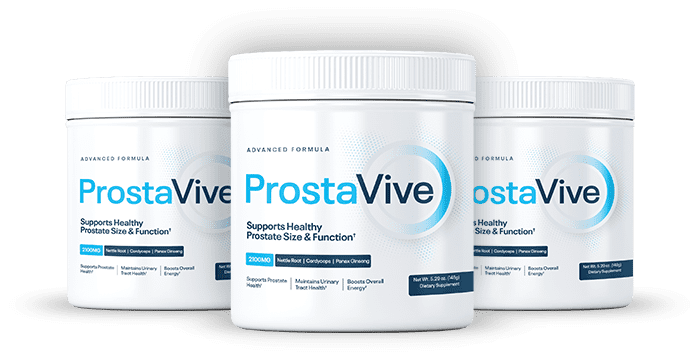
Prostavive
Overview: A prostate support formula positioned around inflammation balance and urinary function support.
Best for: Men noticing early urinary changes and looking for structured daily support that feels sustainable.
Focus: Botanical extracts + micronutrient synergy aimed at prostate comfort and consistency.
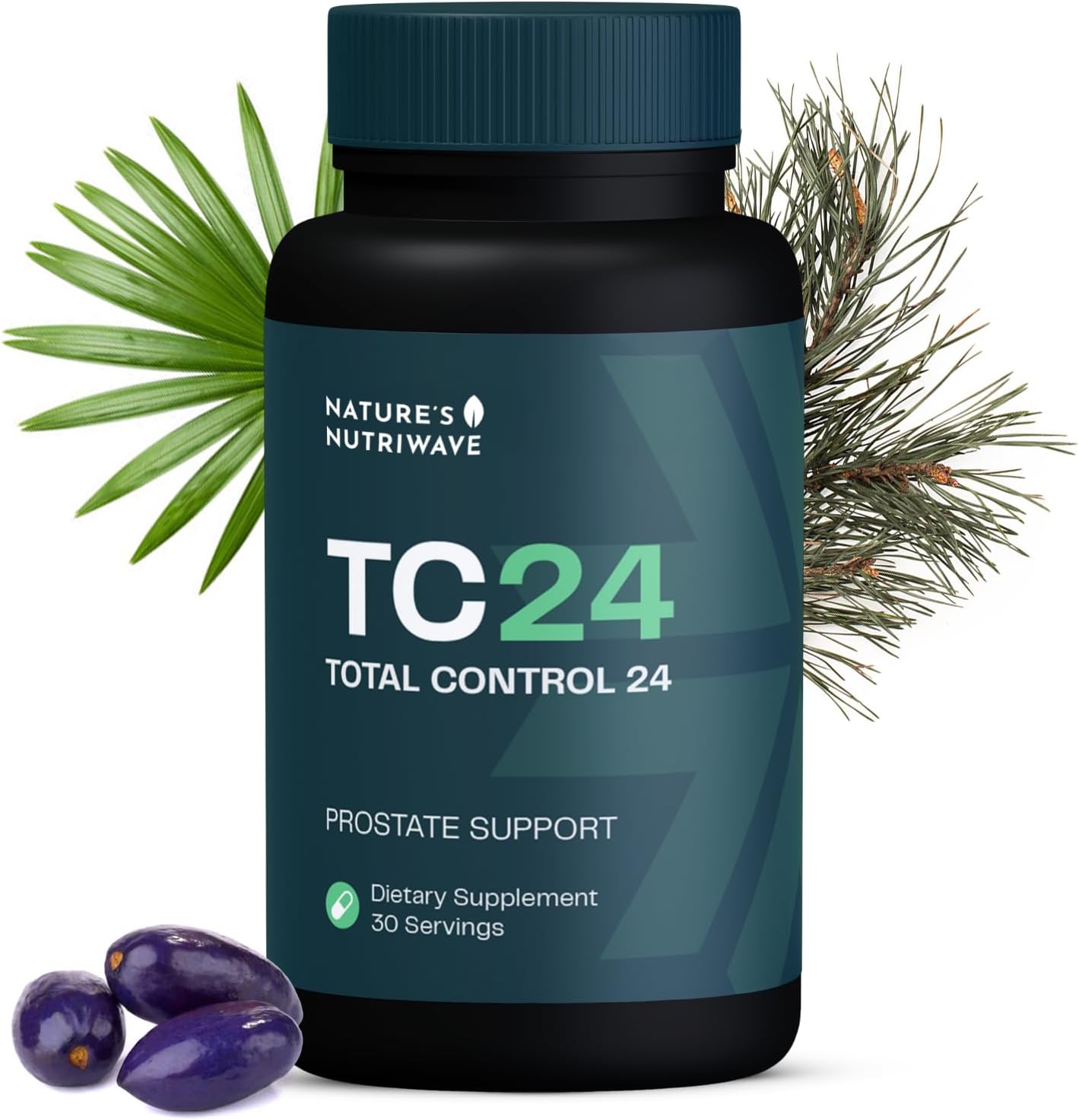
TC24
Overview: Designed around cellular protection and longer-term prostate tissue support positioning.
Best for: Men concerned about age-related prostate changes who want a "long game" approach.
Focus: Antioxidant-oriented ingredients commonly discussed in prostate research and tissue resilience narratives.
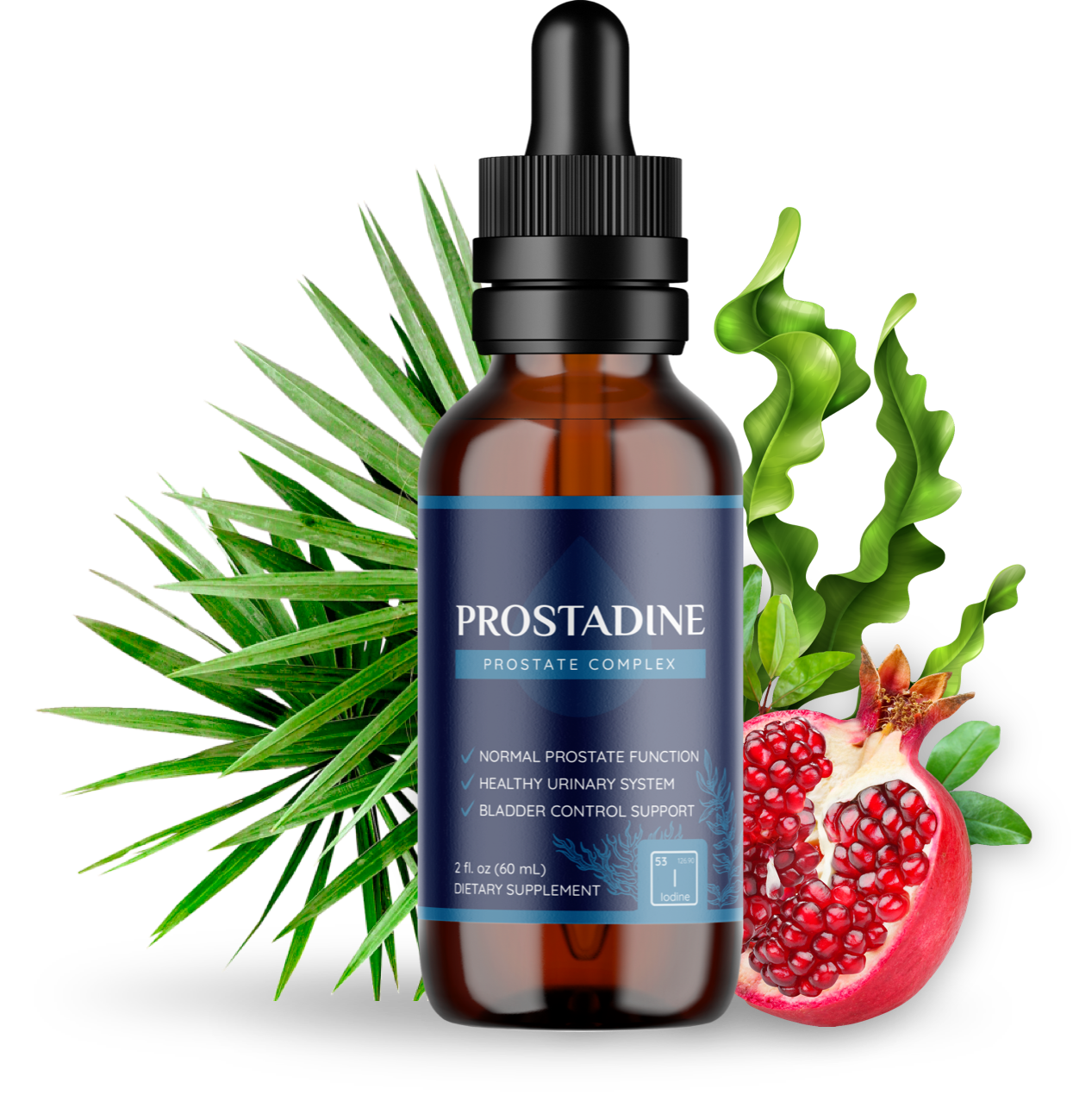
Prostadine
Overview: A liquid formula emphasizing urinary flow and mineral-based prostate support positioning.
Best for: Men experiencing frequent nighttime urination who prefer a liquid format.
Focus: Trace minerals + botanical extracts aimed at urinary balance and prostate comfort support.
Comparison: Ejaculation vs Structured Prostate Support
This isn't an either/or debate. It's about depth of mechanism. Ejaculation may be part of a healthy lifestyle, but structured support is designed to target pathways more directly.
| Factor | Ejaculation Frequency | Structured Supplement Approach |
|---|---|---|
| Fluid clearance | Yes | Indirect |
| Inflammation control | Minimal / indirect | Targeted ingredients (varies by formula) |
| Hormonal pathways | Indirect | Botanical modulation support positioning |
| Antioxidant support | No | Yes (ingredient-dependent) |
| Long-term structural support | Limited | Designed for daily consistency |
*Note: Supplements are not a replacement for medical care. They're typically used as supportive routines, and individual responses vary.*
How to Think About Prostate Cancer Prevention Realistically
No single behavior guarantees protection. The best-known "boring" fundamentals usually matter more than any viral claim -- and they're the strategies most likely to show up in evidence-based prevention conversations.
Commonly recommended, evidence-aligned priorities include:
- Maintaining healthy weight and metabolic health
- Regular physical activity
- Diet patterns that support inflammation balance
- Monitoring PSA and risk factors with a physician
- Structured nutritional support when appropriate (and realistic about what it can and can't do)
Ejaculation can absolutely be part of a healthy life. But it's not a standalone prevention protocol -- and it shouldn't replace medical evaluation or broader health strategy.
Final Verdict: Ejaculation Is Not Prevention
The idea that ejaculation can "flush out" prostate cancer risk is appealing because it simplifies a complex biological process. But prostate tissue health is more than frequency -- it involves inflammatory regulation, hormonal signaling, oxidative stress balance, and age-related cellular change.
If ejaculation alone were sufficient, prostate cancer would be dramatically rare in sexually active populations. It isn't. The smarter approach is to combine healthy lifestyle patterns with deeper support strategies.
For men who want a more mechanism-driven, daily support framework, formulas like Prostavive , TC24 or Prostadine offer a more comprehensive pathway than "hopeful correlation."
Your prostate deserves more than a myth. Mechanism matters.
FAQs
Does ejaculating every day prevent prostate cancer?
There is no clinical evidence proving that daily ejaculation prevents prostate cancer. Some observational research suggests a possible association with lower risk, but it does not establish causation or replace medical prevention strategies.
How many times per month should a man ejaculate for prostate health?
Some research observed lower risk among men reporting around 21 ejaculations per month, but this is not a formal medical recommendation and should not be treated as a guaranteed preventive guideline.
Is ejaculation better than supplements for prostate health?
They serve different roles. Ejaculation may influence fluid dynamics, while supplements are designed to support inflammation balance, antioxidant protection, and hormonal pathways associated with prostate tissue health.
What is the most evidence-based way to support prostate health?
A combination of lifestyle habits (diet, exercise, weight control) and structured nutritional support with clinically studied ingredients is currently considered a rational non-prescription approach for many men -- alongside medical guidance when needed.
When should I see a doctor about prostate cancer concerns?
See a doctor if you experience blood in urine or semen, persistent pelvic pain, sudden urinary changes, or have a family history of prostate cancer. Regular PSA screening and medical evaluation are essential for early detection and should never be replaced by lifestyle changes or supplements alone.
Reviewed by: The Supplement Post Editorial Team, Editorial Review -- Last updated:
Recommended Products
About Luciano Andreoti
Luciano Andreoti is a contributor at The Supplement Post, supporting the production of evidence-aware supplement reviews and buyer's guides across multiple health categories. His work spans ingredient analysis, formulation assessment and consumer-oriented summaries — what a label discloses, how the stated doses compare with the amounts used in published human research, and whether a formula's design matches what it claims to do. Every review is checked by The Supplement Post editorial team against the standards published in our editorial policy before it goes live.
Disclosure
All content on The Supplement Post is for informational purposes only and is not a substitute for professional medical advice, diagnosis, or treatment. Each product is a dietary supplement, not a prescription drug; statements about its benefits have not been evaluated by the U.S. Food and Drug Administration (FDA) and the product is not intended to diagnose, treat, cure, or prevent any disease.
Results may vary based on individual health status, consistency of use, and lifestyle. If you are pregnant or nursing, taking medication, or have a medical condition, consult a qualified healthcare professional before using any supplement.
This page may contain affiliate links—if you purchase through them, The Supplement Post may earn a small commission at no additional cost to you. References to third-party sites are provided for convenience; we do not control or guarantee their content.