
Harvard Study on Prostate Cancer: What Researchers Really Found and What It Means for You
Almost every man over 50 has heard the line. Almost no one knows what the researchers actually found. Here's the honest version — and what it means for how you should think about your own prostate.

The goal isn't to chase a headline — it's to understand what the research actually found, what it didn't, and how to think rationally about prostate health moving forward.
In this guide:
If you've heard "Harvard study says ejaculation lowers prostate cancer risk," you've heard a real finding — half-told. Here's the part that didn't fit in the headline.
The study followed tens of thousands of men for decades. Higher ejaculation frequency (around 21+ times a month) was associated with a modestly lower prostate cancer risk. That's the headline part, and it IS real. But it's a statistical association in observational data — not proof that ejaculation prevents cancer. The mechanism was never pinned down. The effect size was modest. And the researchers themselves were careful: it's a signal, not a prescription.
Which means the question worth asking isn't "how often?" It's "if not this one habit, then what actually matters?" That answer turns out to be more useful — and it's where Harvard's broader work on prostate health actually pays off.
Why "Association" Doesn't Mean "Cause"
Here's the part most coverage skips when it cites the study. An association in observational data means men who reported X also tended to show Y — but it can't tell you X caused Y. In this case, the men who ejaculated more often could also have been the same men who:
- had different hormonal patterns to begin with
- had better overall cardiovascular and metabolic health
- experienced less prostatic fluid stagnation
- had lower chronic inflammation markers
- led lifestyles that already lowered prostate cancer risk independently
Any one of these — or several at once — could explain the correlation. The researchers themselves laid this out plainly: ejaculation frequency might be a downstream marker of broader health, not an independent protective behavior. Same signal, very different interpretation.
The broader Harvard work explored the same ground from other angles:
- Diet and prostate cancer risk
- Obesity and systemic inflammation
- Physical activity patterns
- Hormonal influences
- PSA screening outcomes
The signal that keeps showing up across all of it isn't a single magic variable. It's systemic health — inflammation, hormones, metabolism, lifestyle. Those are the levers the data keeps pointing back to.
What the Research Actually Suggests About Risk
When you strip away sensationalism, the Harvard findings reinforce several broader biological principles:
1. Chronic Inflammation Matters
Persistent low-grade inflammation is increasingly linked to many chronic diseases — including prostate disorders. Inflammatory pathways can influence cellular stress, oxidative damage, and tissue remodeling inside the prostate.
2. Hormonal Environment Plays a Role
Testosterone metabolism, DHT balance, and androgen receptor activity are central to prostate physiology. Dysregulation doesn't automatically cause cancer — but hormonal environment influences prostate tissue behavior.
3. Metabolic Health Is Not Separate from Prostate Health
Insulin resistance, obesity, and sedentary lifestyle are associated with altered inflammatory markers and hormonal shifts.
In short:
Prostate cancer risk appears multifactorial and systemic — not dependent on a single habit.
Quick takeaway
If the "big lesson" is anything, it's that prostate risk tends to move with whole-body biology: inflammation, hormones, metabolic health, and lifestyle.
Can Supplements Prevent Prostate Cancer?
This is where clarity is essential.
No over-the-counter supplement is approved to prevent or treat prostate cancer.
However, certain ingredients are widely studied for their role in:
- Supporting healthy inflammatory response
- Promoting normal urinary flow
- Supporting antioxidant balance
- Assisting hormonal regulation
The difference is critical.
Supporting prostate health does not equal treating cancer.
But long-term tissue health, inflammation balance, and oxidative protection are relevant to overall prostate resilience.
Where Daily Prostate Support Actually Fits
If the takeaway from Harvard's broader work is that prostate health is systemic — inflammation, hormones, metabolism, lifestyle — then the practical question becomes what you can actually add to a daily routine that aligns with that systems-level thinking. Not a cancer-prevention pill (those don't exist over the counter), but a structured support layer.
Three formulas in the prostate-support space approach this from different angles. None of them treats or prevents cancer; what they share is a multi-pathway design aimed at the same systemic factors Harvard's research keeps pointing to.
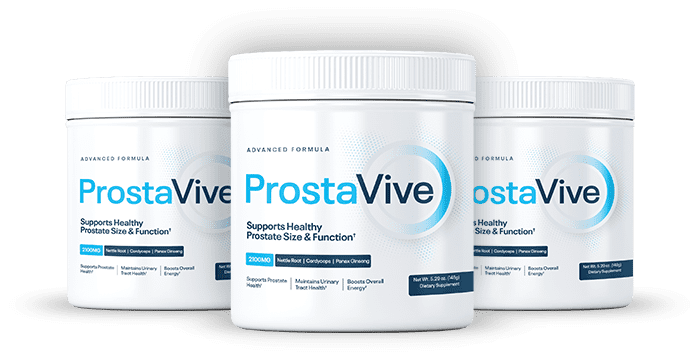
ProstaVive — Broad-Spectrum, 8-Ingredient Stack
ProstaVive is the most comprehensive of the three, built around eight ingredients targeting hormonal balance, urinary comfort, and daily vitality together — Boron, Tongkat Ali, Ashwagandha, Fenugreek, Panax Ginseng, Maca, Artichoke, and Nettle Root. The 180-day money-back guarantee is the longest in the category, which says something about formulator confidence.
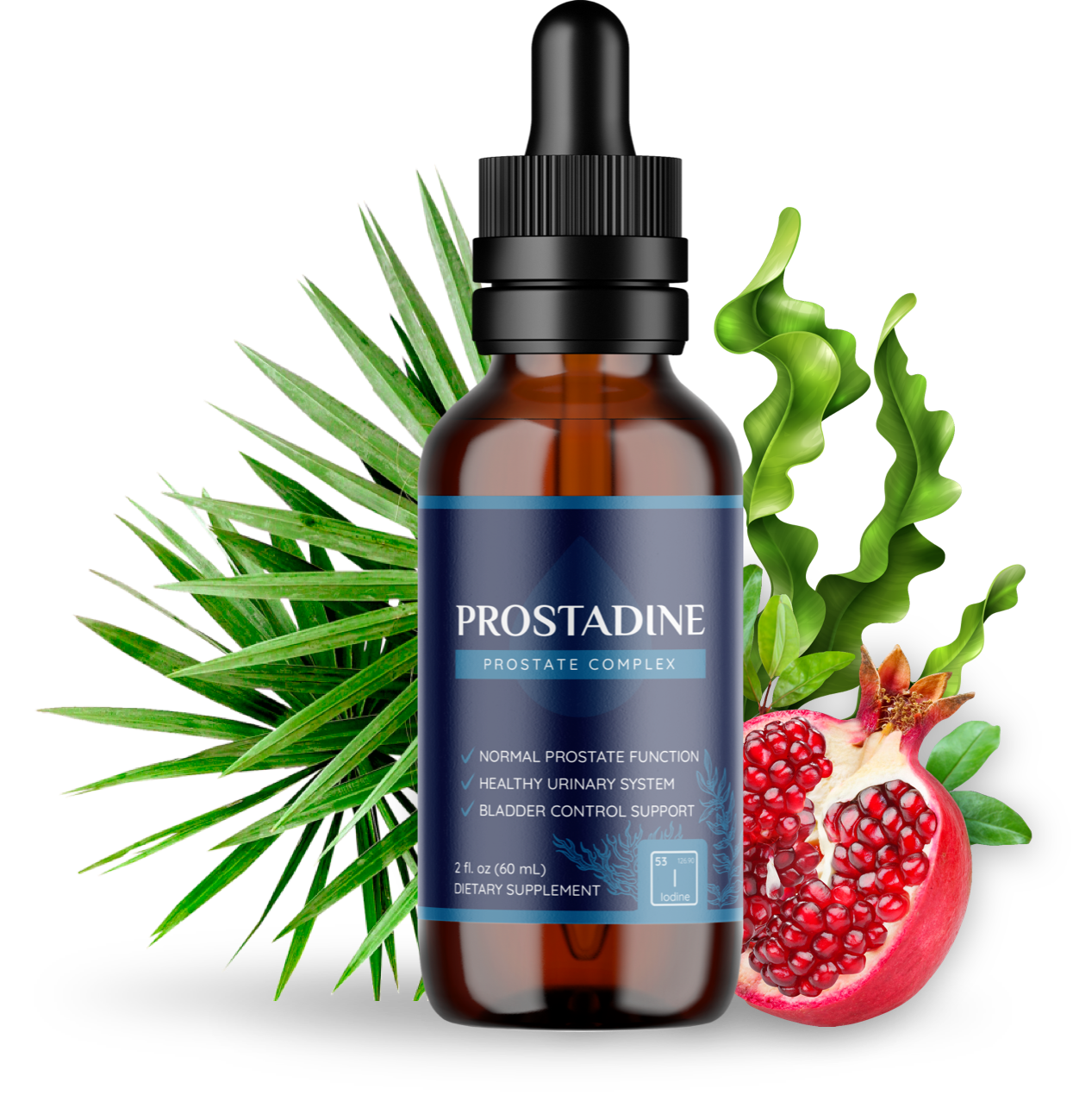
Prostadine — Marine-Extract + DHT-Modulation Approach
Prostadine leans into marine micronutrients (nori, kelp) alongside saw palmetto, pomegranate, shilajit, and neem. The liquid-drop format suits men who'd rather skip capsules, and the DHT-related botanical layer is the closest thing in this group to a hormonally focused formula.
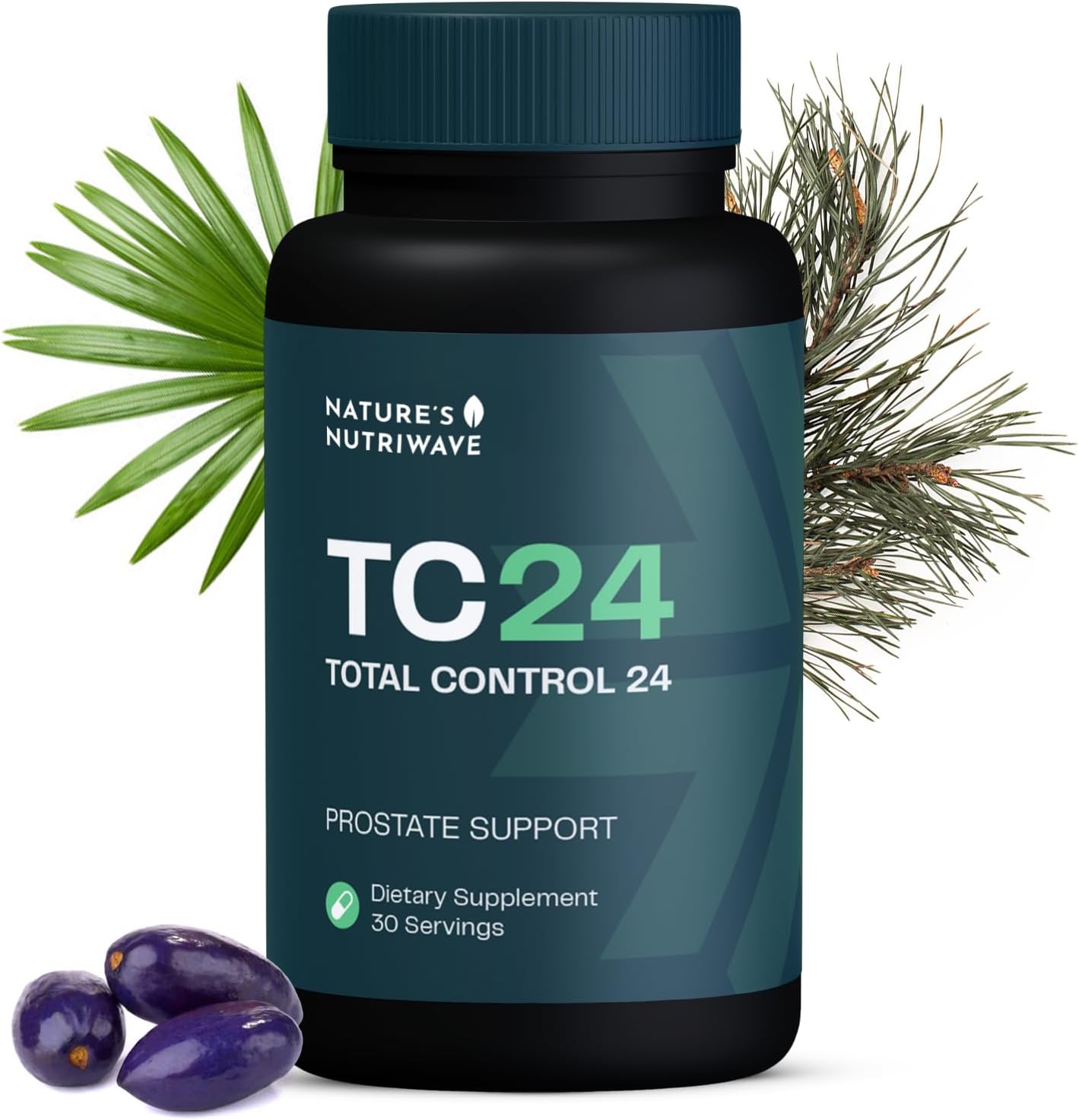
TC24 — Pygeum + Pine Pollen + Vitality
TC24 combines classic urinary botanicals (pygeum, saw palmetto) with pine pollen extract and boron — a blend that leans toward men also looking for hormonal vitality support alongside the prostate comfort piece.
None of these replaces screening, lifestyle, or medical care. They're the daily support layer — the third item in a three-item stack: screening, lifestyle, evidence-aware supplementation.
How to Think About Prostate Cancer Risk Rationally
If Harvard's research teaches anything, it's this:
Prostate health is systemic.
Instead of chasing headlines, focus on:
- Maintaining metabolic health
- Supporting hormonal balance
- Managing inflammation
- Staying physically active
- Following screening guidelines
Supplements can play a supportive role — but they are one layer, not the foundation.
Quick takeaway
The most realistic "prevention" mindset is layered: screening + lifestyle + long-term biological support. No single habit replaces that stack.
FAQs (Featured Snippet Optimized)
What did the Harvard prostate cancer study actually prove?
The study showed an association between higher ejaculation frequency and slightly lower prostate cancer risk. It did not prove causation or establish ejaculation as a prevention method.
Does ejaculation prevent prostate cancer?
There is no conclusive evidence that ejaculation prevents prostate cancer. Some observational data suggest correlation, but more research is needed to confirm mechanisms.
Can supplements reduce prostate cancer risk?
No supplement is approved to prevent prostate cancer. However, some ingredients may support inflammation balance and overall prostate health.
Should I rely on supplements instead of screening?
No. Regular medical check-ups and PSA screening discussions with a healthcare provider remain essential.
When should I see a doctor about prostate cancer risk?
Discuss prostate screening with your doctor starting at age 50 (or age 40–45 if you have a family history or are African American). Seek immediate evaluation for blood in urine, unexplained bone pain, or sudden urinary obstruction.
Conclusion
The Harvard prostate cancer work was never a miracle discovery — it was a reminder. Prostate health moves with whole-body biology: inflammation, hormones, metabolism, lifestyle. The "ejaculation finding" is one signal in a much larger pattern, not a single lever you pull.
Headlines simplify. Biology doesn't. If you're serious about long-term prostate health, the stack that actually works is layered: screening + lifestyle + evidence-aware daily support. No single habit replaces that.
Prevention isn't one dramatic action. It's consistent, biologically-informed decisions over time — and being honest with yourself about which layer you've actually addressed and which you've been telling yourself you'll get to "eventually."
Recommended Products
Reviewed by: The Supplement Post Editorial Team, Editorial Review — Last updated:
About Luciano Andreoti
Luciano Andreoti is a contributor at The Supplement Post, supporting the production of evidence-aware supplement reviews and buyer's guides across multiple health categories. His work spans ingredient analysis, formulation assessment and consumer-oriented summaries — what a label discloses, how the stated doses compare with the amounts used in published human research, and whether a formula's design matches what it claims to do. Every review is checked by The Supplement Post editorial team against the standards published in our editorial policy before it goes live.
Disclosure
All content on The Supplement Post is for informational purposes only and is not a substitute for professional medical advice, diagnosis, or treatment. Each product is a dietary supplement, not a prescription drug; statements about its benefits have not been evaluated by the U.S. Food and Drug Administration (FDA) and the product is not intended to diagnose, treat, cure, or prevent any disease.
Results may vary based on individual health status, consistency of use, and lifestyle. If you are pregnant or nursing, taking medication, or have a medical condition, consult a qualified healthcare professional before using any supplement.
This page may contain affiliate links—if you purchase through them, The Supplement Post may earn a small commission at no additional cost to you. References to third-party sites are provided for convenience; we do not control or guarantee their content.