
Hormonal Balance, Prostate and Performance (2026): How Cortisol, Testosterone and Nitric Oxide Connect
Prostate symptoms, low libido, and weaker erections often overlap for a reason: stress-driven hormonal signaling can disrupt testosterone pathways, nitric oxide responsiveness, and prostate comfort at the same time.

A practical framework: why stress, hormone signaling, circulation, and prostate comfort can decline together -- and how men evaluate natural support realistically.
Key Insights
- Chronic stress can shift hormonal signaling (especially cortisol), which may indirectly affect testosterone pathways, vascular responsiveness, and prostate comfort over time.
- The prostate is hormone-sensitive tissue -- so "urinary symptoms" and "sexual performance" are often part of a larger endocrine + circulation picture, not isolated problems.
- Credible natural support is usually positioned around foundational signaling and long-term daily support -- not aggressive "hormone forcing" or overnight promises.
Hormonal balance affects both prostate health and sexual performance -- and many men notice them declining together. Urinary changes appear around the same period as reduced libido, weaker erections, or lower daily energy. This guide explains why that overlap happens and how to evaluate natural support without chasing "miracle cure" claims.
Quick Answer
Why do prostate symptoms and sexual performance decline together?
Chronic stress elevates cortisol, which can interfere with testosterone signaling, nitric oxide production, and prostate tissue comfort simultaneously. The result is a cluster of symptoms -- urinary issues, low libido, weaker erections, and fatigue -- that share a common upstream driver.
In this guide:
- Quick Answer
- Why Prostate Symptoms and Sexual Changes Often Show Up Together
- How Chronic Stress Changes Hormones
- Why the Prostate Is Hormone-Sensitive Tissue
- Why Energy, Libido, and Prostate Symptoms Can Decline as a Cluster
- Natural Support: Foundations, Not Forced Hormone Boosting
- What Men Should Evaluate Before Choosing a Formula
- Products Commonly Considered for Hormonal + Performance Support
- How These Supplements Are Positioned
- Common Mistakes and Realistic Expectations
- Final Verdict
- FAQs
Why Prostate Symptoms and Sexual Changes Often Show Up Together
At first glance, prostate symptoms and sexual performance feel like separate categories: one seems "urinary," the other seems "vascular" or "hormonal." In real life, men often experience them as a bundle -- especially when life stress, poor sleep, and long-term fatigue are present. Understanding the connection can help men address early prostate warning signs and performance concerns more effectively rather than chasing isolated fixes.
A useful way to think about this overlap is signaling: the body relies on hormonal and vascular communication to regulate tissue function. When signaling becomes inefficient, several systems can decline in parallel rather than one at a time.
- Prostate comfort and urinary flow can be influenced by tissue stress and inflammatory load.
- Erection quality depends heavily on vascular responsiveness and nitric oxide (NO) signaling.
- Energy and libido reflect endocrine balance, sleep quality, and metabolic efficiency -- often affected by chronic stress.
This is why focusing on "one symptom at a time" sometimes misses the bigger picture. The goal is not to label everything as hormone-related -- it is to recognize when a common upstream driver is likely involved.
How Chronic Stress Changes Hormones (Not Just Mood)
Stress is not just a feeling -- it triggers biological prioritization. When stress becomes chronic, the body tends to favor short-term survival signaling. Cortisol is a central part of that response.
Why cortisol matters in men's performance conversations
Cortisol itself is not "bad." The issue is duration. When cortisol signaling stays elevated for long periods, it can interfere with the body's ability to maintain steady endocrine communication and recovery.
- Sleep disruption reduces recovery signaling and can weaken daily energy.
- Lower training adaptation can reduce confidence and resilience over time.
- Vascular responsiveness may become less reliable when recovery and signaling are impaired.
Why men miss the connection
This shift rarely happens overnight. It is gradual -- so it often looks like "normal aging" until multiple symptoms overlap. That overlap is usually the clue that the issue may be upstream, not isolated.
Why the Prostate Is Hormone-Sensitive Tissue
The prostate responds to hormonal signals -- especially pathways involving testosterone and its conversion processes. That does not mean testosterone "causes" prostate problems. It means prostate tissue is highly responsive to endocrine communication.
When hormonal signaling becomes inefficient, it may influence:
- Prostate tissue activity and sensitivity to internal stress
- Urinary flow control and symptom perception
- Sexual response and stamina as vascular and endocrine signaling interact
This is why prostate health is not just a "urinary issue." For many men, it sits within a broader system that includes endocrine balance, circulation, and recovery quality.
Why Energy, Libido, and Prostate Symptoms Can Decline as a Cluster
When men describe "lower energy + reduced libido + urinary changes," they are often describing a pattern where signaling efficiency is down -- not a single broken part. This is important because it changes how men evaluate support options.
It is often about communication, not one organ
Libido and erection quality are sensitive to sleep, stress load, metabolic health, and vascular responsiveness. Prostate comfort is also sensitive to internal stress and inflammatory balance. When these inputs drift in the wrong direction, symptoms can stack. Men who notice this pattern may also benefit from understanding foods that worsen prostate symptoms, since diet can amplify or moderate the inflammatory load on prostate tissue.
Why "quick fixes" feel tempting (and why they backfire)
When the decline feels clustered, men naturally want a single solution. That is where aggressive "boosting" promises can become appealing. The trade-off is that stimulation is not the same as sustainable support -- especially when the underlying context is chronic stress and recovery debt.
Natural Support: Foundations, Not Forced Hormone "Boosting"
Credible natural support is rarely about forcing hormone levels. It is usually positioned around improving the conditions that help the body regulate itself more efficiently -- especially when stress and lifestyle factors are part of the picture. For a broader overview of what natural supplements can realistically offer, see our guide to the best prostate supplements.
What "foundational" support typically means
- Nutrient availability for key pathways involved in men's performance and recovery
- Metabolic and cellular energy support to improve daily capacity and resilience
- Vascular responsiveness support (often discussed via nitric oxide signaling)
- Stress-adaptation positioning focused on long-term daily use rather than instant effects
This is also where men should keep expectations realistic: supplements can support biology, but they do not replace sleep, stress management, exercise, or proper medical evaluation when symptoms are persistent or worsening.
What Men Should Evaluate Before Choosing a Formula
Instead of chasing the loudest claims, a stronger approach is to evaluate a formula based on positioning, mechanism logic, and whether it fits long-term daily use. The questions below help filter out "miracle cure" framing.
- Does the formula support hormonal signaling foundations or rely mainly on short-term stimulation?
- Is it positioned for consistent daily use (weeks/months) rather than overnight change?
- Does it consider vascular responsiveness and energy production as part of performance?
- Does the messaging stay realistic about variability and individual response?
Products Commonly Considered for Hormonal + Performance Support
When men research the overlap between prostate comfort, energy, libido, and performance, they typically look for formulas positioned around endocrine support, performance foundations, and vascular responsiveness.
Within this context, the products most frequently discussed include:
These products are not positioned as medical treatment for prostate disease or sexual dysfunction. They are typically framed as supportive tools that may help men reinforce daily foundations while improving lifestyle inputs.
How These Supplements Are Positioned
Instead of "boosting hormones aggressively," these products are usually positioned by the type of support they emphasize: endocrine signaling foundations, nitric oxide/circulation responsiveness, or daily energy + performance resilience.
| Supplement | Primary Strategy | Typical Use Context | Best Fit For |
|---|---|---|---|
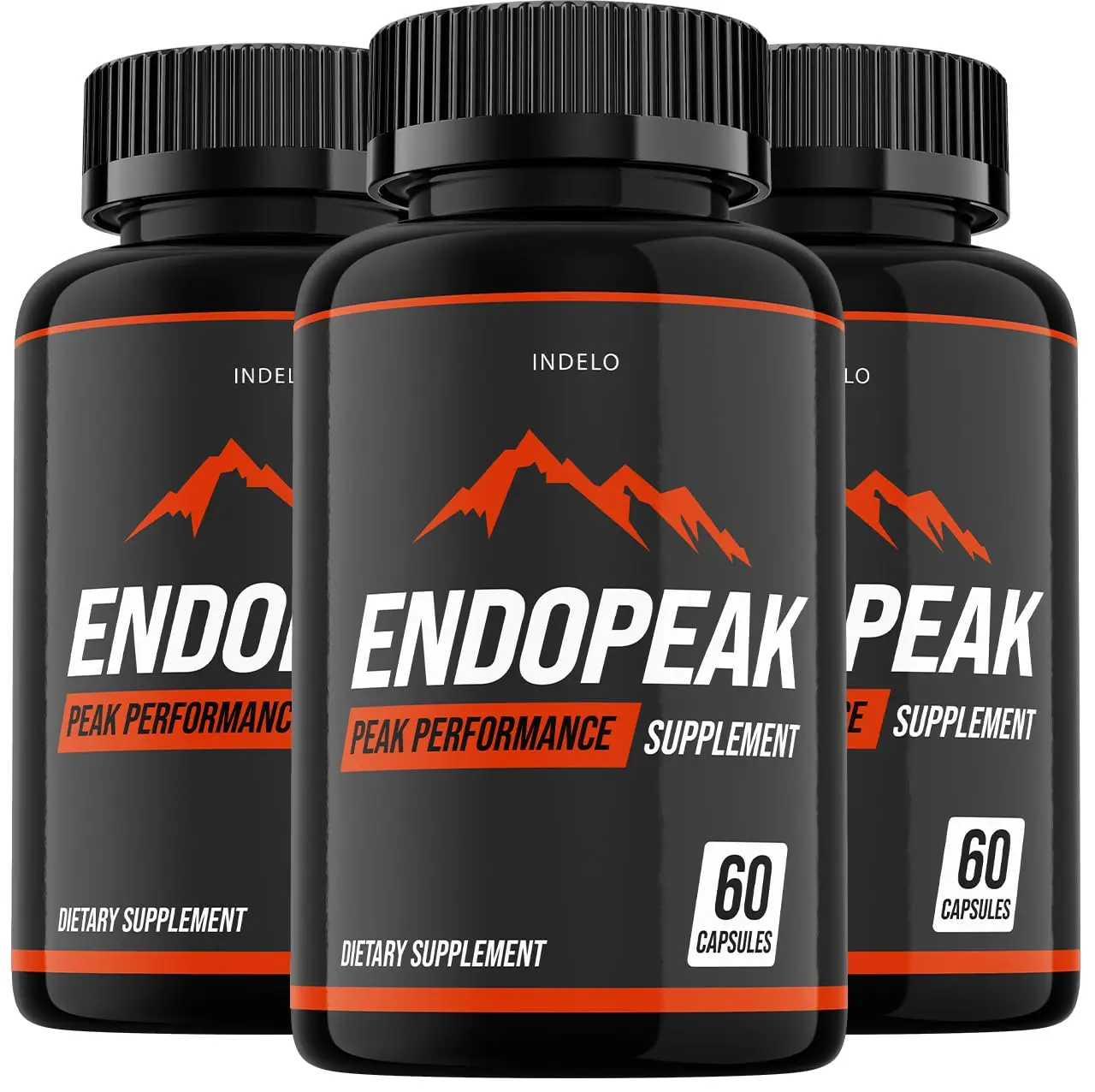
| EndoPeak | Hormonal signaling foundations + daily vitality positioning | Men noticing energy/libido drop alongside stress-driven fatigue | Men prioritizing long-term endocrine support logic over stimulation |
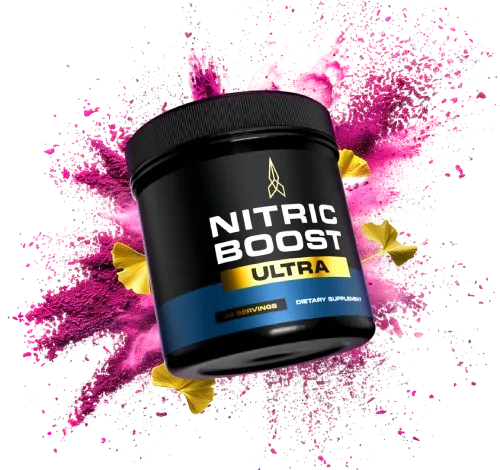
| Nitric Boost Ultra | Vascular responsiveness positioning (nitric oxide signaling support) | Men focused on circulation support as a performance foundation | Men evaluating performance through a blood-flow + responsiveness lens |
*Note: Positioning reflects common consumer framing for natural support. Individual response varies, and persistent symptoms should be evaluated medically.*
Common Mistakes and Realistic Expectations
Men researching hormone balance, prostate comfort, and sexual performance often get pulled into predictable traps. The most common include:
- Confusing stimulation with sustainable support (feeling "something" is not the same as improving foundations).
- Expecting fast results when the underlying issue developed gradually (stress, sleep debt, and lifestyle drift).
- Ignoring context like sleep quality, alcohol intake, weight changes, and training consistency.
- Using supplements as a substitute for medical follow-up when symptoms are persistent or worsening.
A more realistic approach is to treat natural support as a structured routine: track inputs (sleep, stress, activity), stay consistent, and evaluate changes over weeks -- not days.
Final Verdict: Hormonal Balance Is the Missing Link Between Prostate and Performance
When prostate discomfort and sexual performance concerns appear together, the solution is rarely isolated. Understanding hormonal balance offers a clearer framework: stress and recovery influence endocrine signaling, and endocrine + vascular signaling influence performance and comfort.
The strongest strategy is to stay realistic: avoid "miracle cure" claims, focus on foundations, and use natural support as a long-term ally -- especially when combined with better sleep, stress management, and consistent lifestyle inputs. Men who want to go deeper may benefit from exploring supplements to shrink the prostate or reviewing when to take prostate supplements for practical guidance on timing and routine.
If you want to make a smarter decision, the next step is simple: review ingredient mechanisms and see whether a product supports foundational balance or relies on short-term effects.
FAQs
How does hormonal balance affect prostate health and sexual performance?
When stress keeps cortisol elevated, it can interfere with testosterone signaling, nitric oxide production, and prostate tissue comfort. This is why prostate symptoms, lower libido, and weaker erections often appear together.
Can supplements fix hormonal imbalance in men?
Supplements do not fix hormonal imbalances directly. Credible formulas support the foundational conditions -- nutrient availability, vascular responsiveness, and recovery quality -- that help the body regulate itself more efficiently over time.
What is the connection between cortisol and erectile function?
Chronic cortisol elevation can impair vascular relaxation and reduce nitric oxide signaling, both of which are essential for erectile function. Managing stress is one of the most overlooked levers for performance support.
How long does it take for hormonal support supplements to work?
Most foundational support formulas are designed for weeks to months of consistent use. Early changes in energy or sleep quality may appear sooner, but hormonal and vascular improvements are gradual processes.
When should I see a doctor about hormonal or sexual performance concerns?
Consult a healthcare provider if you experience sudden ED, persistent low libido, unexplained fatigue, rapid symptom changes, or if you have known risk factors like diabetes, cardiovascular issues, or are taking medications that may affect hormone levels.
Reviewed by: The Supplement Post Editorial Team, Editorial Review -- Last updated:
Recommended Products
About
Luciano Cesar is a contributor at The Supplement Post, supporting the production of evidence-aware supplement reviews and buyer's guides across multiple health categories. His work spans ingredient analysis, formulation assessment and consumer-oriented summaries — what a label discloses, how the stated doses compare with the amounts used in published human research, and whether a formula's design matches what it claims to do. Every review is checked by The Supplement Post editorial team against the standards published in our editorial policy before it goes live.
Disclosure
All content on The Supplement Post is for informational purposes only and is not a substitute for professional medical advice, diagnosis, or treatment. Each product is a dietary supplement, not a prescription drug; statements about its benefits have not been evaluated by the U.S. Food and Drug Administration (FDA) and the product is not intended to diagnose, treat, cure, or prevent any disease.
Results may vary based on individual health status, consistency of use, and lifestyle. If you are pregnant or nursing, taking medication, or have a medical condition, consult a qualified healthcare professional before using any supplement.
This page may contain affiliate links—if you purchase through them, The Supplement Post may earn a small commission at no additional cost to you. References to third-party sites are provided for convenience; we do not control or guarantee their content.