
Ingredient Check
Pumpkin Seed Extract for BPH and Urinary Flow: What the Research Actually Shows
Pumpkin seed extract is one of the most-searched natural options for BPH — but if it reversed prostate enlargement on its own, urologists would already be handing it out as first-line therapy. Here's what the 24-month trial data actually shows, and why it tends to work best paired with a couple of other ingredients.
Why does the prostate enlarge in the first place?
BPH is driven mainly by shifting hormone signaling, especially dihydrotestosterone (DHT), layered on top of chronic low-grade inflammation and gradual tissue remodeling. As testosterone declines with age, DHT activity inside the prostate stays active. Inflammatory signaling creeps up, and pressure on the bladder rises as the urethra gets squeezed.
The result isn't just a bigger gland. It's obstruction — a weaker stream, hesitancy, more frequent trips, nighttime urination, and that feeling of never quite finishing. None of that is a nutritional deficiency; it's mechanical and biochemical. So where does pumpkin seed fit?
How pumpkin seed extract may help urinary flow
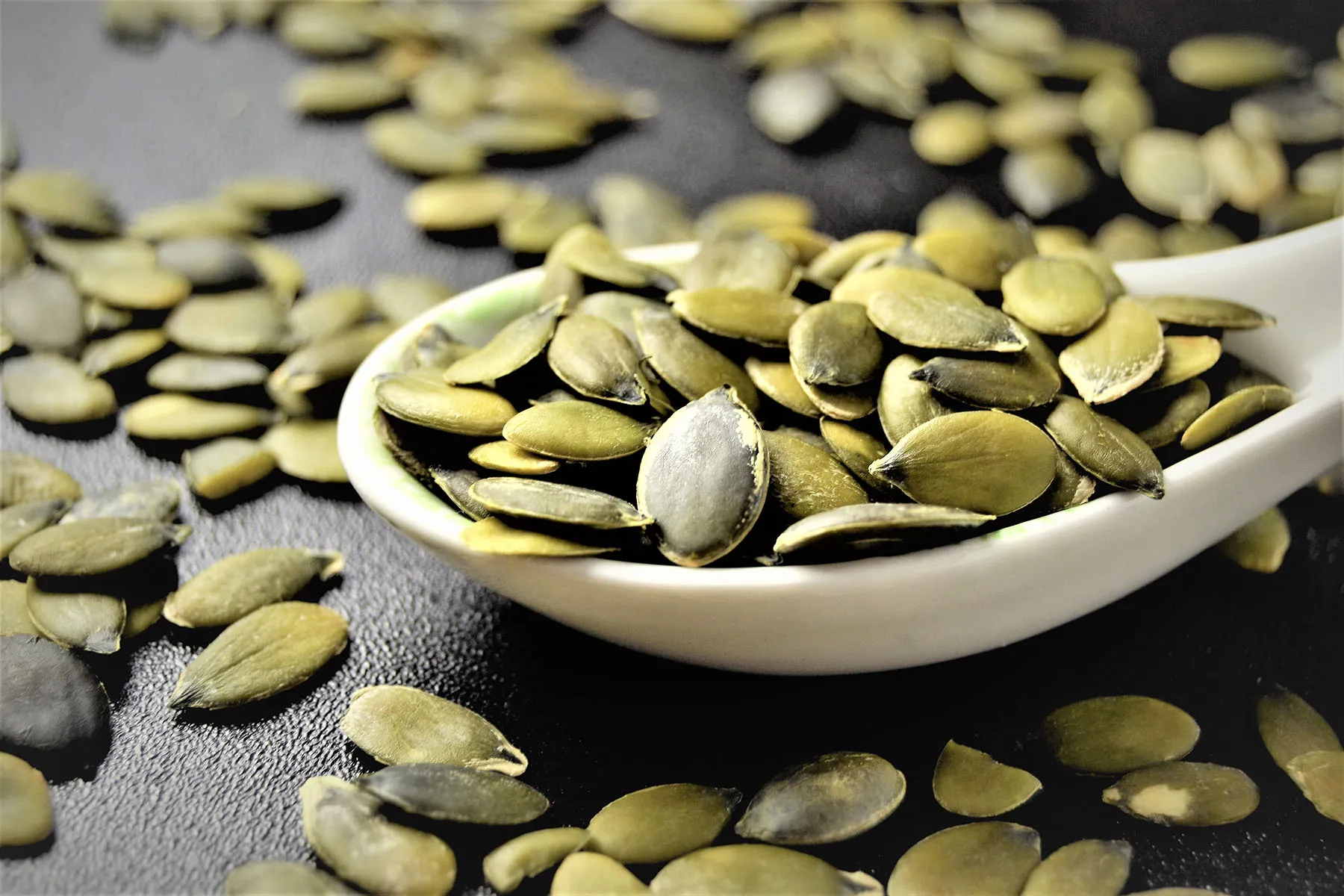
Pumpkin seed extract, especially standardized pumpkin seed oil, carries phytosterols, fatty acids, and antioxidants. Together they touch several BPH-related mechanisms: supporting healthy bladder function and easing mild inflammatory signaling. They also contribute phytosterols, chiefly beta-sitosterol, that may modulate DHT activity. Grasu and colleagues profiled European Cucurbita pepo cultivars in 2025 and found meaningful variation in that phytosterol content between seed sources. That's one reason results differ between formulas.
It's an important distinction: pumpkin seed doesn't dramatically shrink the prostate. Its role is supportive rather than corrective, which is exactly why it's so often paired with saw palmetto, pygeum africanum, nettle root, or lycopene. The synergy tends to matter more than any single ingredient.
The key point The strongest trial we have followed men for 24 months, not 24 days — pumpkin seed is a slow-building, supportive ingredient, and it shows its best face inside a formula, not standing alone. Luciano Cesar, Content Contributor
What the clinical research actually shows
The most substantial data point comes from Theil and colleagues. They tracked men taking a Cucurbita pepo extract for a full 24 months. The study was real-world and noninterventional, published in the World Journal of Urology. Symptom scores improved steadily, and notably, sexual function was unaffected — a genuine advantage over some pharmaceutical options. Antoniou and colleagues, summarizing BPH phytotherapy research in 2023, list pumpkin seed among the ingredients with a credible, if moderate, evidence base.
The honest takeaway: pumpkin seed extract can contribute to symptom relief, especially in earlier-stage BPH. But it performs best when combined with complementary prostate-support compounds, rather than carrying the formula alone.
Pumpkin seed vs. saw palmetto — how the mechanisms compare
Both show up constantly in BPH discussions, but they lean on different biology.
| Criteria | Pumpkin Seed Extract | Saw Palmetto |
|---|---|---|
| Primary mechanism | Phytosterols + fatty acids | 5-alpha-reductase inhibition (DHT) |
| Urinary flow support | Mild to moderate | Moderate to strong |
| DHT modulation | Indirect (via beta-sitosterol) | Direct |
| Best used | In combination with other ingredients | Alone or in combination |
In practice, the two are frequently combined — and formulas that include both tend to outperform either ingredient alone.
Two formulas built around this research
One leans directly on pumpkin seed oil. The other covers the same territory with its usual research companions. Each names the man it fits.
TitanFlow
Direct pumpkin-seed-oil formula — the flow-support specialist

TitanFlow builds pumpkin seed oil into a formula with beta-sitosterol, lycopene, and pygeum africanum — the exact combination the research keeps circling back to. It doesn't lean on pumpkin seed alone; it treats it as one layer among several aimed squarely at weak stream and nighttime frequency.
Look elsewhere if: You want broader prostate-comfort coverage beyond urinary flow — Fluxactive Complete casts a wider net.
Fluxactive Complete
Broader prostate comfort — saw palmetto and pygeum together
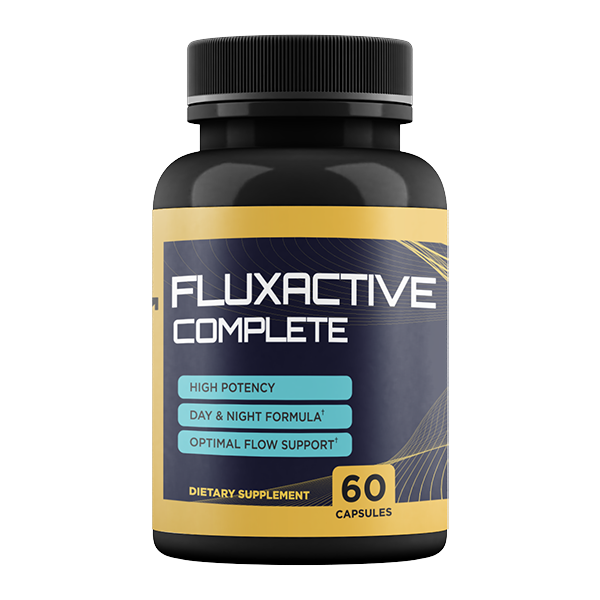
Fluxactive Complete doesn't center on pumpkin seed, but it includes saw palmetto and pygeum — the two ingredients research most often pairs with it in BPH discussions. It's the multi-pathway option for men who want inflammation and vitality support alongside urinary comfort.
Look elsewhere if: Urinary flow is your only real concern — TitanFlow's more direct pumpkin-seed-oil design targets that specifically.
TitanFlow or Fluxactive Complete: which one wins for BPH?
Pumpkin seed extract isn't a miracle fix, but dismissing it would be inaccurate too. Its real value sits inside a structured prostate-support formula. Alone, it offers moderate urinary benefits. Combined with beta-sitosterol, pygeum, and anti-inflammatory botanicals, its contribution becomes more meaningful. If urinary flow is your primary concern, TitanFlow stands out for its direct pumpkin-seed-oil inclusion. If you want broader prostate comfort, Fluxactive Complete offers the wider multi-pathway strategy.
Is it worth trying for BPH and urinary flow?
2:47 a.m., wide awake, staring at a ceiling that's looked exactly the same for three nights running. That unbroken stretch of sleep, not a specific compound name, is usually the thing men are chasing when they start reading ingredient labels this late.
Here's the fair way to see it. Pumpkin seed is a potentiator, not a switch. It eases the phytosterol and inflammatory side of the equation. But it doesn't rewrite the hormonal signaling driving the enlargement on its own. Paired with an ingredient that does, like saw palmetto or beta-sitosterol, it tends to pull its weight. Taken solo and expected to reverse years of gradual change, it will fall short.
The reason it's worth trying is that the evidence, while modest, is real. Theil's 24-month study is one of the longer-running trials in this whole category. It showed steady gains without the sexual-function trade-off some pharmaceutical options carry. That's not a promise for any specific bottle — it's grounds for a genuinely informed try.
And results vary with where you're starting from. A man with mild, early symptoms often notices a difference sooner than one who's had years of gradual narrowing — same formula, same weeks. That's the reason to judge it at week eight, not week two, and it's usually the men who stayed consistent who saw the most.
Frequently asked questions
Is pumpkin seed extract enough to treat BPH?
It may ease mild urinary symptoms on its own, but it's generally more effective paired with other prostate-support ingredients like beta-sitosterol or pygeum.
How long does pumpkin seed extract take to work?
The strongest study followed men for months, not weeks: symptom scores improved over 12 months and held through 24 in the longest follow-up (Theil et al., 2022). Results vary with symptom severity.
Can pumpkin seed shrink the prostate?
There's limited evidence that it significantly reduces prostate size. It's more commonly tied to improving urinary comfort than reversing enlargement.
Is pumpkin seed extract safe?
It's generally well tolerated. Mild digestive discomfort is possible but uncommon. Always check with a healthcare professional before starting a new supplement.
Can pumpkin seed extract be combined with saw palmetto?
Yes. They target different mechanisms — phytosterols and DHT modulation respectively — and many multi-ingredient prostate formulas combine both for broader coverage.
When should I see a doctor instead of trying supplements for BPH?
See a urologist promptly if you notice blood in urine, a complete inability to urinate, recurrent infections, or rapidly worsening symptoms. Supplements support mild-to-moderate cases; they don't replace evaluation for serious ones.