

Traditional Prostate Remedies: What Folk Wisdom Got Right and Where Science Steps In
Tomatoes, garlic, and onions may help the "prostate environment"--but consistent, targeted support usually requires more than diet alone.
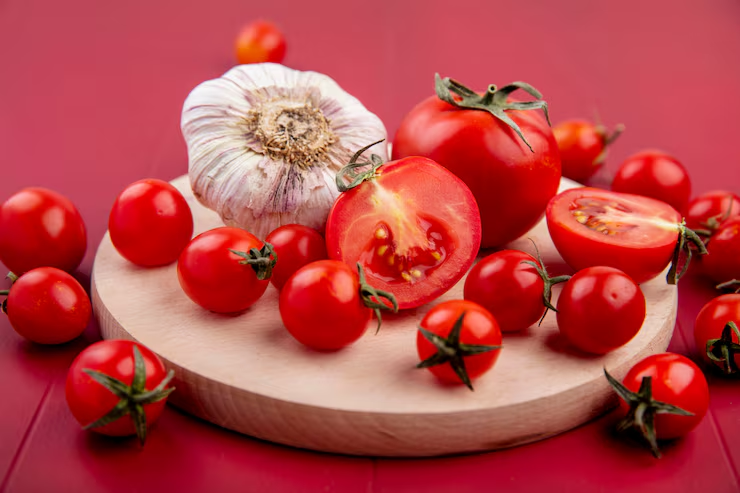
Folk remedies often point in the right direction. Science helps clarify dosage, mechanisms, and realistic expectations.
Key Insights
- Many traditional "prostate foods" contain compounds linked to antioxidant support and healthier inflammatory signaling.
- The real-world bottleneck is consistency: intake varies, preparation changes bioactive levels, and nothing is standardized.
- Modern prostate supplements try to solve this with concentrated extracts and multi-ingredient formulas designed for repeatable daily use.
In this guide:
- Quick Answer
- Why Traditional Prostate Remedies Keep Showing Up
- What Folk Wisdom Got Right About Prostate Support
- Where Diet Alone Often Falls Short
- Where Science Steps In: Standardization and Dosage
- Key Biological Mechanisms That Matter for Prostate Comfort
- Food Remedies vs Standardized Extracts: A Practical Comparison
- How to Choose a Modern Prostate Supplement (Without Overpromises)
- How to Combine Diet + Supplements Responsibly
- Final Verdict: Do Traditional Remedies Work?
- FAQs
For decades, men have relied on simple, natural approaches when prostate symptoms begin to creep in--especially urinary discomfort, frequent nighttime trips to the bathroom, urgency, or a weaker stream. Some "folk remedies" are surprisingly aligned with modern biology. The issue is that diet-based support often lacks the consistency and repeatable dosing most men need once symptoms are noticeable. This guide breaks down what tradition got right, where it falls short, and how science-based supplements are designed to close the gap -- without miracle claims. For a detailed look at lycopene and prostate protection, see our research breakdown.
Quick Answer
Do traditional prostate remedies actually work?
Many traditional remedies contain compounds linked to antioxidant and inflammation-balance support. The main limitation is consistency and dose -- food-based intake varies widely, so results are often uneven. Modern supplements use standardized extracts to deliver more predictable daily support.
Why Traditional Prostate Remedies Keep Showing Up
In men's health communities, the same foods and "kitchen remedies" keep resurfacing whenever prostate irritation or urinary changes come up: tomatoes, garlic, onions, pumpkin seeds, and various herbal teas. That repetition isn't random--it reflects patterns men noticed long before supplements were mainstream.
Traditional approaches often circle one core idea: when the prostate is under stress, the internal environment matters--especially inflammation balance and oxidative stress control. Even without lab markers, men noticed that certain foods seemed to support comfort over time, particularly when used consistently.
The modern shift isn't that tradition was "wrong." It's that science helps define why these choices may help, how they work biologically, and what it takes to see repeatable support -- especially when urinary symptoms are already affecting day-to-day life. For men noticing early signs of enlarged prostate, understanding these mechanisms matters even more.
What Folk Wisdom Got Right About Prostate Support
Foods commonly mentioned in prostate discussions often share a similar profile: they contain antioxidants, polyphenols, or sulfur-based compounds linked to cellular defense and healthier inflammatory signaling. That doesn't make them "treatments"--but it does explain why they show up in prostate comfort conversations.
Tomatoes (Lycopene)
Tomatoes are rich in lycopene, an antioxidant studied for its potential role in supporting prostate cells against oxidative stress. From a practical standpoint, lycopene matters because oxidative pressure is one of the background forces that can contribute to tissue irritation over time--especially as men age.
Garlic (Sulfur-Based Compounds)
Garlic contains sulfur-based compounds often discussed for immune balance and inflammation regulation. In prostate contexts, garlic tends to show up because inflammatory signaling is a common pathway behind urinary discomfort, sensitivity, and fluctuations in how "settled" the prostate feels from day to day.
Onions (Quercetin and Flavonoids)
Onions provide flavonoids such as quercetin, which has been explored in urinary and prostate-support contexts. The key point isn't hype--it's that flavonoids are frequently linked to antioxidant activity and signaling pathways that may influence tissue comfort.
Quick takeaway
Traditional remedies often point to real biological categories--antioxidants and inflammation-balance compounds. Where they struggle is consistency and dose.
Where Diet Alone Often Falls Short
The limitation isn't that these foods are "bad" for prostate health. It's that most men searching for prostate support are looking for consistent, repeatable improvements in comfort--especially when symptoms are already noticeable (nighttime urination, urgency, or weaker flow).
Diet-based strategies can fall short for a few practical reasons:
- Variable concentration: the amount of lycopene, flavonoids, or sulfur compounds varies by food quality, preparation, and serving size.
- Realistic intake limits: reaching "meaningful" levels through diet alone may require amounts many men won't sustain daily.
- Narrow coverage: one food typically supports one lane, while many men want broader support (oxidative balance + inflammation balance + urinary comfort).
- Timing and patience: prostate support is usually a slow-burn category; inconsistent intake often produces inconsistent outcomes.
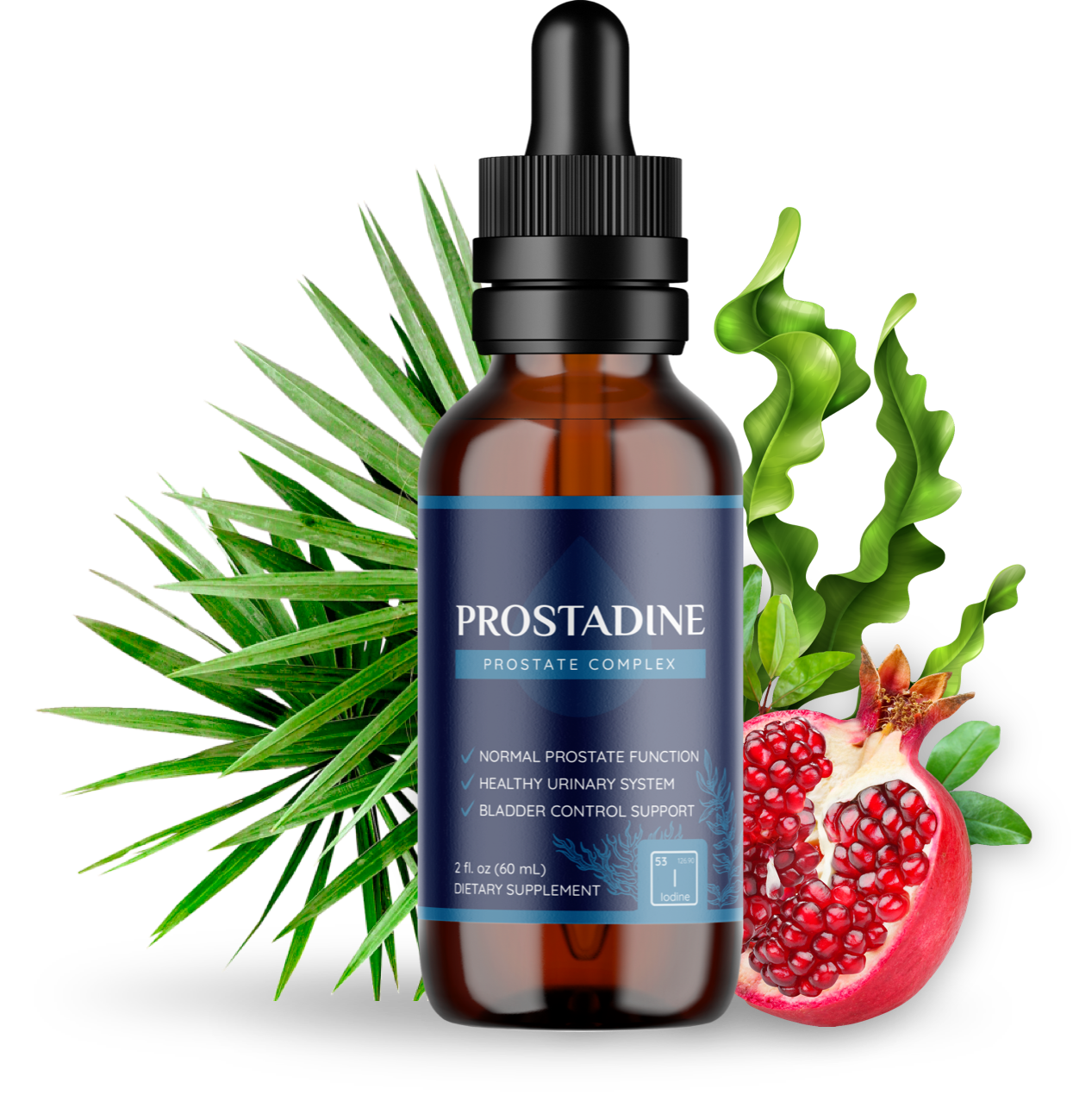
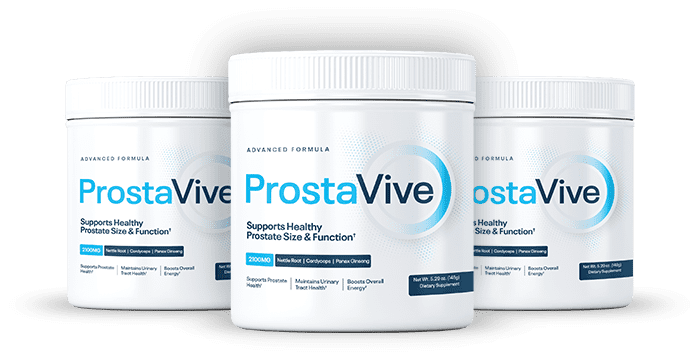
This is the point where many men move beyond "one ingredient at a time" and start looking at structured formulas designed for daily routines. Reviews like Prostavive and Prostadine show how multi-pathway strategies are typically positioned.
Where Science Steps In: Standardization and Dosage
Modern prostate supplements take a more structured approach. Instead of relying on food quantities alone, these formulas use standardized extracts and ingredient combinations built for consistent daily use--aiming for more predictable support over time.
Standardization matters because it reduces the "guesswork" problem. When an ingredient is concentrated and standardized, the goal is simple: the dose you take today resembles the dose you take tomorrow--rather than swinging wildly based on food preparation and serving size.
Products such as Prostadine and Prostavive are built around this principle--combining multiple ingredient categories into a single daily protocol positioned for prostate comfort, urinary flow support, and inflammation balance.
The best way to think about the shift is simple: folk remedies often identify useful directions; science attempts to define repeatable execution.
Key Biological Mechanisms That Matter for Prostate Comfort
"Prostate support" can mean different things, but most men researching this topic are dealing with a familiar set of themes. Modern supplements typically try to address these mechanisms more directly than diet alone.
1) Oxidative Stress Control
Oxidative stress is cellular "wear and tear." In prostate tissue, persistent oxidative pressure can contribute to discomfort and a less stable internal environment. Antioxidant-rich ingredients--food-based or supplemental--are often positioned to support this pathway.
2) Inflammation Balance
Inflammation isn't always "bad"--it's part of normal immune signaling. The problem is when signals remain elevated or poorly regulated, which may contribute to sensitivity, irritation, and urinary discomfort. Many prostate formulas are positioned around helping the body maintain healthier inflammatory balance over time.
3) Urinary Flow and Bladder Comfort Support
When men describe prostate symptoms, they often describe urinary outcomes: urgency, frequency, nighttime urination, weaker flow, or incomplete emptying sensations. Supplements in this space are typically positioned to support comfort and function gradually--especially when paired with hydration and consistent routines.
Quick takeaway
The "science" side of prostate support is mostly about mechanisms: oxidative stress, inflammation balance, and urinary comfort--then designing a consistent daily plan around them.
Food Remedies vs Standardized Extracts: A Practical Comparison
Many men benefit from comparing everyday dietary ingredients with the structured approach used in modern prostate supplements. This table summarizes the main trade-offs.
| Approach | What It Can Support | Main Limitation | Best Fit For |
|---|---|---|---|
| Tomatoes, garlic, onions (diet-based) | General antioxidant and inflammation-balance support | Non-standardized dosing; intake consistency varies | Men focused on foundational health and prevention habits |
| Standardized extracts (supplement-based) | More targeted, repeatable support across multiple pathways | Not a medical treatment; results vary and require consistency | Men seeking a structured daily protocol for ongoing support |
| Combined strategy (diet + supplement) | Foundational nutrition + concentrated daily support | Requires routine adherence and realistic expectations | Men who want the most practical, long-term approach |
*Note: Supplements support the prostate environment and comfort. They are not intended to diagnose, treat, cure, or prevent disease.*
How to Choose a Modern Prostate Supplement (Without Overpromises)
The supplement category is crowded, and "prostate support" labels can be vague. A smarter way to evaluate formulas is to focus on structure and positioning--not hype.
- Look for multi-pathway positioning: support for inflammation balance + oxidative stress + urinary comfort is often more practical than a single-ingredient approach.
- Prioritize consistency language: responsible formulas focus on daily support and gradual improvement--not overnight "fixes."
- Be cautious with guaranteed outcomes: urinary symptoms vary by cause and severity, so "guaranteed results" claims are a red flag.
- Use the product's own mechanism framing: you want to see what the formula is trying to support (and what it isn't).
If you want to compare modern formulas against diet-based remedies, start by reading full, structured breakdowns like Prostadine and Prostavive -- not because they "replace" diet, but because they show how standardized, multi-ingredient strategies are typically positioned.
How to Combine Diet + Supplements Responsibly
The most realistic prostate strategy for most men isn't "either/or." It's a layered approach: a diet that supports the body's baseline defenses, plus a supplement routine that improves consistency and coverage when symptoms are already part of life.
A practical routine mindset
- Diet: keep prostate-friendly foods (tomatoes, alliums like garlic/onion, hydration-focused meals) as a steady baseline.
- Supplement: use a structured daily formula for repeatable support--especially if urinary discomfort or nighttime waking is already present.
- Tracking: judge outcomes over weeks, not days; prostate comfort trends are usually gradual.
When to seek medical guidance
If urinary symptoms are sudden, severe, painful, or worsening rapidly--or if there is fever, blood in urine, or persistent inability to urinate--medical evaluation is essential. Supplements are supportive tools, not substitutes for appropriate care.
Final Verdict: Do Traditional Prostate Remedies Work?
Traditional prostate remedies aren't just folklore -- they often reflect real biological themes: antioxidants, inflammation balance, and long-term tissue support. Where science steps in is the practical gap: standardization, dosage consistency, and multi-pathway coverage.
If you're exploring a structured approach, start with full breakdowns of Prostadine and Prostavive. For more on why food alone rarely solves prostate inflammation, and how prostate inflammation develops, see our related guides.
FAQs
Do traditional prostate remedies actually work?
Traditional prostate remedies can support the prostate environment because many contain antioxidant and inflammation-balance compounds. The main limitation is consistency and dose--food-based intake varies widely, so results are often uneven.
Why do tomatoes, garlic, and onions keep showing up in prostate discussions?
They are commonly discussed because they contain compounds linked to oxidative stress control and healthier inflammatory signaling. Folk wisdom often points to real biological categories--science helps clarify mechanisms, dose, and realistic timelines.
Can diet alone reliably improve urinary symptoms linked to prostate discomfort?
Diet can support foundational health, but men seeking repeatable symptom relief often run into dose and consistency limits. Urinary outcomes tend to improve gradually, and inconsistent intake usually leads to inconsistent results.
Food remedies vs supplements -- what's the practical difference?
Food-based approaches are great for baseline nutrition but have non-standardized dosing. Supplements use standardized extracts to make intake more consistent and multi-pathway -- still supportive (not a treatment), and still dependent on routine adherence over weeks.
When should I see a doctor about prostate symptoms instead of relying on remedies?
If you experience blood in urine, inability to urinate, fever with urinary symptoms, severe pain, or symptoms that worsen rapidly, seek medical evaluation. Traditional remedies and supplements can support comfort but should never delay proper clinical assessment.
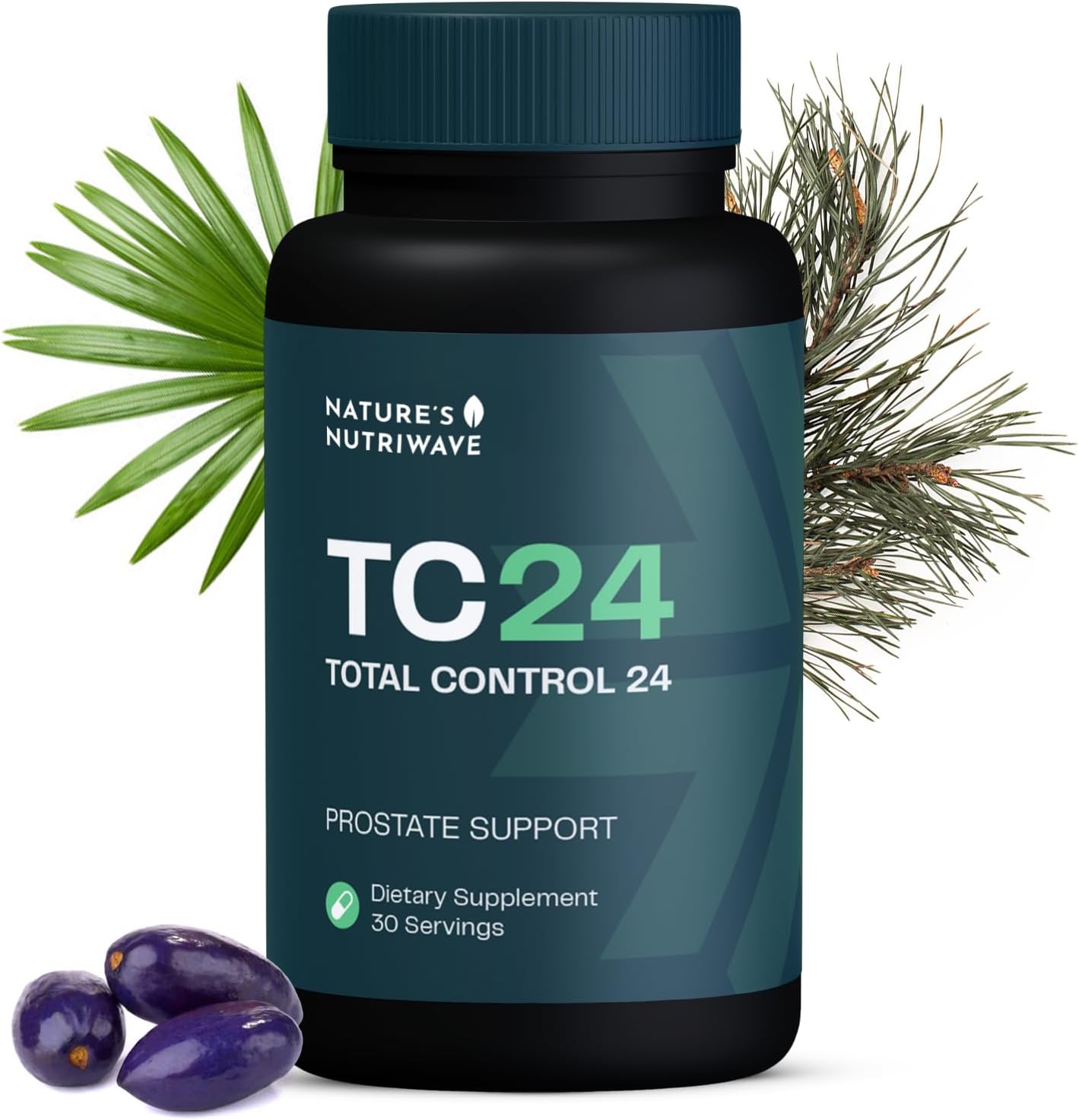
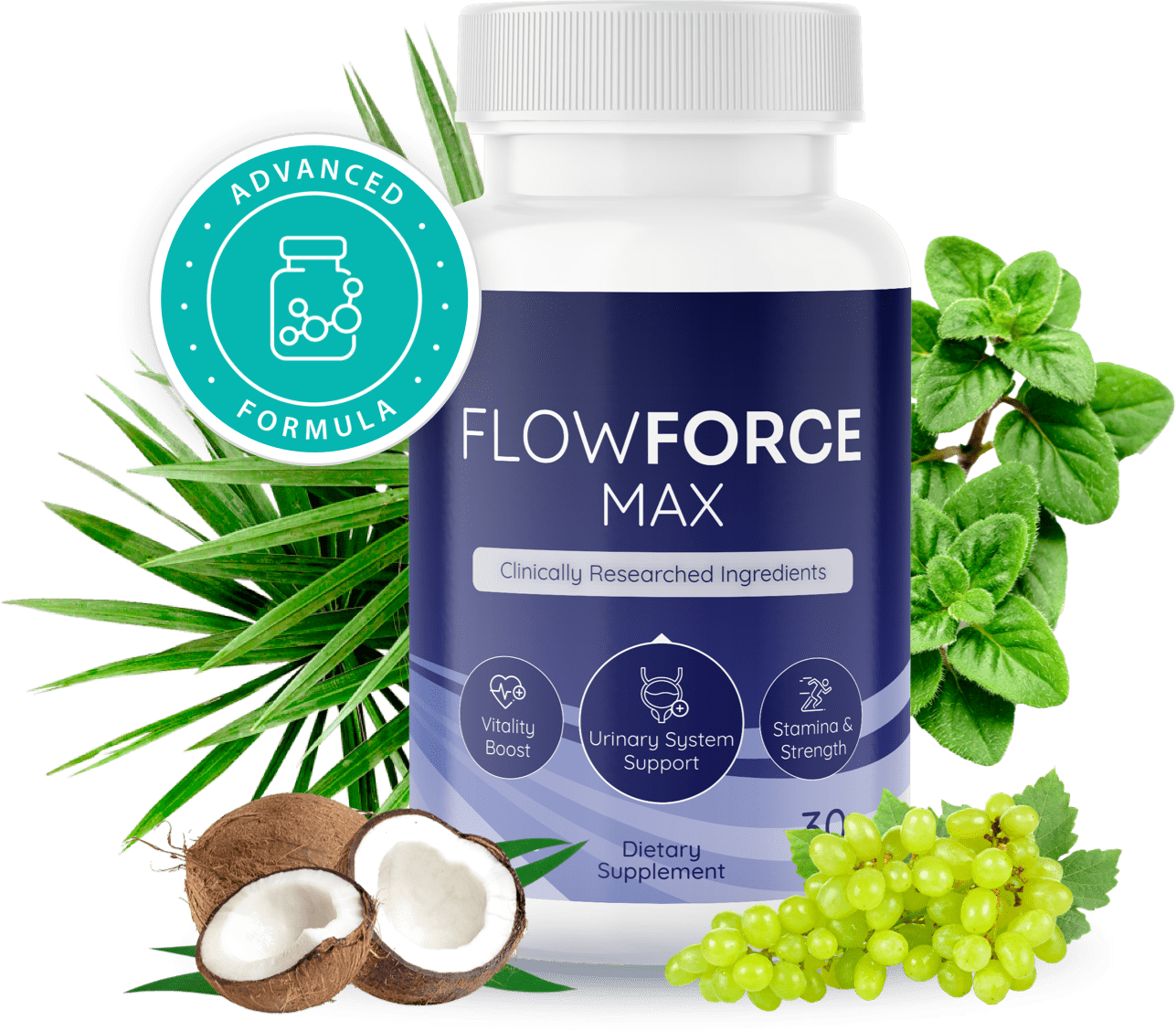
Recommended Products
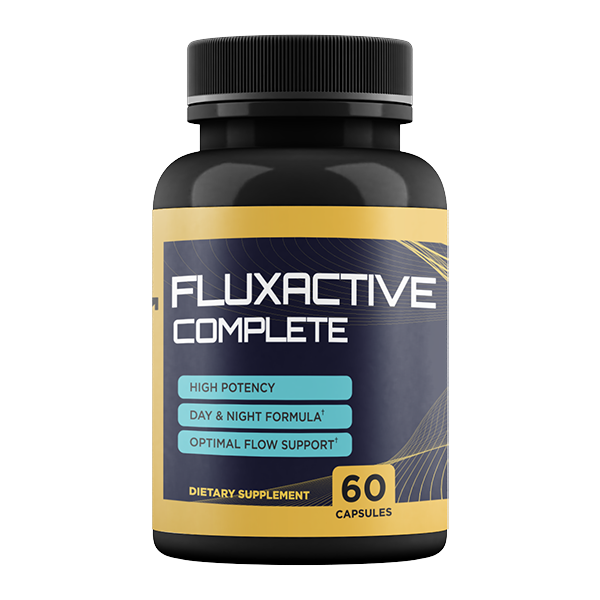
Below are prostate-support products commonly explored for daily comfort, urinary support positioning, and inflammation-balance strategies.
About James Mitchell
James Mitchell is a contributor at The Supplement Post focusing on men's health, circulation, and performance-support supplementation. He covers prostate and urinary flow support, nitric oxide for both vascular and athletic output, mitochondrial energy, and recovery formulas. He specializes in analyzing how ingredients align with cellular bioenergetics and practical buyer considerations — including how to judge a supplement fairly over a realistic timeline.
James Mitchell is not a medical doctor. He analyzes publicly available research and regulatory guidance to provide evidence-aware, consumer-friendly summaries for adults exploring vitality, circulation, and performance support options.
Disclosure
All content on The Supplement Post is for informational purposes only and is not a substitute for professional medical advice, diagnosis, or treatment. Each product is a dietary supplement, not a prescription drug; statements about its benefits have not been evaluated by the U.S. Food and Drug Administration (FDA) and the product is not intended to diagnose, treat, cure, or prevent any disease.
Results may vary based on individual health status, consistency of use, and lifestyle. If you are pregnant or nursing, taking medication, or have a medical condition, consult a qualified healthcare professional before using any supplement.
This page may contain affiliate links—if you purchase through them, The Supplement Post may earn a small commission at no additional cost to you. References to third-party sites are provided for convenience; we do not control or guarantee their content.