

Early Warning Signs of Prostate Problems Every Man Should Recognize
Prostate symptoms rarely start with drama. They start with small changes you can rationalize — until they become your new normal. This guide breaks down the earliest warning signs, what they often mean biologically, and how men typically approach support before issues worsen.

Subtle doesn't mean insignificant: the most common prostate-related changes usually appear gradually, then quietly start affecting sleep and confidence.
In this guide:
- Why Prostate Symptoms Are Easy to Miss
- Understanding the Prostate: Why Symptoms Develop Gradually
- Early Prostate Symptoms Every Man Should Recognize
- Are These Symptoms Always Cancer?
- Why Early Action Matters
- How Supplements May Support Prostate Health
- Top Prostate Support Supplements to Consider
- How to Choose the Right Prostate Supplement
- FAQs
- Final Thoughts
- Recommended Products
If prostate issues were always dramatic, men would seek help immediately. But they rarely are. Most prostate symptoms start subtly — a weaker stream, an extra bathroom trip at night, a feeling that something just isn't functioning the way it used to. The danger isn't sudden pain. The danger is normalization.
That's exactly why structured prostate support formulas like Prostavive , TC24 , and Prostadine have become increasingly popular among men looking to address symptoms early rather than react later. The goal isn't panic — it's proactive awareness.
Why Prostate Symptoms Are Easy to Miss
Prostate symptoms don't usually show up like an alarm. They show up like an inconvenience: you notice the stream is weaker, you take longer to start, you wake up once more at night — and you tell yourself it's stress, hydration, age, or "just a weird week."
The issue isn't that men ignore symptoms on purpose. It's that the symptoms can feel small — until they start shaping your sleep, daily rhythm, and confidence. When that happens, the question becomes less about "Is this serious?" and more about "Why did this become normal?"
Understanding the Prostate: Why Symptoms Develop Gradually
The prostate is a small gland located just below the bladder and surrounding the urethra. Its primary role is to produce seminal fluid. Structurally, however, its location makes it uniquely influential over urinary function.
As men age, three major processes commonly affect the prostate:
- Benign Prostatic Hyperplasia (BPH) — non-cancerous enlargement
- Inflammation and tissue irritation
- Hormonal shifts, particularly involving testosterone and dihydrotestosterone (DHT)
Because the urethra runs directly through the prostate, even mild enlargement can create resistance. Symptoms don't appear overnight. They accumulate as tissue pressure, inflammation, and muscle tone shift.
This is why early symptoms often feel inconsistent — until they don't.
Early Prostate Symptoms Every Man Should Recognize
1. Weaker or Interrupted Urine Stream
A gradual loss of pressure is one of the most common early warning signs. It may take longer to start urinating, or the stream may stop and start.
This usually reflects mechanical compression of the urethra as the prostate enlarges. It is not a hydration issue — it's a flow resistance issue.
2. Increased Nighttime Urination (Nocturia)
Waking once per night occasionally isn't alarming. Waking two, three, or more times consistently is often an early red flag.
Prostate enlargement can prevent complete bladder emptying, leading to residual urine and increased urgency later. Over time, poor sleep compounds the issue — fatigue increases stress hormones, which may further impact urinary sensitivity.
3. Feeling of Incomplete Bladder Emptying
If you finish urinating but still feel pressure or fullness, it may indicate obstruction.
This sensation typically stems from reduced outflow efficiency. The bladder must work harder, and over time the muscle can become more irritable.
4. Urgency or Dribbling
Sudden urges or post-void dribbling can indicate changes in pelvic floor coordination or urethral resistance.
These symptoms are often dismissed as "just aging," but they frequently represent early lower urinary tract changes.
5. Pelvic Discomfort or Pressure
Chronic low-grade inflammation may produce mild pelvic discomfort, heaviness, or pressure. While not always present, it can accompany urinary changes.
Quick takeaway
The earliest symptoms are often "quality-of-life symptoms" before they become "medical symptoms." If sleep and routine are changing, that's worth taking seriously.
Are These Symptoms Always Cancer?
Not necessarily. Most urinary symptoms in aging men are linked to Benign Prostatic Hyperplasia (BPH), not prostate cancer. However, some overlapping symptoms can occur.
Early prostate cancer may present with:
- Difficulty urinating
- Blood in urine (less common early)
- Pelvic or lower back discomfort
Because symptoms overlap, screening and medical evaluation remain essential. PSA testing and digital exams are common first-line assessments. The key takeaway: symptoms should trigger awareness, not self-diagnosis.
| Reality check | What it means | What to do next |
|---|---|---|
| BPH is common | Many symptoms are related to non-cancerous enlargement | Track patterns, consider support, and discuss with a clinician |
| Symptoms can overlap | Urinary changes don't confirm cancer — but don't rule it out | Screening brings clarity (especially if symptoms change) |
| Severe changes matter | Sudden retention, pain, fever, or blood are higher urgency | Seek prompt medical evaluation |
*This guide is informational and not medical advice. If symptoms feel new, persistent, or escalating, get evaluated.*
Why Early Action Matters
The prostate doesn't usually shrink on its own once enlargement begins. While progression varies, ignoring early signs often leads to sleep fragmentation, bladder strain, and gradually worsening disruption.
Common downstream effects include:
- Greater urinary disruption
- Sleep fragmentation
- Bladder strain
- Reduced quality of life
Addressing symptoms early focuses on reducing inflammation, supporting hormonal balance, and improving urinary flow efficiency before severe obstruction develops.
How Supplements May Support Prostate Health
While no supplement replaces medical evaluation, certain ingredients have been studied for prostate and urinary support. The most responsible formulas don't frame themselves as "instant fixes" — they frame themselves as daily support for the processes that commonly influence urinary comfort over time.
Key mechanisms often include:
- Supporting healthy DHT balance
- Reducing inflammatory signaling
- Improving urinary flow dynamics
- Enhancing antioxidant protection
Formulas like Prostavive , TC24 , and Prostadine combine botanical extracts and micronutrients commonly associated with prostate health routines.
Top Prostate Support Supplements to Consider
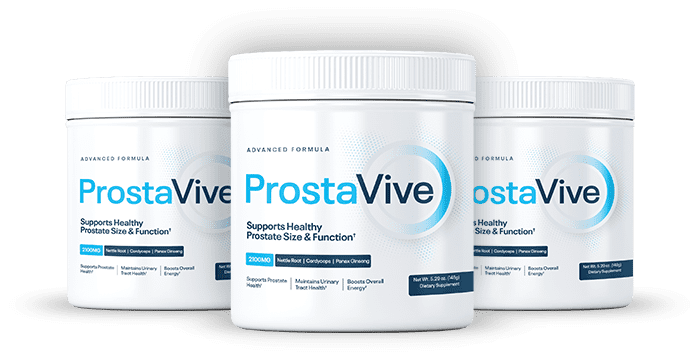
Prostavive
Overview: Prostavive is positioned as a comprehensive daily prostate support formula.
Key Focus Areas:
- Hormonal balance
- Inflammation support
- Urinary flow comfort
Best For: Men noticing early BPH-related symptoms who want structured daily support.
TC24
Overview: TC24 emphasizes circulation and cellular support alongside prostate comfort.
Key Focus Areas:
- Urinary flow strength
- Tissue health
- Antioxidant defense
Best For: Men experiencing weaker stream and increased urgency.
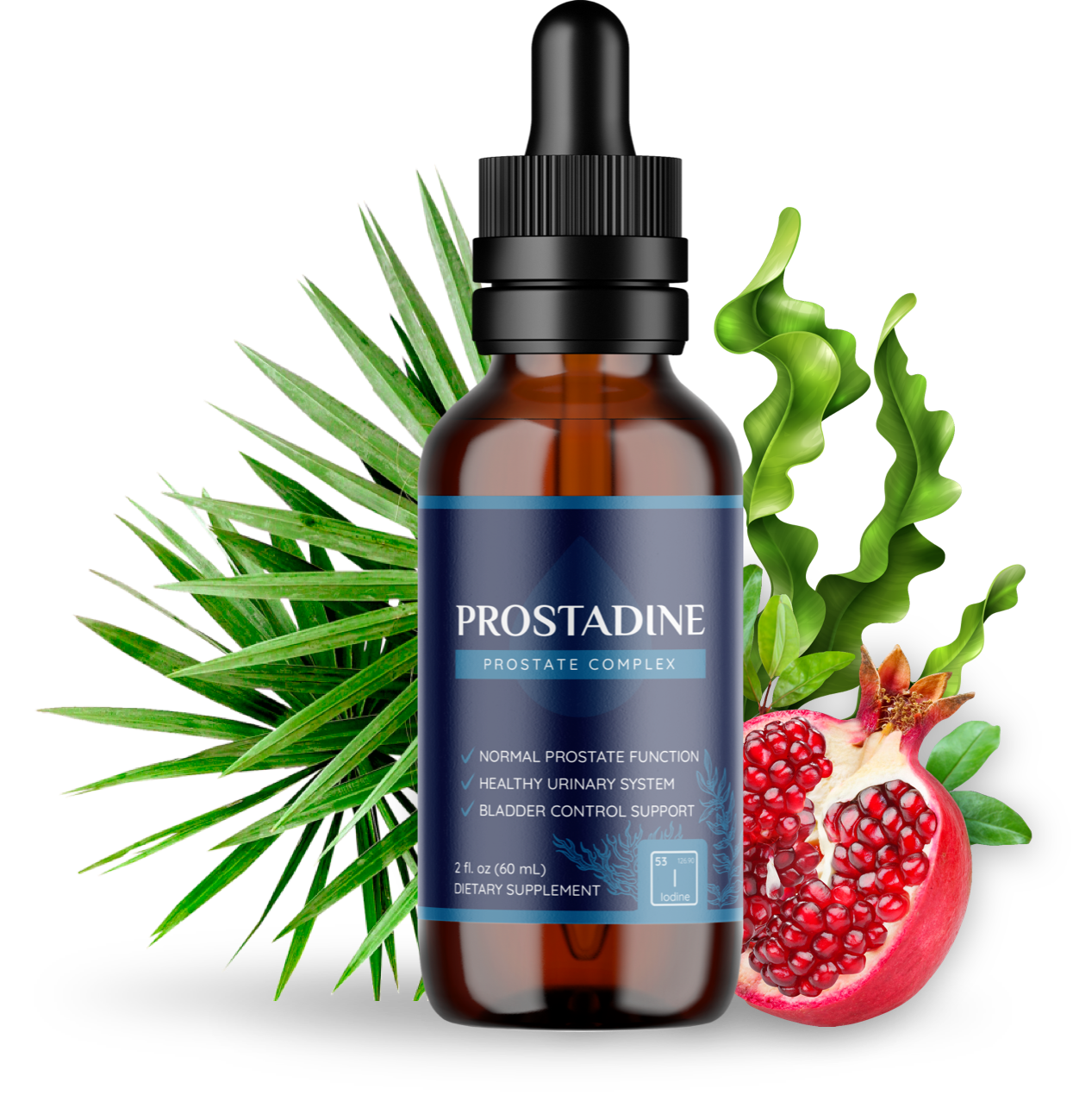
Prostadine
Overview: Prostadine uses a liquid delivery format with plant-based extracts traditionally associated with urinary balance.
Key Focus Areas:
- Bladder comfort
- Urinary frequency support
- Detox-support positioning
Best For: Men seeking a non-capsule option.
How to Choose the Right Prostate Supplement
When evaluating options, it helps to think like a long-term buyer — not like someone looking for a one-night experiment. Prostate comfort is usually discussed as gradual, and the most credible products tend to set expectations around consistency rather than hype.
1. Ingredient Transparency
Full label disclosure builds trust.
2. Mechanism-Based Formulation
Look for ingredients with plausible biological pathways, not just marketing claims.
3. Manufacturing Standards
Prefer products manufactured in GMP-certified facilities.
4. Realistic Positioning
Avoid products promising instant "cures." Consistency and patience matter more than hype.
If symptoms persist, worsen, or feel "off," don't self-manage indefinitely. Supplements can be supportive — but medical evaluation matters when symptoms change.
FAQs
What are the earliest prostate symptoms?
The earliest prostate symptoms often include weaker urine stream, increased nighttime urination, and difficulty starting urination. These signs usually develop gradually and may indicate benign enlargement rather than cancer.
Is nighttime urination always a prostate problem?
Not always. Nighttime urination can also relate to fluid intake, sleep disorders, or bladder sensitivity. However, persistent nocturia in men over 40 is commonly linked to prostate enlargement.
Can prostate symptoms improve naturally?
Lifestyle adjustments and structured supplement routines may help support urinary comfort. However, persistent or worsening symptoms should be evaluated by a healthcare professional.
When should I see a doctor for prostate symptoms?
If symptoms interfere with sleep, worsen over time, or include blood in urine or pain, medical evaluation is recommended. Early assessment provides clarity and peace of mind.
Conclusion: Awareness Is Power
Prostate symptoms rarely arrive dramatically. They accumulate. And what feels minor today can become disruptive tomorrow.
Understanding early warning signs allows you to take informed action — whether that means medical screening, lifestyle adjustments, or structured prostate support.
If you're noticing changes, don't normalize them. Explore evidence-informed options like Prostavive , TC24 or Prostadine — and prioritize long-term prostate health starting now.
Reviewed by: Michael Anderson, Editor-in-Chief — Last updated:
Recommended Products

About James Mitchell
James Mitchell is a contributor at The Supplement Post focusing on men's health, circulation, and performance-support supplementation. He covers prostate and urinary flow support, nitric oxide for both vascular and athletic output, mitochondrial energy, and recovery formulas. He specializes in analyzing how ingredients align with cellular bioenergetics and practical buyer considerations — including how to judge a supplement fairly over a realistic timeline.
James Mitchell is not a medical doctor. He analyzes publicly available research and regulatory guidance to provide evidence-aware, consumer-friendly summaries for adults exploring vitality, circulation, and performance support options.
Disclosure
All content on The Supplement Post is for informational purposes only and is not a substitute for professional medical advice, diagnosis, or treatment. Each product is a dietary supplement, not a prescription drug; statements about its benefits have not been evaluated by the U.S. Food and Drug Administration (FDA) and the product is not intended to diagnose, treat, cure, or prevent any disease.
Results may vary based on individual health status, consistency of use, and lifestyle. If you are pregnant or nursing, taking medication, or have a medical condition, consult a qualified healthcare professional before using any supplement.
This page may contain affiliate links—if you purchase through them, The Supplement Post may earn a small commission at no additional cost to you. References to third-party sites are provided for convenience; we do not control or guarantee their content.