
Ingredient Check
Is Saw Palmetto Good for Prostate Health? What It Helps — and When It Doesn't
Saw palmetto is the most-used natural ingredient for prostate symptoms — and one of the most argued-about. The honest answer isn't “yes” or “no.” It's “yes, for a specific man, at a specific stage, used a specific way.” Here's how to tell if that's you.
First — what saw palmetto actually does
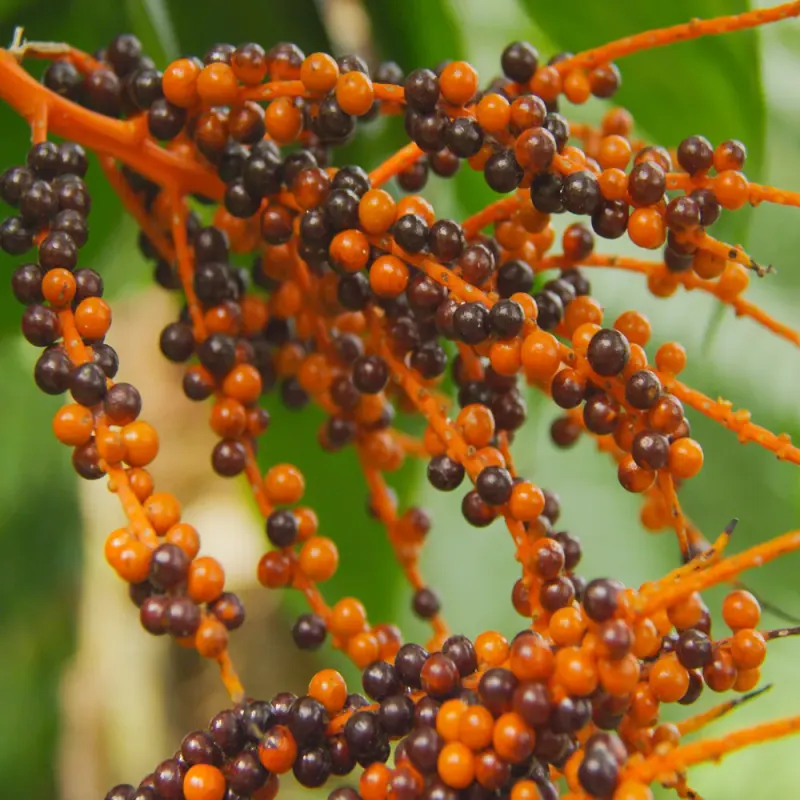
Saw palmetto is an extract from the berries of a small palm native to the southeastern US. Men take it for one reason: the urinary symptoms that come with an enlarging prostate — weak stream, urgency, and the 2-a.m. bathroom trips that wreck a night's sleep. To understand the early version of those symptoms, see the early signs of an enlarged prostate.
It works on two fronts. First, it's thought to gently influence 5-alpha reductase — the enzyme that converts testosterone into DHT, the hormone that drives prostate growth. Slow the DHT, slow the growth. Second, it has an anti-inflammatory effect on prostate tissue, which eases the irritation behind a lot of urinary discomfort. Neither effect is fast or dramatic — but together they map onto the actual biology of mild-to-moderate BPH.
What it does not do is reverse an advanced, severely enlarged prostate, or substitute for medical care when symptoms are serious. The honest framing is symptom support for the early-and-middle window — and the men who get the most from it are the ones who match it to that window, standardize the extract, and give it real time.
The key point Standardized saw palmetto, in the right man, inside a multi-pathway formula, shows real benefit. Cheap extract, in advanced disease, taken alone, shows little. Most of the confusion is just those two cases getting averaged together. Luciano Cesar, Content Contributor
By the numbers
320 mg
the daily standardized saw palmetto dose with pooled trial benefit
85–95%
the fatty-acid/sterol standardization that separates working extract from filler
from 8 wks
when the gradual gains typically start to show
~½
of men have an enlarged prostate by age 60
What the research actually shows
Saw palmetto's research is genuinely mixed — but "mixed" is more interesting than it sounds, because the reason for the mixed results is itself the most useful finding. Here's the honest read:
The Evidence
- It helps a meaningful share of men with mild-to-moderate BPH. A 2021 systematic review and meta-analysis by Trivisonno and colleagues, pooling the trial data, found standardized saw palmetto improving flow, night wakings, and urgency versus placebo in this group — gradually, over 8 to 12 weeks.
- Standardization is the variable that decides the outcome. A 2026 systematic review by Schwartzmann and colleagues found the benefit showing up most consistently with standardized hexanic extracts and beta-sitosterol-enriched preparations — not with generic, non-standardized material. A lot of the "saw palmetto doesn't work" headlines come from the second kind.
- Larger, stricter trials show smaller effects. The 2024 Cochrane review update by Franco and colleagues — which folds in the NIH-funded CAMUS trial — found saw palmetto no better than placebo at higher doses. That's why honest sources frame it as "modest help for some," not a cure. Both the believers and the dismissers are partly right.
- It fits naturally alongside other prostate botanicals. A 2023 literature review by Antoniou and colleagues, covering saw palmetto, pygeum, and pumpkin seed together, found the same modest, well-tolerated pattern across all three — which is exactly why serious prostate formulas use it as one ingredient in a stack, not the only one.
The pattern is consistent: standardized saw palmetto, in the right man, inside a multi-pathway formula, shows real benefit. Cheap extract, in advanced disease, taken alone, shows little. Most of the confusion is just those two cases getting averaged together.
When saw palmetto is most likely to help you
It's not universal — it fits a specific profile. Saw palmetto tends to help most when all of these are true:
- Your symptoms are early or moderate — weak flow, urgency, nighttime trips — rather than severe or rapidly worsening
- The extract is properly standardized (around 85–95% fatty acids and sterols) — not generic "saw palmetto powder"
- You'll actually take it daily for 8–12 weeks — the effect builds slowly and quitting early is the most common reason it "fails"
- It's part of a broader formula that also covers inflammation, circulation, and bladder comfort — where it tends to outperform a solo capsule
The terms that matter
- BPH (benign prostatic hyperplasia)
- The medical name for an enlarged prostate that isn't cancer. As the gland grows it squeezes the urethra, which is what causes weak flow, urgency, and frequent bathroom trips. It affects about half of men by 60 (NIDDK).
- DHT (dihydrotestosterone)
- A hormone your body makes from testosterone that drives prostate growth later in life. Slowing how much DHT the prostate produces is the main lever most natural prostate ingredients pull — saw palmetto included.
- 5-alpha reductase
- The enzyme that turns testosterone into DHT. Saw palmetto is thought to mildly inhibit it — the same target prescription drugs like finasteride hit, just far gentler.
- Standardized extract
- An extract guaranteed to contain a set percentage of active compounds (here, ~85–95% fatty acids and sterols). It's the difference between a product that matches the studies and one that's basically filler — and it's the #1 thing to check on a label.
- IPSS
- The International Prostate Symptom Score — the standard questionnaire doctors and trials use to measure urinary symptoms. When studies report saw palmetto "improving symptom scores," this is usually the score they mean.
Two formulas that use saw palmetto well
Since saw palmetto performs best in combination, the practical question isn't "which saw palmetto pill" — it's "which formula puts it to work alongside the right partners." Two picks for two starting points. Each names the man it fits and the one it doesn't.
Prostadine
Early-stage symptoms — the liquid that absorbs faster
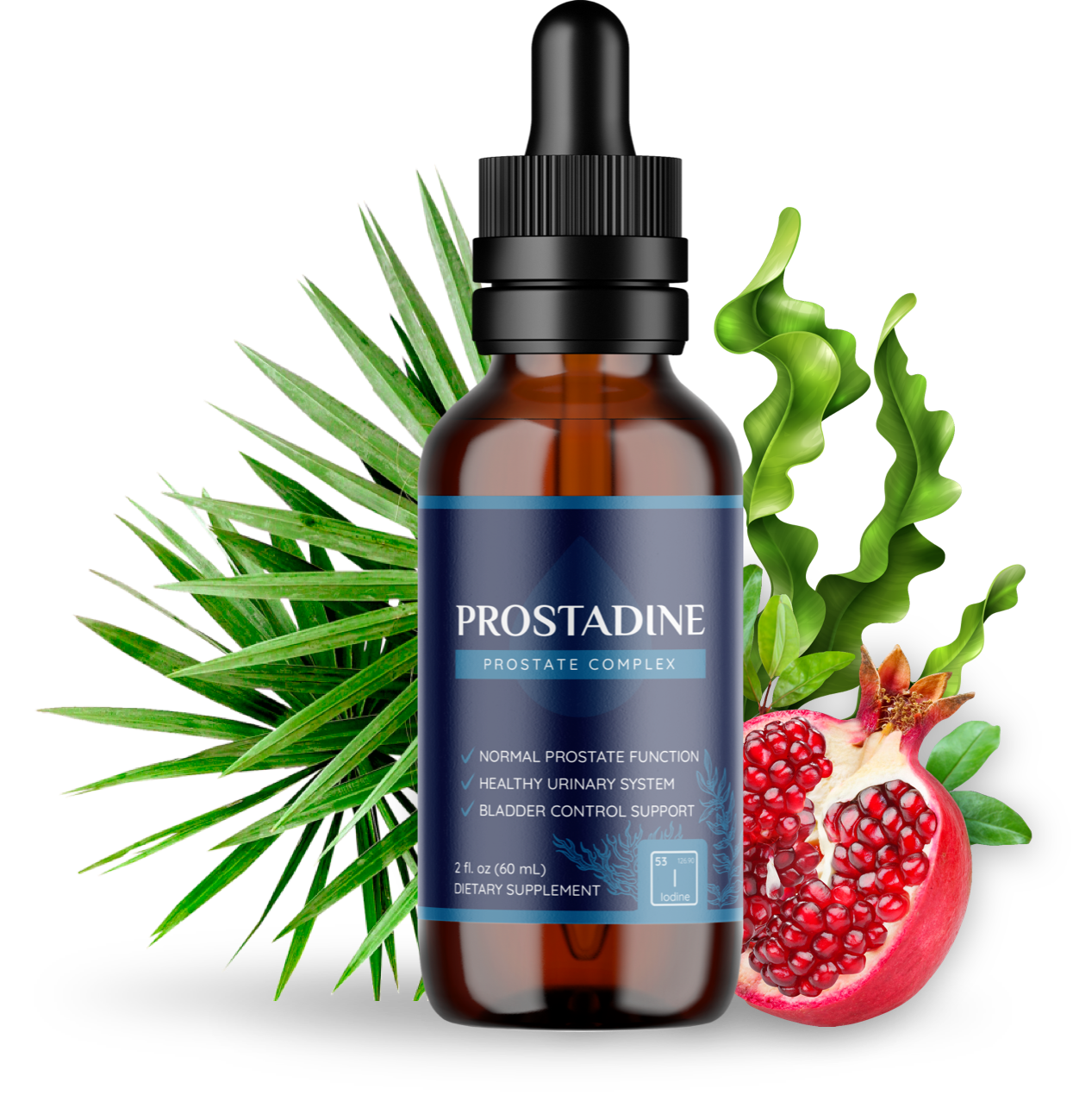
If you're just starting to notice the changes — slightly weaker stream, occasional urgency, nothing severe yet — Prostadine's liquid format absorbs faster than capsules and pairs its sterol-and-botanical blend with a DHT-and-inflammation focus built for the early window. It's the gentlest entry point of the two, designed for keeping mild symptoms from compounding rather than reversing advanced ones.
Look elsewhere if: Your symptoms are already moderate and persistent — you'll likely want the broader coverage of Fluxactive Complete.
Fluxactive Complete
The broadest stack — saw palmetto plus many adjacent botanicals
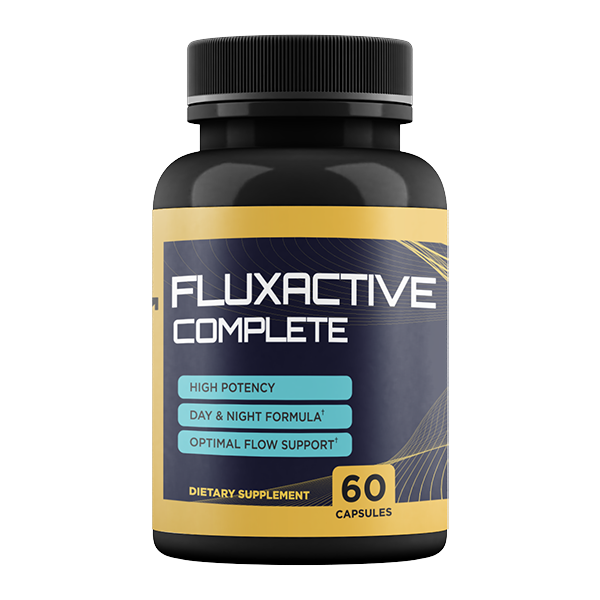
When the goal is comprehensive daily prostate support rather than one mechanism, Fluxactive Complete is the broad-spectrum option — saw palmetto sits alongside pygeum, plant sterols, and a long list of adjacent botanicals targeting urinary comfort, circulation, and hormonal context together. It's the pick for the man who'd rather have everything in one capsule than build a stack himself. The trade-off of any broad blend is that individual doses are harder to isolate.
Look elsewhere if: You're just starting to notice early-stage symptoms and want a gentler, liquid-format entry point — Prostadine is built for that window.
Side-by-side: which formula fits your stage?
Same ingredient, two different builds around it. This maps each to the symptom profile it fits best.
| What you care about | Prostadine | Fluxactive Complete |
|---|---|---|
| Best for | Early-stage, mild symptoms | Widest daily coverage |
| Format | Liquid drops | Capsules |
| Saw palmetto role | Sterol + DHT focus | One of many botanicals |
| When you'd notice | 6–10 weeks | 8–12 weeks |
| Money-back window | 60 days | 60 days |
| Where to buy | Site → | Site → |
Both are sold only through their official websites, ship with a money-back guarantee, and use GMP-certified manufacturing. Read the full Prostadine review or the Fluxactive Complete review for the complete ingredient breakdown.
Is saw palmetto good for prostate health?
So — is saw palmetto good for prostate health? Yes, for the right man: early-to-moderate symptoms, a standardized extract, daily use for a couple of months, ideally inside a broader formula. For that man, it's a safe, well-tolerated, low-risk way to support easier flow and fewer night wakings. For a man with severe or rapidly worsening symptoms — or who buys cheap, non-standardized extract and quits at week two — it'll feel like it did nothing, because for him it mostly did.
Here's where we'd start. If you're just starting to notice the early changes and want the gentlest daily routine, Prostadine is the pick we'd reach for first — the liquid format absorbs faster than capsules and is built for that early window, and the 60-day guarantee makes a fair trial low-risk. Worst case, you mail it back. Best case, the bathroom stops running your night.
If symptoms are severe, come on suddenly, or include blood in urine, pain, or fever — see a doctor first. Saw palmetto supports the mild-to-moderate window; it doesn't replace evaluation when something feels acutely wrong.
Is it worth trying for prostate health?
Picture the version of the night that isn't interrupted twice. The movie you finish without a pause for the bathroom. The long drive where you don't already know which exits have a rest stop. None of that is dramatic — it's just the ordinary comfort that quietly disappears when a prostate starts pressing on the urethra, and it's what most men are actually chasing when they start reading about saw palmetto.
Here's the honest frame. Saw palmetto is a potentiator, not a cure — it nudges the DHT and inflammation pathways behind an enlarging prostate; it doesn't shrink the gland or reverse advanced disease. Taken that way, in a properly standardized dose, it tends to deliver a real if modest gain. Expected to act like a prescription drug, it will disappoint.
What makes the attempt worth it is that the ground isn't empty. Trivisonno and colleagues pooled the trial data and found a real, if gradual, benefit for men with mild-to-moderate symptoms. Schwartzmann and colleagues found that benefit concentrated in standardized extract — which is exactly the detail most buyers miss. Even the stricter Cochrane update from Franco and colleagues, the one that keeps expectations honest, doesn't erase the signal in the right group; it just sizes it correctly.
And the response is yours, not an average. A man in his early 50s with mild symptoms will read a different result than a man in his late 60s with years of gradual narrowing — same extract, same weeks. That's not a reason to skip it. It's the reason to match the dose to the standardization, give it the full 8-to-12-week window, and judge it on your own nights, not someone else's.
Frequently asked questions
Does saw palmetto really work for the prostate?
For the right man, yes — modestly. Saw palmetto tends to provide meaningful support for men with early or moderate urinary symptoms, especially when the extract is properly standardized (to around 85–95% fatty acids and sterols) and used consistently for 8–12 weeks. It's not dramatic and it's not for everyone, but pooled trial data shows a real, reproducible benefit in the right group.
Is saw palmetto good for an enlarged prostate?
It can help with the urinary symptoms of an enlarged prostate (BPH) when those symptoms are still mild to moderate. It works on the DHT and inflammation pathways behind the enlargement rather than dramatically shrinking the gland — so it's best understood as symptom support, and it usually works best as part of a broader formula.
How long does saw palmetto take to work?
Saw palmetto is not an instant fix. Benefits build gradually with consistent daily use, typically over 8–12 weeks rather than days. Men who quit at week 2 because 'nothing happened' tend to quit right before the window where the effect becomes noticeable.
What are the benefits of saw palmetto for men?
Commonly reported benefits include easier urinary flow, fewer nighttime bathroom trips, less urgency, and greater overall comfort in the lower urinary tract. These changes are gradual but tend to accumulate into a noticeable quality-of-life improvement over a couple of months.
When should I see a doctor about prostate symptoms?
See a healthcare professional if you have persistent urinary symptoms, blood in the urine, pelvic pain, fever, or rapidly worsening prostate-related concerns. Supplements support mild-to-moderate comfort; they're not a substitute for medical evaluation and diagnosis.