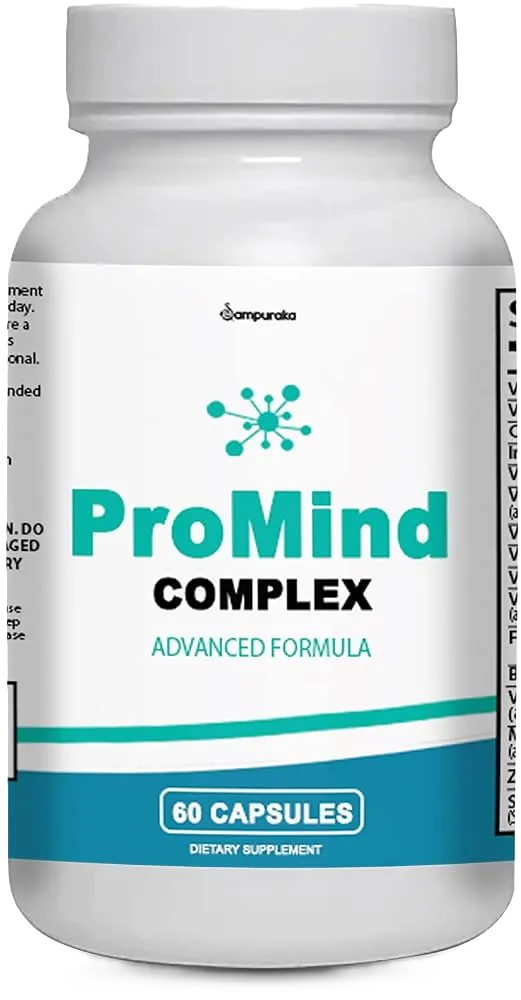
What does NeuroZoom actually do for memory and focus? It covers several small gaps instead of betting on one. Choline, DMAE and Huperzine-A feed and protect acetylcholine, the memory messenger, while phosphatidylserine and DHA support the membranes signals travel across. A full B-complex fills the cofactor gaps common after 50. One capsule a day. The first shift usually lands around week 3.
In This Review:
Reviewed by The Supplement Post Editorial Team, Editorial Review
Updated
1. Product at a Glance
| Primary Mechanism | Cholinergic support + brain lipids + antioxidant defense + B-complex |
| Key Ingredients | Choline, DMAE, Huperzine A, Bacopa Monnieri, DHA, Phosphatidylserine |
| Manufacturing | USA, FDA-registered, GMP-certified facility |
| Guarantee | 60-day money-back |
Quick Verdict
Does NeuroZoom actually work for memory and focus after 50? Yes, and covering many small gaps at once is the reason. The cholinergic trio — choline, DMAE and Huperzine-A — feeds and protects acetylcholine, the memory messenger, while phosphatidylserine and DHA rebuild the membranes signals travel across, and a full B-complex corrects the cofactor gaps that quietly drag on energy after 50. A supplement like this is a potentiator, not a switch: it adds to sleep, food and the shape of your week, which is why one person notices it in two weeks and another needs eight. The B-vitamin layer tends to move first, from week 3, with the memory layer building between weeks 8 and 12 — inside the 60-day guarantee, so the 3- or 6-bottle order is the one that matches the timeline.
2. Why Do Small Memory Lapses Pile Up After 50?
Why do small memory lapses pile up after 50? Because several small nutrient gaps open at once, and no single one of them is big enough on its own to explain the whole picture.
It rarely looks dramatic. You walk into a room and the reason stalls at the door. A name you have used for years turns up ten minutes late, with nobody around to tell. You read a paragraph and reach the end of it empty. By mid-afternoon it takes real effort to keep following a conversation.
None of that is one thing breaking. It is several small supply lines running thin together: the raw material for acetylcholine, the brain lipids that keep cell membranes flexible, the antioxidant defenses that slow everyday wear, and the B-vitamin cofactors that quietly power it all. Each one is still a lever you can feed.
That is why NeuroZoom covers many small gaps in one capsule instead of betting on a single ingredient, built around phosphatidylserine for the membrane side and a cholinergic trio for the messenger side. How the four pathways divide the work →

3. What NeuroZoom Does and Benefits
NeuroZoom solves a single problem with whole-body consequences: after 50, several small nutrient gaps open at once and no single one of them explains the lapses. It is a daily capsule with 35-plus ingredients, aimed at adults whose cognitive issues do not trace to a single obvious cause.
Most of the shelf does the opposite. It picks one lever — a choline pill, a ginkgo pill — and leans on it at a high dose, leaving the other gaps exactly where they were. That works well for the one gap it targets and does nothing for the rest.
Here is the part nobody mentions: closing four different gaps the usual way means four bottles, four schedules and four things to remember. NeuroZoom puts all four in one capsule a day, which is the difference between a plan that works on paper and one you are still keeping in month three.
The work divides cleanly. Choline, DMAE and Huperzine-A support acetylcholine, phosphatidylserine and DHA support the membranes signals travel across, Bacopa and the botanical layer handle antioxidant defense, and the B-complex fills the cofactor gaps common after 50. One capsule a day, stimulant-free, with the B-vitamin layer moving first and the deeper memory work needing the full eight to twelve weeks.
4. Why We Rate It 4.5 / 5
Five things carry the score here, and the breadth of the coverage is the one that does the most work.
What stands out:
- True multi-pathway formula — cholinergic, botanical, brain lipid, and B-complex support in one dose
- Addresses real deficiencies — covers the nutrient gaps common in adults 50+
- Stimulant-free — no caffeine, no jitters, safe for evening-sensitive users
- 60-day guarantee — enough time for a fair multi-week trial
- FDA-registered GMP facility — meets US manufacturing standards
Where it falls short:
- Built for broad coverage — if you want one hero ingredient at a high dose, a focused formula fits you better
- A long ingredient list — worth reading if you react to many compounds and prefer a simpler stack
- Sold direct only — not on Amazon or retail shelves, so you order online
Full scorecard across all 6 criteria: NeuroZoom Scorecard →
5. Who Is NeuroZoom Best For?
Best match if you:
- Are 50+ and noticing slower recall, more forgetfulness, or afternoon brain fog
- Suspect your diet may not fully cover B-vitamins, minerals, and omega-3s
- Want a daily routine for long-term brain wellness, not a stimulant boost
- Prefer one multi-nutrient capsule over juggling 6 separate supplements
- Want to test with a 60-day guarantee safety net
6. How It Compares
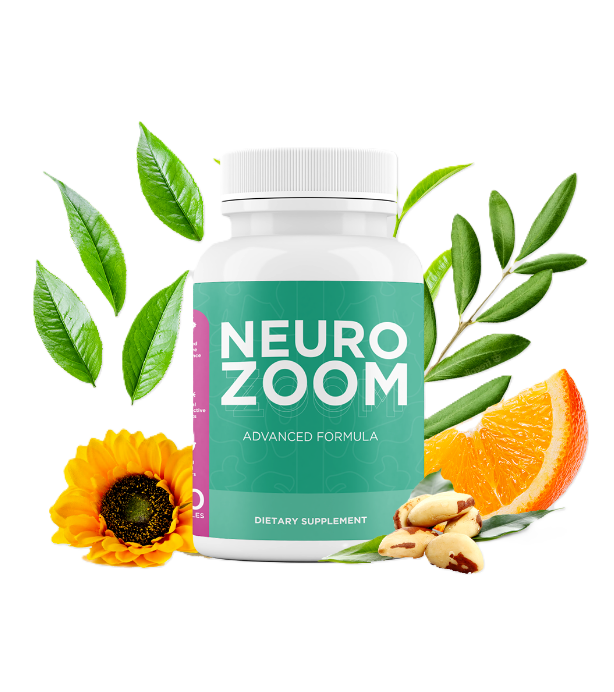
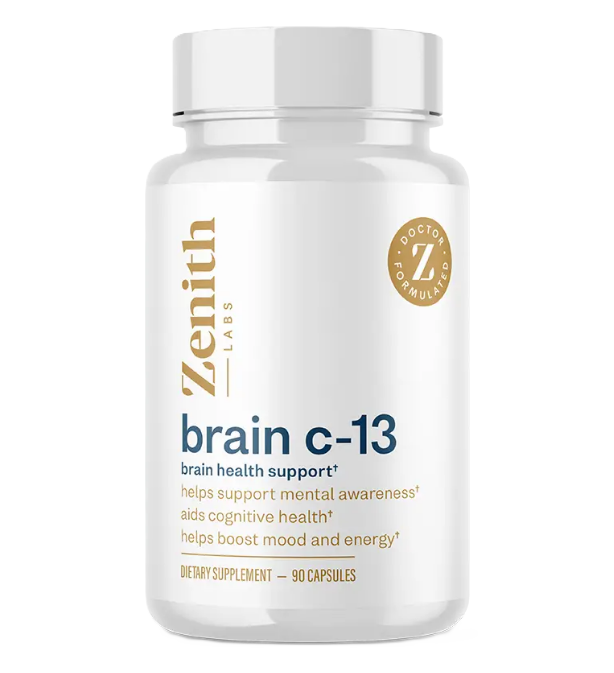
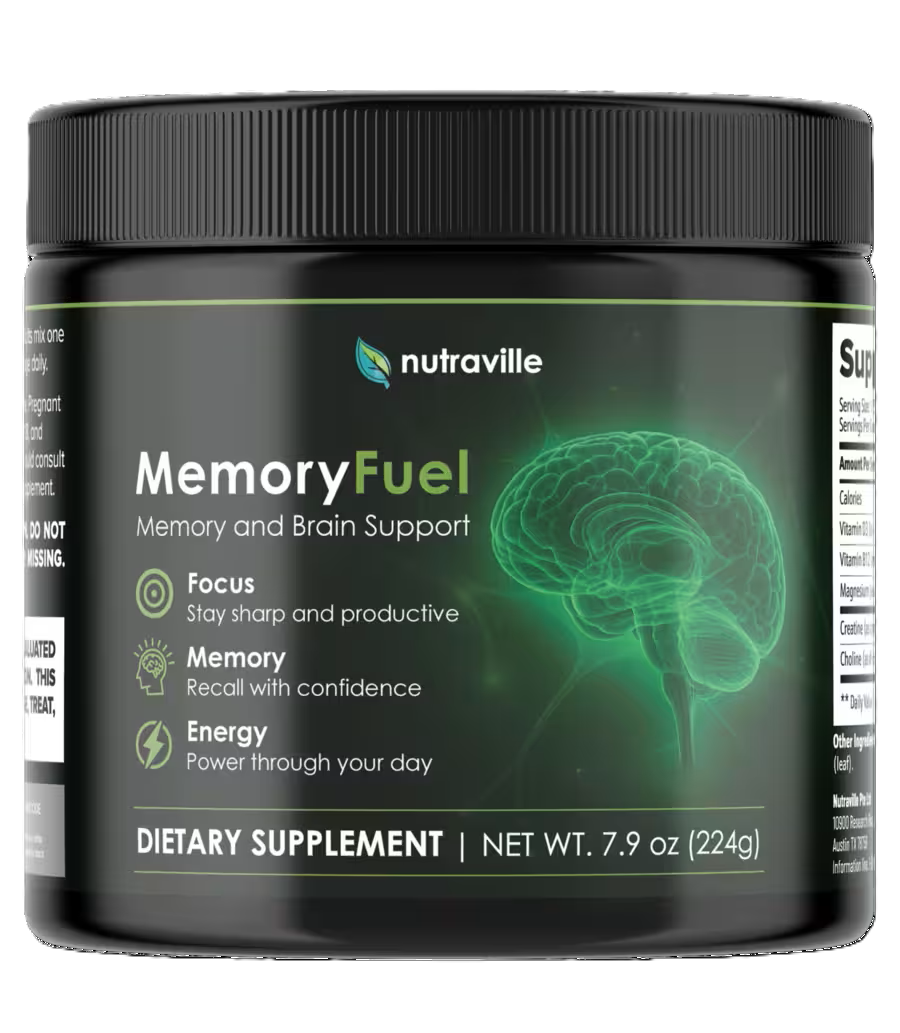
| Criteria | NeuroZoom (this review) | Brain C-13 | MemoryFuel |
|---|---|---|---|
 |
 |
 |
|
| Primary Focus | Multi-nutrient longevity | Focused nootropic stack | Memory recall support |
| Ingredient Count | 35+ | ~10 | ~8 |
| Format | Capsule | Capsule | Capsule |
| Best Price | $49/bottle | $49/bottle | $59/bottle |
| Best For | Adults 50+ with nutrient gaps | Focused nootropic users | Short-term recall boost |
| Where to buy | Official Site → | Official Site → | Official Site → |
One capsule covers four pathways. Cholinergic, lipid, antioxidant and B-vitamin support all land in the same daily dose, instead of four separate bottles.
7. Pricing Options for NeuroZoom
The cholinergic layer — choline, DMAE and huperzine — reaches meaningful availability at weeks 4 to 6, and month four onward is the resilience phase where daily use sustains the support. One bottle stops before the first mark. Three bottles at $59 clears it comfortably. Given all of that, six bottles at $49 each is the one we would take: thirty dollars a bottle below the single rate, and the supply the resilience phase assumes.
1 Bottle
30-Day Supply
- Secure Checkout
6 Bottles
180-Day Supply
- Secure Checkout
3 Bottles
90-Day Supply
- Secure Checkout
Every order is backed by a 60-day money-back guarantee. The official site is the only channel that guarantees an authentic bottle and honors that refund.
8. The Mechanism: Why Many Small Inputs, Not One High Dose
Most cognitive supplements pick the high-dose route — one or two nootropic ingredients at full clinical levels, betting on the single mechanism producing measurable change. NeuroZoom inverts that: four overlapping pathways, 35+ ingredients, each at small supportive doses. The philosophy is that aging cognition has many small inefficiencies, not one big broken switch — and correcting many gaps simultaneously can outperform doubling down on one.
Cholinergic Pathway. Choline, DMAE, and Huperzine A support acetylcholine availability — the neurotransmitter most closely tied to memory formation and learning. Three angles on the same neurotransmitter system: Choline supplies the precursor, DMAE supports membrane synthesis, Huperzine A slows acetylcholine breakdown. Doses are below dedicated nootropic levels but together cover the system.
Botanical Antioxidants. Bacopa, Green Tea, Bilberry, and Olive Leaf help protect neurons from oxidative stress associated with cognitive aging. Multiple polyphenol sources provide broader-spectrum antioxidant coverage than any single botanical at higher dose. This is the “slow the damage” layer — it doesn’t fix today’s function, it preserves tomorrow’s.
Brain Lipids & Aminos. DHA, Phosphatidylserine, GABA, and N-Acetyl-L-Tyrosine support membrane fluidity and neurotransmitter balance. These compounds form the structural and signaling foundations of neurons themselves — without adequate supply, the other pathways hit a structural ceiling. Phosphatidylserine specifically has FDA-qualified health claim language for cognitive function.
Nutrient Base. B-complex (B1, B2, B6, B12, folate), magnesium, zinc, and selenium address the deficiencies most common in aging adults that affect neuronal energy metabolism. This is the layer that explains why NeuroZoom often works for people whose cognitive issues are really nutritional deficiencies in disguise — addressing the underlying nutrient base often produces more change than chasing nootropic effects.
How it runs together: the nutrient base addresses the foundational deficiencies. The lipids and aminos provide structural and neurotransmitter substrate. The cholinergic pathway optimizes the memory-relevant neurotransmitter. The antioxidant pathway slows ongoing damage. Many small inputs covering many small gaps — a legitimate strategy that’s different from (and complementary to) high-dose single-mechanism nootropics like Brain C-13.
Full Ingredient List
NeuroZoom’s label runs 35+ ingredients. Here are the primary cognitive actives grouped by role, followed by the foundational vitamin and mineral base:
| Ingredient | Role in the Formula |
|---|---|
| Choline | Direct precursor to acetylcholine — the neurotransmitter most closely linked to memory, learning, and attention. |
| DMAE | Supports choline availability and membrane synthesis; traditionally associated with clarity and focus. |
| Huperzine A | Plant-derived acetylcholinesterase inhibitor — slows acetylcholine breakdown, extending its activity in the synapse. |
| Bacopa Monnieri | The most-studied adaptogen for memory retention and learning capacity, particularly in aging adults (8–12 weeks). |
| Green Tea Extract (EGCG) | Neuroprotective polyphenol with antioxidant activity in brain tissue. |
| Bilberry Fruit | Anthocyanins linked to capillary health and cerebral microcirculation. |
| Olive Leaf | Source of oleuropein, associated with vascular and cognitive support. |
| DHA (Omega-3) | A major share of gray-matter phospholipids — essential for membrane fluidity and neuronal signaling. |
| Phosphatidylserine | Phospholipid concentrated in neuronal membranes, linked to memory and attention in aging populations. |
| N-Acetyl-L-Tyrosine | Precursor to dopamine and norepinephrine — supports motivation and stress-load cognition. |
| GABA | The brain’s primary inhibitory neurotransmitter — linked to calm focus and reduced mental noise. |
| Glutamic Acid | Precursor to glutamate, the main excitatory neurotransmitter in learning and synaptic plasticity. |
| Cinnamon Bark & Inositol | Cinnamon supports glucose regulation (the brain is a heavy glucose consumer); inositol aids second-messenger signaling. |
| Vitamin & Mineral Complex | B-complex (B1, B2, B3, B6, B12, Biotin), Vitamins C and E, plus Zinc, Magnesium, Selenium, Chromium, Boron, Calcium, Iron, and Manganese — the foundational cofactors for neuronal energy metabolism and antioxidant defense that are commonly low after 50. |
The honest trade-off of a 35-in-1 formula: with this many ingredients, individual doses sit below dedicated single-nootropic levels, by design — the strategy is broad coverage of many small gaps, not a mega-dose of one. If you already take a comprehensive multivitamin, expect some overlap.
What these terms actually mean:
- Acetylcholine
- The brain’s “memory ink” — the signaling chemical you use to record and recall. Choline supplies the raw material; Huperzine A slows how fast it gets erased.
- Neurotransmitter precursor
- The raw material your brain converts into a signaling chemical — no raw material, no signal. NALT feeds dopamine; choline feeds acetylcholine.
- Phosphatidylserine
- A fat that makes up the “walls” of your brain cells. Keeping those walls flexible helps signals pass cleanly — it’s one of the few nutrients with an FDA-qualified cognitive claim.
- Cofactor
- A helper nutrient an enzyme needs to do its job. Run low on B-vitamins, magnesium, or zinc and the machinery that makes your neurotransmitters simply runs slower.
Realistic Week-by-Week Timeline
NeuroZoom is a multi-nutrient formula, so it works by accumulation — the gaps fill in stages, and the meaningful window is later than most expect. Here’s what to expect, and when:
| Timeframe | What to Expect | Driven By |
|---|---|---|
| Week 1–3 | B-vitamin and mineral cofactors begin replenishing; some users notice mild gains in daytime energy or clarity. Acetylcholine and membrane support are still building — dramatic changes are unlikely this early. | B-complex + mineral base |
| Week 4–6 | Cholinergic support reaches meaningful availability; DMAE and Huperzine A effects show up as better recall, steadier focus, and calmer mental energy. First real signs it’s working for you. | Choline / DMAE / Huperzine A |
| Week 8–12 | Full accumulation window — Phosphatidylserine has integrated into membranes and Bacopa reaches its clinical plateau. The real evaluation point: if the formula fits your biology, benefits should be clearly measurable now. | Phosphatidylserine + Bacopa peak |
| Month 4+ | Resilience phase — continued daily use sustains cognitive support; the goal shifts from building to maintaining. Stopping tapers back toward baseline over several weeks. | Full formula steady state |
When to judge it: weeks 8–12 are the real test window — anything before week 6 is too early for a multi-nutrient formula. If you’re still seeing nothing by week 12 with consistent daily use, the gaps this fills likely aren’t the gaps your cognition needs, and a focused single-ingredient approach may serve you better. Consistency is the single biggest factor — skipping days disrupts the accumulation curve.
9. Side Effects & Safety
NeuroZoom is stimulant-free and uses familiar vitamins, minerals, amino acids, and botanicals at conservative doses in a GMP-certified, FDA-registered US facility. For most healthy adults, daily use is uneventful — the most common complaint is mild digestive sensitivity in the first few days. When issues occur, they usually trace to a specific ingredient (Huperzine A, iron, or B6) rather than the formula as a whole.
| Possible Side Effect | Likely Cause | What to Do |
|---|---|---|
| Mild GI sensitivity / nausea | Huperzine A or iron content, first week | Take with food — usually resolves within a few days. |
| Headache | Huperzine A’s cholinergic activity | Take in the morning only; usually settles as you adjust. |
| Numbness or tingling (rare) | Very high cumulative B6 intake over time | Avoid stacking other high-B6 supplements; discuss with your doctor if it appears. |
| Iron-related stomach upset | Iron content, especially if not iron-deficient | Take with food; if you’re iron-replete, mention it to your doctor. |
Check with your doctor first if you:
- Take cholinesterase inhibitors (Aricept/donepezil and similar) — Huperzine A works through the same mechanism; do not combine without supervision.
- Take blood thinners or anticoagulants — Bilberry and some botanicals can affect bleeding time.
- Take Parkinson’s or thyroid medication — several botanicals can interact; confirm with your prescriber.
- Are not iron-deficient, or are pregnant, nursing, or under 18 — the formula contains iron and B6; avoid unnecessary extra intake and get medical guidance.
As with any supplement, this is cognitive support — not a treatment for any diagnosed condition. If any reaction feels severe or unusual, stop and consult your doctor.
10. Final Verdict
“Where did I put it” used to be an accident. After 50 it quietly became part of the routine. NeuroZoom honestly commits to a multi-nutrient strategy that makes sense for its target audience: adults 50+ whose cognitive symptoms come from many small nutritional and neurochemical gaps rather than one isolated deficiency. The combination of cholinergic support, botanical antioxidants, brain lipids, and a full B-complex in one daily capsule covers more of the cognitive aging puzzle than focused nootropics do.
It's not the right choice if you want a single high-dose nootropic — a focused stack will give you more of one thing. And some ingredients in the 35+ list are almost certainly below standalone clinical doses. We won't pretend otherwise. But for real-world adults who want broad coverage, daily simplicity, and a stimulant-free routine with a 60-day safety net — NeuroZoom is one of the more honest multi-nutrient brain formulas on the market.
Our recommendation: Here's the honest package math. One bottle is 30 days — nowhere near the fair 6-month trial this formula needs. The 3-bottle bundle is the minimum starting point; the 6-bottle bundle is the best value and covers the full window with a reserve to spare.
11. Frequently Asked Questions
Does NeuroZoom actually work for memory and focus?
Evidence suggests NeuroZoom supports memory and focus through its cholinergic, antioxidant, and B-vitamin pathways. Most users notice gradual improvements between weeks 6–12 of consistent daily use. It's best suited for adults 50+ whose cognitive symptoms stem from accumulated nutrient gaps rather than a single acute issue. NeuroZoom does not treat, cure, or prevent Alzheimer's disease, dementia, or any medical condition.
How long until I see results from NeuroZoom?
Early subtle changes (slightly clearer mornings, fewer afternoon fog episodes) can appear around weeks 3–4. More noticeable improvements in recall and sustained focus typically develop between weeks 6–12 of consistent daily use. Full timeline: Results Timeline →
Is NeuroZoom safe to take daily?
NeuroZoom is stimulant-free, manufactured in an FDA-registered GMP-certified facility, and generally well tolerated. Mild digestive sensitivity is possible when starting. Adults on blood thinners, seizure medication, or who are pregnant/nursing should consult a doctor first — Huperzine A and Bacopa can interact with certain medications. Details: Safety Quick-Check →
Where should I buy NeuroZoom safely?
Only through the official website. Third-party sellers on Amazon, eBay, or local shops are not authorized, cannot guarantee authenticity, and don't qualify for the 60-day money-back guarantee.
Should I talk to my doctor before taking NeuroZoom?
Yes — especially if you take prescription medications, have a diagnosed neurological condition, are pregnant or nursing, or if your cognitive symptoms are rapidly progressing. NeuroZoom is a dietary supplement, not a medical treatment, and a physician can help rule out underlying conditions and check for interactions with medications like blood thinners, cholinesterase inhibitors, or antiseizure drugs.
INGREDIENT TAGS
FORMAT
Research & Transparency
This content is based on publicly available ingredient research, manufacturer disclosures, and product labeling. We are not affiliated with the manufacturer. NeuroZoom is a dietary supplement and is not intended to diagnose, treat, cure, or prevent any disease.
(a) Impact of citicoline and phosphatidylserine supplementation on cognitive performance — randomized trial. Human Psychopharmacology 2026
(b) Comparative effects of Bacopa monnieri and Ginkgo biloba on cognitive function — systematic review. Phytomedicine 2026
(c) Memory — the reference we use for what normal age-related change looks like and when it warrants a doctor. MedlinePlus / NIH
(d) What we know about healthy aging — the agency read on what actually holds up cognition over time. NIH / NIA
About the Author
Luciano Cesar is a contributor at The Supplement Post, supporting the production of evidence-aware supplement reviews and buyer's guides across multiple health categories. His work spans ingredient analysis, formulation assessment and consumer-oriented summaries — what a label discloses, how the stated doses compare with the amounts used in published human research, and whether a formula's design matches what it claims to do. Every review is checked by The Supplement Post editorial team against the standards published in our editorial policy before it goes live.
Disclosure
All content is for informational purposes only and is not a substitute for professional medical advice. Each product reviewed is a dietary supplement, not a prescription drug. NeuroZoom is not intended to diagnose, treat, cure, or prevent any disease. Results may vary based on individual health status, consistency of use, and lifestyle. This page may contain affiliate links — if you purchase through them, we may earn a small commission at no additional cost to you. Read our Editorial Policy.