
Edited by Michael Anderson, Editor-in-Chief
Updated
Nagano Tonic Side Effects: 4 Safety Facts to Know
The 4 safety facts every buyer should know — mild caffeine from green tea, adaptogen-drug interactions, probiotic adjustment, and when to consult your doctor.
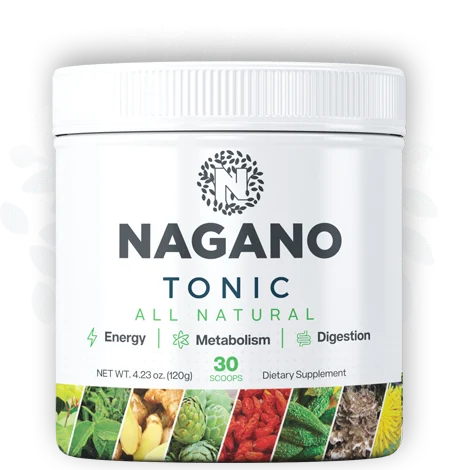
Honest safety profile, not a disclaimer wall.
In This Article
Safety Snapshot
Nagano Tonic has a low side-effect profile — it’s a daily powder using ingredients the body recognizes from food and traditional Eastern medicine. The most common “side effect” is a brief 7–10 day gut adjustment as 5 new probiotic strains take hold (mild bloating or looser stools — usually resolves on its own). Green Tea Extract carries trace caffeine (<1% per standardization). Adaptogens worth flagging for drug-interaction conversations: Ashwagandha (thyroid, immunosuppressants), Bitter Melon (diabetes medication), EGCG (blood thinners). Pregnant or breastfeeding, on prescription medications metabolized by the liver, or with thyroid or autoimmune conditions — check with a doctor before starting.
THE CORE PROMISE
You’re loading adaptogens, polyphenols, fiber, and probiotic strains your body already recognizes from food and traditional Eastern medicine — not a synthetic compound it has never seen. Most weight-loss formulas pick stimulant thermogenesis (caffeine, yohimbine, synephrine) and the side-effect list reflects that. Nagano Tonic loads three pathways through whole-food ingredients with less than 1% caffeine from decaffeinated Green Tea Extract. Result: a low-side-effect profile — one scoop in water every morning. That’s the whole promise.
1. The Mild Caffeine Load (Green Tea Extract)
This is the first thing people ask about because “Green Tea Extract” reads like a stimulant warning. It isn’t. The Green Tea Extract in Nagano Tonic is standardized to less than 1% caffeine — meaning even at the full daily scoop, the caffeine load is roughly equivalent to a few sips of decaf coffee. The standardization is deliberately decaffeinated to keep the 98% polyphenol / 50% EGCG concentration without the stimulant pull.
For the vast majority of users, this won’t affect sleep or produce jitters. The exception: if you’re highly caffeine-sensitive (the kind of person who reacts to a square of dark chocolate), the trace amount may still register. Easy fix: take it in the morning rather than afternoon, and pair it with breakfast rather than on an empty stomach.
2. Adaptogen-Drug Interactions Worth Knowing
The adaptogen layer (Ashwagandha, Eleuthero, Panax Ginseng) and the insulin-sensitivity layer (Bitter Melon, Mangosteen) plus EGCG can influence how the body processes certain prescription medications. None are dramatic, but worth a 2-minute conversation with your doctor or pharmacist before starting if you take any of the medications below.
| Ingredient | Watch out with | Why |
|---|---|---|
| Ashwagandha | Thyroid medication, immunosuppressants, sedatives | Can support thyroid function (may shift levothyroxine dosing needs) and modulate immune response. Sedative interaction possible. |
| Bitter Melon (Momordica) | Diabetes medication, insulin | Lowers blood sugar — stacking with prescription glucose-lowering drugs can produce additive hypoglycemic effects. |
| Panax Ginseng + Eleuthero | Blood thinners (warfarin), blood pressure medication | Can mildly affect platelet function and blood pressure. Worth a check if you take either. |
| EGCG (Green Tea) | Blood thinners, some chemotherapy drugs | Mild anticoagulant properties at concentrated doses. Can affect platelet function. |
None of these are dealbreakers. The conversation with your doctor takes 2 minutes: “I’m starting a daily supplement with Ashwagandha, Eleuthero, Panax Ginseng, Bitter Melon, and Green Tea Extract — anything in my prescription list I should think about?” Most of the time the answer is no. When it’s yes, the fix is usually timing or monitoring rather than skipping the powder.
3. Probiotic Adjustment (Week 1–2)
The most common temporary effect. Introducing 5 new probiotic strains plus 406 mg of digestive enzymes and fiber to a gut that wasn’t getting much diversity creates a brief reshuffling. What you might notice in the first 7–14 days: mild bloating, slightly looser or more frequent bowel movements, occasional gas.
This is normal and usually clears by day 10–14. Two things help: stay well-hydrated (the soluble fiber needs water to move cleanly), and start with one scoop per day rather than experimenting with double doses. If symptoms persist past two weeks or feel uncomfortable rather than mild, drop to half a scoop for 3 days and ramp back up.
4. Who Should Avoid It / When to Stop
- Pregnant or breastfeeding — adaptogens (Ashwagandha specifically) aren’t well-studied in these populations. Wait until after.
- Under 18 — adult formula.
- Active thyroid disease on medication — Ashwagandha can shift thyroid function. Work with your endocrinologist before starting.
- Autoimmune conditions on immunosuppressants — Ashwagandha and other adaptogens may stimulate immune function in ways that conflict with treatment.
- Active diabetes on insulin or sulfonylureas — Bitter Melon + Mangosteen can lower blood sugar; stacking with prescription glucose-lowering drugs can produce hypoglycemia.
- Severe IBD flare (Crohn’s, ulcerative colitis) — introducing 5 new probiotic strains can worsen symptoms during a flare.
- Recent organ transplant on immunosuppressants — probiotic introduction is generally avoided. Doctor’s call.
When to pause and call a doctor: persistent diarrhea past 5–7 days, skin rash or hives developing within hours of taking the powder, blood pressure or blood sugar dropping noticeably below baseline, unusual bruising while on blood thinners, or any symptom that’s genuinely worrying you. The 180-day refund window means there’s no financial cost to pausing while you investigate.
Pricing Options for Nagano Tonic
Nagano Tonic is available in three bundle options. Most users choose the 6-bottle bundle because the adaptogen + thermogenic system needs 60-90 days of consistent daily use to register in the mirror and the scale. The 6-bottle bundle locks in $39 per bottle, includes free shipping plus 3 bonuses, and covers the full evaluation window with margin to spare.
1 Bottle
30-Day Supply
- 180-Day Money-Back Guarantee
- Secure Checkout
3 Bottles
90-Day Supply
- 180-Day Money-Back Guarantee
- 3 FREE Bonuses
- Anti-Aging + Sleep + Smoothie Guides
Save $204
Shop Now6 Bottles
180-Day Supply
- 180-Day Money-Back Guarantee
- Free US Shipping
- 3 FREE Bonuses
Save $528
Shop NowEvery order is backed by a 180-day money-back. Only available through the official website.
Frequently Asked Questions
Will Nagano Tonic interfere with my thyroid medication?
Possibly — Ashwagandha can support thyroid function in some users, which may shift levothyroxine dosing needs over weeks of consistent use. This isn’t dangerous for most people, but it’s worth a quick check-in with your endocrinologist before starting, especially if your thyroid levels were recently stabilized. If you’re on thyroid medication, the safer approach is monitoring TSH at week 6–8 of starting rather than skipping the powder entirely.
Is the brief gut adjustment in week 1 normal?
Yes — and it’s actually a signal the probiotic strains are taking hold. Mild bloating, looser stools, or occasional gas in the first 7–14 days is the gut adjusting to 5 new strains plus 406 mg of new fiber and enzymes. It usually clears by day 10–14. Stay well-hydrated. If symptoms feel uncomfortable rather than mild, pause for 3 days and restart at half a scoop to ease the adjustment.
Can I take Nagano Tonic with my coffee or other supplements?
Coffee: yes — the trace caffeine in the powder (<1%) won’t meaningfully add to your coffee intake. If you’re highly caffeine-sensitive, space them out. Other supplements: most stacks are fine, but be careful stacking with another high-CFU probiotic (doubling strain load), with another adaptogen (compounding effects on cortisol/thyroid), or with concentrated EGCG pills (duplicating active compound). When in doubt, simplify the stack and let Nagano be the daily metabolic + adaptogen foundation.
Continue your research
- Previous: Nagano Tonic Ingredients — Formula Explained
- Then: Nagano Tonic Price — Cheapest Way to Buy
- Compare: Ikaria Juice — same powder format, polyphenol + 9-strain probiotic angle (no adaptogens)
- Real buyer verdict: Nagano Tonic Pros and Cons
Research & Transparency
This content is based on publicly available ingredient research, manufacturer disclosures, and product labeling. We are not affiliated with the manufacturer.
(a) Ashwagandha (Withania somnifera) for stress, cortisol reduction, and body weight management in chronically stressed adults — randomized controlled trial. PMC5934947
(b) Green tea catechins (EGCG) and body composition — meta-analysis of randomized controlled trials. PMC2855614
(c) Panax ginseng influence on obesity and gut microbiota in obese middle-aged Korean women — randomized clinical trial. PMC4003844
(d) Eleuthero (Eleutherococcus senticosus) endurance capacity and metabolism in humans — clinical investigation. PubMed 20355297
(e) Mangosteen extract insulin sensitizing effect in obese female patients — prospective randomized controlled pilot study. PubMed 30144384
About the Author
Emily Carter is a contributor at The Supplement Post covering brain and neuro health, blood sugar control, weight loss, and gut-focused formulas. She specializes in evidence-aware summaries of nootropic ingredients, metabolic supplements, and consumer-friendly explanations of how supplementation fits into broader cognitive and metabolic health strategies. Emily Carter is not a medical doctor — she analyzes publicly available research to provide evidence-aware summaries for adults exploring cognitive support, metabolic balance, and gut wellness options.
Disclosure
All content is for informational purposes only and is not a substitute for professional medical advice. Each product reviewed is a dietary supplement, not a prescription drug. Results may vary based on individual health status, consistency of use, and lifestyle. This page may contain affiliate links — if you purchase through them, we may earn a small commission at no additional cost to you. Read our Editorial Policy.