
Edited by Michael Anderson, Editor-in-Chief
Updated
Nagano Tonic Ingredients: The Japanese Adaptogen Formula Explained
Every ingredient in this powder exists for one specific job. Full breakdown — Eastern Herbs & Adaptogen Blend, Super Food Greens, Digestive Complex, 5-Strain Probiotic, plus Vitamin B12 at 1042% DV.
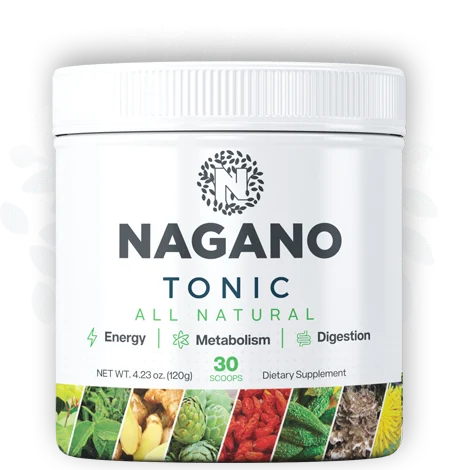
Three blends + B12 layer. Here’s what each one is for.
In This Article
What’s Inside
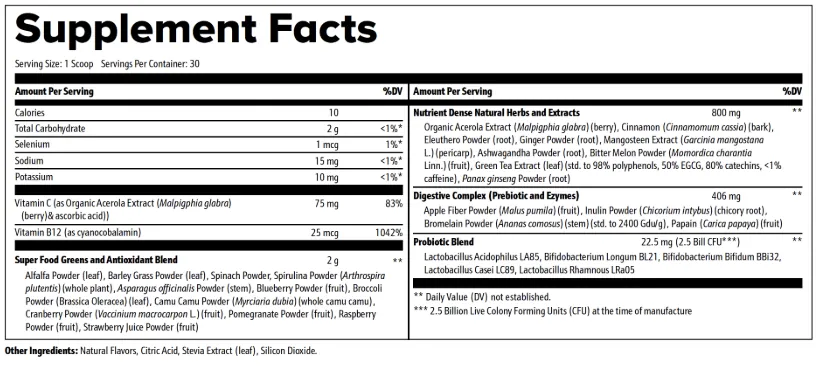
Nagano Tonic combines three blends + a B12 layer into one daily scoop: Eastern Herbs & Adaptogen Blend (800 mg) with Ashwagandha, Panax Ginseng, Eleuthero, Mangosteen, Bitter Melon, EGCG-rich Green Tea Extract (98% polyphenols, 50% EGCG), Ginger, Cinnamon Cassia; Super Food Greens & Antioxidant Blend (2 g) with 12 whole-food powders (Spirulina, Acerola, Camu Camu, Pomegranate, Spinach, Broccoli and more); Digestive Complex (406 mg) with Apple Fiber, Inulin, Bromelain, Papain enzymes + 5-Strain Probiotic (22.5 mg, 2.5 billion CFU); and Vitamin B12 at 1042% DV. Doses listed per blend (proprietary), not per individual ingredient.
THE CORE PROMISE
Every ingredient in this powder exists for one specific job. Most weight-loss formulas pick one mechanism and bet everything on it. Nagano Tonic loads three blends working together: Eastern adaptogens for the cortisol-belly-fat loop, thermogenic catechins for fat oxidation, super food greens for antioxidant defense, plus a 5-strain probiotic for gut function and 1042% DV B12 for daily mitochondrial energy. Result: a slow, steady shift over 8–12 weeks — one scoop in water every morning. That’s the whole promise.
1. Full Supplement Facts
| Component | Dose | Job |
|---|---|---|
| Eastern Herbs & Adaptogen Blend | 800 mg | Cortisol modulation, fat oxidation, insulin sensitivity, thermogenesis |
| Super Food Greens & Antioxidant Blend | 2,000 mg | Antioxidant load, natural Vitamin C, micronutrient density, prebiotic fiber from cruciferous |
| Digestive Complex | 406 mg | Prebiotic fiber + protein-digesting enzymes (food for the probiotic strains) |
| 5-Strain Probiotic | 22.5 mg (2.5B CFU) | Gut microbiome diversity, barrier function, satiety signaling |
| Vitamin B12 (cyanocobalamin) | 25 mcg (1042% DV) | Cellular energy production — addresses the low-grade B12 insufficiency common after 40 |
| Serving | 1 scoop (4 g) | 30 servings per jar — one scoop in 8 oz water every morning |
2. Eastern Herbs & Adaptogen Blend (800 mg)
This is the formula’s metabolic + stress core — the blend with the strongest published evidence behind each ingredient. Eight compounds targeting the cortisol-thermogenesis-insulin triad that drives stress-related fat storage after 40.
| Ingredient | Role |
|---|---|
| Ashwagandha (Withania somnifera) | Adaptogen — modulates cortisol response, the hormone that drives midsection fat storage during chronic stress. Studied for reductions in serum cortisol and body weight in stressed adults. |
| Panax Ginseng | Adaptogenic energy support + influence on gut microbiota patterns associated with healthier calorie metabolism. |
| Eleuthero (Eleutherococcus senticosus) | Russian/Eastern adaptogen — supports endurance, cardiovascular function, and recovery from stress without sedation. |
| Green Tea Extract (98% polyphenols, 50% EGCG, <1% caffeine) | The thermogenic core — EGCG at clinical-trial concentration. Influences fat oxidation receptors. Decaffeinated standardization avoids stimulant load. |
| Mangosteen | Xanthone-rich tropical fruit extract. Studied for insulin sensitivity in obese adults — flatter blood sugar curves mean fewer crash-driven cravings. |
| Bitter Melon (Momordica charantia) | Traditional Asian fruit used for blood sugar support. Complements Mangosteen on the insulin-sensitivity layer. |
| Ginger | Thermogenesis — gentle heat-generation that modestly raises resting calorie burn. Also supports digestion. |
| Cinnamon Cassia | Blood sugar curve stability + thermogenic support. The flavor anchor of the morning blend. |
The dose math: 800 mg total is the blend dose, not the dose of any single ingredient. This is the transparency trade-off of proprietary blends — you trust the design rather than verify per-gram math. The honest read: 8 ingredients sharing 800 mg means most are in supportive doses, not megadose territory. The formula is designed to work as a synergistic adaptogen + thermogenic stack, not as a single-ingredient hero product.
3. Super Food Greens & Antioxidant Blend (2 g)
The second blend is the antioxidant load — twelve whole-food powders that handle the oxidative stress generated when the body actively burns fat. Without antioxidant support, fat metabolism creates free radicals that slow the system down. This blend keeps the process clean while loading natural Vitamin C from dense sources.
| Group | Ingredients + Role |
|---|---|
| Greens Base | Alfalfa, Barley Grass, Spinach, Spirulina — chlorophyll-rich whole-food powders for daily micronutrient density and antioxidant load |
| Polyphenol + Vitamin C Stack | Acerola (83% DV Vitamin C from a single ingredient), Camu Camu (one of the densest natural Vitamin C sources on Earth), Pomegranate, Cranberry, Blueberry, Strawberry, Raspberry |
| Cruciferous + Prebiotic | Asparagus + Broccoli — support liver detox pathways and feed beneficial gut bacteria |
4. Digestive Complex (406 mg) + 5-Strain Probiotic (22.5 mg, 2.5B CFU)
The digestive layer. The Digestive Complex provides prebiotic fiber (Apple Fiber, Inulin from chicory root) plus protein-digesting enzymes (Bromelain from pineapple, Papain from papaya). The probiotic strains feed on the fiber and support gut barrier function.
The 5 strains are: Lactobacillus Acidophilus LA85, Bifidobacterium Longum BL21, Bifidobacterium Bifidum BBi32, Lactobacillus Casei LC89, Lactobacillus Rhamnosus LRa05. 2.5 billion CFU is a reasonable daily-support dose — comparable to a basic standalone probiotic, but lower than dedicated high-CFU formulas (5–50B CFU). For general gut support paired with the rest of the stack, the dose is adequate. If microbiome diversity is your primary goal, a dedicated probiotic supplement might be a closer fit.
5. Vitamin B12 (1042% DV)
The often-overlooked layer that quietly does a lot of work. Vitamin B12 at 25 mcg (1042% DV) as cyanocobalamin addresses the low-grade B12 insufficiency common in adults over 40 — particularly those with reduced stomach acid, vegetarian/plant-forward diets, or long-term metformin use. B12 directly affects cellular energy production through its role in red blood cell formation and the methylation cycle. The high DV percentage reflects how much B12 is genuinely required to correct sub-clinical insufficiency, not just maintain baseline.
Other ingredients: Maltodextrin (powder carrier), Natural Flavors, Citric Acid, Stevia leaf extract (sweetener), Beet root powder (color).
Pricing Options for Nagano Tonic
Nagano Tonic is available in three bundle options. Most users choose the 6-bottle bundle because the adaptogen + thermogenic system needs 60-90 days of consistent daily use to register in the mirror and the scale. The 6-bottle bundle locks in $39 per bottle, includes free shipping plus 3 bonuses, and covers the full evaluation window with margin to spare.
1 Bottle
30-Day Supply
- 180-Day Money-Back Guarantee
- Secure Checkout
3 Bottles
90-Day Supply
- 180-Day Money-Back Guarantee
- 3 FREE Bonuses
- Anti-Aging + Sleep + Smoothie Guides
Save $204
Shop Now6 Bottles
180-Day Supply
- 180-Day Money-Back Guarantee
- Free US Shipping
- 3 FREE Bonuses
Save $528
Shop NowEvery order is backed by a 180-day money-back. Only available through the official website.
Frequently Asked Questions
Why are the doses listed as blends instead of per ingredient?
This is called a proprietary blend — the manufacturer lists the total blend weight (800 mg, 2,000 mg, etc.) but not the individual gram of each ingredient inside. It’s legal under FDA labeling rules and common in multi-ingredient powders. The trade-off: broader stack, less granular transparency. The advantage: ingredients are formulated to work together as an adaptogen + thermogenic + greens stack, not as a single-ingredient hero product. If per-gram visibility on a specific compound matters (clinical-dose Ashwagandha, for example), single-ingredient supplements offer that — Nagano’s value is the combined daily load.
Is the 2.5 billion CFU probiotic count enough?
It’s on the lower side for probiotic-only supplements (which range 5–50 billion CFU), but it’s a reasonable daily-support dose for a multi-purpose powder. Most weight-loss formulas include zero probiotic strains. 2.5B CFU across 5 strains paired with prebiotic fiber (Inulin + Apple Fiber) is enough to support gut microbiome diversity and barrier function. For severe gut issues (post-antibiotic recovery, active SIBO), a dedicated high-CFU probiotic would be a better fit. For general gut support alongside the metabolic and adaptogen layers, this dose is honest.
Does the Green Tea Extract make this a stimulant formula?
No. The Green Tea Extract is standardized to less than 1% caffeine — meaning even at the full daily dose, the caffeine load is roughly equivalent to a couple sips of decaf coffee. The standardization is deliberately decaffeinated to keep the 98% polyphenol / 50% EGCG concentration without the stimulant load. If you’re highly caffeine-sensitive or take it in the late afternoon, the trace amount may still register — but for the vast majority of users, this powder won’t affect sleep or produce jitters.
Continue your research
- Next: Nagano Tonic Side Effects — 4 Safety Facts to Know
- Then: Does the formula really work? Real timeline
- Compare: Ikaria Juice — same powder format, polyphenol + 9-strain probiotic angle instead of adaptogen-driven
- Best deal: Nagano Tonic Price — Cheapest Way to Buy
Research & Transparency
This content is based on publicly available ingredient research, manufacturer disclosures, and product labeling. We are not affiliated with the manufacturer.
(a) Ashwagandha (Withania somnifera) for stress, cortisol reduction, and body weight management in chronically stressed adults — randomized controlled trial. PMC5934947
(b) Green tea catechins (EGCG) and body composition — meta-analysis of randomized controlled trials. PMC2855614
(c) Panax ginseng influence on obesity and gut microbiota in obese middle-aged Korean women — randomized clinical trial. PMC4003844
(d) Eleuthero (Eleutherococcus senticosus) endurance capacity and metabolism in humans — clinical investigation. PubMed 20355297
(e) Mangosteen extract insulin sensitizing effect in obese female patients — prospective randomized controlled pilot study. PubMed 30144384
About the Author
Emily Carter is a contributor at The Supplement Post covering brain and neuro health, blood sugar control, weight loss, and gut-focused formulas. She specializes in evidence-aware summaries of nootropic ingredients, metabolic supplements, and consumer-friendly explanations of how supplementation fits into broader cognitive and metabolic health strategies. Emily Carter is not a medical doctor — she analyzes publicly available research to provide evidence-aware summaries for adults exploring cognitive support, metabolic balance, and gut wellness options.
Disclosure
All content is for informational purposes only and is not a substitute for professional medical advice. Each product reviewed is a dietary supplement, not a prescription drug. Results may vary based on individual health status, consistency of use, and lifestyle. This page may contain affiliate links — if you purchase through them, we may earn a small commission at no additional cost to you. Read our Editorial Policy.