
Reviewed by Emily Carter, Contributor — Weight Management & Blood Sugar
Edited by Michael Anderson, Editor-in-Chief ·
Updated
Does ColonBroom GLP-1 Booster Really Work? — Timeline
The honest answer on whether this formula works — the Berberine mechanism, the human research, and what to realistically expect at each week.
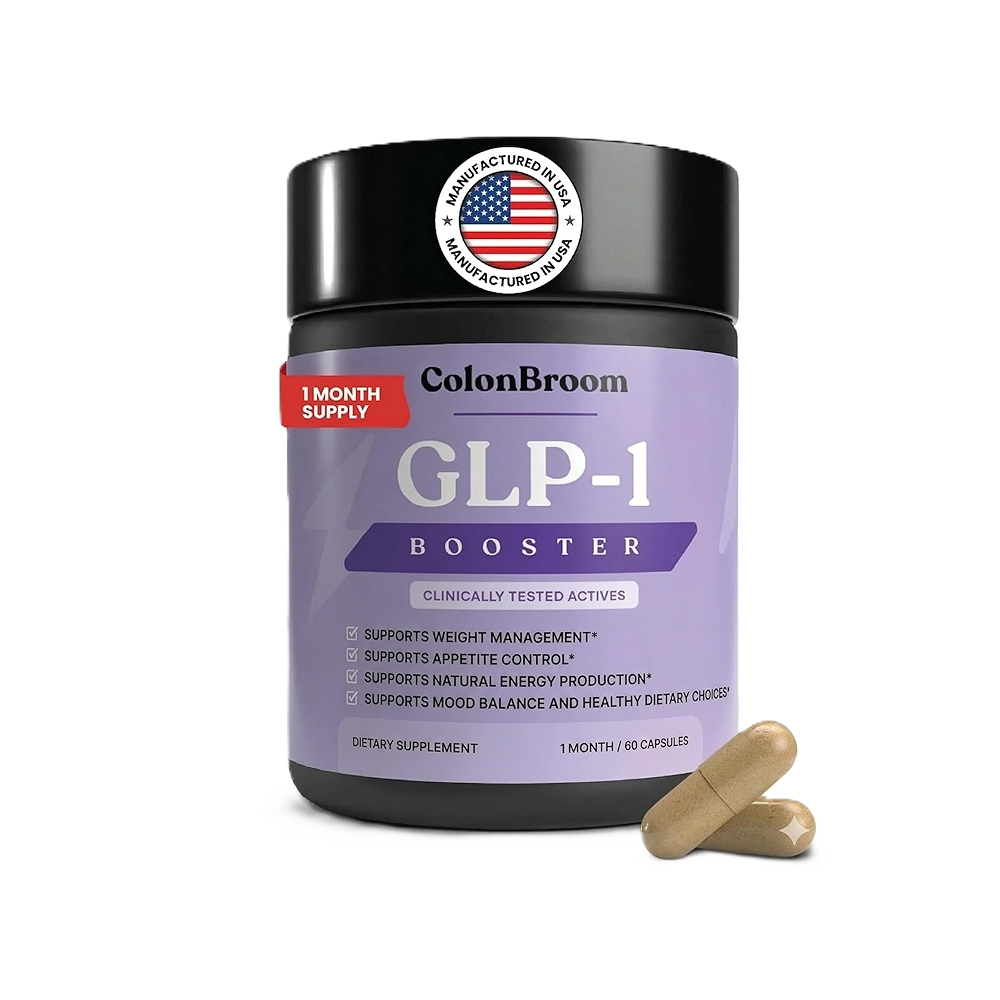
Honest mechanism, evidence, and realistic timeline.
In This Article
Quick Answer
Yes — for adults with blood sugar imbalances and craving-driven eating, ColonBroom GLP-1 Booster delivers real but gentle metabolic support. Berberine has a robust evidence base for glucose regulation and insulin sensitivity over 8–12 weeks. Most users notice reduced cravings by weeks 3–4 and measurable weight changes by weeks 6–8. The 200 mg Berberine dose is below clinical ranges so effects are proportionally smaller. It does not replicate prescription GLP-1 injection results.
1. The Science — Why Appetite Control Is Hard
Weight management feels like a willpower problem, but most of the struggle is biological. Three factors drive the "impossible to stop snacking" experience that most adults know too well:
Blood sugar swings drive cravings. When glucose spikes and crashes (usually after refined carbs), the brain interprets the crash as an emergency and triggers intense hunger signals for fast-acting calories. This is the biology behind "I just ate and I'm hungry again." Stabilizing blood sugar is the single biggest lever for reducing cravings.
Insulin resistance makes fat loss harder. Insulin is the body's fat-storage hormone. When cells become resistant to insulin (common with age, excess weight, and modern diets), the pancreas produces more insulin to compensate, which pushes calories into fat storage and blocks fat burning. Breaking this cycle requires improving insulin sensitivity, not just eating less.
Chronic inflammation blocks metabolic signaling. Low-grade inflammation interferes with leptin (the satiety hormone), disrupting the brain's "I'm full" signal. You can eat adequate calories and still feel hungry if inflammation is high.
Any formula that ignores these three factors is fighting the wrong battle. ColonBroom GLP-1 Booster targets all three.
2. How ColonBroom GLP-1 Booster Works
The formula runs four parallel mechanisms to hit each of the factors above.
Pathway 1 — AMPK activation (Berberine). AMPK is the cellular "fuel gauge" — when it's high, cells burn glucose and fat for energy; when it's low, cells store calories. Berberine activates AMPK through the same general mechanism as metformin (the diabetes drug), which is why Berberine is sometimes called "nature's metformin." Research shows measurable improvements in fasting glucose, insulin, and HbA1c after 8–12 weeks of Berberine supplementation in the 500–1500 mg range. The 200 mg dose in ColonBroom is below this, so expect proportionally smaller effects.
Pathway 2 — Indirect GLP-1 support (Berberine). Here's where the "GLP-1 Booster" naming comes from. Research suggests Berberine may upregulate GLP-1 receptor activity and increase GLP-1 secretion from gut cells. This is plausible biology with some supporting evidence, but the effect is mild compared to prescription GLP-1 agonists. Expect subtle appetite regulation, not pharmaceutical-level suppression.
Pathway 3 — SIRT1 activation (Resveratrol from Polygonum Cuspidatum). Resveratrol activates SIRT1, a metabolic regulator that works alongside AMPK to improve insulin sensitivity, reduce inflammation, and support mitochondrial efficiency. The combination with Berberine is synergistic — both push toward better metabolic flexibility.
Pathway 4 — Antioxidant and mineral support (Quercetin + Zinc). Quercetin reduces the inflammatory signaling that interferes with leptin function. Zinc is a cofactor for insulin signaling enzymes. Together, they provide the foundation that lets the primary compounds do their work.
This is a layered approach — Berberine does the heavy lifting, the other three compounds reinforce and enable it. For the full ingredient analysis with doses, see Ingredients Scorecard →.
3. Results Timeline — What to Expect and When
The biggest reason people quit supplements is impatience. With ColonBroom GLP-1 Booster, that's the wrong instinct. Berberine's effects build over weeks, not days. Here's the realistic curve:
- Weeks 1–2 — Loading phase. Berberine is accumulating in tissue. Some users experience mild digestive effects (loose stools, bloating) during this window — these are normal and usually resolve on their own. Appetite feels roughly the same.
- Weeks 3–4 — Early signals. Blood sugar stabilization begins. Mid-afternoon crashes happen less often. Sugar cravings start feeling less intense. Portion sizes may naturally drift smaller.
- Weeks 5–8 — Peak adaptation. The insulin sensitivity gains from Berberine + Resveratrol compound. Most users report measurable changes here — reduced weight (typically 2–5 lbs), easier portion control, fewer emotional eating episodes.
- Beyond 8 weeks — Maintenance. Continued use sustains the metabolic adaptation. The 6-bottle bundle is built around this longer horizon.
If you're at week 3 and wondering whether it's working, that's the adaptation curve — not a failure. The 30-day guarantee window is genuinely too short for this type of formula. Plan to commit 8 weeks regardless. For safety considerations during this period, see Side Effects & Safety →.
4. What Helps Your Results
The biggest predictor of whether any weight management supplement works is what surrounds it. ColonBroom GLP-1 Booster works better when the basic lifestyle factors are addressed:
- Take before meals. Berberine works best when taken 15–30 minutes before eating, especially before the largest meal of the day. This lets it blunt the post-meal glucose spike where it matters most.
- Reduce refined carbs. Berberine can't compensate for a diet built around sugar and white flour. The formula works best when the baseline diet isn't actively fighting it.
- Sleep 7+ hours. Sleep deprivation drives insulin resistance and cravings. No supplement compensates for chronic sleep loss.
- Movement. Even 20 minutes of daily walking amplifies insulin sensitivity improvements. Exercise and Berberine stack well.
- Be consistent. Skipping doses breaks the adaptation. Pair it with a daily anchor (breakfast, dinner) to make consistency automatic.
Pricing Options for ColonBroom GLP-1 Booster
ColonBroom GLP-1 Booster is available in multiple package options designed to support different usage timelines. Many users choose multi-bottle packages because consistent daily use typically delivers the best results. Longer supply options also reduce the cost per unit.
1 Bottle
30-Day Supply
- 30-day Money-Back Guarantee
- Free USA Shipping
- Secure Checkout
6 Bottles
180-Day Supply
- 30-day Money-Back Guarantee
- Secret Gift
- Free USA Shipping
- Secure Checkout
Save 53%
Shop Now3 Bottles
90-Day Supply
- 30-day Money-Back Guarantee
- Secret Gift
- Free USA Shipping
- Secure Checkout
Save 36%
Shop NowEvery order is backed by a 30-day money-back guarantee. Only available through the official website.
Frequently Asked Questions
Does ColonBroom GLP-1 Booster actually work?
Yes — for adults with blood sugar imbalances and craving-driven eating, the Berberine-led formula delivers real but gentle metabolic support. Expect gradual changes in cravings and blood sugar over 6–8 weeks, not overnight results. It does not replicate prescription GLP-1 injection pharmacology.
Why does it take 6–8 weeks?
Because Berberine's mechanism — AMPK activation and insulin sensitivity improvement — builds cumulatively. Unlike stimulants that create acute effects, metabolic adaptation takes time. Research on Berberine consistently shows 8–12 weeks before peak benefits emerge.
What if I don't notice anything by week 4?
Stay consistent. Most user reports of measurable changes cluster between weeks 5–8. If you're at week 8 with zero effect, either your blood sugar wasn't the issue driving your cravings, or you need the higher clinical dose. The 30-day guarantee is too short for a proper trial — plan to commit regardless.
When should I see a doctor instead of trying ColonBroom GLP-1 Booster?
If you have diagnosed diabetes, take insulin, metformin, or other glucose-lowering medications, or have been prescribed GLP-1 agonists like Ozempic, Wegovy, or Mounjaro, do not start any Berberine-containing supplement without consulting your doctor. Berberine can compound the glucose-lowering effects of these drugs, potentially causing dangerously low blood sugar. The same applies if you have liver disease, take blood thinners, or have a history of heart rhythm problems. A supplement is not a substitute for medical care — any unexplained weight loss should always be evaluated by a physician.
Research & Transparency
This review is based on publicly available ingredient research, manufacturer disclosures, and product labeling. We are not affiliated with the ColonBroom brand. Below is a summary of the scientific evidence behind the four active ingredients in the GLP-1 Booster formula, organized by benefit area.
Blood sugar & insulin sensitivity (Berberine)
Berberine has one of the strongest individual evidence bases in the natural metabolic category. A 2008 randomized trial (Yin et al.) showed Berberine at 500 mg three times daily produced glucose-lowering effects comparable to metformin in adults with type 2 diabetes. A 2015 systematic review (Lan et al.) confirmed Berberine's effects on fasting glucose, HbA1c, and insulin resistance across 27 trials.
Weight management & appetite regulation (Berberine, Resveratrol)
Berberine's AMPK activation mechanism (the same pathway targeted by metformin) has been linked to modest weight loss in overweight adults over 12 weeks. Resveratrol from Polygonum Cuspidatum activates SIRT1 — a complementary metabolic regulator — and a 2020 meta-analysis (Ramírez-Garza et al.) showed improvements in insulin sensitivity and visceral fat reduction.
Antioxidant & anti-inflammatory support (Quercetin, Zinc)
Quercetin is one of the most studied flavonoids for metabolic syndrome markers. Zinc is a cofactor for insulin signaling enzymes; inadequate zinc status independently impairs glucose handling in research populations. Together they address the chronic low-grade inflammation that drives insulin resistance.
Honest note on the Berberine dose
The clinical research on Berberine typically uses 500–1500 mg per day. ColonBroom GLP-1 Booster provides 200 mg per serving. Effects are likely present but proportionally smaller than what the research shows. No supplement in this category replicates prescription GLP-1 agonists (semaglutide, liraglutide, tirzepatide). The "natural Ozempic" framing is marketing language, not a clinical claim.
(a) Yin J, et al. Efficacy of Berberine in Patients with Type 2 Diabetes. PMC2410097
(b) Lan J, et al. Meta-analysis of the effect and safety of Berberine in glucose and lipid metabolism. PMC4500981
(c) Ramírez-Garza SL, et al. Health Effects of Resveratrol: Results from Human Intervention Trials. PMC7084498
(d) Shabbir U, et al. Quercetin and its role in chronic diseases. PMC7146259
(e) Fernández-Cao JC, et al. Zinc intake and status in insulin resistance. PMC6470772
About the Author
Emily Carter is a contributor at The Supplement Post and a research collaborator with the Smart Guide editorial group. Her work covers weight management, blood sugar control, brain health, and evidence-aware supplement analysis. She is not a medical doctor — she analyzes publicly available research to provide consumer-friendly summaries for adults exploring metabolic and appetite support options.
Disclosure
All content is for informational purposes only and is not a substitute for professional medical advice. This page may contain affiliate links — if you purchase through them, we may earn a small commission at no additional cost to you. Read our Editorial Policy.