
CogniCare Pro Ingredients — Full Formula Breakdown
What is actually inside CogniCare Pro, what each ingredient does, and how the combination is designed to support memory, focus, and long-term cognitive health.
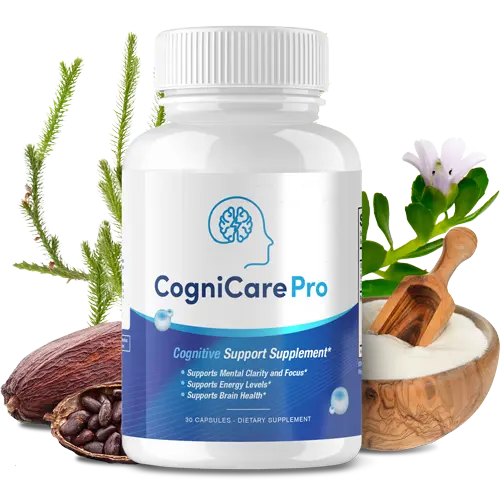
Full ingredient breakdown — what's inside CogniCare Pro and how the formula works.
In This Article
Edited by Michael Anderson, Editor-in-Chief
Updated
Quick Answer
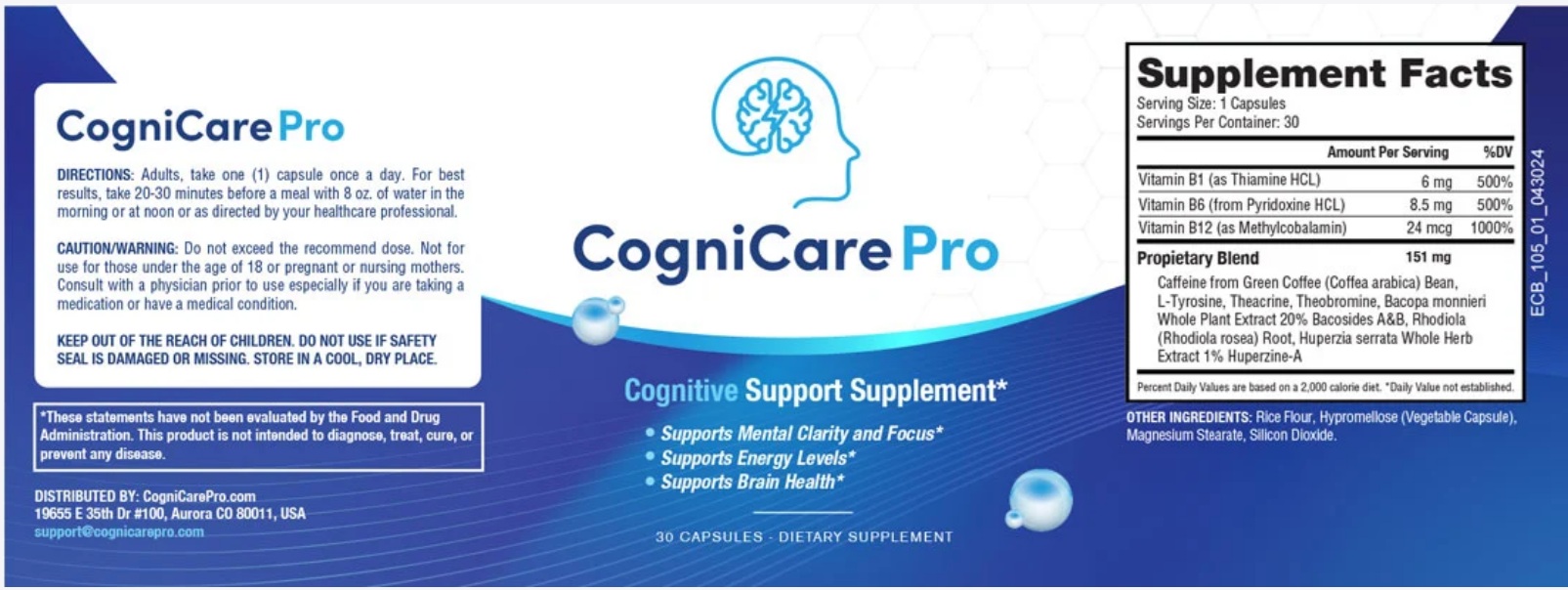
CogniCare Pro contains seven active ingredients plus three essential B-vitamins, organized into three functional layers: neurotransmitter precursors (L-Tyrosine + B-vitamins), memory and acetylcholine support (Bacopa Monnieri + Huperzia Serrata), and stress adaptation (Rhodiola Rosea). Green Coffee Bean and Theobromine round out the formula with a mild, non-jittery energy layer. Individual doses are not disclosed — the botanicals are combined in a proprietary blend, which is the formula's biggest transparency limitation.
1. Formula Overview
CogniCare Pro is built around a specific idea: rather than pushing a single mechanism hard (like a high-dose stimulant nootropic), it targets several cognitive pathways at once through well-researched botanicals. The formula uses three functional layers. The first layer provides neurotransmitter raw materials — L-Tyrosine as the precursor to dopamine and norepinephrine, plus B-vitamins as the cofactors your brain needs to actually make those neurotransmitters. The second layer supports memory and acetylcholine signaling through Bacopa Monnieri and Huperzia Serrata. The third layer uses Rhodiola Rosea to support stress adaptation and mental fatigue.
Green Coffee Bean Extract and Theobromine are layered in as mild natural stimulants. Unlike formulas that lean on heavy caffeine doses, these two compounds provide gentle alertness through a smoother pharmacokinetic curve — less peak, less crash. For a broader look at what this product is and who it targets, see What Is CogniCare Pro?
2. Full Ingredient Table
| Ingredient | Amount per Serving | Role in the Formula |
|---|---|---|
| L-Tyrosine | Proprietary blend | Amino acid precursor to dopamine and norepinephrine — the neurotransmitters behind attention, motivation, and mental processing speed under cognitive stress. |
| Bacopa Monnieri | Proprietary blend | One of the most studied botanicals for memory. Research suggests 8–12 weeks of daily use supports memory consolidation, learning, and information retention. Works slowly but cumulatively. |
| Rhodiola Rosea | Proprietary blend | Adaptogen with real evidence for reducing mental fatigue and supporting cognitive performance under stress. Faster-acting than Bacopa (days to weeks). |
| Huperzia Serrata (Huperzine A) | Proprietary blend | A natural source of Huperzine A, a well-documented acetylcholinesterase inhibitor. By slowing the breakdown of acetylcholine, it supports memory signaling — the same neurotransmitter pathway targeted by prescription cognitive enhancers. |
| Green Coffee Bean Extract | Proprietary blend | Provides a mild dose of natural caffeine plus chlorogenic acid (a polyphenol with antioxidant properties). Delivers alertness without the spike of a full coffee. |
| Theobromine | Proprietary blend | A gentler cousin of caffeine found naturally in cocoa. Offers smoother cognitive energy with less adrenergic stimulation — helpful for users who crash from coffee. |
| Vitamin B1 (Thiamine) | Disclosed on label | Essential cofactor in neuronal energy metabolism. Deficiency is directly linked to cognitive impairment, especially in older adults. |
| Vitamin B6 (Pyridoxine) | Disclosed on label | Required for the synthesis of dopamine, serotonin, and GABA — the neurotransmitters behind mood, focus, and calm cognition. |
| Vitamin B12 (Cobalamin) | Disclosed on label | Critical for myelin maintenance, neuronal function, and red blood cell production. B12 deficiency is a well-known driver of reversible cognitive symptoms in older adults. |
3. How They Work Together
The formula is designed around a concept called multi-pathway cognitive support, and understanding that concept is key to understanding why these specific ingredients were chosen together.
Layer 1 — Neurotransmitter Raw Materials. L-Tyrosine is an amino acid that your body converts directly into dopamine and norepinephrine — the two neurotransmitters most closely tied to attention, mental drive, and information processing speed. Under cognitive stress (heavy workloads, poor sleep, sustained focus demands), tyrosine availability becomes a limiting factor for neurotransmitter production. B-vitamins (B1, B6, B12) are the cofactors that enzymes need to actually convert tyrosine into its downstream neurotransmitters. Without adequate B-vitamin status, even high tyrosine intake falls short. This is why they're included together — they're a functional unit, not independent ingredients.
Layer 2 — Memory and Acetylcholine Support. Acetylcholine is the neurotransmitter most closely linked to memory and learning. As we age, acetylcholine signaling naturally declines. CogniCare Pro addresses this through two complementary mechanisms. Bacopa Monnieri supports synaptic communication and memory consolidation over time — it's one of the slowest-acting but most evidence-backed memory botanicals, with randomized controlled trials showing effects over 8–12 weeks of daily use. Huperzia Serrata provides Huperzine A, which works in a completely different way: it slows the enzyme that breaks down acetylcholine (acetylcholinesterase), preserving more of the neurotransmitter in the synapses. Together they build and preserve the memory signaling environment.
Layer 3 — Stress Adaptation. Chronic stress is one of the most underappreciated drivers of cognitive decline. Elevated cortisol is associated with hippocampal shrinkage, impaired memory consolidation, and mental fatigue. Rhodiola Rosea is classified as an adaptogen — it helps the body modulate the stress response rather than block it. Research suggests Rhodiola can reduce mental fatigue and support cognitive performance under pressure, often within days to a few weeks of starting (much faster than Bacopa). It's the layer that delivers early wins while the Bacopa side is still building up.
The Energy Layer. Green Coffee Bean Extract provides a mild dose of caffeine plus chlorogenic acid polyphenols. Theobromine adds a smoother, cocoa-derived form of mental energy with less adrenergic stimulation than caffeine. Together, they deliver daytime alertness without the spike-and-crash pattern that derails so many adults over 45 who are sensitive to stronger stimulants. For a detailed look at what users can realistically expect, see our Does CogniCare Pro Really Work? breakdown.
4. What to Know About the Proprietary Blend
The biggest limitation of CogniCare Pro's formula is also the easiest to spot: the botanicals are combined in a proprietary blend, which means the manufacturer discloses the total blend weight but not the individual dose of each ingredient.
This matters because the research on cognitive botanicals is dose-dependent. Bacopa Monnieri typically shows benefits in studies at 300–450 mg per day standardized to 50% bacosides. Rhodiola Rosea is usually tested at 200–400 mg standardized to 3% rosavins and 1% salidrosides. Huperzia Serrata is used at 50–200 mcg of Huperzine A. Without knowing the individual doses in CogniCare Pro, you can't directly verify whether each ingredient is at the level the research suggests works — you have to trust the manufacturer's formulation decisions.
The B-vitamins are disclosed separately on the label, which is standard practice. The core botanicals are not. This isn't unusual in the supplement industry — many brands use proprietary blends for competitive reasons — but it's worth being honest about: if full dose transparency is important to you, this formula will disappoint you. If you're prioritizing a gentle, well-established botanical stack and you trust the GMP-certified, FDA-registered facility standards, the proprietary blend structure is a trade-off you might accept. For fully disclosed alternatives in the same category, see our Brain C-13 review. For what this formula actually delivers in practice, see Benefits →.
Frequently Asked Questions
Are the ingredients in CogniCare Pro backed by research?
The core botanicals — Bacopa Monnieri, Rhodiola Rosea, and Huperzia Serrata — are among the most studied natural compounds in cognitive research. Randomized controlled trials support Bacopa for memory over 8–12 weeks, Rhodiola for mental fatigue, and Huperzine A for acetylcholine signaling. L-Tyrosine has solid evidence for maintaining cognitive performance under stress, and B-vitamin deficiencies are directly linked to cognitive symptoms in older adults.
Does CogniCare Pro contain stimulants or common allergens?
The formula contains mild natural stimulants from Green Coffee Bean Extract (caffeine + chlorogenic acid) and Theobromine (found in cocoa). Total stimulant load is low — lower than a standard cup of coffee — but caffeine-sensitive users should monitor tolerance. The label does not list major allergens like gluten, dairy, or soy, but always verify the most current label on the official website if you have specific sensitivities.
Should I consult a doctor before taking CogniCare Pro?
If you are generally healthy and not on medication, most adults can start without an issue. However, because Huperzine A works on the acetylcholine system, anyone taking acetylcholinesterase inhibitors like donepezil (Aricept), rivastigmine (Exelon), or similar prescription cognitive drugs must speak with a physician first — there's a real mechanism overlap. Also consult a doctor if you take antidepressants, blood pressure medication, or are pregnant or nursing.
Research & Transparency
This content is based on publicly available ingredient research, manufacturer disclosures, and product labeling. We are not affiliated with the manufacturer.
(a) Meta-analysis of randomized controlled trials on cognitive effects of Bacopa monnieri extract. PMC5075615
(b) Huperzine A for Alzheimer's disease: a systematic review and meta-analysis. PMC4137276
(c) Rhodiola rosea in stress induced fatigue — a double blind cross-over study. PubMed 22228617
(d) Tyrosine supplementation mitigates working memory decrements during cognitive stress. PubMed 17585971
About the Author
Emily Carter is a contributor at The Supplement Post and a research collaborator with the Smart Guide editorial group — an independent team dedicated to conducting deeper evaluations of supplements across major health categories. Her work covers brain health, neuro supplementation, blood sugar control, and evidence-aware supplement analysis. She is not a medical doctor — she analyzes publicly available research to provide consumer-friendly summaries for adults exploring cognitive support and neuroprotection options.
Disclosure
All content is for informational purposes only and is not a substitute for professional medical advice. Each product reviewed is a dietary supplement, not a prescription drug. Results may vary based on individual health status, consistency of use, and lifestyle. This page may contain affiliate links — if you purchase through them, we may earn a small commission at no additional cost to you. Read our Editorial Policy.