
GLP-1 & Muscle
Is There a Supplement to Prevent Muscle Loss While You're on a GLP-1?
The muscle-loss question has taken over the GLP-1 conversation — from the ADA's 2026 debate to viral "before and after" photos. Here's the honest science: most of what you lose is fat, some lean-mass loss is normal, and there's a straightforward way to protect what matters — especially if you're over 40.

First — why muscle loss on a GLP-1 is suddenly everywhere
For a while, the GLP-1 story was all about the scale. Now the conversation has shifted to what's underneath it. At the American Diabetes Association's 2026 Scientific Sessions, experts openly debated whether the muscle lost with drugs like Ozempic, Wegovy, Mounjaro, and Zepbound is a real problem or an overblown one. Around the same time, a UCSF study of more than 1,400 middle-aged adults found that people whose weight repeatedly rose and fell lost nearly four times as much thigh muscle as those who stayed stable. The topic went mainstream — and for good reason.
But the headlines flatten a nuanced picture. The honest version is more useful, because it tells you exactly when to worry and what to do about it.
The key point The goal was never just to weigh less. It's to lose fat while keeping the muscle that keeps you strong, mobile, and metabolically healthy — and on a GLP-1, that takes a little intention. Luciano Cesar, Content Contributor
By the numbers
25–39%
of GLP-1 weight loss that can come from lean mass (ADA 2026)
~4×
more thigh muscle lost by weight cyclers vs stable weight (UCSF, 2026)
After 40
when muscle and bone loss naturally accelerate — the at-risk window
1 in 5
GLP-1 users actually advised to do resistance training
What the science actually says
The 2026 ADA debate is the clearest summary available, so here's the honest read:
The Evidence
- Most of the loss is fat. Some lean-mass loss is normal and even adaptive for any weight loss — it's not automatically "muscle wasting," and one corrected analysis lowered a headline figure from 39% to about 30%.
- The risk isn't evenly spread. It's concentrated in higher-risk groups — people over 40, post-menopausal women, older adults, and those with weight that cycles — where muscle and bone loss already accelerate.
- Muscle matters beyond looks. Low muscle mass is tied to weaker strength, worse balance, and higher fracture and mortality risk — reasons to protect it that have nothing to do with the mirror.
- Exercise is under-prescribed. Resistance training is the most effective protection, yet only about 20% of GLP-1 users are ever prescribed exercise — the biggest, cheapest lever is the one most people are never told to pull.
Bottom line: you don't need to panic or quit your medication — you need to actively protect muscle while you lose fat. Here's the biology of how that works, and where the right support fits in.
How muscle is actually protected — and where each formula fits
Holding onto muscle while you lose fat comes down to three biological jobs — and a GLP-1 quietly undercuts all three. Understanding them is what tells you which support is worth taking, and why using them together does more than any one alone.
1. Raw materials — protein and amino acids. Muscle is maintained through muscle protein synthesis, which runs on a steady supply of amino acids. Eat too little protein — exactly what a suppressed appetite causes — and the signal to hold muscle fades. This is where an amino formula plugs in: it delivers the building blocks directly, so the muscle-protection signal keeps firing even on the days you can't finish a meal.
2. Energy — the fuel to train and recover. Resistance training is the strongest signal to keep muscle, but both training and recovery run on cellular energy (ATP) made by your mitochondria — and eating far less leaves that energy depleted. A mitochondrial formula targets that layer, supporting the energy to actually do the work that protects muscle instead of skipping it because you're flat.
3. Delivery — blood flow to the muscle. None of it lands if nutrients and oxygen can't reach the muscle. Nitric oxide widens your blood vessels to deliver what muscle needs and clear what it doesn't — the recovery-and-delivery side. A nitric-oxide booster supports that flow, which matters more as levels naturally decline with age.
Protein and resistance training are still the foundation — but on a GLP-1 they're the hardest part to sustain, and each of these formulas is built to support one of the three jobs above. That's why they work well together: aminos supply the materials, the mitochondrial stack supplies the energy, and the nitric-oxide booster handles delivery. You can stack all three or start with the one that matches your weakest link.
The terms that matter
- Lean mass
- Everything that isn't fat — mostly skeletal muscle, plus bone and water. It's what "muscle loss" studies are really tracking.
- Muscle protein synthesis
- The process that builds and maintains muscle. It needs a steady supply of protein and amino acids — hard to get when appetite is suppressed.
- Resistance training
- Working muscles against resistance (weights, bands, bodyweight). The single most effective way to signal your body to keep muscle during weight loss.
- Sarcopenia
- Age-related loss of muscle mass and strength. The risk it poses is why protecting muscle matters most after 40.
The support layer: 3 picks, matched to where you're stuck
Each targets a different one of the three jobs above — materials, energy, delivery — so they're designed to work together: many people run all three, and each still stands on its own. Not sure where to begin? Match the pick to your weakest link and whether you're still losing or holding on a maintenance dose, then add from there.
Advanced Amino Formula
Use it if you can't hit your protein
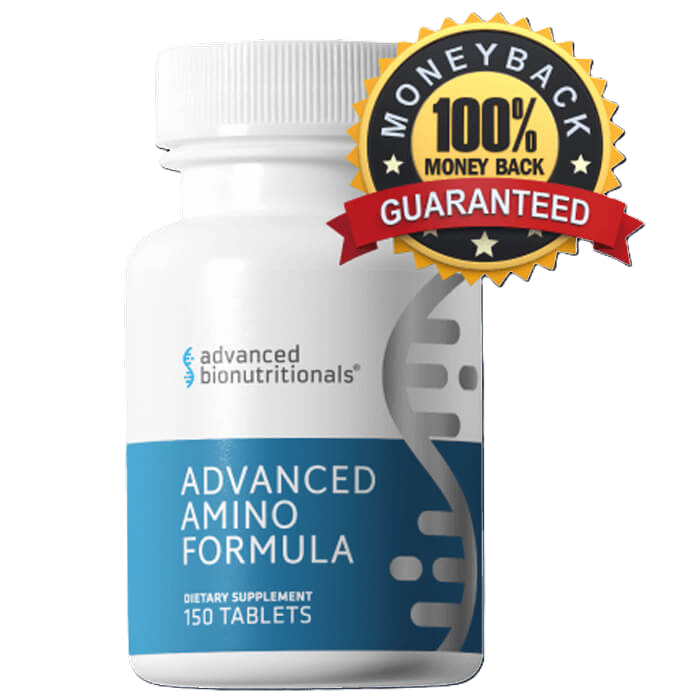
This is the daily base for almost anyone on a GLP-1 — whether you're actively losing weight or holding steady on a maintenance dose. Protein is the number-one thing that protects muscle, and appetite suppression is exactly what makes protein hard to eat. Advanced Amino Formula supplies the amino acids your muscle uses to hold itself, so the muscle-protection signal keeps going even on days you can barely finish a meal. If you only add one thing, add this.
Look elsewhere if: You already eat high-protein meals with no trouble — then this is a top-up, and your energy or recovery may be the better place to start.
Advanced Mitochondrial Formula
Use it if you're too drained to train
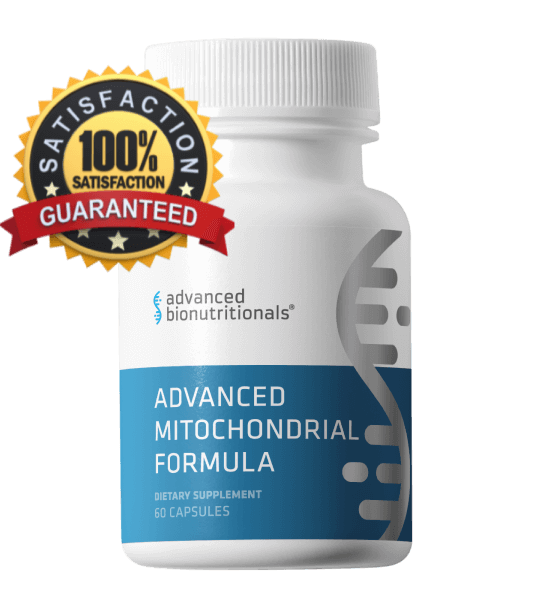
Protein protects muscle; resistance training is what keeps it — and eating far less can leave you too flat to lift. If you know you should train but have zero energy for it, this 10-ingredient mitochondrial stack targets the cellular-energy side so you can get to the workout and recover afterward. It's most useful during the active weight-loss phase, when your calories — and your energy — are at their lowest.
Look elsewhere if: Your energy is fine and protein is the real gap — start with the aminos above.
CircO2 Nitric Oxide Booster
Use it once protein and training are handled
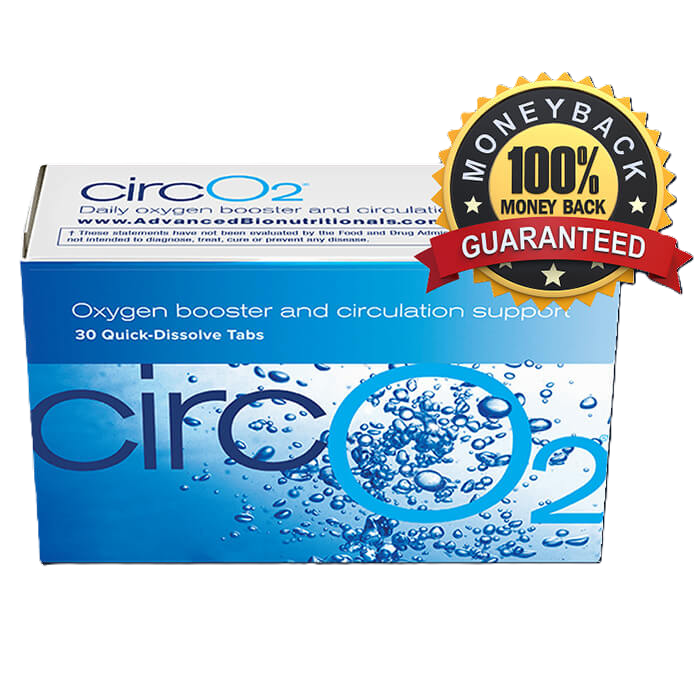
The finishing layer. Once you're eating enough protein and training consistently — often once you've settled into a maintenance dose — CircO2 supports blood flow and nutrient delivery to the muscle you're working, plus recovery. It's the pick for keeping your momentum on maintenance and getting more out of each session, especially since nitric oxide naturally declines with age.
Look elsewhere if: You haven't nailed protein and training yet — cover those first; this rounds them out rather than replacing them.
Which one is for you
Read the "use it when" row, find the line that sounds like you, and start there. You don't need all three — and where you are in your GLP-1 journey changes which one earns its place.
| Match it to you | Advanced Amino Formula | Advanced Mitochondrial Formula | CircO2 |
|---|---|---|---|
| Use it when | You can't hit your protein | You're too drained to train | Protein & training are handled |
| Best in which phase | Losing or maintenance | Active weight loss | Maintenance dose |
| What it supports | Amino acids for muscle protein synthesis | Cellular energy to train & recover | Blood flow & recovery |
| The role | The foundation — add this first | The enabler — get you training | The finisher — round it out |
Which supplement prevents muscle loss on a GLP-1?
If you're losing weight on a GLP-1, the muscle question isn't a reason to panic or to stop — it's a reason to be intentional. Keep protein and training at the center, then use the support that closes the gaps a GLP-1 opens: the aminos for materials, the mitochondrial stack for energy, the nitric-oxide booster for delivery — together, or starting with your weakest link. If protein is your hardest part — and on a GLP-1 it usually is — Advanced Amino Formula is where we'd start. Whatever you choose, keep taking your medication as prescribed and talk to your doctor about a plan that fits you.
Want the layer underneath this one? See our Advanced Amino Formula review and whether Mounjaro costs you muscle.
Weighing your options on the medication itself? See natural GLP-1 support alternatives and what to take after stopping a GLP-1 — separate decisions from protecting muscle while you're on it.
This is general information and supplement guidance, not medical advice. Supplements support a protein-and-training plan; they don't replace it, treat, or prevent any disease. Never start, stop, or change a GLP-1 medication without your doctor.
Frequently asked questions
Does a GLP-1 cause muscle loss?
You do lose some lean mass on a GLP-1 — but most of what you lose is fat, and some lean-mass loss is normal for any weight loss. Studies presented at the 2026 ADA Scientific Sessions put lean mass at roughly 25% to 39% of total weight lost, which is within the normal range for weight loss generally. The concern is real mainly for higher-risk groups — people over 40, post-menopausal women, older adults, and those whose weight cycles — where protecting muscle matters more.
How do I keep muscle while on a GLP-1?
Two proven fundamentals: resistance training (lifting weights or bodyweight work a few times a week) and enough dietary protein. Together they signal your body to hold onto muscle while you lose fat. The problem is that a GLP-1 suppresses appetite, so hitting protein is hard, and low energy makes training hard — which is where targeted support (amino acids for protein, cellular energy for training) can help you stick to the fundamentals.
How much protein should I eat on a GLP-1?
A common target for preserving muscle during weight loss is roughly 0.7 to 1 gram of protein per pound of goal body weight, spread across the day. On a GLP-1 that's genuinely difficult because you feel full fast — which is why prioritizing protein at every meal, and topping up with an amino or protein supplement, is the practical fix. Ask your doctor or a dietitian for a target that fits you.
Do I have to lift weights to keep muscle on a GLP-1?
Resistance training is the most effective single thing you can do — and here's the striking part: research suggests only about 1 in 5 GLP-1 users is ever advised to exercise. You don't need a gym; two to three short sessions a week of resistance work (bands, dumbbells, or bodyweight) plus adequate protein is the core protocol. Supplements support that effort; they don't replace it.
What supplements help protect muscle on a GLP-1?
Three complementary types, each covering a different job. Amino acids supply what muscle building needs when your appetite is low; a cellular-energy (mitochondrial) formula supports the energy to train and recover; and a nitric-oxide booster supports blood flow and nutrient delivery to muscle. Because they target different mechanisms, they work well together — many people combine all three, while others start with the one that matches their weakest link. They support the protein and training that anchor the whole plan.
Should I stop my GLP-1 to avoid muscle loss?
No — don't stop or change your medication without your doctor. Muscle loss is a manageable trade-off, not a reason to abandon a treatment that's working. The smarter move is to protect muscle while you stay on it: prioritize protein, add resistance training, and support both. If you and your doctor are weighing gentler options, that's a separate conversation — but it's a medical decision, not a supplement one.