
The Best GLP-1 Supplement for Weight Loss: Natural Alternatives That Actually Move the Needle
Ozempic isn't the only door into the GLP-1 system — it's just the loudest. A handful of natural supplements ride the same pathway, softer and slower, for the person who doesn't need a prescription but is tired of fighting their own appetite at every meal.
See the #1 Natural GLP-1 Pick → Or read all 3 picks first ↓
✓ The short answer
Natural GLP-1 supplements don't contain semaglutide — they support your body's own GLP-1 production, either by feeding the gut bacteria that trigger it (Akkermansia) or by working the metabolic pathways behind appetite and insulin (Berberine). Softer than a prescription, slower, dependent on consistency. Our pick for the direct mechanism is SlimLeaf — but the right one depends on whether your problem is baseline hunger, post-meal crashes, or a stomach that won't tolerate oral Berberine. Below: what these actually do, the three picks by profile, and the honest 8-week timeline.
First — What Is a "Natural GLP-1 Supplement," Really?
GLP-1 — glucagon-like peptide-1 — is a hormone your gut already makes after you eat. It's the signal that tells your brain you're full, slows how fast your stomach empties, and smooths your insulin response. Ozempic works by flooding that system with a synthetic mimic. A natural GLP-1 supplement does something quieter: it nudges your own body to produce more of the real thing.
There are two honest ways to do that, and most worthwhile products use one of them. The first is bacterial: certain gut microbes — chiefly Akkermansia muciniphila — release a protein (P9) that pokes your gut's L-cells into making more GLP-1. The second is metabolic: plant compounds like Berberine activate AMPK (the enzyme Metformin targets), steady your blood sugar, and soften appetite as a downstream effect. Same destination, different door.
What none of them do is match Ozempic's magnitude — and any product promising they will is lying to you. Semaglutide delivers 15–20% body-weight loss in trials. Natural GLP-1 support delivers more like 4–8% over six months of consistency. For a lot of people that's the difference between their old clothes fitting and not. It's just not a one-to-one swap, and the honest products say so.
Why so many people are searching for this now
This isn't a niche corner of the supplement world anymore — it's one of the fastest-moving searches in health, and the reasons are concrete:
What's driving the wave
- The cost is unsustainable for most people. GLP-1 injections run roughly $900–$1,500 a month out of pocket, and most insurance plans require a diagnosis the average person trying to lose 15–30 lbs doesn't have. "Natural alternatives to Ozempic" searches climbed sharply through 2025 (Glimpse / Google Trends) as that wall became obvious.
- The "what happens when I stop" question scares people. Published extension data shows most users regain a large share of the loss within a year of stopping — so a growing group wants a routine they can actually keep, not one that ends when the prescription does.
- "Akka" went mainstream. Interest in Akkermansia muciniphila supplements has exploded as the gut-microbiome research moved from labs into the wellness conversation — the strain is now one of the most-searched probiotic terms in the weight category (2025).
- Regulators are watching the knockoffs. The FDA and FTC have repeatedly flagged "miracle" weight-loss supplements for undeclared drugs and false claims — which is exactly why mechanism and transparency, not marketing language, are the only filters worth trusting.
The biology underneath is older and better-established than the hype: Akkermansia's effect on GLP-1 signaling was first characterized at the Université de Louvain (Cani lab), and Berberine's glucose and insulin effects sit behind multiple human meta-analyses. The trend is new; the science isn't.
The Five Filters That Separate Real from Knockoff
The "GLP-1 supplement" label now gets slapped on everything from glorified fiber to caffeine-loaded thermogenics. Five filters cut through the noise — every pick below clears all five:
- Real mechanism, not just the name. Akkermansia, Berberine's AMPK route, or another pathway with published evidence — not green tea + L-carnitine rebranded with a trendy label.
- Human research, not animal-only. Akkermansia, Berberine, Quercetin and Resveratrol all have human trials at relevant doses. Anything thinner is too early for a buyer's guide.
- Dose transparency or honest standardization. Published per-ingredient doses, or a clearly standardized hero (e.g., Berberine 20% extract). Proprietary blends that hide everything are a red flag.
- A realistic timeline. If the marketing promises 7-day results, walk away. The gut–brain axis takes 4–8 weeks to recalibrate, and honest brands tell you that.
- A guarantee that covers the evaluation. A 30-day window closes before the formula has finished its work — so factor that into how many bottles you buy.
What these terms actually mean:
- GLP-1 (glucagon-like peptide-1)
- A hormone your gut releases after eating that tells your brain "you're full" and slows digestion. Ozempic mimics it with a synthetic version; natural supplements coax your body into making more of its own.
- Akkermansia muciniphila ("akka")
- A gut bacterium that triggers your L-cells to release more GLP-1 naturally. People with metabolic problems usually run low on it — replenishing it supports your own satiety signal.
- P9 protein
- The specific molecule Akkermansia produces to switch the L-cells on. Newer formulas include the isolated P9 directly for a stronger, more reliable signal.
- Berberine + AMPK
- Berberine flips on an enzyme called AMPK that improves how your cells handle sugar — the same lever Metformin pulls. That's why it helps with the post-meal crash-and-craving cycle.
- Transdermal
- Delivered through the skin via a patch instead of swallowed. For Berberine, this sidesteps the stomach upset that makes a lot of people quit the oral capsules.
The 3 Picks — by What's Actually Going Wrong
There isn't one "best" for everyone, because the thing fighting you isn't the same for everyone. Match the pick to your dominant pattern — baseline hunger, the insulin rollercoaster, or a stomach that won't tolerate oral Berberine.
SlimLeaf
The direct mechanism — Akkermansia + P9, closest to what Ozempic targets
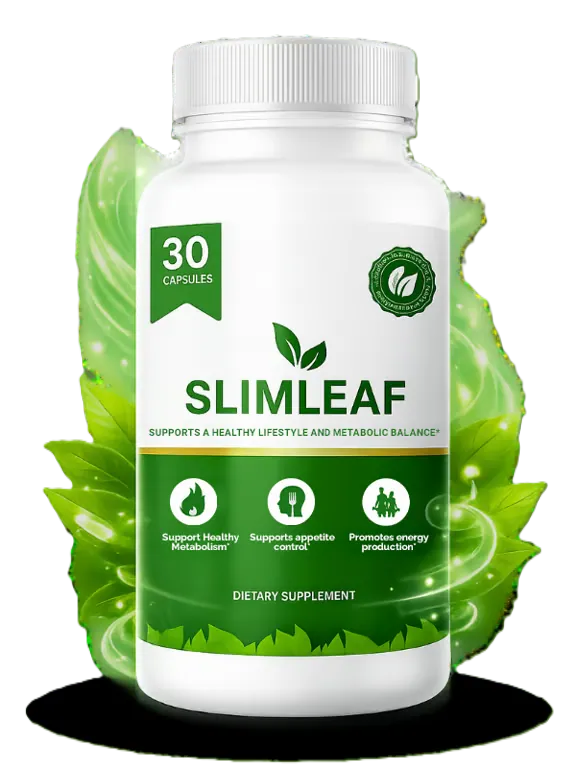
Most products in this category borrow the 'GLP-1' label without doing anything to the GLP-1 pathway. SlimLeaf is the exception: it's built on Akkermansia muciniphila and the P9 protein — the specific bacterial signal that tells your own gut L-cells to release more GLP-1. That's the same satiety hormone Ozempic amplifies, except here you're supporting your body's own production instead of injecting a mimic. The first appetite shift tends to land around week 2–3; the bigger changes in weeks 6–8. Colonization takes time, so plan on the 3-bottle bundle for a fair test.
500+ verified buyers · 30-day money-back
Look elsewhere if: Your real problem is the 2 p.m. crash and sugar cravings rather than baseline hunger — that's an insulin pattern, and the berberine route (GLP-1 Plus) targets it more directly.
GLP-1 Plus
Dihydroberberine, the more bioavailable berberine
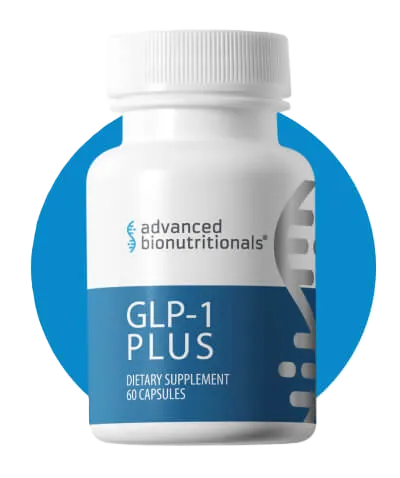
GLP-1 Plus is built on GlucoVantage dihydroberberine — the form the body absorbs more readily than standard berberine — paired with gymnema, chromium and cinnamon cassia on a disclosed label. The angle is appetite and blood sugar rather than gut flora, which makes it the natural second read for anyone arriving from the GLP-1 question rather than the microbiome one.
Capsule — 2 daily · 90-day money-back
Look elsewhere if: The strain-and-gut route is what convinced you — SlimLeaf carries the Akkermansia synbiotic and stays the pick for it.
Three Doors Into the Same Room — Side by Side
Three approaches, three reader profiles. The trade-offs laid out honestly:
In practice, the right pick is the one you'll actually take consistently for eight weeks. Compliance beats mechanism — every single time.
What the First 8 Weeks Actually Look Like
Most people quit at week 2 because nothing dramatic has happened — and that's the wrong window. Here's the honest progression across all three routes:
★ Weeks 5–8 is where it pays off — that last part, where you stop thinking about food all the time, is what these supplements deliver best. Not dramatic. Just the quiet thing that changes your daily life.
When a Prescription Is Still the Right Call
We're recommending the natural route as a sensible starting point — not telling you it's right for everyone. For some people, prescription GLP-1 is genuinely the better choice, and pretending otherwise wouldn't be honest. Talk to your doctor about a prescription if:
- Your BMI is over 35, or you have diabetes / pre-diabetes that isn't responding to lifestyle changes
- You have significant comorbidities where the magnitude of pharmaceutical weight loss matters medically
- You've given a natural protocol a real 8–12 week run and your body simply isn't responding
- An oral GLP-1 option (like the newer once-daily formats) fits your situation better than a supplement
Supplements are the gentler path, not the only one. The honest answer is what we'd tell our own family: try the natural route first, give it real time, and escalate to medical care if the case warrants it.
Which GLP-1 supplement should you take for weight loss?
The natural GLP-1 category is real, mechanism-based, and works for a specific person — the one who doesn't need Ozempic-level intervention but needs more than willpower. The trick is matching the route to what's actually fighting you.
Here's where we'd start. If your problem is baseline hunger — you're just hungry more than you should be — start with SlimLeaf for the direct Akkermansia → P9 mechanism, and plan on the 3-bottle bundle so colonization has time to work. If it's the insulin rollercoaster — the 2 p.m. crash and sugar cravings — the berberine route targets that layer better — and GLP-1 Plus uses dihydroberberine, the form the body takes up more readily.
Whichever you pick, give it 4–8 weeks of daily consistency: early signals around week 2, bigger ones in weeks 6–8, the quiet life-changes in month 3+. Worst case, you mail it back inside the guarantee window. Best case, your body finally stops fighting you at every meal.
If your situation warrants prescription intervention, talk to your doctor. The natural route is the gentler first step — not a replacement for medical care when the case calls for it.
Read this alongside our GLP-1 Plus review and how to keep muscle on a GLP-1 for the fuller picture.
Frequently Asked Questions
Is there a natural alternative to Ozempic that actually works?
Yes — but with realistic expectations. Natural GLP-1 supplements don't replicate the strength of semaglutide. They work with the body's own GLP-1 system through gut bacteria (Akkermansia muciniphila) or plant compounds (Berberine, Quercetin, Resveratrol) that influence insulin sensitivity and appetite signaling. Most users notice softer hunger between meals within 2–4 weeks, with meaningful changes by weeks 6–8. The honest magnitude: roughly 4–8% body-weight change over six months of consistency, versus Ozempic's 15–20% in trials.
How long does a natural GLP-1 supplement take to work?
Plan for 4–8 weeks of consistent daily use. The gut–brain axis recalibrates slowly. Akkermansia-based formulas need time for colonization; Berberine-based formulas need the AMPK pathway to compound. The earliest signals — softer afternoon cravings, steadier energy between meals — usually show up around week 2. Visible scale and waistband changes follow in weeks 4–8. The people who quit at week 2 quit right before the window that matters.
Can I take a GLP-1 supplement instead of Ozempic?
If you don't have a clinical diagnosis that warrants prescription GLP-1 medication, a natural supplement is a reasonable starting point. They're milder, far less expensive, and don't carry the same side-effect profile (gastroparesis, muscle loss, Ozempic face). They also won't deliver Ozempic-level weight loss. The honest framing: they're a starting point, not a one-to-one swap.
Are there side effects with natural GLP-1 supplements?
Side effects exist but are usually mild and tied to specific ingredients. Oral Berberine can cause GI discomfort at higher doses — which is exactly why transdermal formats (patches) exist. Akkermansia is generally well tolerated. As always, if you take prescription medications — especially for blood sugar or thyroid — consult your physician before starting.
When should I see a doctor instead of trying supplements?
If your BMI is over 35, if you have diabetes or pre-diabetes that isn't responding to lifestyle changes, or if you have significant comorbidities, a clinical evaluation matters more than a supplement. Natural GLP-1 support is for the person who doesn't have a clinical indication but wants more than willpower. When the case warrants medical care, supplements don't replace it.
About Luciano Cesar
Luciano Cesar is a contributor at The Supplement Post, supporting the production of evidence-aware supplement reviews and buyer's guides across multiple health categories. His work spans ingredient analysis, formulation assessment and consumer-oriented summaries — what a label discloses, how the stated doses compare with the amounts used in published human research, and whether a formula's design matches what it claims to do. Every review is checked by The Supplement Post editorial team against the standards published in our editorial policy before it goes live.
Disclosure
All content on The Supplement Post is for informational purposes only and is not a substitute for professional medical advice, diagnosis, or treatment. Each product is a dietary supplement, not a prescription drug; statements about its benefits have not been evaluated by the U.S. Food and Drug Administration (FDA) and the product is not intended to diagnose, treat, cure, or prevent any disease.
Results may vary based on individual health status, consistency of use, and lifestyle. If you are pregnant or nursing, taking medication, or have a medical condition, consult a qualified healthcare professional before using any supplement.
This page may contain affiliate links—if you purchase through them, The Supplement Post may earn a small commission at no additional cost to you. References to third-party sites are provided for convenience; we do not control or guarantee their content.