
What to Take After Stopping Ozempic: Best Options for Your Specific Rebound Pattern
Three biological layers drive the post-Ozempic rebound: GLP-1 recovery, insulin drift, and gut chaos. The right supplement depends on which one is dominant for you. Here's the decision tree.
See the GLP-1 Bridge Supplement → Or read the symptom-matched picks first ↓
✓ The short answer
There's no single "best" post-Ozempic supplement — the right one depends on which symptom is dominant for you. Hunger returning? SlimLeaf. Cravings + post-meal crashes? Ignitra (Berberine). Gut feels wrecked? LeanBiome. Below: how to figure out your dominant pattern in 60 seconds, the 3 picks matched to each pattern, and when to combine.
First — Identify Your Dominant Pattern
Most people don't realize the post-Ozempic rebound has multiple flavors. The drug suppressed appetite, smoothed insulin curves, AND shifted your gut microbiome. When you stop, one of those three layers usually causes the biggest problem — and that's the layer to target first.
Ask yourself which of these is most loud in your day:
- Pattern A — Hunger: You're just hungry. Baseline appetite came back stronger than before the drug. You think about food more than you used to. That's GLP-1.
- Pattern B — Cravings + crashes: Hunger is OK, but cravings ambush you. 2 p.m. slump, after-dinner sweet tooth, sugar-seeking after carb meals. That's insulin.
- Pattern C — Gut chaos: Bloating, constipation, digestion feels weird since stopping. Food sits longer. That's microbiome.
Most people have one dominant pattern + secondary symptoms from another. Match the supplement to your dominant pattern first; consider stacking if the secondary is also significant.
What these terms actually mean:
- GLP-1 (glucagon-like peptide-1)
- The hormone your gut produces after eating that signals "you're full." Ozempic mimicked it pharmaceutically. Natural alternatives boost your own production through gut bacteria.
- Akkermansia muciniphila + P9
- A gut bacteria (and its specific signaling protein) that triggers your L-cells to release GLP-1 naturally. Most people with metabolic issues have low Akkermansia levels.
- Berberine + AMPK
- Berberine activates an enzyme called AMPK that improves insulin sensitivity — similar mechanism to Metformin. The natural answer for post-meal crashes and crash-driven cravings.
- Multi-strain probiotic
- Several different beneficial bacteria in one capsule. Useful for restoring the gut microbiome after GLP-1 drugs disrupt motility and microbial balance.
Why Matching the Supplement to the Pattern Matters
You can throw any supplement at "post-Ozempic" and hope something sticks. The published data is clear about what actually works:
What the research supports
- Akkermansia muciniphila boosts endogenous GLP-1 production. Pasteurized Akkermansia trials show improved metabolic markers and natural GLP-1 secretion (Cani lab; Depommier et al., Nature Medicine). The mechanism overlap with Ozempic is real, just gentler in magnitude.
- Berberine works through AMPK like Metformin. Meta-analyses of berberine trials show improvement in fasting glucose, HbA1c, and post-meal curves at doses of 1,000–1,500 mg/day. Specifically helpful for the post-meal crash pattern Ozempic users report after stopping.
- L. Gasseri reduces visceral fat — independent of GLP-1. A 12-week trial of 87 adults (Kadooka et al., European Journal of Clinical Nutrition) showed L. Gasseri SBT2055 reduced abdominal visceral fat by 4.6% with no diet change. Useful for the microbiome layer.
- The post-Ozempic rebound runs 50–70% without intervention. STEP-1 extension and other GLP-1 discontinuation cohorts consistently show this number. With supplements matched to the dominant pattern, retention improves to 60–80%.
- Mismatched supplements waste time. A probiotic won't fix GLP-1 recovery. A GLP-1 supplement won't fix the insulin rollercoaster directly. Matching to the dominant pattern is what makes the protocol work — generic "anti-obesity stacks" rarely target what's actually misbehaving in your specific case.
Three Picks — Matched to Three Patterns
Each pick targets one of the three layers. The "Look elsewhere if" tells you when a different one is the better call.
SlimLeaf
If your dominant symptom is HUNGER returning
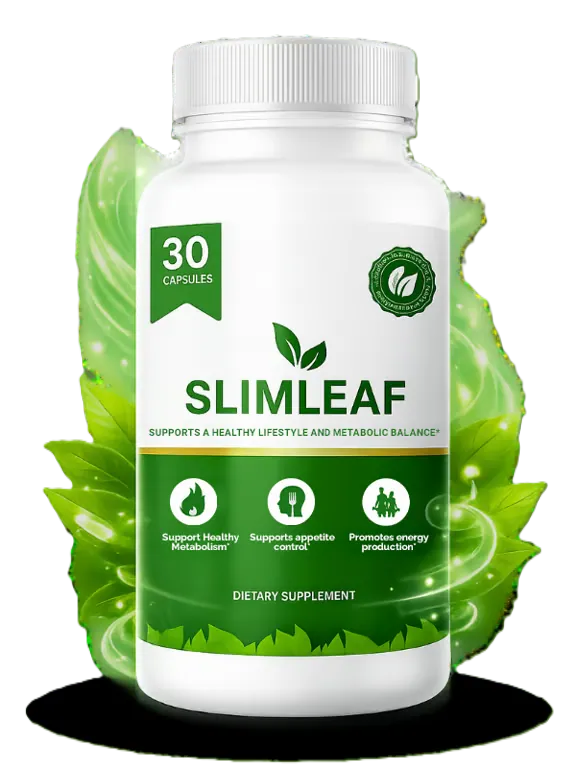
If what's pulling the weight back is straight-up appetite returning — baseline hunger you didn't have on Ozempic — that's your endogenous GLP-1 system being slow to recover. SlimLeaf uses Akkermansia muciniphila + P9 protein to trigger your own L-cells to produce GLP-1 again. Closest mechanism overlap with what Ozempic was doing. Best result: start 2–3 weeks before your last Ozempic dose.
500+ verified buyers · 30-day money-back
Look elsewhere if: Your hunger is fine but cravings keep ambushing you — that's insulin, not GLP-1.
Ignitra
If your dominant symptom is CRAVINGS + post-meal crashes
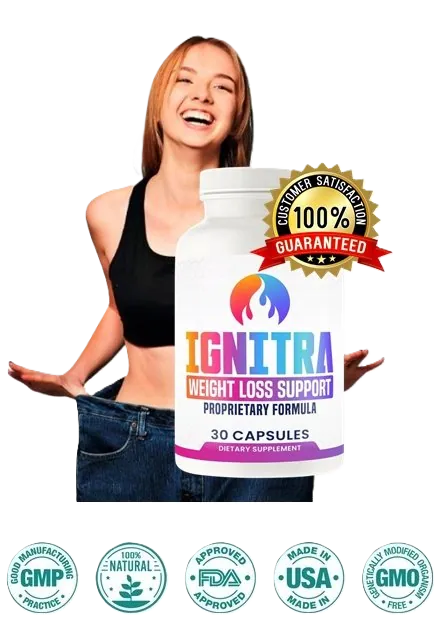
If baseline hunger is manageable but cravings hit at 2 p.m., 4 p.m., and especially after carb meals — that's insulin sensitivity drifting back. Ignitra is Berberine HCL through the AMPK pathway, the closest natural mechanism to what Metformin does. Smooths post-meal glucose, kills the crash-driven cravings. 4–8 weeks to feel it; 180-day guarantee covers the full evaluation.
2,300+ verified buyers · 180-day money-back
Look elsewhere if: You don't have post-meal crashes — your problem is baseline appetite or gut issues.
LeanBiome
If your dominant symptom is GUT chaos (bloating, constipation, irregular)
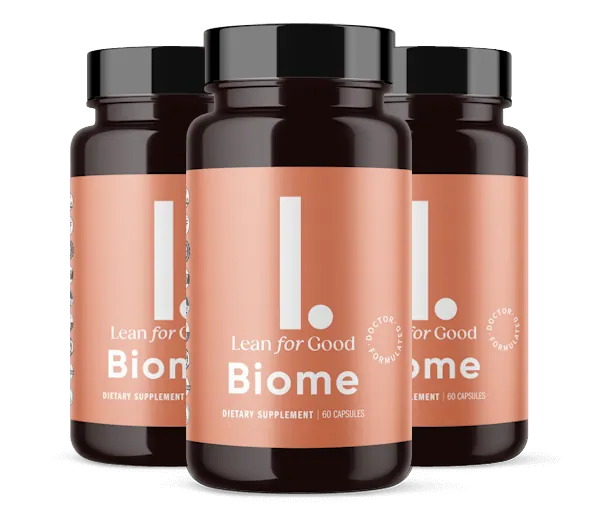
GLP-1 drugs slow gastric emptying and shift your microbiome. A lot of users come off Ozempic with persistent gut weirdness — bloating, constipation, post-meal heaviness. LeanBiome is 9 strains anchored by L. Gasseri + L. Rhamnosus + Akkermansia, specifically designed to rebuild the gut-brain axis that runs satiety signaling. Microbiome shifts take 8–16 weeks; the 180-day window matches that timeline.
8,500+ verified buyers · 180-day money-back
Look elsewhere if: Your gut feels normal and the issue is hunger or cravings — those are different layers.
Side-by-Side: Which Pick for Which Pattern
Quick reference if you want to scan instead of read:
For the full week-by-week biological timeline + what each layer does, see our companion article on life after Ozempic.
When the Honest Answer Is "Talk to Your Doctor"
We're recommending supplements that match different post-Ozempic patterns. But for some men and women, the right call isn't a supplement — it's a medical conversation. Here's when:
- The rebound is genuinely unmanageable despite a serious supplement protocol
- You have metabolic markers (A1c, fasting glucose, lipid panel) that worsen significantly after stopping
- Your doctor specifically warned you against discontinuation
- A lower maintenance dose of Ozempic or transition to oral Foundayo would be sustainable for you
Stopping a GLP-1 isn't a moral choice. The right answer is whichever protocol you can sustain long-term — sometimes that's natural alternatives, sometimes that's a lower drug dose, sometimes it's something in between.
What should you take after stopping Ozempic?
Pick the supplement that matches your dominant post-Ozempic pattern. If hunger is the loudest signal, SlimLeaf is the closest mechanism match to what the drug was doing. If cravings and crashes dominate, Ignitra handles the insulin layer. If your gut feels off, LeanBiome rebuilds the microbiome.
Most people benefit from stacking SlimLeaf with one of the other two — GLP-1 layer first, then insulin OR microbiome layer as secondary. Give the supplement 8–12 weeks of consistent use before judging it. Eat aggressive protein. Strength train 2–3x/week. Protect sleep. The supplement is the bridge — the lifestyle pieces keep the bridge standing.
Worst case: the pick you chose isn't a match and you mail it back inside the money-back window. Best case: you find the natural mechanism that holds 60–80% of your loss long-term and stop fearing the rebound.
If the rebound is feeling unmanageable, talk to your physician about restarting at a lower maintenance dose or transitioning to a different protocol. Supplements support — they don't replace medical care when the clinical case warrants more.
Still weighing the decision? See our Ignitra review and whether Ozempic costs you muscle.
Frequently Asked Questions
Why does the weight come back after Ozempic?
Three reasons. Ozempic temporarily replaces what your own GLP-1 system was doing — when you stop, your body's natural production hasn't fully recovered yet. The drug suppressed appetite at a magnitude your own biology never reaches naturally, so the contrast feels brutal. And most users lost some muscle mass on the drug, which lowered baseline metabolism. The combination is why most clinical trials show users regaining 50–70% of their loss within 12 months of discontinuation.
What is the best supplement to take after stopping Ozempic?
There's no single 'best' — it depends on which post-Ozempic pattern dominates for you. If hunger is the main problem, SlimLeaf (Akkermansia + P9) supports your own GLP-1 recovery. If cravings and post-meal crashes dominate, Ignitra (Berberine) addresses the insulin layer. If your gut feels wrecked, LeanBiome rebuilds the microbiome. Many people combine SlimLeaf with one of the other two.
How long do I need to take supplements after stopping Ozempic?
Plan on a minimum of 12 weeks of consistent daily use to bridge the post-drug adjustment, with continued use for at least 6 months for sustainable maintenance. Some people stay on natural alternatives indefinitely as their long-term maintenance strategy — the cost is low enough ($30–70/month vs Ozempic's $1,200) that the math works.
Can I take a supplement while still on Ozempic?
Generally not necessary — Ozempic is already maximally activating the GLP-1 pathway. Some people add Berberine for insulin sensitivity or probiotics for the GI side effects, but consult your physician before stacking. The biggest value of these supplements is the post-Ozempic transition and long-term maintenance phase.
Will I gain all the weight back if I don't take anything after stopping?
Studies show roughly 50–70% of the weight loss returns within 12 months of stopping GLP-1 drugs without any intervention. Lifestyle changes (continued protein-focused eating, strength training, sleep) reduce that — and natural supplements that support endogenous GLP-1, insulin sensitivity, or microbiome health further soften the rebound. Realistic expectation: hold 60–80% of your loss with a thoughtful protocol; lose most of it without one.
How long does Ozempic stay in your system after you stop?
Ozempic (semaglutide) has a half-life of approximately 7 days, which means it takes about 5–7 weeks to fully clear from your body after your last injection. During the first week, appetite is still mostly suppressed. The hardest rebound window is weeks 2–4 as the drug clears — that's when most weight regain begins. For a deeper biological timeline, see our companion article on life after Ozempic.
About Luciano Cesar
Luciano Cesar is a contributor at The Supplement Post, supporting the production of evidence-aware supplement reviews and buyer's guides across multiple health categories. His work spans ingredient analysis, formulation assessment and consumer-oriented summaries — what a label discloses, how the stated doses compare with the amounts used in published human research, and whether a formula's design matches what it claims to do. Every review is checked by The Supplement Post editorial team against the standards published in our editorial policy before it goes live.
Disclosure
All content on The Supplement Post is for informational purposes only and is not a substitute for professional medical advice, diagnosis, or treatment. Each product is a dietary supplement, not a prescription drug; statements about its benefits have not been evaluated by the U.S. Food and Drug Administration (FDA) and the product is not intended to diagnose, treat, cure, or prevent any disease.
Results may vary based on individual health status, consistency of use, and lifestyle. If you are pregnant or nursing, taking medication, or have a medical condition, consult a qualified healthcare professional before using any supplement.
This page may contain affiliate links—if you purchase through them, The Supplement Post may earn a small commission at no additional cost to you. References to third-party sites are provided for convenience; we do not control or guarantee their content.