
Before You Start
Does Mounjaro Cause Muscle Loss? What to Know Before You Start
It's the question almost everyone weighing a weight-loss shot lands on: will I lose muscle along with the fat? For Mounjaro specifically, the honest answer is more reassuring than the headlines — and it changes how you should approach starting.
First — why muscle loss is the question everyone asks before starting
Mounjaro is the name on everyone's lips right now, and with the hype has come a wave of worry: those viral "before and after" photos, the talk of "Ozempic face" and thinning arms, and a genuine scientific debate — aired at the American Diabetes Association's 2026 Scientific Sessions — about how much muscle these drugs really cost. If you're still deciding whether to start, that noise is enough to make anyone hesitate. The good news is that the data behind the debate is clearer, and calmer, than the headlines suggest.
The key point The muscle-loss worry is worth taking seriously — but it's a reason to plan, not a reason to panic or to write off a treatment that could genuinely help. Luciano Cesar, Content Contributor
By the numbers
~25%
of weight lost as lean mass on tirzepatide (Mounjaro) — vs ~39% on semaglutide
Mostly fat
the majority of what you lose on either drug is fat, not muscle
After 40
when the muscle risk concentrates — plus menopause and weight cyclers
Preventable
protein and resistance training protect most of it
Does Mounjaro actually cause muscle loss?
Here's the honest answer, with the nuance the headlines drop. Any rapid weight loss — from a drug or a crash diet — costs some lean mass, and Mounjaro is no exception. But two facts should steady your nerves. First, most of what you lose is fat: analyses shared at the 2026 ADA Scientific Sessions found lean mass made up roughly 25% of total weight lost on tirzepatide (Mounjaro), which is within the normal range for weight loss generally. Second — and this is the part almost no one mentions — tirzepatide lost less lean mass than semaglutide (Ozempic's active), which came in around 39%. So if muscle preservation is one of your deciding factors, Mounjaro-style options actually look favorable, not worse.
The caveat that matters: the risk isn't spread evenly. It concentrates in people over 40, post-menopausal women, older adults, and anyone whose weight cycles — a group where a 2026 UCSF study found nearly four times the thigh-muscle loss of people with stable weight. If that's you, muscle protection moves from "nice to have" to "part of the plan."
How you actually keep muscle — the mechanism that matters
Here's the part that decides everything, and it has nothing to do with which drug you pick. Muscle is constantly being broken down and rebuilt, and the rebuild — muscle protein synthesis — runs entirely on amino acids, the building blocks that come from protein. One in particular, leucine, acts like the on-switch that triggers the rebuild. Supply enough and your body holds muscle while it burns fat; fall short and there simply aren't enough materials to finish the job, so muscle slips away with the weight.
This is the real catch with any weight-loss drug. It works by suppressing your appetite — which is exactly what makes hitting your protein, and your amino acids, so hard. You're asked to protect muscle at the very moment eating enough becomes a struggle. That's why an amino acid supplement is such a natural fit here: it delivers the building blocks and the leucine trigger directly, in a form you can take when a full protein meal is impossible. It isn't a replacement for food or training — it's the bridge across the exact gap the medication opens, and the most direct lever you have on how much muscle you keep.
That protection is the same whichever way you take the fat off — so it comes first, no matter what you decide about the drug. The only remaining question is how you lose the weight, and there you have two routes.
Two routes to the weight loss itself
On the drug, with protection built in. If you and your doctor choose Mounjaro, start protecting muscle from the first dose rather than reacting later — aminos and protein up front, plus easing into resistance training. For the full playbook, see our guide to the supplements that help protect muscle on a GLP-1.
Or the gentler pace. If you're not ready to inject, a slower natural approach loses fat more gradually — inherently easier on muscle — and lets you see how your body responds first. Either way, the amino support above is what actually protects the muscle; the route just changes how fast the fat comes off.
What the Trials Actually Found
The three worries people bring to this question, against the data:
| The worry | What the trials show | What it means for you |
|---|---|---|
| “I’ll lose muscle instead of fat” | Tirzepatide: lean mass was roughly 25% of total weight lost | The large majority of what goes is fat |
| “All these drugs are the same on muscle” | Semaglutide (Ozempic) came in around 39% — noticeably higher | A real difference between the two injections, worth knowing up front |
| “There is nothing I can do about it” | Muscle rebuild runs on amino acids, with leucine as the on-switch | Protein and aminos from the first dose, not after the mirror changes |
Any rapid weight loss costs some lean mass, including a crash diet. The rate is what differs, and the protein is what decides how much you keep.
What to actually take
Muscle protection comes first, and it's the same whichever route you take — so start there. The second pick is only for anyone still weighing whether to use the injection at all.
Advanced Amino Formula
The muscle-protection essential — whichever route you take
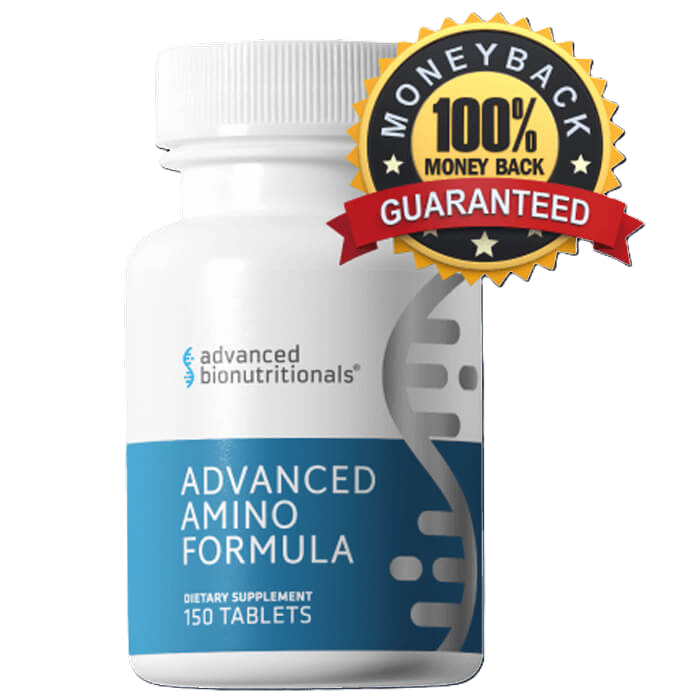
This is the one that protects your muscle, and it matters whether you go on Mounjaro or lose the weight a gentler way. Muscle is rebuilt from amino acids, and it needs a steady supply — including the leucine that switches muscle-building on. A weight-loss drug's appetite suppression is exactly what cuts that supply off, because you simply can't eat enough protein. Advanced Amino Formula delivers those building blocks directly, in a form you can get down even when you're full after three bites — the single most direct way to hold onto muscle while the fat comes off.
Look elsewhere if: You're already eating plenty of protein every day with no trouble — then you may only need it on your hardest, lowest-appetite days.
GLP-1 Plus
If you're still deciding — the gentler weight-loss route
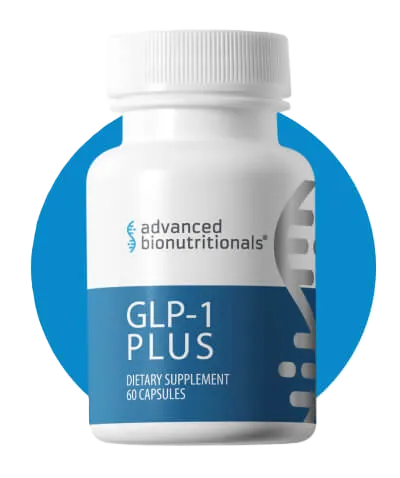
Not ready to commit to an injection? Because muscle loss tracks with how fast you lose weight, a slower, more gradual approach is inherently easier on muscle. GLP-1 Plus is a natural formula that supports the same GLP-1 pathways your body already uses — gentler than a prescription, and a reasonable first step while you see how your body responds. It's a weight-loss route, not a muscle-protection tool — so pair it with the aminos above to lose fat and protect muscle at the same time.
Look elsewhere if: You and your doctor have already decided a prescription is right for you — then just focus on the muscle protection above while you're on it.
Does Mounjaro cause muscle loss?
Does Mounjaro cause muscle loss? Some — but less than Ozempic in the trials, mostly alongside far more fat, and largely preventable. How much you keep is up to you, and it comes down to one thing: keep feeding your muscle the amino acids it's rebuilt from while you lose the fat — whichever route you take. That's why Advanced Amino Formula is where we'd start: it's the most direct way to protect muscle when a weight-loss drug erases your appetite. If you're still deciding whether to inject at all, a gentler natural route lets you lose fat more slowly and easier on your muscle — you can compare the natural options here. Make the medication call with your doctor.
This connects directly to whether Ozempic costs you muscle.
This is general information, not medical advice, and natural supplements are not equivalent to or a replacement for prescription medication. Never start, stop, or avoid a GLP-1 based on an article — that decision belongs with you and your doctor.
Frequently asked questions
Does Mounjaro cause muscle loss?
You can lose some muscle on Mounjaro, but most of what you lose is fat, and some lean-mass loss is normal for any weight loss. Reassuringly, in trials Mounjaro's active ingredient (tirzepatide) tended to lose less lean mass than semaglutide (the active in Ozempic) — roughly 25% of total weight lost as lean mass versus about 39%. The muscle risk matters most for people over 40, post-menopausal women, and those whose weight cycles — and it's largely preventable.
Does Mounjaro cause more muscle loss than Ozempic?
The trial data points the other way. Analyses shared at the 2026 ADA Scientific Sessions put lean-mass loss at about 25% of total weight lost for tirzepatide (Mounjaro) versus around 39% for semaglutide (Ozempic). So if muscle preservation is a deciding factor, tirzepatide-based options look favorable — though individual results vary, and protein and training matter more than which drug you pick.
How do I prevent muscle loss on Mounjaro?
Two things do the heavy lifting: enough dietary protein (roughly 0.7–1 gram per pound of goal weight) and resistance training a few times a week. On Mounjaro, both get harder because appetite and energy drop — which is why protein and amino support, and easing into training, help you actually stick to them. You don't need to lose muscle; you need a simple plan to protect it from the start.
Is there a natural alternative to Mounjaro that's easier on muscle?
Natural GLP-1 support formulas aim to work with the same appetite and blood-sugar pathways more gently than an injection. They're not as powerful as a prescription and they aren't a medical equivalent — but because they drive slower, more gradual fat loss, that pace is inherently easier on muscle. For some people, trying a natural route first (or alongside lifestyle changes) is a reasonable starting point before committing to a drug.
Who is most at risk of losing muscle on a GLP-1?
Muscle and bone loss naturally accelerate after 40, so the highest-risk groups are people over 40, post-menopausal women, older adults, and anyone whose weight repeatedly rises and falls. A 2026 UCSF study found weight cyclers lost nearly four times as much thigh muscle as people whose weight stayed stable. If you're in one of these groups, protecting muscle from day one matters more.
Should I avoid Mounjaro because of muscle loss?
Not on your own — that's a decision for you and your doctor, and for many people the benefits of treating obesity outweigh a manageable, preventable muscle trade-off. This article is here to help you go in informed: know the risk, know it's largely preventable, and choose the path — gentler natural route or prescription-plus-protection — that fits you. Never start or avoid a prescription based on a supplement article alone.