
Buyer's Guide
Best Supplement to Stay Asleep All Night: the 3 a.m. Fix, and Why Melatonin Is the Wrong Tool for It
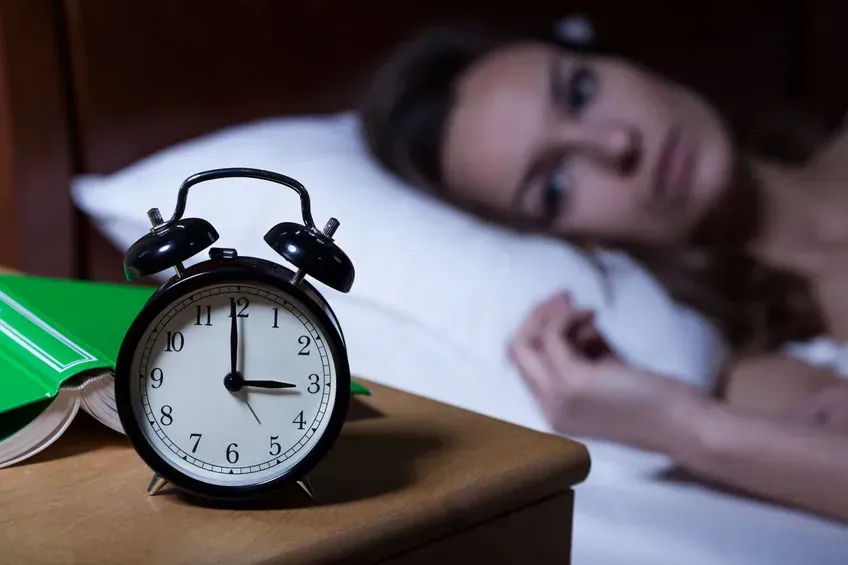
You fall asleep fine. You wake at 3 a.m. with your head already running. Almost everything on the shelf is built for the first problem, which is why it keeps failing you on the second — and why the ingredient that matters here is not the one on the front of most boxes.
Two different problems wearing the same name
Almost every conversation about sleep supplements collapses two things that have almost nothing in common. Sleep onset is the trouble of getting under. Sleep maintenance is the trouble of staying there. They have different mechanisms, and the shelf is built almost entirely for the first one.
That is why the experience is so consistent and so frustrating. You take something, you go under fine — you were always going under fine — and at 3 a.m. you are awake anyway, staring at the ceiling with the day's list already loading. Nothing failed. You just bought a tool for a job you did not have.
So the useful question is not "what is the strongest sleep supplement." It is narrower than that: what has human evidence for the second half of the night?
The key point Melatonin is a timing signal, not a sedative. It tells the body that evening has arrived. Once you are already asleep, that message has been delivered — which is exactly why it so rarely changes anything at 3 a.m. Luciano Cesar, Content Contributor
What the evidence actually supports for staying asleep
Magnesium is the ingredient with the most honest claim here, and the trial worth knowing is recent. Schuster and colleagues, publishing in Nature and Science of Sleep in 2025, ran a double-blind placebo-controlled trial in 155 adults who reported poor sleep, using 250 mg of elemental magnesium a day and measuring with the Insomnia Severity Index — the standard questionnaire researchers use to put a number on how bad someone's sleep is.
Over four weeks the magnesium group improved significantly more than placebo. The size of that improvement was small, and it was larger in the people whose diets were low in magnesium to begin with. Both halves of that sentence matter. Copy that promises transformation from magnesium is inventing; copy that waves it away is ignoring a real human trial. The accurate reading is modest and real — and modest-and-real is still the best on offer in this category.
The mechanism review by He and colleagues, in the same journal that year, is the other half of the picture: magnesium's role in sleep runs through the nervous system's own braking machinery rather than through sedation. That is the reason it belongs to the maintenance half of the problem rather than the onset half.
Two practical notes the label decides for you. Read the elemental figure, not the compound weight — 500 mg of "magnesium bisglycinate" is not 500 mg of magnesium. And the form is not cosmetic: bisglycinate is magnesium bound to two glycine molecules, which is what carries it through the stomach intact. It is the reason this form does not cause the stomach trouble that oxide and citrate are known for — a difference big enough that we took it apart separately in magnesium citrate vs glycinate for sleep.
What each ingredient is actually for
Sleep formulas tend to list eight things and explain none of them. Here is the honest division of labour, including where the evidence is thinner than the marketing suggests.
| Ingredient | The job it does | How solid the evidence is |
|---|---|---|
| Magnesium bisglycinate | Staying asleep — the second half of the night | Strongest here: a 2025 placebo-controlled human trial |
| Melatonin | Timing — when sleep starts, not how long it lasts | Well studied for onset; timing matters more than dose |
| L-theanine | Settling a busy mind without sedation | Thinner — small trials, promising rather than proven |
| Apigenin | The compound behind chamomile's reputation | Thin in humans; traditional use is the stronger claim |
| GABA (oral) | The brain's own brake signal | Unsettled — whether enough crosses into the brain is debated |
We are deliberately not pretending the bottom three rows are as solid as the top one. They are reasonable companions in a formula; they are not the reason to buy it. If a product's whole argument rests on GABA or apigenin, the argument is thinner than it sounds.
Why melatonin keeps disappointing this particular buyer
It is worth being precise, because melatonin is not useless — it is misapplied. The 2024 dose-response meta-analysis by Cruz-Sanabria and colleagues in the Journal of Pineal Research, pooling 26 randomised double-blind trials, found something most packaging never mentions: when you take it matters more than how much you take. Taking it meaningfully earlier than bedtime — rather than as you are getting into bed — moved the needle more than pushing the dose up.
Read that against the 3 a.m. problem and the mismatch is obvious. Melatonin is adjusting the clock at the front of the night. Whatever wakes you in the middle of it is a different mechanism, and no amount of clock-adjusting reaches it.
Which is why, in a formula built for maintenance, a low dose of melatonin sitting behind magnesium is a design decision rather than a shortfall. It is there as an evening signal, not as the engine.
None of that makes melatonin a bad buy — it makes it a buy for a different night. If your sleep starts too late rather than breaking in the middle, it is the right tool and this is the wrong article; we laid out which one fits which night in magnesium vs melatonin for sleep.
What to check on the label before you buy
- Elemental magnesium, stated. If the label only gives the compound weight, you cannot compare it with the 250 mg used in the trial.
- Bisglycinate, not oxide. The cheap forms are cheap because they are poorly absorbed and rough on the stomach.
- Melatonin low and late in the list. A formula led by melatonin is an onset product wearing a maintenance label.
- A guarantee longer than the effect takes. The trial ran four weeks. A 30-day refund window closes before you know anything.
- A format you will actually keep up. Four weeks of nightly use is the whole ballgame; the best formula you abandon in week two does nothing.
That last one is not filler. For an ingredient whose effect is real but modest and cumulative, adherence is not a soft factor — it is most of the outcome.
One caveat on who this fits best. A 2024 systematic review of magnesium for sleep and anxiety found the clearest gains in people who were short of the mineral to begin with, which is worth knowing before you spend; we unpacked that in magnesium glycinate for sleep and anxiety.
The formula we'd point you to
Working back from everything above: the ingredient is magnesium, the form is bisglycinate, the melatonin should be small and late, and the thing has to be pleasant enough that you are still taking it in week four. That is a short list of requirements, and most of the shelf fails it on the second one alone.
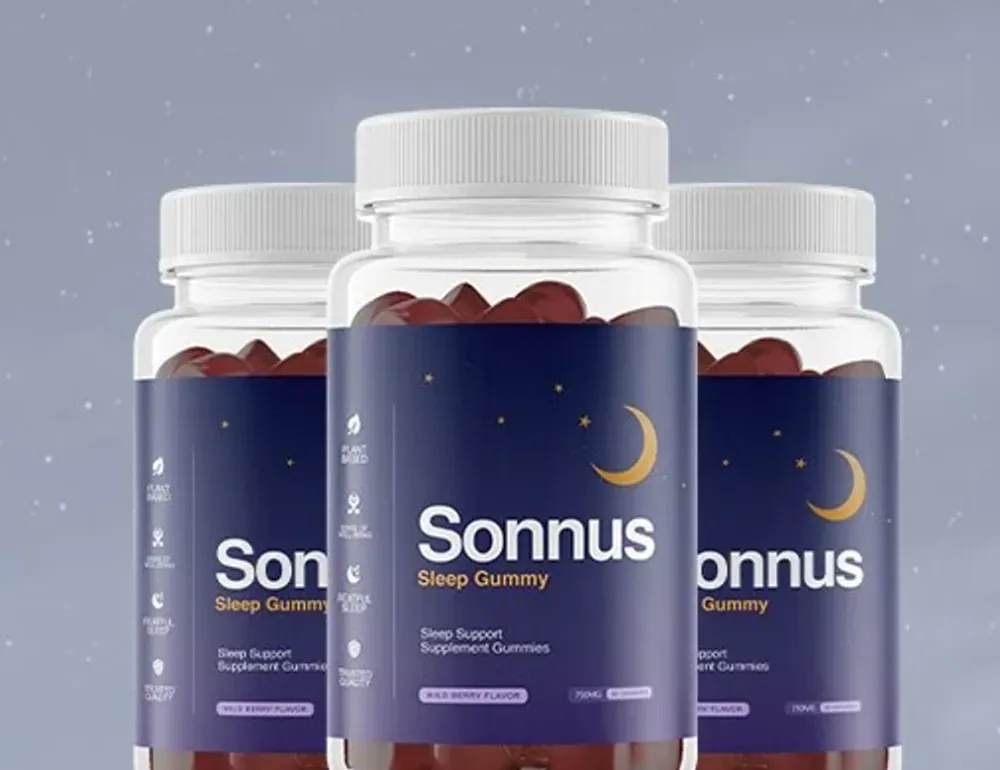
Sonnus Sleep Gummies
Magnesium bisglycinate first, melatonin last — built for the second half of the night
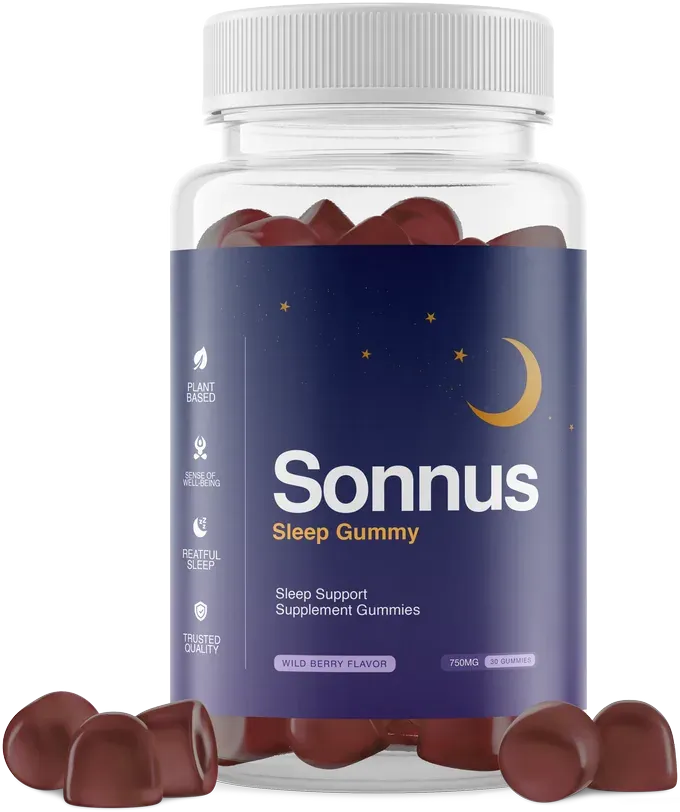
It is built in the order this article argues for. Magnesium bisglycinate is the raw material and the step with the placebo-controlled trial behind it. L-theanine, apigenin and GABA sit in the middle as the quieting layer. Lemon balm handles the physical side of letting go. And melatonin — at a low 0.9 mg — comes last, as an evening signal rather than the engine, which is what makes this a formula rather than a melatonin product with extras. The gummy format is the adherence answer to a four-week ingredient. Full detail in our Sonnus review, including the pricing and the label.
Look elsewhere if: your problem is falling asleep rather than staying asleep — a formula led by melatonin, taken earlier in the evening, is the better fit. Also worth a conversation with your doctor first if you take prescription sleep, mood or blood-pressure medication, or if the night waking is nightly and has been going on for months. And gummies carry a little sugar; if that is a hard no for you, a capsule is the format to look for.
Which supplement should you take to stay asleep all night?
If you fall asleep fine and wake at 3 a.m., you do not have an onset problem, and the aisle is mostly selling onset. Magnesium — bisglycinate, at a dose you can actually read off the label — is the one ingredient here with a recent placebo-controlled human trial pointed at your half of the night.
Set the expectation where the evidence sets it. This is a four-week proposition with a modest effect, largest if your diet was short on magnesium anyway. What you are buying is a better second half of the night, arriving gradually — not a switch. That is a smaller promise than the category usually makes, and it is the one that holds up. The maker keeps its own guide to herbal supplements for insomnia, which walks the same ingredients one by one.
And if the waking is nightly, if you snore heavily or wake gasping, or if low mood came with it, that is a conversation with a doctor rather than a purchase. Chronic insomnia and sleep apnoea are diagnoses, and no supplement is the right tool for either.
Frequently asked questions
What is the best supplement to stay asleep all night?
Magnesium is the one with the strongest human evidence for sleep maintenance rather than sleep onset, and the bisglycinate form is the best tolerated. A 2025 placebo-controlled trial in adults reporting poor sleep found a significantly larger improvement than placebo over four weeks — a real effect, and a modest one.
Why does melatonin help me fall asleep but not stay asleep?
Melatonin is a timing signal, not a sedative. It tells the body that evening has arrived, which is useful for shifting when sleep starts. Once you are already asleep, that signal has done its job — which is why it rarely changes what happens at 3 a.m.
How much magnesium should a sleep supplement contain?
The 2025 trial used 250 mg of elemental magnesium per day. Look for the elemental figure on the label rather than the compound weight, and check the form: bisglycinate is magnesium bound to two glycine molecules and is gentler on the stomach than oxide or citrate.
Do sleep gummies work as well as capsules?
The format does not change the ingredient. What it changes is whether you actually take it every night, which matters more than most people expect for something that needs weeks to show its effect. The trade-off is that gummies carry a small amount of sugar and usually fit less magnesium per serving than a capsule.
When should I see a doctor about waking at 3 a.m.?
If the waking is nightly and has lasted more than a few weeks, if you snore heavily or wake gasping, if you are on prescription sleep medication, or if low mood or anxiety came with it. Chronic insomnia and sleep apnoea are medical conditions, and a supplement is not the right tool for either.