
Ingredient Check
Saw Palmetto vs Beta Sitosterol: Which Is Better for BPH, and Where Pygeum Fits
Three botanicals dominate the BPH aisle, and each one does a different job. Here is what the research says about each, which symptom it fits, and the formulas built around them.

Does saw palmetto work for an enlarged prostate?
Does saw palmetto work for an enlarged prostate? It can ease the symptoms, and the extract and the formula around it make a difference. Saw palmetto slows the enzyme that turns testosterone into DHT, the hormone linked to prostate growth.
A 2026 systematic review by Schwartzmann and colleagues covered 16 recent human studies and more than 3,000 men. Symptom scores improved in several trials, and side effects were mostly mild. The signals were most consistent with certain lipid-rich extracts and with beta-sitosterol-enriched preparations.
Sudeep and colleagues tested that idea in a 2020 randomized, placebo-controlled trial of 99 men aged 40 to 65. Over 12 weeks, a saw palmetto oil enriched with beta-sitosterol improved symptom scores, urine flow and the amount of urine left in the bladder, compared with placebo.
The NIH's NCCIH describes saw palmetto as well tolerated, with mild effects such as digestive upset, and used safely in studies for up to three years. Antoniou and colleagues reached a similar read on herbal BPH options in 2023: minimal side effects across the board.
Saw palmetto or beta-sitosterol: which one fits a weak stream?
Saw palmetto or beta-sitosterol: which one fits a weak stream? Beta-sitosterol is the plant sterol to look for when flow is the complaint, and it pairs naturally with saw palmetto.
Macoska reviewed the lab and human work in 2023. He found multiple studies showing beta-sitosterol improves the urinary symptoms of BPH, and he saw it fitting men with mild symptoms who would rather start with a supplement.
Saw palmetto extracts already carry plant sterols, and beta-sitosterol is often the most abundant one. That is why many formulas deliver some of it without printing a separate dose. When a label names the amount, you can see what you take.
The key point These three are not rivals. Each works a different part of the problem, and the right pick follows the symptom that bothers you most. Luciano Cesar, Content Contributor
Is pygeum better than saw palmetto for nighttime trips?
Is pygeum better than saw palmetto for nighttime trips? Pygeum is a different tool rather than a better one, and it is the extract formulas aim at the trips that break up sleep.
It comes from African plum bark and has long been used in European urology for the urinary symptoms of BPH. Salinas-Casado and colleagues reviewed that experience in 2020 and described it as an option in the urologist's toolbox. A 2023 rapid evidence review in American Family Physician by Arnold and colleagues listed pygeum and beta-sitosterol among herbal options that may be effective.
That is why TC24 pairs pygeum with saw palmetto and pine pollen in one serving. The bladder side and the prostate side get covered together.
The terms that matter
- DHT (dihydrotestosterone)
- A hormone your body makes from testosterone that drives prostate growth later in life. Saw palmetto works on the enzyme that makes it.
- Beta-sitosterol
- A plant sterol found in saw palmetto, pumpkin seed and other plants. Studies link it to better urinary symptoms in BPH.
- Pygeum (Pygeum africanum)
- An African plum-bark extract long used in European urology for the urinary symptoms of an enlarged prostate.
Which formulas are built around these ingredients?
Each route has a formula here: beta-sitosterol sits at the center of TitanFlow, saw palmetto leads in ProtoFlow, and pygeum rides in TC24.
| Criterion | TitanFlow | ProtoFlow | TC24 |
|---|---|---|---|
| Lead route | Beta-sitosterol and pygeum, with pumpkin seed oil | Saw palmetto, with a hawthorn circulation stack | Pygeum and saw palmetto, with pine pollen |
| Best for symptom | Weak stream, straining to start | Weak flow with bladder pressure | Nighttime trips, weak flow |
| Supporting layer | Lycopene, broccoli sprout extract | Ginkgo, niacin, ginseng, epimedium | Pine pollen, jaboticaba, boron |
| Format | Capsules, 2 a day | Capsules, 2 a day | Capsules, once-daily serving |
| First signals | From weeks 3 to 4 | From week 3 | From week 3 |
| Guarantee window | 180 days | 60 days | 60 days |
A good plate helps the prostate, and it is worth keeping. But only beta-sitosterol shows up in food, in seeds and oils, in small and changing amounts, while saw palmetto berries and pygeum bark are not things you eat at all. A formula that carries them at a set amount, with partners on the same pathway, is how you turn healthy habits into a result you can feel. The three below are built that way.
Three prostate supplements with saw palmetto, beta-sitosterol or pygeum in the formula
Each carries at least one of the three on the label. Each names the man it fits.
TitanFlow
Weak stream and straining to start: a beta-sitosterol complex and pygeum, with pumpkin seed oil at 500 mg

TitanFlow is the beta-sitosterol route. The label puts a beta-sitosterol complex beside pygeum and pumpkin seed oil (500 mg), with lycopene and broccoli sprout extract in support. It is built around the wall of the urethra, so the stream starts without the wait. It is the one formula here that carries beta-sitosterol and pygeum together, and its 180-day window is the longest.
Look elsewhere if: You want saw palmetto on the label, since TitanFlow doesn't carry it. ProtoFlow and TC24 do.
ProtoFlow
Weak flow with bladder pressure: saw palmetto plus a hawthorn-led circulation stack
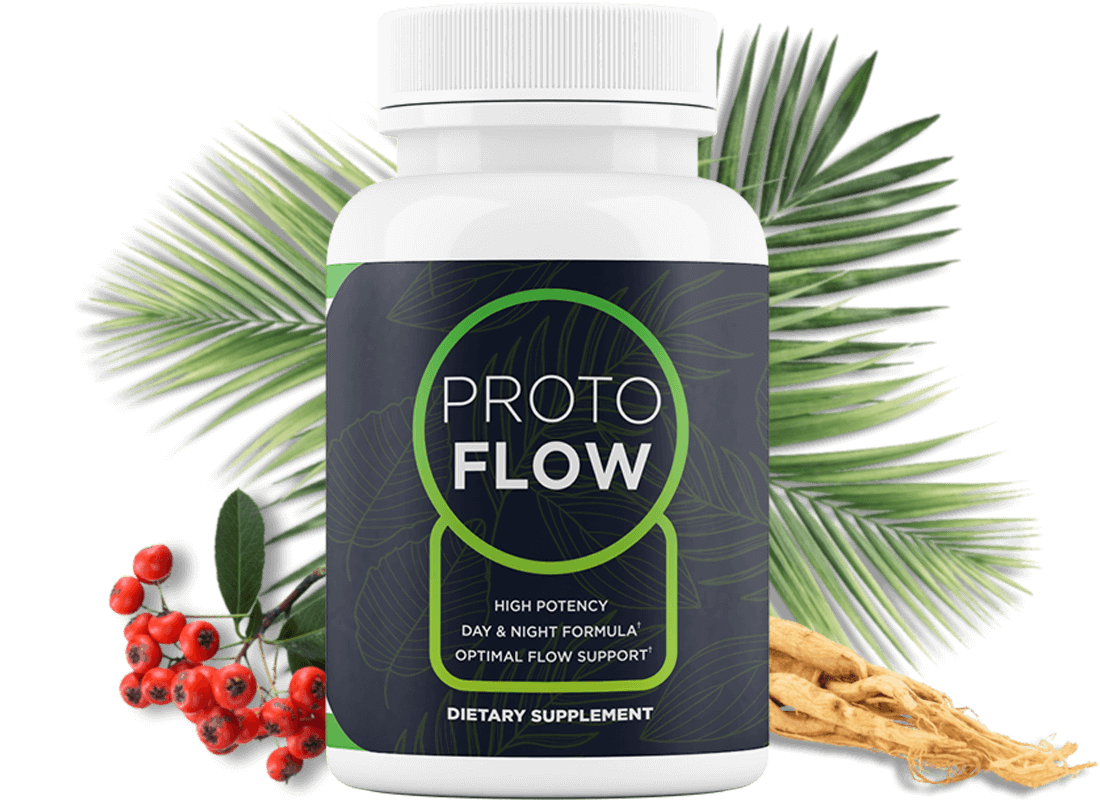
ProtoFlow is the saw palmetto route. It sets saw palmetto beside hawthorn, ginkgo, niacin and cayenne, which support the small vessels around the prostate and bladder. Chinese ginseng, epimedium, damiana and muira puama cover the vitality that tends to slide in the same years. First signals show from about week 3.
Look elsewhere if: You want beta-sitosterol as the lead ingredient, or nighttime trips are your main complaint. ProtoFlow is built around saw palmetto and circulation instead.
TC24
Nighttime trips and weak flow: pygeum at 200 mg and saw palmetto at 300 mg, with pine pollen
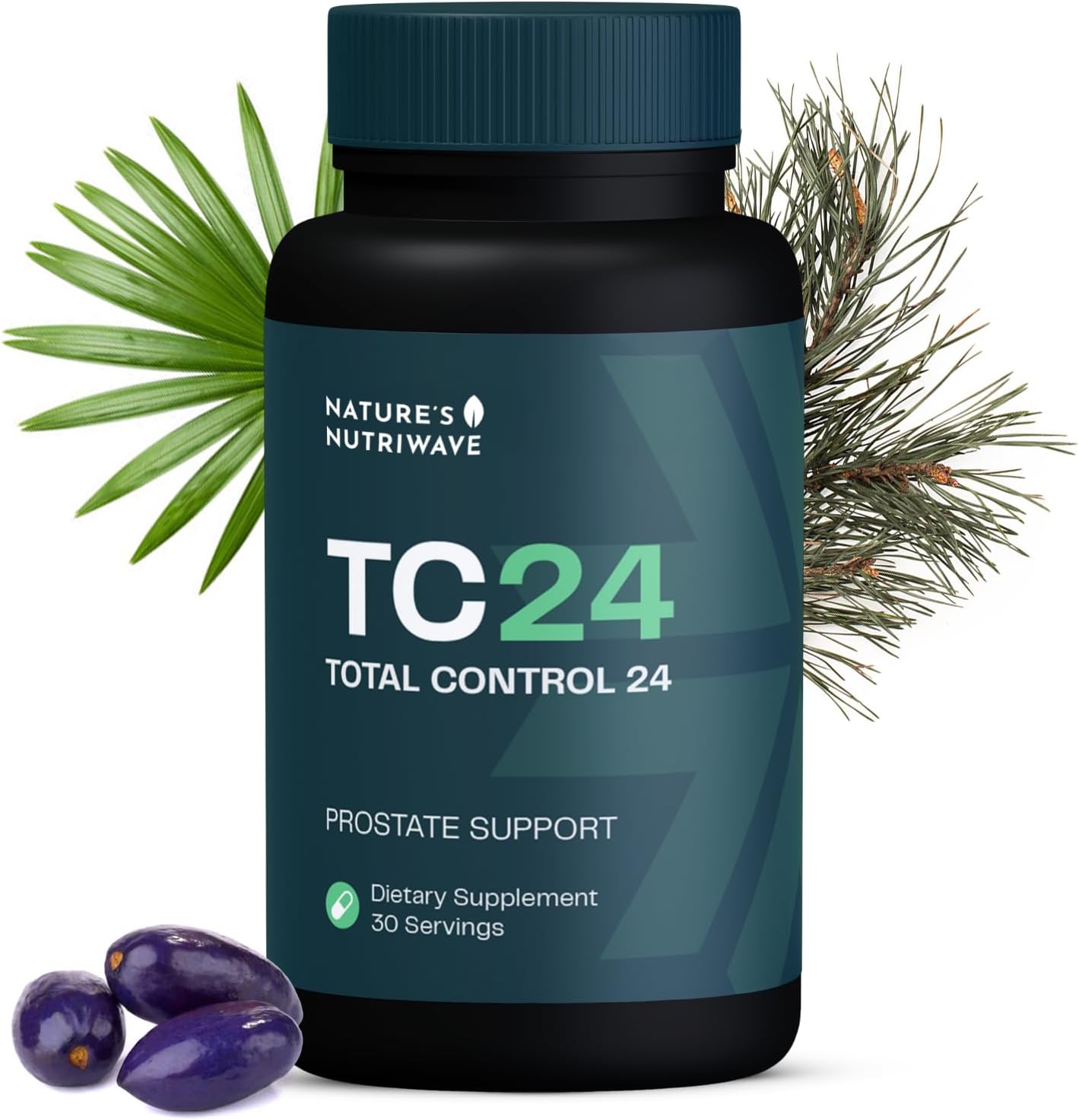
TC24 is the pygeum route. The label prints pygeum at 200 mg and saw palmetto at 300 mg, with pine pollen at 500 mg beside them. The prostate side and the bladder side are covered in one serving, and you can see exactly how much of each you take. First signals show from about week 3.
Look elsewhere if: You also want a circulation and vitality layer in the same formula. ProtoFlow adds that.
Saw palmetto, beta-sitosterol or pygeum: which one should you choose?
Saw palmetto, beta-sitosterol or pygeum: which one should you choose? Choose the route that matches your loudest symptom, and let the design of the formula settle the rest.
Several symptoms at once, with bladder pressure, point to saw palmetto with circulation support, and our full ProtoFlow review shows how that stack is built. Nighttime trips point to pygeum, and the TC24 review lists every printed dose. A weak stream that is slow to start points to beta-sitosterol, and TitanFlow is the formula that leads with it.
For other prostate ingredients stacked together instead of led by one, see our supplements for different urinary symptoms breakdown.
Is it worth trying a saw palmetto, beta-sitosterol or pygeum formula?
Is it worth trying a saw palmetto, beta-sitosterol or pygeum formula? Yes. For a man who wants an uninterrupted night and a stream that starts on time, matching the ingredient to the symptom is a well-founded place to start.
An aisle seat for a whole movie. A road trip without mapping the rest stops. The second half of the night, left alone. That is what most men mean when they ask for better prostate support.
These formulas are potentiators, not switches. They support the pathways behind the symptoms and add to what the years have built. Taken that way, they tend to help, building over weeks.
The attempt is informed. Schwartzmann and colleagues found better symptom scores in several of 16 recent human studies, with mostly mild side effects. Sudeep's 12-week trial found better flow and symptom scores with a beta-sitosterol-enriched oil. Macoska and Arnold both treat beta-sitosterol as an option worth considering. Together they make the attempt informed.
How it lands depends on you. A man with mild, recent symptoms often notices a change from about week 3. A man with years of narrowing and a late-evening routine may need longer, and sleep, evening fluids and daily movement play their part. Same formula, same weeks. That is why the fair test runs across the full guarantee window.
Frequently asked questions
Which is better, saw palmetto or beta sitosterol?
The better one is the one that fits your symptom. Match the ingredient to the symptom that bothers you most. Saw palmetto fits several symptoms at once, beta-sitosterol is the sterol to look for when flow is the complaint, and pygeum is the extract formulas aim at nighttime trips. Many good formulas combine two of them.
Does saw palmetto work for an enlarged prostate?
It can ease symptoms. A 2026 systematic review of 16 recent human studies, covering more than 3,000 men, found better symptom scores in several trials and mostly mild side effects. Results vary with the extract and the dose, and the most consistent signals came from beta-sitosterol-enriched preparations.
Is beta-sitosterol better than saw palmetto?
They work well together rather than as rivals. A 2023 review by Macoska found multiple studies showing beta-sitosterol improves the urinary symptoms of BPH, and saw palmetto extracts already carry plant sterols. A 2020 trial of a beta-sitosterol-enriched saw palmetto oil improved flow and symptom scores over placebo.
What does pygeum help with?
Pygeum is an African plum-bark extract long used in European urology for the urinary symptoms of BPH. A 2020 review by Salinas-Casado and colleagues describes it as an option in the urologist's toolbox, and a 2023 evidence review in American Family Physician lists it among herbal options that may be effective.
Can I take a formula with saw palmetto, beta-sitosterol and pygeum together?
Yes, combinations are common. TC24 pairs pygeum with saw palmetto, and saw palmetto extracts naturally carry some beta-sitosterol. Check the label for printed amounts of each ingredient, so you can see what you take.
When should I see a doctor about BPH symptoms?
See a urologist if you have urinary retention, blood in the urine, painful urination, fever, recurring infections or a sudden worsening of symptoms. A doctor can run a PSA test and rule out infection. If you take any medicine, talk with your provider before using an herbal product. Supplements support mild-to-moderate symptoms and do not replace an evaluation.