What does Trimology Weight actually do for a stalled scale after 35? It feeds three named gut-bacteria strains — led by Akkermansia muciniphila — the fiber they need: potato RS2 resistant starch and chicory inulin. The bacteria ferment that fiber into butyrate, a compound tied to appetite and metabolic signaling. One capsule a day, no individual doses disclosed, 180-day no-questions-asked money-back guarantee.
In This Review:
Edited by The Supplement Post Editorial Team, Editorial Review
Updated
1. Product at a Glance
| Product | Trimology Weight |
| Category | Weight Loss / Gut-Microbiome Support / Capsule |
| Format | Capsule — 1 capsule daily with water or coffee (30 capsules per bottle, a 30-day supply at that dose). |
| Key Ingredients | Potato-derived RS2 resistant starch, chicory root concentrate with inulin, and three named gut-bacteria strains — Akkermansia muciniphila, Clostridium butyricum and Bifidobacterium infantis. No individual milligram doses are disclosed on the official page. |
| Manufacturing | Made in an FDA-registered, GMP-certified U.S. facility, per the manufacturer’s own page. The official site does not publish a company or distributor name, nor third-party lab-testing details beyond that, so none is claimed here. |
| Guarantee | 180-day money-back |
| Our Rating | 4.6 / 5 |
Quick Verdict
Does Trimology Weight actually help with belly fat that won't budge, even though you're eating the same, moving the same, and somehow hungrier by mid-afternoon than you used to be? Yes, when a thinned-out gut-bacteria population is why the weight settles at the waist and the scale won't move. Trimology Weight is a daily 1-capsule formula built around potato-derived RS2 resistant starch and chicory inulin. That fiber feeds three named strains, led by Akkermansia muciniphila, toward producing butyrate, a compound tied to appetite and metabolic signaling. The official page names all five ingredients but does not disclose individual milligram doses, which is a real transparency gap worth knowing going in. Backed by a 180-day, no-questions-asked money-back guarantee direct from the manufacturer — it states you don't even need to send the bottles back.
2. Weight Loss After 35: Evidence, Concerns & Trends
Three things worth knowing before the formula itself.
| The concern / trend | What the evidence shows | What it means for you |
|---|---|---|
| A stalled scale on unchanged habits often traces to gut bacteria, not effort | The NIH's National Institute of Diabetes and Digestive and Kidney Diseases notes that metabolic and digestive factors beyond diet and exercise play a real role in weight regulation. A 2026 systematic review in Food & Function ties resistant starch specifically to satiety and gut-fermentation outcomes. | If food and activity genuinely haven't changed, the right target is the fermentation mechanism itself — not another appetite suppressant. |
| Five ingredients, zero individual doses | The FTC's own guidance on weight-loss product claims requires that substantiation exist for what a label states. Trimology Weight's official page names all five ingredients but publishes no per-ingredient milligram amount for any of them. | You can verify every ingredient is real and has its own published research. You cannot verify the amount of any single one against the doses used in that research. |
| Gut-microbiome weight research is moving fast (2024–2026) | A 2024 meta-analysis on chicory inulin and weight management, and a 2026 randomized trial on Akkermansia muciniphila and metabolic-endocrine markers, are both recent enough to reflect current thinking rather than dated theory. | A formula built on ingredients with 2024+ human research is easier to evaluate honestly than one leaning on decades-old theory or unlinked marketing claims. |
Where Trimology Weight fits: on the ingredient-transparent, evidence-current side of that trend — five named ingredients, three with real research from 2024 or later, none with an individual dose on the official page. Here's what that means day to day.
3. What Trimology Weight Does and Benefits

Trimology Weight targets a single, specific problem: a metabolic signal that goes quiet — the one that decides where the body stores fat and how much it burns — and it tends to settle first as belly fat, even though nothing else changed. The most common way people describe it isn't a lab value. It's cooking the same dinner, taking the same walk, and watching the number on the scale sit exactly where it sat last month. Worse, by mid-afternoon you're hungrier than you used to feel at dinnertime, which makes the whole thing feel like willpower failing instead of what it usually is: a gut-bacteria population that's thinned out.
The five ingredients in Trimology Weight work that one mechanism from two ends. Potato-derived RS2 resistant starch and chicory inulin are fibers your body can’t digest on its own — they pass intact into the colon instead. There, three named strains (Akkermansia muciniphila, Clostridium butyricum, Bifidobacterium infantis) ferment them into butyrate, a short-chain fatty acid a 2026 randomized trial ties to distinct endocrine responses in humans. Akkermansia specifically carries its own 2026 randomized controlled trial on metabolic and endocrine markers, and chicory inulin has a 2024 meta-analysis on weight-management outcomes.
None of that is a promise that the scale moves on schedule. Trimology Weight is a potentializer, not a substitute for food and movement — it gives a thinned-out bacterial population more to work with. Pairing the fiber with the strains that ferment it is why the mechanism has fuel to run on, rather than bacteria with nothing to eat. What buyers can’t verify is the amount of any single ingredient, since no individual dose is stated anywhere on the official page. What they can verify is that three of the five ingredients have real, recent published research behind the role they play here, broken down ingredient by ingredient in the full list below.
4. Why We Rate It 4.6 / 5
This is where the fiber-plus-bacteria pairing earns its score: a fermentation mechanism most gut-weight formulas gesture at without actually feeding, paired with 2024–2026 published research on three of its five ingredients.
What stands out:
- Feeds the bacteria it also supplies. Most single-strain probiotic formulas skip the fiber; Trimology Weight pairs RS2 and inulin with the three strains that ferment them, so the mechanism has fuel to run on.
- Three ingredients with real 2024–2026 human research. A 2024 meta-analysis backs chicory inulin for weight management; a 2026 systematic review backs resistant starch for satiety and gut fermentation; a 2026 randomized trial backs Akkermansia muciniphila for metabolic and endocrine markers.
- A single, coherent mechanism. All five ingredients point at the same fermentation-to-butyrate pathway, rather than a scattershot list of unrelated compounds.
- Non-stimulant, simple daily routine. One capsule with water or coffee, once a day — no mixing, no timing around meals.
- A 180-day guarantee that doesn't require returning the bottles — unusually generous, and it removes the return-shipping friction most refund policies leave in place.
- Made in an FDA-registered, GMP-certified U.S. facility, per the manufacturer's own page.
Where it falls short:
- No individual ingredient doses disclosed. All five are named on the official page, but none carries a milligram amount, so you can't check any single ingredient against the dose used in its own research.
- No single-bottle trial size. The smallest package is two bottles (a 60-day supply) — there's no low-commitment way to sample it first.
- Some marketing figures on the official page aren't independently sourced. A cited university study and specific percentage claims on inflammation and hunger-hormone reduction don't link to a published source, so this review doesn't repeat them as verified evidence.
Full scorecard across all 6 criteria: Trimology Weight Scorecard →
5. Who Is Trimology Weight Best For?
Best match if you:
- Notice belly fat that won't budge despite eating and moving the same way you always have — the scale sits still and the waist doesn't change, especially if you're also hungrier by mid-afternoon than you used to be
- Are over 35 and want a formula built around that specific pattern rather than a general appetite-suppressant claim
- Want a non-stimulant, fiber-plus-bacteria formula instead of a caffeine-driven approach
- Are looking for a non-prescription alternative or complement to GLP-1 medication, without the cost or the injection
- Can accept that individual ingredient doses aren't disclosed, in exchange for five named ingredients tied to recent published research
- Can commit to at least the 2-bottle, 60-day minimum the manufacturer sells, since there's no single-bottle trial size
Look at alternatives if you:
- Your main complaint is bloating and irregular digestion rather than a stalled scale — see SlimLeaf, which works the same gut-bacteria mechanism from the digestive-symptom side
- Your stalled weight is driven more by cravings and low drive to move — a craving-focused formula, built around a different pathway, fits better (see §6 below)
- You'd rather work the probiotic-diversity angle with a fully disclosed, dosed label — a strain-diversity formula with itemized doses fits better (see §6 below)
- Want every ingredient dosed at its clinical-trial amount — this formula's undisclosed-dose approach isn't your fit
6. How It Compares
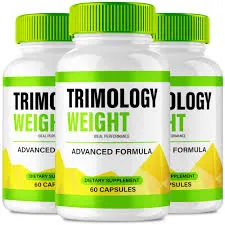
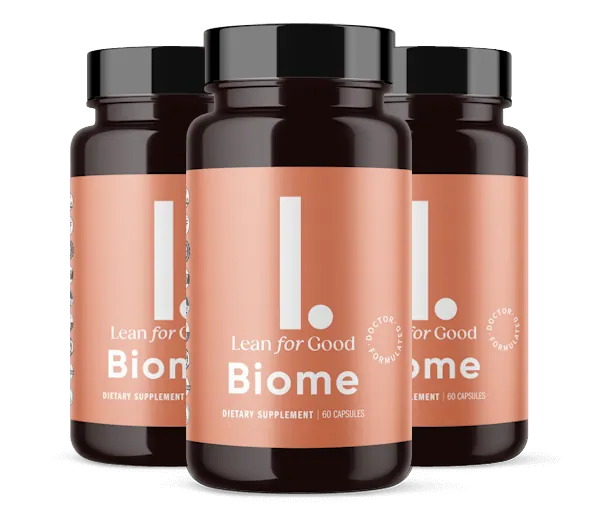
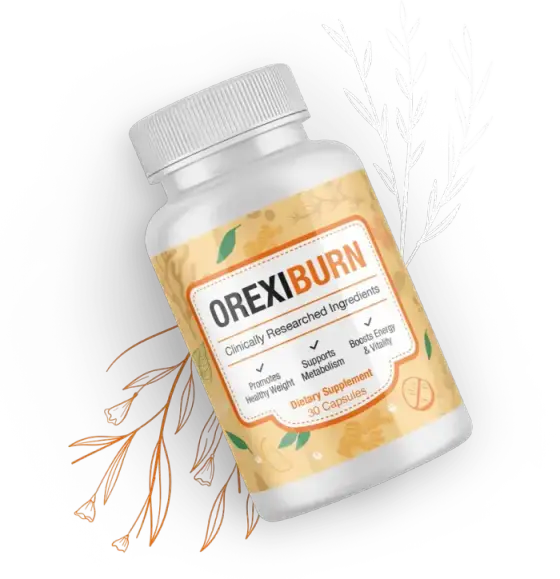
| Criteria | Trimology WeightYou're reading it | LeanBiome | OrexiBurn |
|---|---|---|---|
 |
 |
 |
|
| Primary focus | Gut-bacteria fermentation & butyrate | Probiotic strain diversity | Cravings & drive to move |
| Best for | Stalled scale on unchanged habits, 35+ | Belly fat diet alone won't touch | Constant snacking, low motivation |
| Format | 1 capsule/day | 2 capsules/day | 1 capsule/day |
| Best price/day | $1.63/day (6-bottle) | See full review | See full review |
| Guarantee | 180-day, no-questions-asked | 180-day | 60-day |
| See the Manufacturer's Site | See the Manufacturer's Site | See the Manufacturer's Site |
Honest take: none of these three is a runner-up to the others — they work different systems that all feed into the same stalled-weight problem. Trimology Weight's case is the fermentation-and-butyrate angle: if the scale won't move despite unchanged habits, that's the mechanism worth targeting first. LeanBiome works the strain-diversity side with a fully disclosed, dosed label, and OrexiBurn targets the craving-and-drive pathway instead. Pick by which pattern matches what you actually notice.
7. Pricing Options for Trimology Weight
Trimology Weight is available in three package sizes, all shipped from the official site with the 180-day, no-questions-asked money-back guarantee attached.
2 Bottles
60-Day Supply
- Secure Checkout
Full price — no discount applied*
See Today’s Discount →3 Bottles
90-Day Supply
- Secure Checkout
Full price — no discount applied*
See Today’s Discount →6 Bottles
180-Day Supply
- Secure Checkout
Full price — no discount applied*
See Today’s Discount →Every order is backed by a 180-day, no-questions-asked money-back guarantee — the manufacturer states you don’t even need to send the bottles back. The official site is the only channel that guarantees an authentic bottle and honors that refund.
* The prices above are the full prices, before any discount. The official page runs its own offers on top of them, each tied to a limited number of units — and it is the only place the discount running today can be confirmed.
8. The Mechanism: Why the Fiber Has to Come With the Bacteria
Trimology Weight's five ingredients split into two roles: fuel and fermenters.
The fuel-and-fermenters stack:
- The fuel. Potato-derived RS2 resistant starch and chicory inulin are fibers your small intestine can't break down — they travel intact to the colon, which is where the mechanism actually happens.
- The fermenters. Akkermansia muciniphila, Clostridium butyricum and Bifidobacterium infantis are the three named strains that ferment that fiber into short-chain fatty acids, led by butyrate.
- The signal. Butyrate is the compound a 2026 randomized trial ties to distinct systemic concentrations and endocrine responses in humans — the pathway the fermentation mechanism runs through.
What these terms actually mean:
- Resistant starch
- A type of starch that resists digestion in the small intestine and reaches the colon mostly intact, where gut bacteria can ferment it. RS2 is one of several resistant-starch types; unripe (green) bananas are a well-known natural source, though Trimology Weight uses a potato-derived version instead.
- Short-chain fatty acids (SCFAs)
- Compounds gut bacteria produce when they ferment fiber. Butyrate is the best-studied of the main SCFAs, and current research ties it to gut-barrier health and metabolic signaling.
- Postbiotic
- A byproduct or component of a probiotic bacterium's activity — like butyrate itself — rather than the live bacterium. Some of the newer Akkermansia research uses postbiotic preparations rather than the live strain.
Full Ingredient List
All five ingredients are named on the official page; none carries an individual milligram amount. Here's what each one does.
| Ingredient | Pathway | Role in the Formula |
|---|---|---|
| Potato-Derived RS2 (Resistant Starch) | Gut fermentation → SCFA production | A starch that reaches the colon intact instead of digesting in the small intestine. A 2026 systematic review in Food & Function covers resistant starch's studied role in satiety, gut fermentation, and weight-related and metabolic outcomes — the review nickname “green banana” nods to unripe bananas, a well-known RS2 source, but the potato-derived version here is chosen for a more stable RS2 content. |
| Chicory Root Concentrate (Inulin) | Prebiotic fermentation → appetite signaling | A fermentable fiber that feeds the same bacteria the resistant starch does. A 2024 systematic review, meta-analysis and meta-regression of randomized controlled trials in the American Journal of Clinical Nutrition ties chicory inulin-type fructans to real weight-management outcomes. |
| Akkermansia Muciniphila | Gut-barrier & metabolic-endocrine | The bacterium most consistently linked to a healthy gut lining and metabolic markers in current research. A 2026 randomized controlled trial in Clinical Nutrition found adjunctive Akkermansia postbiotic supplementation modulated metabolic and endocrine profiles in adults with obesity-associated metabolic dysfunction. |
| Clostridium Butyricum | Butyrate production | One of the most-studied butyrate-producing strains. A 2026 randomized crossover trial in the American Journal of Clinical Nutrition found that short-chain fatty acids like butyrate, delivered directly to the gut, drive distinct systemic concentrations and endocrine responses in humans — the signaling pathway this strain feeds. |
| Bifidobacterium Infantis | Gut-flora diversity & barrier support | A well-characterized, early-colonizing Bifidobacterium strain that rounds out the formula's bacterial diversity and supports the same gut-barrier function the other two strains work toward. |
Realistic Week-by-Week Timeline
Digestive adjustment tends to register first, with the fermentation-driven pathways building over the following weeks.
| Timeframe | What to Expect | Driven By |
|---|---|---|
| Week 1–2 | The resistant starch and inulin begin fermenting in the colon as the gut adjusts to the daily fiber load. Some people notice digestive changes before anything else shifts. | RS2, Chicory Inulin |
| Week 3–6 | As the fed strains multiply, butyrate production ramps up — the window the short-chain-fatty-acid research ties to appetite and endocrine signaling. | Clostridium Butyricum, Bifidobacterium Infantis |
| Week 6–12 | Akkermansia's studied effect on metabolic and endocrine markers builds over this stretch — the same window gut-microbiome researchers generally point to for a bacterial composition shift. | Akkermansia Muciniphila |
| Month 4+ | For people who continue past the first evaluation window, the routine becomes maintenance — one capsule with water or coffee, the same as day one. | Maintenance |
9. Side Effects & Safety
These are dietary fibers and bacterial strains with long histories of food and supplement use, and most people take a formula like this without incident. The table below covers what does come up.
Possible Side Effects
| Possible effect | Likelihood | What to do |
|---|---|---|
| Gas or bloating as the gut adjusts | Common (first 1–2 weeks) | Typical of any fermentable-fiber formula; take with food and plenty of water, and it usually settles as the bacteria adjust. |
| Loose stool | Occasional | Resistant starch and inulin can have a mild laxative effect in sensitive people; taking with a meal usually helps. |
| Mild stomach discomfort on an empty stomach | Occasional | Take with water or coffee alongside food rather than on a fully empty stomach. |
| No noticeable effect in the first week | Common | Expected — the fermentation pathway builds over weeks, not days; give it the 60- to 90-day window before judging. |
Fermentable fibers like resistant starch and inulin can interact with digestive conditions such as IBS or SIBO, so it's worth a word with your doctor first if you already manage one of those. As with any supplement, pregnant or nursing women should check with a physician before starting. If none of that applies to you, there's no medical reason to hesitate.
10. Final Verdict
How this applies to you. Is Trimology Weight worth trying for belly fat that won't move no matter what you do? Yes — when the gut bacteria that ferment fiber into butyrate have thinned out, and here's what that actually looks like. The same dinner you've made for years, plated the same way. The walk around the block you've kept up without missing more than a day or two. The scale that hasn't moved this month despite both of those staying exactly the same, the belly fat sitting exactly where it was — and by three in the afternoon, you're hungrier than you used to feel sitting down to dinner. None of those individually looks like a supplement problem. Together, they're the signature of a gut-bacteria population that's thinned out.
They're one thing, and it isn't a discipline problem. Butyrate — the compound gut bacteria produce when they ferment fiber — is tied to appetite and metabolic signaling, and it doesn't get made without the right bacteria eating the right fuel. Trimology Weight supplies both halves at once: potato RS2 and chicory inulin as the fuel, and three named strains, led by Akkermansia muciniphila, to do the fermenting. Around that core, the formula stays deliberately narrow rather than padded — five ingredients, each with a defined job in the same fermentation chain. That focus is why the mechanism reads as coherent instead of scattered.
These ingredients were studied over windows running from several weeks up to twelve, and that range is what should decide the package. There's no single-bottle option to begin with. The real starting point is two bottles — sixty days, enough to judge tolerance and catch the early digestive adjustment, not to see the fermentation pathway fully at work. Three bottles covers ninety days, clearing the window the Akkermansia research points to. Six bottles covers the full 180 days the guarantee itself runs, so the money-back window and the product window match exactly — the whole trial carries zero risk if it doesn't work out. Given all of that, six bottles is the one we would take.
11. Frequently Asked Questions
Why won't belly fat budge even though I'm eating the same and staying active?
That pattern often points to the gut-bacteria mix rather than the food itself — the same mix that decides where fat settles, and belly fat is usually first. The bacteria that ferment fiber into butyrate, a compound tied to appetite and metabolic signaling, can thin out with age, low-fiber stretches, or antibiotics. Trimology Weight is built around feeding three named strains (led by Akkermansia muciniphila) with the fuel they actually need: potato RS2 resistant starch and chicory inulin. It's not a guarantee, but it's the correct mechanism to target if this is your pattern.
Does Trimology Weight really work?
Three of its five ingredients have real published research tied to this exact mechanism. Chicory inulin has a 2024 meta-analysis on weight-management outcomes, resistant starch has a 2026 systematic review on satiety and gut fermentation, and Akkermansia muciniphila has a 2026 randomized trial on metabolic and endocrine markers. No finished-product trial of Trimology Weight itself exists, which is true of nearly every supplement in this category. What it has is a coherent, single mechanism and ingredients that individually hold up.
What's in Trimology Weight? Are the doses disclosed?
Five ingredients: potato-derived RS2 resistant starch, chicory root concentrate (with inulin), and three named strains — Akkermansia muciniphila, Clostridium butyricum and Bifidobacterium infantis. The official page names all five but does not print individual milligram amounts for any of them — worth knowing going in, and covered ingredient by ingredient below.
How long until Trimology Weight works?
The manufacturer frames 180 days as the real evaluation window, which is also what the money-back guarantee covers. Digestive adjustment tends to show first, in the 1-to-2-week range. Butyrate production builds over weeks 3 to 6 as the fed strains multiply. Akkermansia's metabolic effects build through weeks 6 to 12, the window gut-microbiome research generally points to for a real bacterial shift.
Is Trimology Weight safe? Any side effects or interactions?
Resistant starch, inulin, and the three bacterial strains all have long histories of dietary and supplement use, and most people tolerate a formula like this without issue. Fiber-fermenting ingredients can cause temporary gas or bloating as the gut adjusts, especially in the first week or two — starting with food in your stomach usually helps.
When should I see a doctor instead of trying a supplement?
If weight change comes on suddenly or unexplained, or alongside fatigue, digestive symptoms that don't ease after a couple of weeks, or any new abdominal pain, that deserves a medical visit rather than a supplement decision. The gradual, plateau-despite-consistent-habits pattern most people describe is the everyday case Trimology Weight is built for.
INGREDIENT TAGS
FORMAT
Research & Transparency
This content is based on publicly available ingredient research, the product’s published ingredient list, and manufacturer disclosures. We are not affiliated with the manufacturer. Marketing claims not supported by the product’s own label are not repeated here.
(a) Reimer RA, et al. The Effects of Chicory Inulin-Type Fructans Supplementation on Weight Management Outcomes: Systematic Review, Meta-Analysis, and Meta-Regression of Randomized Controlled Trials. American Journal of Clinical Nutrition (2024)
(b) Kusuma RA, et al. Glucomannan and Resistant Starch in Obesity Management: A Systematic Review of Satiety, Gut Fermentation, and Weight-Related and Metabolic Outcomes. Food & Function (2026)
(c) Zeng Q, et al. Adjunctive Akkermansia Muciniphila Postbiotic Supplementation Modulates Metabolic and Endocrine Profiles in Obesity-Associated Polyendocrine Metabolic Ovarian Syndrome: A Randomized Controlled Trial. Clinical Nutrition (2026)
(d) Rosseel R, et al. Small Intestinal Compared With Colonic Short-Chain Fatty Acid Delivery Drives Distinct Systemic Concentrations and Endocrine Responses in Humans: A Randomized, Crossover Trial. American Journal of Clinical Nutrition (2026)
(e) Weight management. NIH / NIDDK
(f) Health products compliance guidance. Federal Trade Commission
About the Author
Luciano Cesar is a contributor at The Supplement Post, supporting the production of evidence-aware supplement reviews and buyer's guides across multiple health categories. His work spans ingredient analysis, formulation assessment and consumer-oriented summaries — what a label discloses, how the stated doses compare with the amounts used in published human research, and whether a formula's design matches what it claims to do. Every review is checked by The Supplement Post editorial team against the standards published in our editorial policy before it goes live.
Disclosure
All content is for informational purposes only and is not a substitute for professional medical advice. Each product reviewed is a dietary supplement, not a prescription drug. Results may vary. This page may contain affiliate links — if you purchase through them, we may earn a small commission at no additional cost to you. Read our Editorial Policy.