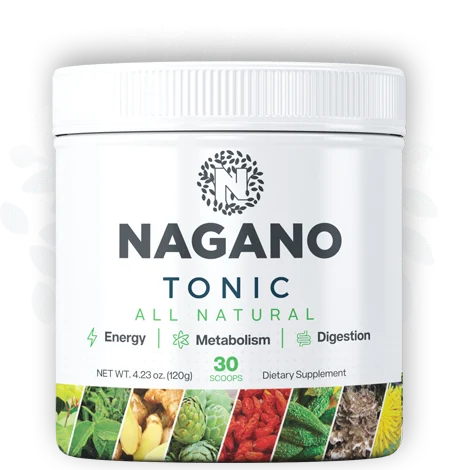
Does Slim Boost Tea actually help you lose weight? Modestly, and for a real reason: it pairs thermogenic herbs (green tea, oolong, garcinia) with digestive and mild-diuretic herbs (dandelion, senna, licorice) that ease the bloating a scale doesn't measure. That's a real mechanism — just not the 74 pounds the landing page headlines.
In This Review:
Reviewed by The Supplement Post Editorial Team, Editorial Review
Updated
1. Product at a Glance
| Key Ingredients | 14 herbs — the manufacturer names each one on the product page; individual amounts aren't disclosed |
| Manufacturing | Made in an FDA-registered facility in the US, per the official page |
| Guarantee | 60-day money-back |
Quick Verdict
Is Slim Boost Tea worth trying for stubborn weight and bloating? Yes, as a modest daily habit — not as the 74-pound transformation the landing page headlines. The week you skip the soda, eat light, and the scale still hasn't moved by Friday, and your waistband still feels tight by nine at night, isn't a willpower problem. It's two separate things: a metabolism that could use a nudge, and a gut holding onto water and gas. Slim Boost Tea pairs real thermogenic herbs (green tea, oolong, garcinia) with real digestive and diuretic herbs (dandelion, senna, licorice) for exactly those two fronts. Three cups a day, made in an FDA-registered US facility, backed by a 60-day money-back guarantee.
2. Why Does the Scale Move Before Anything Else Does?
Why does the scale move before anything else does? Because the first few pounds are usually water, not fat, and water answers to things that have nothing to do with how you ate. Salt, hormones, heat, how much you moved, what the week cost you.
You know the shape of it. The waistband that fits on Tuesday and not on Friday, on the same food. The rings that go on harder some mornings. The two pounds that arrive overnight and leave the same way.
Here is the part worth knowing: water weight is not fake weight, and it is not the enemy either. It is the fastest-moving number on the scale, and it answers to gentle diuretic herbs rather than to discipline. Underneath it, the slower work carries on.
That is how the formula below is built. Slim Boost Tea works both clocks at once, the fast one through fluid and the slow one through catechins, across a daily brew. Here is how the herbs work →
3. What Slim Boost Tea Does and Benefits
Slim Boost Tea solves a single problem with whole-body consequences: a metabolism that slowed while bloating made it hard to see anything else. It works the visible layer and the slow one in the same cup.
Most of the slimming-tea aisle gets its results from a laxative. Senna and cascara empty you out, the scale rewards it the next morning, and nothing underneath has changed. The effect is real and the mechanism is a lie about what you bought.
Here’s the part nobody mentions: the format is doing more work than the formula. Three or four cups across a day is around a litre of warm fluid arriving steadily, which is its own intervention. The herbs matter, and so does the fact that you cannot brew a cup absent-mindedly.
Slim Boost Tea closes that gap in one move: fourteen named herbs, led by green tea and oolong, as a loose blend you brew through the day. The catechins compound from around weeks 2 to 4, and the thermogenic effect reaches its described range at weeks 4 to 8. It carries the caffeine the tea leaves bring, so the later cups are worth watching. It is metabolic support, not a drug: gradual, and it needs the daily habit to compound. How the herbs work →
4. Why We Rate It 4.5 / 5
It earns the effect from the leaves rather than from a laxative, which is not the norm in this aisle.
What stands out:
- Two real mechanisms in one cup — thermogenic herbs and digestive herbs, covering both the metabolism problem and the bloating problem separately
- Real research behind the core actives — green tea catechins, garcinia HCA, ginger and cinnamon all have human evidence for their individual roles, even if the finished tea itself hasn't run its own trial
- Fast-acting digestive side — dandelion and senna are traditional, well-established herbs for water balance and regularity, and tend to register within days
- Simple daily ritual — three cups replaces a multi-pill routine for people who'd rather drink something than swallow capsules
- Made in an FDA-registered US facility, per the official product page
- 60-day money-back guarantee on every package
Where it falls short:
- Individual amounts aren't published — the official page names all 14 herbs, but how many milligrams of each are in a serving isn't disclosed anywhere on the page
- Senna is a stimulant laxative — genuinely effective for regularity, and one of the more active herbs in the blend
- The smallest package is 2 months — there's no single-pouch trial size, so the entry price is higher than a one-month test would be
Full scorecard across all 6 criteria: Slim Boost Tea Scorecard →
5. Who Is Slim Boost Tea Best For?
Best match if you:
- Keep doing the right things and the number on the scale won't budge, or your stomach feels tight and round by evening even on days you ate light
- Would rather drink three cups of tea than remember a multi-pill routine
- Want a gentle nudge to appetite and cravings, not a stimulant jolt
- Are comfortable with a blend that names its herbs but doesn't itemize milligrams — the tradition-plus-research approach rather than a lab-dosed formula
- Can commit to daily consistency for at least a couple of months, since the metabolic side moves in weeks, not days
- Don't already rely on a laxative or diuretic medication that a stimulant herb like senna could compound
6. How It Compares
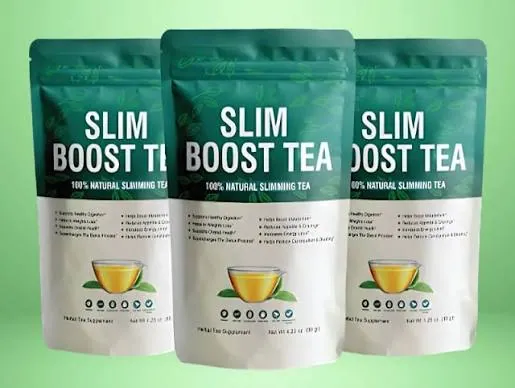
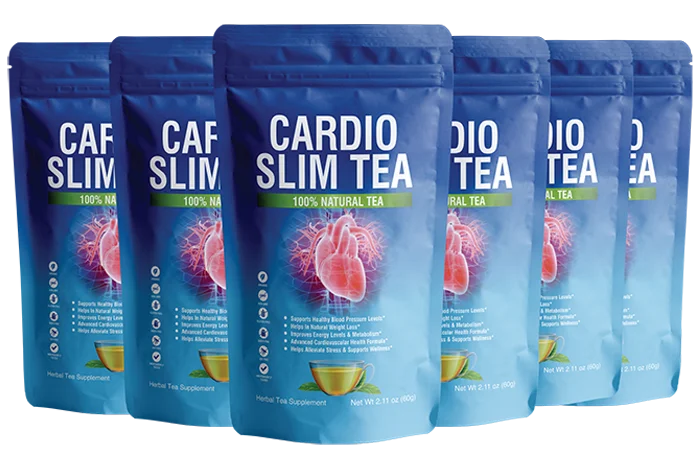
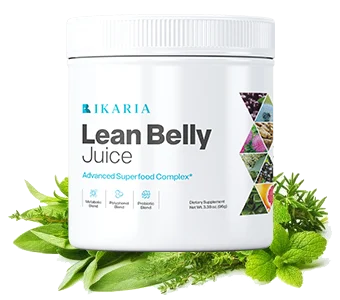
Slim Boost Tea sits alongside two other daily-drink weight-loss products in our portfolio — same format family, different mechanisms. Useful to see side by side because they're solving different problems, not competing for the same one.
| Criteria | Slim Boost TeaYou're reading it | Cardio Slim Tea | Ikaria Juice |
|---|---|---|---|
 |
 |
 |
|
| Primary angle | Thermogenic + digestive/bloating | Cardiovascular + thermogenic | Metabolic + probiotic/gut |
| Best for | Scale that won't move + evening bloat | Blood pressure drift + waistline after 50 | Stubborn belly fat, morning ritual |
| Format | Loose tea, 3 cups/day | Tea bags, 3-4 cups/day (decaf) | Powder, 1 scoop/day |
| Caffeine | Yes (green tea, oolong, ginseng) | No (decaffeinated) | Minimal (capsule-style dosing) |
| Dose disclosure | Blend (14 herbs, no individual mg) | Blend (15 herbs, no individual mg) | Blend (4 named sub-blends, total mg per blend) |
| Best price/day | $1.30/day (6-pouch) | $1.63/day (6-box) | ~$1.30/day (6-jar) |
| Guarantee | 60-day money-back | 60-day money-back | 180-day money-back |
| Where to buy | Official Site → | Official Site → | Official Site → |
7. Pricing Options for Slim Boost Tea
Herbal weight-loss blends like this are generally judged over 8 to 12 weeks — long enough for the catechin and digestive effects to compound. One pouch is thirty days and ends before that window closes; three pouches is the floor that clears it, and six carries the routine well past it instead of interrupting it mid-way.
2 Pouches
2-Month Supply
- Secure Checkout
6 Pouches
6-Month Supply
- Secure Checkout
3 Pouches
3-Month Supply
- Secure Checkout
Every order is backed by a 60-day money-back guarantee. The official site is the only place that confirms the current discount and honors that refund.
8. The Mechanism: Two Herbal Fronts, Not One
Two things have to happen for a weight-loss tea to matter beyond the placebo of a warm drink. Slim Boost Tea's fourteen herbs split cleanly into the two jobs.
The two-front blend:
- Thermogenic herbs. Green tea and oolong contribute catechins and natural caffeine, studied for a modest lift to fat oxidation. Garcinia cambogia, ginger, ginseng, cinnamon and orange peel round out the metabolism and appetite side.
- Digestive and diuretic herbs. Dandelion leaf and lemongrass support water balance; senna leaf is a traditional stimulant laxative; licorice root, peppermint and fennel round out gut comfort and reduced bloating.
- Monk fruit as the sweetener. A zero-calorie natural sweetener that doesn't add sugar to a drink meant to support blood sugar and weight, not work against them.
What these terms actually mean:
- Thermogenic
- A mild, measurable boost to how many calories your body burns at rest. Green tea catechins are the best-studied thermogenic in this blend — the effect is real and modest, not the "melts fat" language the page headlines.
- COMT enzyme
- A real enzyme involved in breaking down certain hormones and neurotransmitters. The official page frames suppressing it as a metabolism "unlock," but doesn't cite a study connecting this tea to that effect — treat it as marketing framing, not established science.
- Stimulant laxative
- Senna leaf works by stimulating the intestinal muscles directly. It's genuinely effective for occasional constipation and the "flushed out" feeling buyers report.
- Proprietary-style blend
- The official page names all 14 herbs but doesn't publish milligrams per herb. Common for tea-format products, where the ratio is closer to a recipe than a capsule dose.
Full Ingredient List
All 14 herbs are named on the official product page. Individual amounts aren't disclosed. Here's what each one is included for, per the manufacturer:
| Herb | Role | What it's included for |
|---|---|---|
| Green Tea | Thermogenic | Catechins and natural caffeine — the best-researched piece of the metabolism side. |
| Wuyi Oolong Tea | Thermogenic | Partially oxidized tea leaf, included alongside green tea for additional catechin content. |
| Garcinia Cambogia | Appetite / thermogenic | Contains HCA, studied for appetite and modest fat-storage effects. |
| Ginger | Metabolic | Traditional warming herb, included for digestion and a mild metabolic lift. |
| Korean Ginseng Root | Energy / metabolic | Adaptogen included for energy and appetite support. |
| Ceylon Cinnamon Bark | Blood sugar / thermogenic | Included for blood sugar support alongside the metabolism side. |
| Mediterranean Orange Peel | Appetite | Traditional appetite and fullness support. |
| Dandelion Leaf | Diuretic | Traditional water-balance herb — the "less puffy" side of the formula. |
| Indonesian Lemongrass | Diuretic / digestive | Included for water balance and digestion. |
| Indian Senna Leaf | Stimulant laxative | The fastest-acting herb in the blend — traditional relief for occasional constipation. |
| Licorice Root | Digestive | Traditional gut-comfort herb, included alongside the diuretic side. |
| Peppermint | Digestive | Traditional digestive-comfort herb, also used for flavor. |
| Fennel Fruit | Digestive | Traditional bloating-relief herb, commonly paired with senna in digestive blends. |
| Monk Fruit | Sweetener | Zero-calorie natural sweetener — doesn't add sugar to the daily routine. |

Results Timeline — What to Expect and When
| Timeline | What's happening | What you'll notice |
|---|---|---|
| Days 1-7 | Senna, dandelion and peppermint start working on digestion and water balance right away. | Less bloating, more regular digestion — the fastest-moving part of the blend. |
| Weeks 2-4 | Green tea and oolong catechins begin compounding with consistent daily use. | Steadier energy, reduced cravings between meals from garcinia and cinnamon. |
| Weeks 4-8 | Thermogenic effect reaches the range described in the herbal weight-loss research. | The scale starts moving in the modest, gradual way the evidence actually supports. |
| Weeks 8-12 | Full evaluation window for a tea-format thermogenic blend. | This is the honest point to judge whether the routine is working for you. |
The takeaway: weeks 8–12 are where you judge this tea — the first week tells you about digestion, not metabolism. Results also compound with the basics the manufacturer doesn't control: a reasonable diet, some daily movement, and drinking the tea consistently rather than only on good days.
9. Side Effects & Safety
These are herbs most people already recognize from the kitchen or tea aisle — green tea, ginger, cinnamon, peppermint. For most healthy adults the honest answer is mild or no reaction, and the table below covers what does come up.
Possible Side Effects
| Side effect | Likelihood | What to do |
|---|---|---|
| Loose stools or cramping | Occasional (first days) | Senna is a stimulant laxative — start with 1 cup a day and build to 3 if your system needs the adjustment. |
| Jitteriness or trouble sleeping | Occasional | Green tea, oolong and ginseng carry natural caffeine — this isn't a decaffeinated blend. Drink the last cup earlier in the day. |
| Mild stomach upset | Rare | Take with a small amount of food rather than on a fully empty stomach. |
| Increased urination | Rare | Expected from dandelion and lemongrass's mild diuretic effect; drink extra water through the day. |
Check With Your Doctor First If…
A few of these herbs are worth a mention to your physician before starting:
- Already take a laxative or diuretic medication — senna and dandelion work the same direction, and stacking them is worth a word with your doctor.
- Blood pressure or blood sugar medication — licorice root can affect blood pressure with prolonged high-dose use, and cinnamon and garcinia can add to a blood-sugar-lowering effect.
- Caffeine-sensitive or currently pregnant or nursing — this blend isn't decaffeinated, and traditional weight-loss herbs like senna and licorice aren't the routine check pregnancy and nursing call for.
- Liver condition — garcinia cambogia has rare case reports of liver concern at high doses; the routine check worth doing before adding any daily herbal blend.
If none of that applies, there's no medical reason to hesitate — for most healthy adults, Slim Boost Tea is well tolerated at the recommended 3-cups-a-day routine. Full safety breakdown and interactions: Slim Boost Tea Pros & Cons →
10. Final Verdict
Is Slim Boost Tea worth brewing every day? Yes, if bloating is the layer hiding whatever else is happening. How this applies to you. Is Slim Boost Tea worth the two-front routine? Yes — when what's stalling you is both a slow metabolism and evening bloat, not just one. You skip the soda, log the salad, and Friday's number on the scale is the same one from Monday. Your jeans fit fine at eight in the morning and don't by eight at night. Neither of those is a willpower problem — one is a metabolism running a little slow, and the other is water and gas your gut is holding onto, and they need different tools to move.
They're two problems, and that's exactly why a single-mechanism tea disappoints people. Green tea, oolong and garcinia work the thermogenic side — a real, modest lift to fat oxidation the research backs. Dandelion, senna and licorice work the digestive side, and they're what actually explains the flatter, lighter feeling buyers report within days, well before any scale change shows up. Ginger and cinnamon sit in between, nudging both the metabolic and the digestive front at once. The tea works because it doesn't ask one herb to do both jobs.
Herbal blends like this are generally read over eight to twelve weeks, and that window is what should decide the package. One pouch is thirty days — enough to know whether the digestive side agrees with you, not enough to judge the metabolic side. Three pouches is the smallest amount that clears the full window. The 60-day guarantee covers you through the early read; it's the six-pouch bundle that carries the routine into the weeks where the thermogenic effect actually compounds, at $39 a pouch instead of stopping right as it starts to show. Given all of that, six pouches is the one we'd take. Steep three cups a day.
11. Frequently Asked Questions
Why does my stomach look flat in the morning and round by night, even when I eat well?
That's water retention and digestive gas, not fat gained in a day — it builds through the day and resets overnight. Dandelion, senna and licorice in Slim Boost Tea are traditional herbs for exactly that pattern, and it's usually the first change buyers notice, often within the first week.
How long until I see results?
Digestive changes (less bloating, more regularity) typically show within the first week, since senna and dandelion act quickly. The metabolic side — the number on the scale — moves in line with the catechin research: modestly, over 4 to 8 weeks of consistent use, with the full evaluation window at 8 to 12 weeks.
Is the "74 pounds" or "21 pounds a month" claim real?
Those are the manufacturer's own headline numbers, not independently verified results, and they're far outside what the underlying herbal research supports. A 2020 meta-analysis of herbal weight-loss medicines found a real but modest average effect. Judge the tea by that honest bar, not the landing-page headline.
Does Slim Boost Tea contain caffeine?
Yes — green tea, oolong tea and ginseng all carry natural caffeine. This isn't a decaffeinated blend, unlike some other weight-loss teas. If you're caffeine-sensitive, drink your last cup earlier in the day or start with one cup instead of three.
What does the COMT enzyme claim actually mean?
COMT is a real enzyme involved in breaking down certain hormones. The official page frames suppressing it as a metabolism "unlock," but doesn't cite a study connecting this specific tea to that effect. Treat it as marketing framing on top of a real ingredient list, not as established science on its own.
When should I talk to my doctor before drinking Slim Boost Tea?
If you already take a laxative or diuretic medication, take blood pressure or blood sugar medication, are pregnant or nursing, have a liver condition, or are under active treatment for any chronic condition — mention it to your physician before starting. For most healthy adults, the recommended 3-cups-a-day routine is well tolerated.
INGREDIENT TAGS
FORMAT
Research & Transparency
This content is based on publicly available ingredient research, manufacturer disclosures, and product labeling. We are not affiliated with the manufacturer.
(a) Effectiveness of herbal medicines for weight loss: a systematic review and meta-analysis of randomized controlled trials. Diabetes, Obesity and Metabolism 2020
(b) Tea bioactive compounds in obesity prevention and management — human evidence review. International Journal of Molecular Sciences 2026
(c) Green Tea — safety, caffeine content, and evidence status. NCCIH / NIH
(d) Health products compliance guidance — the standard the agency applies to weight-loss claims. FTC
About the Author
Luciano Cesar is a contributor at The Supplement Post, supporting the production of evidence-aware supplement reviews and buyer's guides across multiple health categories. His work spans ingredient analysis, formulation assessment and consumer-oriented summaries — what a label discloses, how the stated doses compare with the amounts used in published human research, and whether a formula's design matches what it claims to do. Every review is checked by The Supplement Post editorial team against the standards published in our editorial policy before it goes live.
Disclosure
All content is for informational purposes only and is not a substitute for professional medical advice. Each product reviewed is a dietary supplement, not a prescription drug. Results may vary based on individual health status, consistency of use, and lifestyle. This page may contain affiliate links — if you purchase through them, we may earn a small commission at no additional cost to you. Read our Editorial Policy.