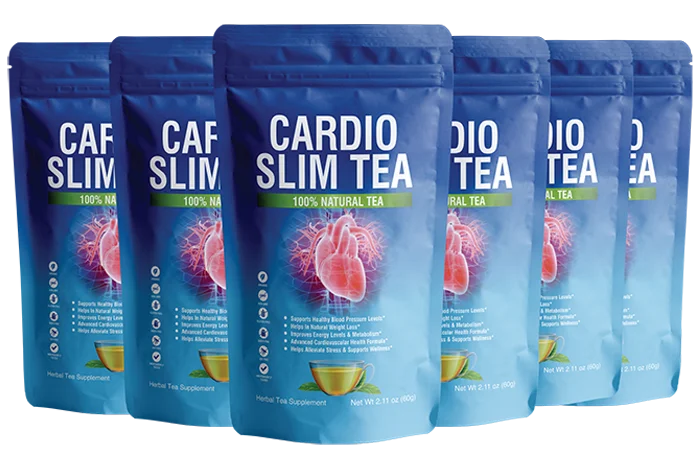
What are the real benefits of Cardio Slim Tea for blood pressure and belly fat? Less morning puffiness first, then steadier readings and a lighter waist. Beetroot and hibiscus feed the nitric oxide pathway that relaxes vessels, hawthorn supports cardiac function, and gentle diuretic herbs handle fluid. Fifteen herbs, no senna and no caffeine. First signs around weeks 3 to 4.
In This Review:
- 1. Product at a Glance
- 2. Why Blood Pressure and Belly Fat Arrive Together
- 3. What Cardio Slim Tea Does and Benefits
- 4. Why We Rate It 4.6 / 5
- 5. Who It's Best For
- 6. How It Compares
- 7. Pricing Options for Cardio Slim Tea
- 8. The Mechanism + Full Ingredient List
- 9. Side Effects & Safety
- 10. Final Verdict
- 11. FAQs
Reviewed by The Supplement Post Editorial Team, Editorial Review
Updated
1. Product at a Glance
| Primary Mechanism | 15-herb cardiovascular tea blend — beetroot + hibiscus nitric oxide pathway, hawthorn cardiac support, green tea + oolong catechin thermogenesis, dandelion + ginger + cinnamon metabolic support, with TMG for homocysteine modulation |
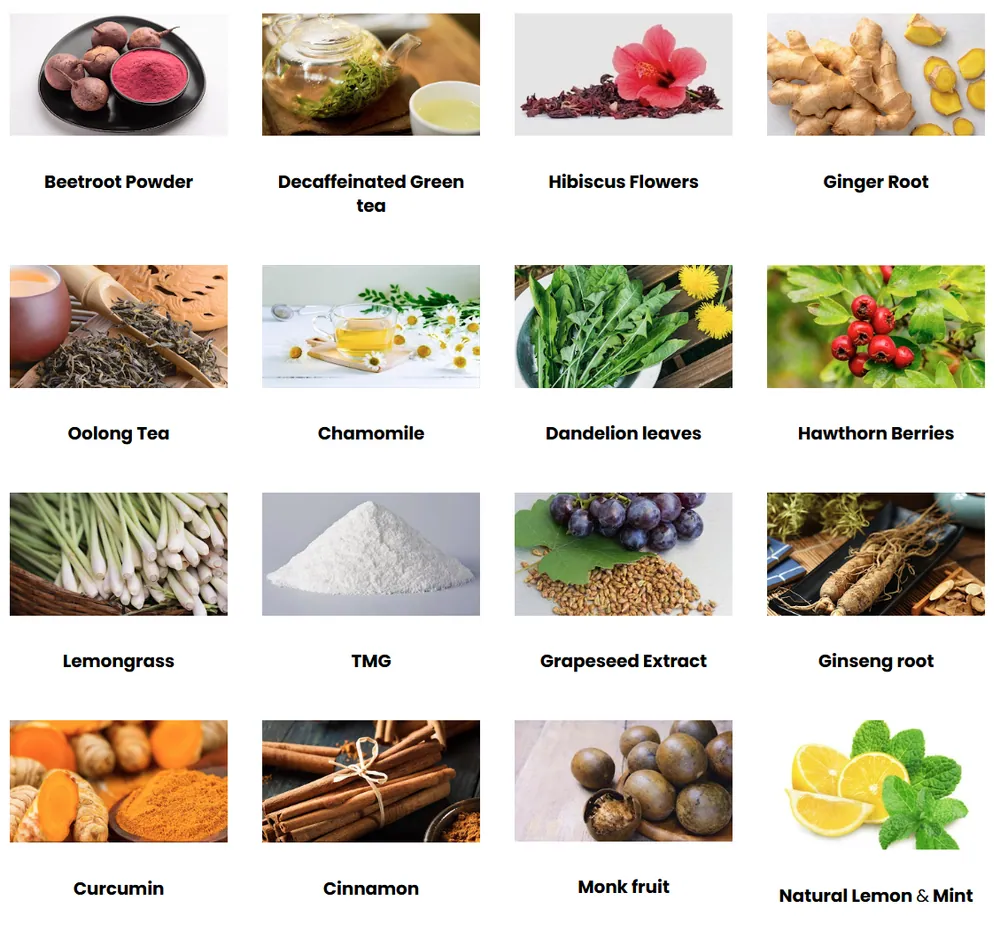
| Key Ingredients | 15 ingredients: Beetroot Powder, Decaffeinated Green Tea, Hibiscus Flowers, Ginger Root, Oolong Tea, Chamomile, Dandelion Leaves, Hawthorn Berries, Lemongrass, TMG (trimethylglycine), Grapeseed Extract, Ginseng Root, Curcumin, Cinnamon, Monk Fruit + Natural Lemon & Mint |
| Manufacturing | USA, FDA-registered facility, GMP-certified, plant-based, vegetarian, soy-free, dairy-free, non-GMO, third-party tested |
| Guarantee | 60-day money-back |
Quick Verdict
Can a tea actually help blood pressure and belly fat? Yes, when it feeds the nitric oxide pathway instead of emptying you out. Cardio Slim Tea is a daily 15-herb tea routine you brew 3-4 cups across the day. It is built around a cardiovascular core (Beetroot, Hibiscus, Hawthorn) plus thermogenic metabolic support (Decaffeinated Green Tea, Oolong, Cinnamon, Ginger) plus adaptogenic and antioxidant layers. The dual angle is what makes it different: most weight-loss teas pick one mechanism; most heart supplements skip weight loss entirely. Backed by 4,970+ verified buyers at 4.97/5 on the manufacturer’s site. Heart-related signals (BP, energy) shift week 4-8; waistline change lands week 8-12. The 60-day money-back guarantee is a fair window for a daily tea — covers the full early-signal phase plus the start of the waistline change.
2. Why Do Blood Pressure and Belly Fat Arrive Together After 50?
Why do blood pressure and belly fat arrive together after 50? Because they run on the same plumbing. Vessels get stiffer, the body holds more fluid, and fat around the middle makes both worse. Treating one and ignoring the other is why progress stalls on both.
You know the shape of it. Is Cardio Slim Tea worth a daily routine after 50? Yes, if the blood pressure and the waist moved in the same direction. The annual check-up, and the number the doctor circles with a pen. The face that looks puffier in the morning than it did the night before. The rings that go on harder some days than others. The weight that arrived quietly and settled at the waist.
Here is the part worth knowing: this is one of the more responsive systems in the body. Nitric oxide relaxes vessels, and beetroot and hibiscus feed that pathway directly. Fluid balance answers to gentle diuretic herbs rather than to a water pill. Neither asks you to be more disciplined.
That is how the formula below is built. Cardio Slim Tea treats the heart and the waist as the same problem, fifteen herbs doing it across three or four cups a day. Here is how the herbs work together →
3. What Cardio Slim Tea Does and Benefits
Cardio Slim Tea solves a single problem with whole-body consequences: a cardiovascular system that stiffened while the waist grew. It works both ends of that at once, because in the body they were never separate.
Most of the slimming-tea aisle solves neither. The results it sells come from two places the label rarely highlights. One is senna and cascara, which are laxatives. The other is a caffeine load that pushes the heart the wrong way for exactly the person buying it. You lose water and sleep, and nothing underneath has changed.
Here’s the part nobody mentions: what you leave out of a tea matters as much as what you put in. Drop the laxatives and the stimulant and the formula has to earn its effect from the herbs themselves. That is a harder product to make, and a much easier one to drink every day for three months.
Cardio Slim Tea closes that gap in one move: fifteen herbs and no shortcuts. Beetroot and hibiscus feed the nitric oxide pathway that relaxes vessels, hawthorn supports cardiac function, dandelion and lemongrass handle fluid gently, and the green tea is decaffeinated. No senna, no cascara, nothing to taper. Morning puffiness eases first, around weeks 3 to 4, and the fuller picture lands between weeks 8 and 12. It is cardiovascular support, not a blood pressure medication: gradual, and it does not replace what your doctor prescribed. How the herbs work together →
4. Why We Rate It 4.6 / 5
It earns its effect from the herbs instead of from a laxative, which is rarer in this aisle than it should be.
What stands out:
- First tea-format in the weight-loss category — a daily brewing ritual instead of another pill bottle or scoop
- Dual cardiovascular + weight-loss angle — covers heart health AND metabolic support (most weight-loss teas pick one mechanism and bet on it)
- 15 transparent ingredients (Beetroot, Hibiscus, Hawthorn, Green Tea, Oolong, TMG, Curcumin, more) — no proprietary blend
- Decaffeinated green tea standardization — catechin thermogenesis without the stimulant load that breaks afternoon routines
- Made in USA, FDA-registered, GMP-certified, third-party tested, 100% plant-based, vegan, non-GMO
- 60-day money-back guarantee is fair for tea — teas cycle through the body faster than capsule stacks, so 60 days is the right window for testing the daily compliance + the early-signal phase (BP, energy, digestion shifts)
- 2-box minimum = a real test stock — the entry bundle is already aligned with the evaluation window, so you’re not testing on a 2-week sample that can’t register effects
- 4,970+ verified buyers at 4.97/5 on the manufacturer’s site — strong social proof signal
Where it falls short:
- Best if you actually like a tea ritual — the full effect assumes 3-4 cups spread through the day, which suits some routines far better than others
- Pick a supply that covers the whole window — blood pressure and energy signals come first, and the waistline change lands later, so a one-box order rarely tells you what the tea can do
Full scorecard across all 6 criteria: Cardio Slim Tea Scorecard →
5. Who Is Cardio Slim Tea Best For?
Best match if you:
- Want the daily ritual of brewing tea — not another pill bottle or powder scoop
- Care about both cardiovascular health AND weight loss — and notice they’ve been drifting the wrong direction together
- Have noticed the heart-and-waistline drift creeping in (more pronounced after 50, but often starts in your 30s and 40s) — blood pressure ticking up, belt notch moving the wrong direction
- Prefer plant-based, vegan, non-GMO supplements with transparent ingredient lists
- Want stimulant-free metabolic support — the decaffeinated green tea means no caffeine spike
- Can commit to 3-4 cups daily for 60-90 days (compliance is the variable that actually matters)
6. How It Compares
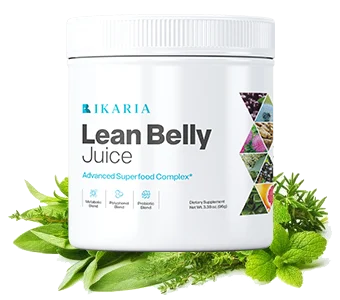
| Criteria | Cardio Slim Tea (this) | Ikaria Juice | Generic Heart Supplement (external category avg) |
|---|---|---|---|
 |
 |
— | |
| Format | Tea (3-4 cups daily) | Powder (1 scoop daily) | Capsule (1-3/day) |
| Primary mechanism | Cardiovascular + thermogenic + metabolic flow | Polyphenol + 9-strain probiotic + liver support | CoQ10 / Omega-3 / blood pressure singles |
| Hero ingredients | Beetroot + Hibiscus + Hawthorn + TMG + Green Tea | Fucoxanthin + EGCG + 9-strain Probiotic | CoQ10 + Omega-3 |
| Timeline | 8–12 weeks (visible) | 8–12 weeks (visible) | 6–12 weeks |
| Guarantee | 60-day (fair for daily tea) | 180-day (typical for capsule) | Varies (often 30–60 day) |
| Best for | Heart + weight loss together, tea-ritual lovers | Slow metabolism + gut microbiome after 40 | Heart-only support |
| Where to buy | Official Site → | Official Site → | — |
7. Pricing Options for Cardio Slim Tea
The entry here is already two boxes, and that is deliberate: sixty days is what the early-signal phase needs before anything can be read. Two boxes covers exactly that. Three boxes reaches ninety days, far enough for the shifts to settle into a pattern rather than a good week. Six boxes at $49 each runs half a year with free shipping and the three guides — the one we would take, since a daily tea is a habit rather than a trial.
Sample Package
2-Month Supply (2 Boxes)
- Secure Checkout
6 Boxes
6-Month Supply
- 3 FREE Bonuses
- Secure Checkout
3 Boxes
3-Month Supply
- 3 FREE Bonuses
- Secure Checkout
Every order is backed by a 60-day money-back. The official site is the only channel that guarantees an authentic bottle and honors that refund.
8. The Mechanism: Why Four Pathways, Not One Tea Herb
Most weight-loss teas pick one mechanism — usually green tea EGCG for thermogenesis alone — and bet everything on it. That works partially but ignores the cardiovascular side that drifts alongside the waistline after 50. Cardio Slim Tea runs four parallel pathways across 15 herbs: cardiovascular support, thermogenic metabolism, metabolic flow + detox, and adaptogenic + antioxidant balance. The dual cardiovascular + metabolic angle is what makes this different from any single-purpose tea.
Cardiovascular Pathway. Beetroot Powder delivers dietary nitrates that convert to nitric oxide for vascular relaxation — the same mechanism behind heart-healthy beet juice research. Hibiscus Flowers have multiple randomized trials showing modest blood pressure modulation. Hawthorn Berries support cardiac function through centuries of traditional and modern cardiovascular research. TMG (trimethylglycine) supports normal homocysteine metabolism — the specific cardiovascular biomarker the formula’s claims center on. This is the layer most weight-loss formulas skip entirely.
Thermogenic Pathway. Decaffeinated Green Tea provides EGCG catechins for fat oxidation without the stimulant load of standard green tea extracts — you can drink the 4 p.m. cup without affecting sleep. Oolong Tea adds polymerized polyphenols that further support metabolic activity. Ginger Root and Cinnamon provide gentle thermogenic warming — they raise resting metabolic output modestly across hours, not in a spike.
Metabolic Flow Pathway. Dandelion Leaves and Lemongrass support liver function and gentle water-balance — addressing the puffiness and bloating that compounds slow metabolism. Grapeseed Extract provides OPCs (oligomeric proanthocyanidins) for vascular antioxidant defense — the same compound family that makes red wine cardio-friendly. Curcumin reduces low-grade inflammation in adipose and vascular tissue, which lets the other pathways operate without the constant background drag of chronic inflammation.
Adaptogenic + Closing Layer. Ginseng Root provides daily energy without stimulant load. Chamomile adds the gentle relaxation side of the routine — the tea ritual itself becomes a calm moment in the day instead of just a swallowed pill. Monk Fruit sweetens naturally without sugar. Natural Lemon & Mint round out the flavor so the 3-4 cups daily feel like a treat, not a chore.
How it runs together: across 3-4 cups daily, the cardiovascular pathway supports vessel function and homocysteine metabolism. The thermogenic layer increases resting metabolic output gently across hours. The metabolic flow pathway handles liver detox, antioxidant defense, and inflammation control. The adaptogenic closing makes the ritual sustainable enough to keep for 60-90 days. Four pathways in one tea routine — not a stimulant, not a single-ingredient bet, not another pill bottle.
Full Ingredient List
Per-ingredient milligrams aren’t printed on the label — the tea-bag format blends whole-herb material that disperses into hot water, so exact dosing isn’t practical the way it is with a capsule. But every herb is listed openly (no proprietary blend mask), and the trade-off buys you a broader 15-herb stack than any capsule could fit. Here’s every ingredient, its pathway, and the job it does:
| Ingredient | Pathway | Role in the formula |
|---|---|---|
| Beetroot Powder | Cardiovascular | Dense in dietary nitrates the body converts to nitric oxide for vessel relaxation. The tea-bag dose is lower than concentrated beet juice, but daily 3–4 cup use builds a steady cumulative nitrate intake. |
| Hibiscus Flowers | Cardiovascular | One of the most evidence-backed cardiovascular herbs in the category — multiple RCTs show modest blood pressure modulation via ACE-inhibitor-like activity plus antioxidant effects on the vascular lining. |
| Hawthorn Berries | Cardiovascular | Flavonoid-mediated support for coronary blood flow and a modest positive cardiac effect. Can interact with digoxin and beta-blockers — the herb that most justifies a doctor check if you take cardiac medication. |
| TMG (Trimethylglycine) | Cardiovascular | A methyl donor that supports normal homocysteine metabolism through the methylation cycle — the specific biomarker the formula’s cardiovascular claims center on. |
| Decaffeinated Green Tea | Thermogenic | EGCG catechins support fat oxidation; the decaffeinated standardization keeps the polyphenols while removing the caffeine load — no BP spike, no sleep hit on the 4 p.m. cup. |
| Oolong Tea | Thermogenic | Polymerized polyphenols with a slightly different profile than green tea, layering additional metabolic activity on top of EGCG. |
| Ginger Root | Thermogenic | Warming thermogenic that nudges resting metabolic output across hours (not a spike); also calms digestive smooth muscle. |
| Cinnamon | Thermogenic | Warming thermogenic with glucose-handling properties, supporting insulin sensitivity around meals. |
| Dandelion Leaves | Metabolic flow | Liver-function support and gentle water balance with mild diuretic action — much of the morning-puffiness easing traces here. |
| Lemongrass | Metabolic flow | Liver and digestive support with mild diuretic action, working in synergy with dandelion. |
| Grapeseed Extract | Antioxidant | OPCs (oligomeric proanthocyanidins) for vascular antioxidant defense — the same compound family that makes red wine cardio-friendly. |
| Curcumin | Antioxidant | Reduces low-grade inflammation in adipose and vascular tissue — the background drag that otherwise makes every other pathway work harder. |
| Ginseng Root | Adaptogenic | Daily energy without stimulant load — often the first thing users notice in weeks 2–3, before the cardiovascular signals arrive. |
| Chamomile | Adaptogenic | Calming; adds the ritual side of the routine, especially the evening cup. (Ragweed-family allergy is the one to check.) |
| Monk Fruit + Natural Lemon & Mint | Flavor / closing | Natural sweetening without sugar plus bright flavor — the piece that keeps 3–4 cups daily pleasant enough to sustain for 60–90 days, which is the real compliance variable. |
What these terms actually mean:
- Nitric Oxide (NO)
- The molecule your body uses to signal blood vessels to relax and let blood flow through. Beetroot delivers dietary nitrates that convert to NO in the body — same mechanism behind heart-healthy beet juice research. Think of it as the body’s “open the vessel” chemical messenger.
- Homocysteine
- An amino acid byproduct in your blood. Elevated levels are associated with cardiovascular risk. TMG (trimethylglycine) is a methyl donor that supports normal homocysteine metabolism through the methylation cycle. It’s the specific biomarker the formula’s cardiovascular claims center on.
- EGCG (Epigallocatechin Gallate)
- The most active catechin in green tea. Studied for fat oxidation — the body’s ability to use stored fat as fuel. The decaffeinated standardization in Cardio Slim Tea keeps EGCG without the stimulant load of brewed green tea.
- Thermogenesis
- The body’s heat-producing response to certain foods and compounds. Ginger, cinnamon, and EGCG modestly raise resting metabolic output — small per day, meaningful across weeks of consistent daily use.
Results Timeline — What to Expect and When
The four pathways compound rather than fire all at once, so the experience unfolds in stages. This timeline reflects the general pharmacology of the herbs plus common user-reporting patterns; individual results depend on baseline health, diet, and — most of all — daily consistency across the 3–4 cups.
| Timeline | What to expect |
|---|---|
| Week 1–2 | Foundation phase. The body adjusts to a daily 24–32 oz herbal load; the diuretic herbs (dandelion, lemongrass) cause a mild increase in urination, and some users notice early digestive lightness. Little dramatic change yet — that’s normal. |
| Week 3–4 | First signs. Morning puffiness eases, digestion runs lighter, and the afternoon energy crash starts to lessen. Some users see BP readings beginning to settle. Compliance is the variable — partial routines produce partial signals. |
| Week 5–8 | Full evaluation window. BP readings noticeably steadier, energy sustained through the day without the afternoon coffee, sleep often improves. Clothes start fitting differently before the scale registers. |
| Week 8–12 | Visible change. Belt-notch movement and a visible body-composition shift as the cardiovascular and metabolic baselines come online together — this is when the dual heart-and-waistline benefit is most evident. |
| Month 3+ | Maintenance. Benefits compound for users who stay consistent; cycling on and off resets the early-signal phase each time, so most find it easier to maintain than to restart. |
The takeaway: the early signals (BP, energy, digestion) are your week 4–6 read, and the waistline is your week 8–12 read — judging the tea before that is too early. Anyone promising 10 pounds in two weeks is selling the senna-laxative trick (water and stool weight, not fat), which this formula deliberately avoids. Results also aren’t built in a vacuum: reasonable nutrition, hydration, and consistency all amplify what the herbs can do. Full breakdown of the evidence and timeline lives across the mechanism above.
9. Side Effects & Safety
Cardio Slim Tea is built around herbs with long traditional-use histories plus modern safety data — green tea, oolong, ginger, cinnamon, dandelion, chamomile, beetroot, hibiscus, and hawthorn have been consumed daily in human populations for centuries. It’s plant-based, decaffeinated, and made in an FDA-registered, GMP-certified US facility, third-party tested. Critically, there’s no senna, cascara, or stimulant laxative and no caffeine load — the two things behind most of the slimming-tea category’s historic safety problems (gut dependency and BP spikes). For healthy adults, the profile is the boring, well-documented kind.
The Adjustment Phase (Week 1–2) — Mild, Temporary
In the first 7–14 days, some users notice mild adjustment effects as the body adapts to a daily 24–32 oz herbal load. None are dangerous, and they typically resolve within 7–10 days.
| Effect | Likelihood | What’s happening & what to do |
|---|---|---|
| Increased urination | Common | Dandelion and lemongrass have mild diuretic action — the herbs working as intended. Stabilizes within the first 10 days; plan for a few extra bathroom stops, especially afternoon and evening cups. |
| First-week digestive change | Occasional | Ginger and chamomile interact with digestive smooth muscle. Slightly looser stools or mild stomach awareness in the first 3–5 days; usually resolves within a week. |
| Mild headache | Rare | Sometimes tied to cutting back on coffee while adding the tea. Usually resolves by day 4–5; stay hydrated. |
If any effect persists past two weeks or feels severe, stop and consult a physician — stopping is always the right move when something doesn’t feel right.
Drug Interactions & Who Should Avoid It
Three medication classes warrant a quick conversation with your physician before starting daily use:
- Blood pressure medication — Beetroot, Hibiscus, and Hawthorn each have mild BP-lowering effects that can be additive with prescription BP drugs. Take the tea 2 hours apart from your dose and monitor readings more closely for the first 2–3 weeks.
- Digoxin / beta-blockers — Hawthorn can interact with both through additive cardiovascular effects. Consult your physician before starting; don’t self-stack.
- Blood thinners / antiplatelets — Grapeseed extract has mild antiplatelet activity, and curcumin can affect platelet aggregation at higher doses. Flag it if you take warfarin, clopidogrel, or daily aspirin.
Who should avoid it entirely: pregnant or nursing women (several herbs lack pregnancy safety data), children under 18, adults with significant kidney disease (diuretic herbs + beetroot potassium), adults with active liver disease (curcumin and dandelion work through liver pathways), anyone with a documented allergy to an ingredient (chamomile, in the ragweed family, is the most common), and anyone taking multiple cardiac medications.
None of these interactions are absolute contraindications for most adults — the point is the conversation. If you take any prescription medication or have a chronic condition, a two-minute physician check-in resolves the question definitively. The tea isn’t dangerous for healthy adults, but “healthy adults” is a real qualifier. Full safety detail is folded into this review; the interactions above are the ones that actually matter.
10. Final Verdict
The annual check-up, and the number the doctor circles with a pen. Cardio Slim Tea delivers what a daily heart-and-weight tea should: a transparent 15-herb formula combining cardiovascular support (Beetroot + Hibiscus + Hawthorn + TMG) with thermogenic metabolism support (Decaffeinated Green Tea + Oolong + Cinnamon + Ginger) in a brewing ritual that’s easier to stick with than a capsule stack. The dual angle covers a layer most weight-loss formulas skip entirely — the cardiovascular side that drifts wrong direction together with the waistline after 50.
Reading through buyer feedback, the same handful of words keep showing up: “my blood pressure improved” alongside “the belt notch finally moved”. Real buyers note both effects in the same review — the dual benefit that makes this product different. Manufacturer-verified rating is 4.97/5 across 4,970+ verified buyers. Made in the USA at an FDA-registered facility, plant-based, vegan, non-GMO, third-party tested. The decaffeinated green tea standardization means you can drink your 4 p.m. cup without affecting sleep.
Here’s the honest package math: one box is 30 days, which doesn’t reach the 8-12 week window where the catechin effect compounds — not long enough to judge the formula. The 3-box bundle at $69 a box is the minimum fair trial. Our recommendation: the 6-box bundle at $49 per box is the best value. Free US shipping, three free bonuses (Yummy Fat Loss Desserts Cookbook + Anti-Aging Blueprint + 57 Blood Pressure Breakthroughs eBooks), and covers the full 6-month evaluation window. The 60-day money-back guarantee is fair for a daily tea — long enough to test through the early-signal phase (BP and energy shifts at week 4-8) and the start of waistline movement, without locking you into a longer commitment. Brew 3-4 cups daily, let the cardiovascular and metabolic pathways compound, and check the numbers your doctor cares about alongside the belt notch you care about.
11. Frequently Asked Questions
How is Cardio Slim Tea different from drinking regular green tea for weight loss?
Regular green tea provides EGCG catechins for fat oxidation plus caffeine for stimulation — that’s one pathway. Cardio Slim Tea uses decaffeinated green tea (keeps the EGCG, drops the caffeine) and stacks 14 additional herbs covering cardiovascular support (Beetroot, Hibiscus, Hawthorn), metabolic flow (Dandelion, Lemongrass), homocysteine modulation (TMG), and antioxidant defense (Grapeseed, Curcumin). The dual cardiovascular + weight loss angle is what regular green tea can’t deliver alone.
Will this tea actually help my blood pressure?
The cardiovascular ingredients have research support: Beetroot dietary nitrates have well-documented mild blood pressure effects through nitric oxide conversion. Hibiscus has multiple RCTs showing modest BP modulation in pre-hypertensive and mildly hypertensive adults. Hawthorn has centuries of traditional cardiovascular use plus modern clinical evidence. That said, a tea isn’t a substitute for prescription blood pressure medication — if your readings are clinically elevated, this is daily support alongside (not replacing) what your doctor prescribes. Always check with your physician before relying on any supplement for BP management.
What happens if I miss a cup or skip a day?
The cardiovascular and metabolic pathways are designed to compound over weeks of daily use — they don’t respond to single cups. Missing one cup of a day’s 3-4 cups isn’t significant. Skipping multiple days back to back will slow the cumulative effect. The honest read: aim for 3 cups daily as the floor, 4 cups as the target. If you’re hitting 2-3 most days, you’ll still see results but at a slightly slower pace. Compliance is the variable that actually matters — and the brewing ritual is designed to make compliance easier than a pill bottle.
Is the 60-day money-back guarantee enough time?
For a daily tea, 60 days is a fair and well-calibrated window — teas cycle through the body faster than capsule stacks, so you don’t need a half-year window to know if it’s working. By day 60 you’ll know whether the tea ritual fits your daily routine and whether the early signals (BP, energy, digestion) have shifted in the right direction. Visible waistline change lands week 8-12 and can brush the refund deadline; the early markers come earlier and tell you most of what you need. If the signals are moving at day 50, continuing is a confident move; if nothing has shifted, the refund is there.
Can I drink Cardio Slim Tea with my blood pressure medication?
Some herbs in the blend (Beetroot, Hibiscus, Hawthorn) have mild blood pressure-lowering effects. Stacking with prescription BP medication can produce additive effects — not dangerous for most people, but worth a 2-minute conversation with your doctor before starting. The simplest fix is timing: drink the tea 2 hours apart from your medication dose, and monitor your BP readings more closely for the first 2-3 weeks. Hawthorn specifically can interact with digoxin and beta-blockers — check with your physician if you take either.
What time of day should I drink the 3-4 cups?
The decaffeinated green tea means you can drink any cup at any time without affecting sleep. Most users space them across the day: morning cup (replaces or adds to coffee), mid-afternoon cup (replaces the 3 p.m. crash snack), evening cup (the calm ritual before dinner). A 4th cup with dinner or before bed works well — Chamomile and Hawthorn lean toward calm rather than alert. Avoid drinking all 3 cups within 1 hour (some users do this for time-saving) because spreading them across hours is what keeps the cardiovascular + thermogenic pathways active throughout the day.
INGREDIENT TAGS
FORMAT
Research & Transparency
This content is based on publicly available ingredient research, manufacturer disclosures, and product labeling. We are not affiliated with the manufacturer.
(a) Effects of green tea supplementation on obesity indices and adipokines in adults — dose-response meta-analysis. International Journal of Food Sciences and Nutrition 2025
(b) Phytocompounds that target white adipose tissue for weight loss — review of the human and mechanistic evidence. Obesity Reviews 2026
(c) Green tea: usefulness and safety — the agency read on the extract, including the liver-safety caveat. NIH / NCCIH
(d) Health products compliance guidance — the standard the agency applies to weight and cardiovascular claims. FTC
About the Author
Luciano Cesar is a contributor at The Supplement Post, supporting the production of evidence-aware supplement reviews and buyer's guides across multiple health categories. His work spans ingredient analysis, formulation assessment and consumer-oriented summaries — what a label discloses, how the stated doses compare with the amounts used in published human research, and whether a formula's design matches what it claims to do. Every review is checked by The Supplement Post editorial team against the standards published in our editorial policy before it goes live.
Disclosure
All content is for informational purposes only and is not a substitute for professional medical advice. Each product reviewed is a dietary supplement, not a prescription drug. Results may vary based on individual health status, consistency of use, and lifestyle. This page may contain affiliate links — if you purchase through them, we may earn a small commission at no additional cost to you. Read our Editorial Policy.