
Edited by Michael Anderson, Editor-in-Chief
Updated
ProNail Complex Side Effects: 4 Safety Facts to Know
What to expect from a topical plant-oil mist — what’s normal, what’s not, and the one test to do before your first full application.
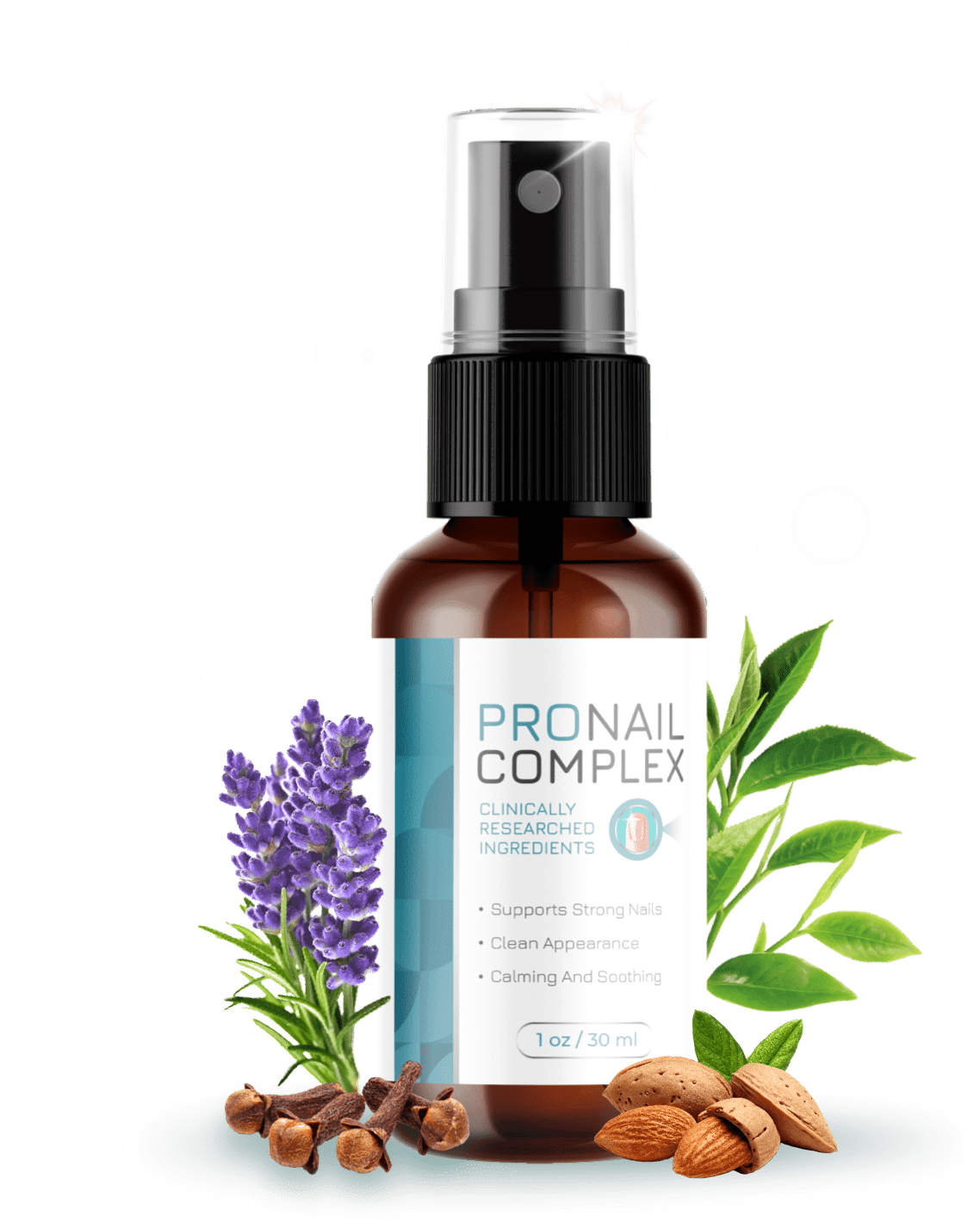
ProNail Complex — a topical mist; safety considerations are skin-level, not systemic.
In This Article
Safety Snapshot
ProNail Complex is a topical mist applied to the outside of the nail — one of the gentlest routes in nail care, with no systemic exposure and no drug interactions to weigh. Most users notice only a cooling tingle from menthol and camphor. The realistic risks are skin-level: essential oils (tea tree, clove, lavender) and tree-nut-derived oils (sweet almond, walnut) can trigger irritation or allergy in sensitive people. A 24-hour patch test before the first full use settles that. Anyone with a diagnosed nail infection, diabetes, or circulation issues should loop in a doctor.
THE CORE PROMISE
You’re applying a plant-oil mist to the outside of a nail — one of the gentlest routes in nail care. Most topical nail products fail for one reason: raw oils dabbed on top of a nail just sit there and evaporate. ProNail Complex is built to skip that — a micro-particle mist fine enough to slip under the nail edge, carrying a 17-oil blend (with a disclosed FDA-monograph antifungal active, Undecylenic Acid USP 5%) to where the problem actually sits. Result: new growth comes in stronger and clearer over the renewal window — sprayed on in seconds, twice a day. That’s the whole promise.
1. What Most Users Experience
ProNail Complex is a topical product applied to the surface of the nail and surrounding skin. Nothing is swallowed, so there is no systemic exposure and — unlike oral antifungal medication — no drug interactions to weigh and no liver-function monitoring. For most people, the only noticeable effect is intentional: a cooling, tingling sensation from menthol and camphor on application. That is the “calming” experience the formula is designed around, not a side effect.
2. The Patch-Test Rule
Before the first full application, do a simple 24-hour patch test: spray a small amount on the inside of your forearm and wait a day. If the skin stays calm, you’re clear to use it on your nails. If you see redness, itching, or a rash, stop. This one step takes a minute and rules out the most common issue with any botanical topical — individual sensitivity to concentrated essential oils.
3. Tree-Nut and Essential-Oil Sensitivity
Two groups should read the ingredient list closely. First, anyone with a tree-nut allergy: the blend contains sweet almond oil and walnut oil, both tree-nut-derived. Second, anyone who knows they react to concentrated essential oils — tea tree, clove, and lavender are potent and can irritate sensitive skin. For both groups, the patch test in section 2 is not optional. If you have a known nut allergy, talk to your doctor before using a nut-oil-containing product at all.
4. When to See a Doctor
A topical nail product is for mild, slow, cosmetic nail concerns — it is not a diagnosis or a treatment for a medical condition. See a doctor, not a bottle, if: the nail is painful or the skin around it is red, swollen, or warm; the problem is spreading quickly; the nail is lifting away from the nail bed; you have diabetes or circulation problems (foot issues need professional monitoring); or you’ve used a topical consistently for several months with no change. When in doubt, a podiatrist or dermatologist can tell you what you’re actually dealing with.
Pricing Options for ProNail Complex
ProNail Complex is available in three bundle options. Most users choose the 6-bottle Best Value bundle because it carries them all the way through — from the first-week wins to a fully renewed nail. The "Best Value" 6-bottle bundle locks in $49 per bottle, includes free shipping plus 3 bonus eBooks, and covers the complete nail-renewal window.
2 Bottles
60-Day Supply
- 60-day Money-Back Guarantee
- Secure Checkout
Save $200
Shop Now6 Bottles
180-Day Supply
- 60-day Money-Back Guarantee
- Free US Shipping
- 3 FREE Bonus eBooks
- Instant Savings $780
Save $780
Shop Now3 Bottles
90-Day Supply
- 60-day Money-Back Guarantee
- Free US Shipping
- Instant Savings $330
Save $330
Shop NowEvery order is backed by a 60-day money-back. Only available through the official website.
Frequently Asked Questions
Does ProNail Complex have side effects?
For most people, no — the only noticeable effect is an intentional cooling tingle from menthol and camphor. Because it is topical, there is no systemic exposure and no drug interactions. The realistic risk is skin-level irritation in sensitive individuals.
Should I patch-test ProNail Complex?
Yes. Spray a small amount on your inner forearm and wait 24 hours before the first full use. If the skin stays calm, you’re clear. This rules out sensitivity to the concentrated essential oils, which is the most common issue with any botanical topical.
Can I use ProNail Complex with a tree-nut allergy?
Be cautious — the blend contains sweet almond oil and walnut oil, both tree-nut-derived. If you have a known tree-nut allergy, talk to your doctor before using it, and patch-test first regardless.
Continue your research
- Previous: What’s inside ProNail Complex — the full 17-oil blend
- Then: ProNail Complex pricing — bundles and best value
- Compare: Orivelle Fungus Pen — a brush-tip topical alternative
- Deep dive: Orivelle’s safety profile — how another topical nail product compares
Research & Transparency
This content is based on publicly available ingredient research, manufacturer disclosures, and product labeling. We are not affiliated with the manufacturer.
(a) Undecylenic acid and its antifungal effect on Candida albicans biofilm formation. Shi et al. 2016
(b) Antifungal activity of clove essential oil and its volatile vapour against dermatophytic fungi. Chee & Lee 2007
(c) Antifungal activity of Lavandula angustifolia (lavender) essential oil against Candida albicans. D'Auria et al. 2005
(d) Antifungal activity of Aloe vera leaves. Rosca-Casian et al. 2007
About the Author
Sarah Thompson is a contributor at The Supplement Post covering women's health, skin and hair anti-aging, joint wellness (cartilage and peripheral nerve health), and lifestyle-focused supplementation. Her work emphasizes practical comparisons — ingredient form versus form, dose versus dose — and safety considerations, particularly around medication interactions and contraindications. Sarah Thompson is not a medical doctor. She analyzes publicly available research to provide consumer-friendly summaries for adults exploring supplementation as part of broader lifestyle and clinical care.
Disclosure
All content is for informational purposes only and is not a substitute for professional medical advice. Each product reviewed is a dietary supplement, not a prescription drug. Results may vary based on individual health status, consistency of use, and lifestyle. This page may contain affiliate links — if you purchase through them, we may earn a small commission at no additional cost to you. Read our Editorial Policy.