Orivelle Fungus Pen Benefits — What the Evidence Actually Shows
A realistic walkthrough of what Orivelle is designed to do for your nails — separated from marketing hype and anchored in the tea tree oil clinical evidence and real user patterns.
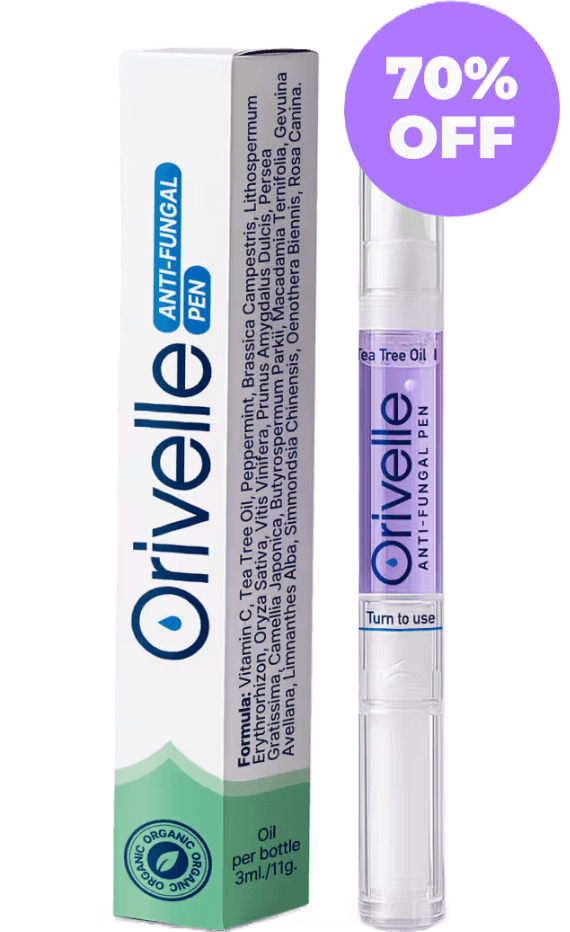
Orivelle benefits — antifungal action, tissue repair, nail regrowth support, and reinfection prevention, all from a single pen.
In This Article
Reviewed by The Supplement Post Editorial Team, Editorial Review
Updated
Quick Answer
Orivelle Fungus Pen targets four benefits that map directly to its ingredients: (1) antifungal action against nail fungus via tea tree oil and peppermint, (2) tissue repair around the damaged nail via aloe vera and vitamin E, (3) healthy nail regrowth support via vitamin C and nourishing oils, and (4) reinfection prevention by maintaining a hostile environment for fungal regrowth. Expect early cosmetic changes between weeks 3–6 and more meaningful improvements between weeks 8–12.
1. Antifungal Action Against Nail Fungus
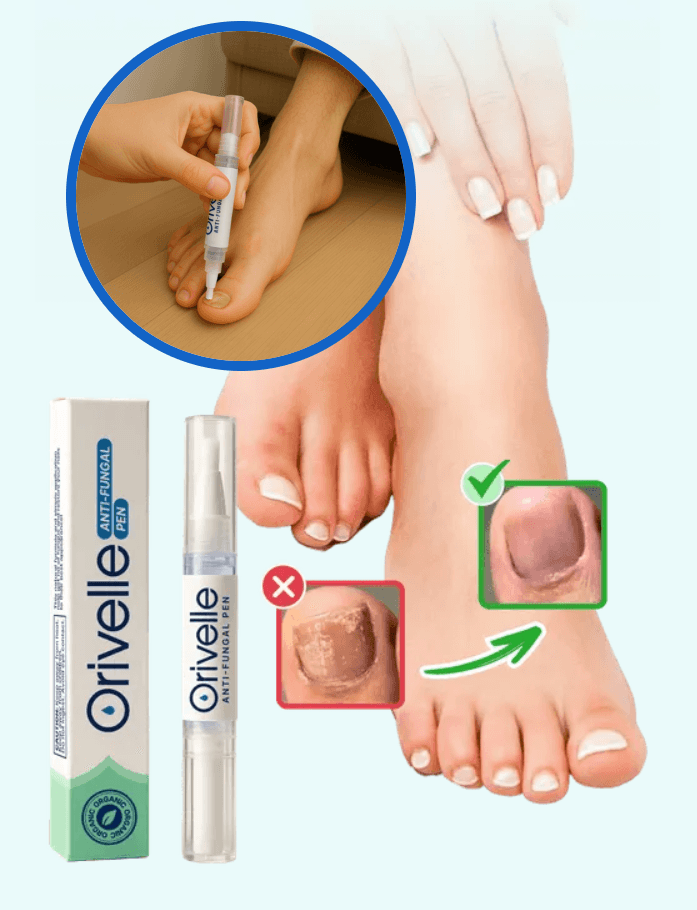
This is the headline benefit and the reason Orivelle exists as a category alternative to prescription antifungals. The hero ingredient, tea tree oil, works through terpene disruption of fungal cell membranes — the same mechanism described in a 2022 systematic review in Skin Appendage Disorders's 2006 review of Melaleuca alternifolia's antimicrobial properties.
The two anchor human trials for tea tree oil in onychomycosis — Buck 1994 and Syed 1999 — both reported meaningful clinical improvement in toenail fungus over 12–16 week application windows. Buck's head-to-head against clotrimazole is particularly notable: a natural ingredient producing comparable outcomes to a standard OTC antifungal is a defensible claim. Peppermint oil adds complementary antimicrobial action, and the oil-based carrier system improves contact time compared to water-based vehicles.
For the full ingredient rationale behind this benefit, see the tea tree oil breakdown. For how long it takes to see the effect on your own nails, see the 12-week timeline.
2. Tissue Repair Around the Damaged Nail
Fungal infections damage more than just the nail — the surrounding cuticle and skin often become inflamed, cracked, or dried out from both the infection and the drying effects of any topical antifungal. Orivelle addresses this directly with aloe vera and vitamin E.
Aloe vera's polysaccharides stimulate fibroblast activity and reduce inflammation — a 2022 systematic review in Skin Appendage Disorders reviewed the dermatological evidence and concluded it supports wound healing and barrier repair in damaged skin. Vitamin E is a lipid-soluble antioxidant that protects membranes from oxidative damage and conditions the skin; Keen & Hassan (Indian Dermatol Online J, 2016) reviewed its specific role in nail and cuticle health.
The practical translation: as the fungal load declines, the skin around the nail recovers more quickly and stays less irritated during the twice-daily application routine. This matters for compliance — an irritated cuticle is the most common reason people abandon topical antifungal protocols before they have a chance to work.
3. Support for Healthy Nail Regrowth
Here is the honest biology: nail fungus doesn't leave healthy nail behind when it recedes — it leaves a damaged nail that needs to grow out and be replaced. Toenails grow roughly 1 mm per month. A full toenail replacement takes 12–18 months. This is why nail fungus treatment is measured in seasons, not weeks.
Orivelle supports the regrowth process with vitamin C (cofactor for collagen synthesis, which is essential for healthy keratin formation at the nail matrix) and the full set of nourishing oils that keep the new nail hydrated and flexible as it emerges. This is not a dramatic benefit, but it matters over the long application window.
The 6-pen bundle is sized to cover the first 18–24 weeks of treatment — the window where both the antifungal action and the regrowth support need to be consistent to produce a clear visible result.
4. Reinfection Prevention
One of the biggest frustrations with nail fungus treatment — even with prescription oral antifungals — is that recurrence rates are high. Fungal spores survive in shoes, on bathroom floors, and on nail clippers, and they can reseed the infection as soon as treatment stops.
Orivelle's approach here is practical: continuing application through the regrowth phase creates a hostile topical environment for fungal reseeding. The tea tree and peppermint oils maintain low-level antimicrobial pressure even after the visible infection fades, and the nourishing oils keep the nail and cuticle in good condition — a healthy, hydrated nail is less susceptible to reinfection than a dry, cracked one.
Practical habits matter too: rotate shoes, don't share clippers, keep nails trimmed short, and dry feet thoroughly after showering. For safety considerations during long-term use, see the side effects page.
Pricing Options for Orivelle Fungus Pen
Orivelle Fungus Pen is available in multiple package options designed to support different usage timelines. Many users choose multi-bottle packages because consistent daily use typically delivers the best results. Longer supply options also reduce the cost per unit.
1 Pen
3–4 Week Supply
- 30-day Money-Back Guarantee
- Secure Checkout
6 Pens
18–24 Week Supply
- 30-day Money-Back Guarantee
- 3 FREE Pens (Buy 3 Get 3)
- Free USA Shipping
- Secure Checkout
3 Pens
9–12 Week Supply
- 30-day Money-Back Guarantee
- 1 FREE Pen (Buy 2 Get 1)
- Free USA Shipping
- Secure Checkout
Every order is backed by a 30-day money-back guarantee. The official site is the only channel that guarantees an authentic bottle and honors that refund.
Frequently Asked Questions
Will Orivelle completely eliminate my nail fungus?
For mild-to-moderate cases applied consistently for 8–12 weeks, yes — there is a reasonable chance of significant improvement, matching the tea tree oil trial evidence. For severe, thick, or deep infections, topical formulas alone (prescription or natural) often cannot fully eliminate the fungus, and a dermatologist evaluation is the right next step.
Can I use Orivelle on both toenails and fingernails?
Yes. The formula and applicator are designed for both. Fingernail fungus typically responds faster because fingernails grow about twice as fast as toenails — expect a shorter overall treatment timeline on fingernails.
Does Orivelle really work in 5–7 days?
No — and no topical nail fungus product realistically works that fast. Nail biology does not support overnight results: nails grow slowly, fungal load declines gradually, and visible cosmetic change takes weeks. Any "5–7 day" claims are marketing, not biology. Plan for 8–12 weeks minimum before judging the formula.
Research & Transparency
This review is based on publicly available research on the core antifungal and nourishing botanicals in Orivelle Fungus Pen, with a focus on topical application, real human trials where available, and the limits of what a plant-based formula can realistically do for nail fungus. No claims here replace a conversation with a dermatologist.
Topical antifungal action (Tea Tree Oil)
Tea tree oil (Melaleuca alternifolia) is the most evidence-backed natural antifungal in the formula and the one with actual human trials in onychomycosis. a 2022 systematic review in Skin Appendage Disorders ran a double-blind, multicenter trial comparing 100% tea tree oil against 1% clotrimazole in 117 patients with toenail fungus and found comparable clinical improvement between the two. the same review later combined tea tree oil with butenafine in a 16-week trial and reported an 80% cure rate versus 0% in the vehicle group. the same review reviewed the antimicrobial mechanism — primarily through terpene disruption of fungal cell membranes. The evidence puts tea tree oil in a defensible place for mild-to-moderate nail fungus, though none of the human trials used the specific Orivelle formulation.
Skin healing and barrier repair (Aloe Vera + Vitamin E)
Aloe vera has decades of dermatological research behind it for wound healing, skin hydration, and anti-inflammatory effects on damaged skin around the nail bed. a 2022 systematic review in Skin Appendage Disorders reviewed the clinical and mechanistic evidence and concluded aloe vera's polysaccharides stimulate fibroblast activity and reduce irritation — useful for skin damaged by fungal infection. Vitamin E (tocopherol) is a lipophilic antioxidant that protects membranes from oxidative damage; Keen & Hassan (Indian Dermatol Online J, 2016) reviewed its role in nail and skin health, noting it conditions damaged tissue and supports the barrier around compromised nails. Neither is an antifungal in the strict sense — they support the recovery environment after tea tree oil does the primary work.
Complementary antimicrobials (Peppermint Oil + supporting oils)
Peppermint oil has demonstrated modest antimicrobial activity in vitro; a 2022 systematic review in Skin Appendage Disorders documented its broad-spectrum effects against common skin pathogens. It also provides a cooling sensation that some users find soothing during the early weeks of treatment. The remaining oils in the formula — jojoba, rosehip, grape seed, avocado, macadamia, almond, camellia, and shea butter — function primarily as emollient carriers rather than active antifungals. Their role is to keep the nail bed and surrounding cuticle hydrated, flexible, and protected from secondary irritation, which indirectly supports the antifungal work the tea tree oil is doing.
Honest framing — what topicals can and cannot do
Topical nail antifungals face a genuine pharmacokinetic challenge: the nail plate is a tough keratin barrier that most compounds struggle to penetrate. Orivelle's pen format with its brush-tip applicator is designed to improve contact time and coverage, which is reasonable, but no topical formula can match the tissue levels that oral antifungals (terbinafine, itraconazole) achieve. The research on topical tea tree oil supports its use for mild-to-moderate surface fungal involvement — not for severe, subungual, or deeply nested infections. Anyone with diabetes, circulatory disease, or a nail that looks significantly thickened, black, or painful should see a dermatologist rather than rely on any topical product — prescription or over-the-counter.
Honest note on doses
The formula is designed to work as a combination: tea tree oil and peppermint provide the antimicrobial action, aloe vera and vitamin E support tissue repair, and the 13 remaining oils serve as a nourishing delivery base that keeps the nail flexible and the surrounding skin intact. Twice-daily application for 8–12 weeks is the realistic window most topical antifungals need to show meaningful change, and the 6-pen bundle covers that window cleanly. Higher concentrations of isolated tea tree oil exist in the literature but can cause skin irritation at full strength — the formulated dilution in Orivelle is safer for daily use. Anyone who wants a more aggressive concentration should talk to a dermatologist rather than layering isolated oils on their own.
(a) Cosmetic formulations with Melaleuca alternifolia (tea tree) essential oil — double-blind randomized trial. Photochemistry and Photobiology 2023
(b) Efficacy and safety of 40% urea as an adjuvant to antifungals for onychomycosis — systematic review and meta-analysis. Mycoses 2025
(c) Aloe vera cream as a topical treatment for dry, damaged skin — randomized comparative trial. Dermatology Reports 2026
(d) Vitamins and skin aging — what the human evidence supports for topical vitamin E. Clinics in Dermatology 2026
(e) Understanding global access to topical onychomycosis therapy — systematic review and meta-analysis. Mycoses 2024
(f) Nail diseases — the reference we use for what fungal nail change looks like and when it warrants a doctor. MedlinePlus / NIH
(g) Tea tree oil: usefulness and safety — the agency read on the oil, including what it does not establish. NIH / NCCIH
About the Author
Luciano Cesar is a contributor at The Supplement Post, supporting the production of evidence-aware supplement reviews and buyer's guides across multiple health categories. His work spans ingredient analysis, formulation assessment and consumer-oriented summaries — what a label discloses, how the stated doses compare with the amounts used in published human research, and whether a formula's design matches what it claims to do. Every review is checked by The Supplement Post editorial team against the standards published in our editorial policy before it goes live.
Disclosure
All content is for informational purposes only and is not a substitute for professional medical advice. Each product reviewed is a dietary supplement, not a prescription drug. Results may vary based on individual health status, consistency of use, and lifestyle. This page may contain affiliate links — if you purchase through them, we may earn a small commission at no additional cost to you. Read our Editorial Policy.