Does iGenics actually work for blurry, tired eyes? Yes, part of it does: a 2026 meta-analysis found lutein and zeaxanthin measurably slow age-related macular degeneration, a 2023 Cochrane review backs the antioxidant core iGenics is built around, and ginkgo biloba has its own research tie for eye blood flow.
In This Review:
Reviewed by The Supplement Post Editorial Team, Editorial Review
Updated
1. Product at a Glance
| Product | iGenics |
| Category | Hearing & Vision / Eye Health & Vision Support / Capsules |
| Format | Two capsules a day, from a 60-capsule bottle that lasts a month. |
| Key Ingredients | Five dosed vitamins and minerals — vitamin A, C and E, zinc and copper — plus seven individually dosed plant extracts led by bilberry, turmeric and ginkgo biloba, with lutein, zeaxanthin and saffron rounding out the formula, and black pepper extract included for absorption |
| Manufacturing | Manufactured, according to the company, in a GMP-certified facility right here in the US, with every ingredient third-party tested. Orders are processed through ClickBank. |
| Guarantee | 60-day money-back |
| Our Rating | 4.5 / 5 |
Quick Verdict
Does iGenics actually work for blurry, tired eyes? For the macular-pigment pathway it leans on — lutein and zeaxanthin — a 2026 meta-analysis found measurable improvement in age-related macular degeneration.
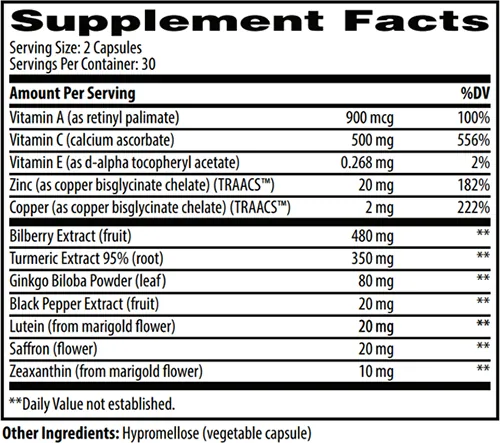
The routine is two capsules a day. Vitamin A, vitamin C, vitamin E, zinc and copper are each printed with their own dose, alongside bilberry, turmeric, ginkgo biloba, lutein, zeaxanthin, saffron and black pepper extract — twelve ingredients, nothing folded into a blend.
Manufactured, according to the company, in a GMP-certified facility in the US, with every ingredient third-party tested. Sixty days to change your mind, backed by the company's money-back guarantee.
2. Does iGenics Actually Work?
Can a daily capsule really help with blurry, tired eyes? Yes, when what’s changed is strain and fatigue building over the day, not something sudden.
Screens stay sharp in the morning and blur by afternoon. Fine print on a menu or a label starts asking for a second look.
The research is specific here. A 2026 systematic review and meta-analysis in the Journal of Ophthalmology found that lutein and zeaxanthin — the two carotenoids iGenics doses at 20 mg and 10 mg — measurably slow age-related macular degeneration. A 2023 Cochrane review backs the same antioxidant vitamin and mineral core the formula is built around, and a 2025 review ties ginkgo biloba to eye blood flow. In plain terms: better-protected macular pigment, and steadier blood flow behind it.
iGenics puts the carotenoid pair, the antioxidant core and bilberry's blood-flow support in a two-capsule daily serving. It is a booster, not a switch, and the response varies with age, screen time and overall eye health. Many people report the first change from week 4. That is why it is worth the try.
3. What iGenics Does for Eyes That Tire by Afternoon
iGenics is built for the moment you realize you're squinting at something you used to read without thinking twice. Not a diagnosis — just a pattern that's quietly crept in, one blurry menu and one too-bright screen at a time.
You know the pattern. The phone held a little farther away. The captions turned on by default, even when the room is quiet.
What changes is the rest of the day. Less rubbing your eyes by mid-afternoon, more just reading the thing in front of you. See how each ingredient divides the work.
- The strain side, covered — so the day doesn’t wear your eyes down by mid-afternoon
- The long-term side, too — so today’s comfort isn’t the only thing being supported
- No stimulants — nothing here works by speeding anything up
- Two capsules a day — nothing to measure, nothing to explain
- Nothing hidden on the label — every amount printed, not stacked behind a blend
4. Why It Earns 4.5 / 5
Twelve individually dosed ingredients, led by the lutein-zeaxanthin pair a 2026 meta-analysis studied directly in age-related macular degeneration, with ginkgo biloba's own research backing the blood-flow side.
What stands out:
- A macular-pigment pair with its own meta-analysis. Lutein and zeaxanthin were studied together in a 2026 systematic review of age-related macular degeneration.
- Ginkgo biloba’s own blood-flow research. A 2025 review ties ginkgo biloba to eye blood flow, working alongside bilberry’s traditional role in the formula.
- No stimulants. Nothing in the formula works by raising heart rate or adrenaline.
- Every ingredient prints its own dose. Nothing folded into a blend to hide any of the twelve amounts.
- Manufactured in a GMP-certified facility in the US, with ingredients that are third-party tested, according to the company.
- Sixty days to decide, backed by the company’s money-back guarantee.
Worth knowing:
- It’s a newer name on the shelf. iGenics doesn’t yet have years of independent reviews to point to.
- Sold only through the official site. There’s no listing to check on Amazon or in a local store, so ordering means going straight to the manufacturer.
- Two capsules is a bigger swallow than some single-capsule formulas. Worth knowing if you already have several daily supplements to get through.
5. Who Is iGenics Best For?
Best match if you:
- Fine print and dim-light menus have started needing a second look, not just an occasional squint.
- You’d rather support your eyes daily than wait for an exam to tell you something’s changed — twelve ingredients, each with its own printed dose.
- You want the macular-pigment pathway studied, not just a long ingredient list — lutein and zeaxanthin have a 2026 meta-analysis built around people in this exact spot.
- Two capsules fit your day better than eye drops, a stack, or anything timed around screen time.
Eye strain rarely stays contained to the screen in front of you. It follows you into the next read, the next drive at dusk, and the next menu in a dim room, until squinting becomes something you just expect of yourself. Left alone, that pattern changes how much you read for pleasure, how comfortable you feel driving at night, and how much you blame it on being tired instead of on your eyes. What you are really protecting is the ease of just looking at something instead of working to see it. Steady daily habits beat quick fixes, so judge any routine over several weeks, not one afternoon.
6. How It Compares
| Criteria | iGenicsYou’re reading it | VisiFlora |
|---|---|---|
 |
 |
|
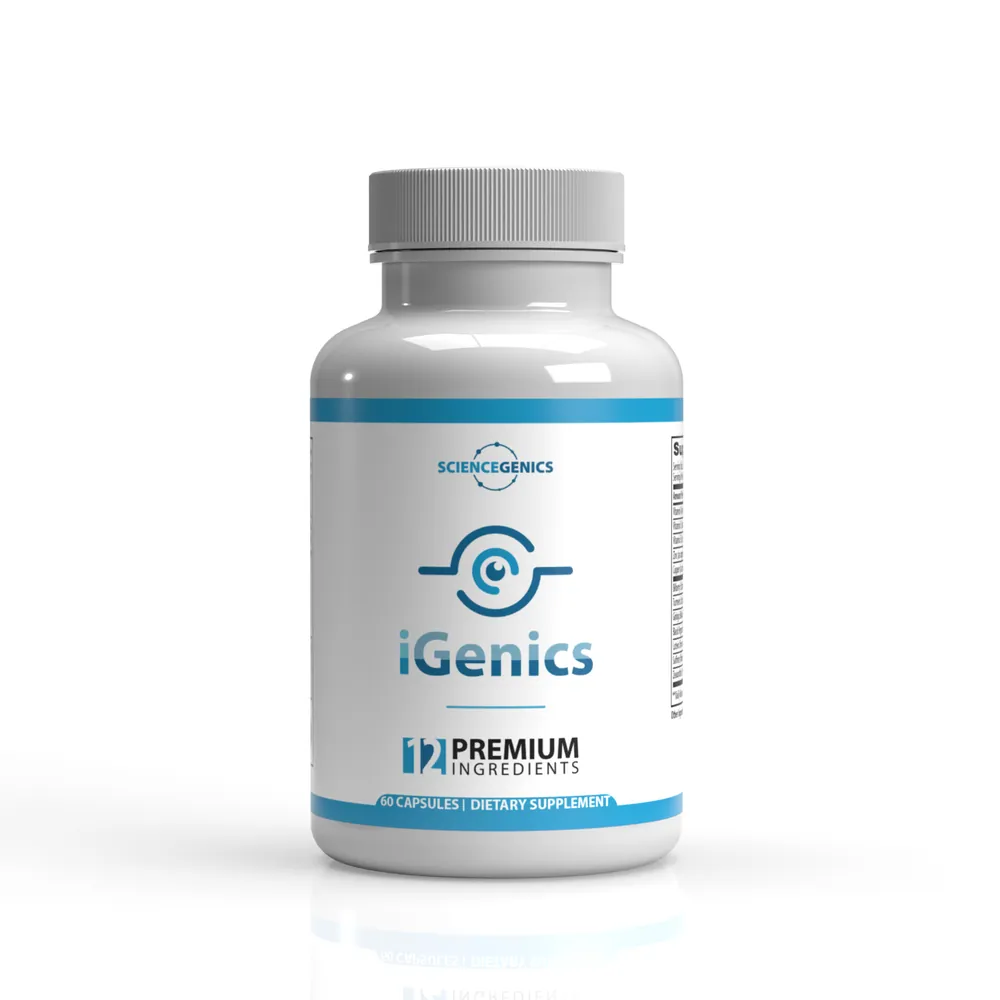
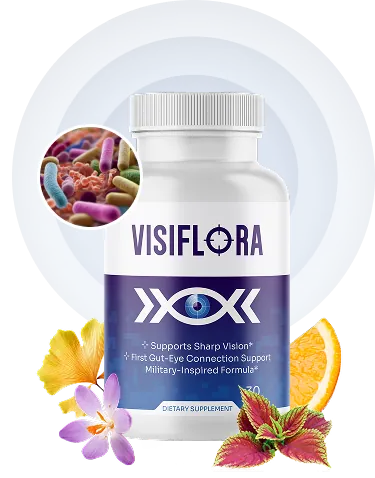
| Lead pathway | Lutein and zeaxanthin, studied together in a 2026 meta-analysis, plus bilberry and ginkgo for blood flow | Lutein and zeaxanthin with an AREDS2-style mineral combination |
| Route | Capsule, 1 serving (2 capsules) daily | Capsule, 1 serving daily |
| What is disclosed | All twelve ingredients printed with their own dose, no blend at all | Fifteen ingredients named in full; zinc is the one with its own printed dose |
| Best for | Eye strain and blurry vision, with blood-flow support alongside the carotenoid core | Blurry, tired eyes, with a gut-support angle added to the antioxidant core |
| Guarantee | 60 days, money-back | 60 days, money-back |
| Where to buy | Manufacturer's Site → | Manufacturer's Site → |
7. Pricing Options for iGenics
Let the weeks pick the package, not the price tag. Early signals on the blood-flow side can show from week 4, but the macular-pigment side builds over a couple of months. One bottle is thirty days and ends before that fuller window. Three is the floor that covers it, and six keeps the routine going at the lowest price per bottle.
1 Bottle
30-Day Supply
6 Bottles
180-Day Supply
3 Bottles
90-Day Supply
Backed by a 60-day money-back guarantee on every order placed through the official site. The official site is the only channel that guarantees an authentic bottle and honors that refund.
The prices above are the package prices the manufacturer is running right now, each tied to a limited number of units. The official page is the only place today’s offer can be confirmed.
8. The Mechanism: Macular Support, Blood Flow and Antioxidant Defense — Three Pathways in One Capsule
Three systems get worked directly, and two more round out the formula on traditional and absorption support.
Macular pigment — lutein and zeaxanthin. Two carotenoids the retina concentrates in the macula, where they filter blue light and build the pigment density linked to healthier aging eyes. iGenics doses them at 20 mg and 10 mg, outside any blend.
Blood flow — bilberry and ginkgo biloba. Bilberry extract has a long history in eye-health formulas, and ginkgo biloba works the vascular side from a different angle — which is why the two are paired here, at 480 mg and 80 mg.
Antioxidant defense — vitamin A, vitamin C, vitamin E, zinc and copper. Vitamin C (500 mg) and copper (2 mg) land close to the amounts used in well-known eye-health formulas; vitamin A, vitamin E and zinc round out the antioxidant core alongside the carotenoids above.
Rounding out the formula — turmeric, saffron and black pepper extract. Turmeric and saffron add traditional antioxidant support, and black pepper extract is included to help the body absorb the rest of the formula.
Two things on the panel, in plain English
Carotenoid — a plant pigment the body can't make on its own. Lutein and zeaxanthin are both carotenoids, and the retina concentrates them more than almost any other tissue.
Pathway — the specific route an ingredient works through in the body. Lutein and zeaxanthin share the macular-pigment pathway; bilberry and ginkgo biloba work a separate, blood-flow-linked one.
Full Ingredient List
Twelve printed doses, no blend at all, each ingredient with its own job.
| Ingredient | Pathway | Role in the Formula |
|---|---|---|
| Lutein (from marigold flower) and Zeaxanthin (from marigold flower) — 20 mg and 10 mg | Macular pigment density | Two carotenoids the retina concentrates in the macula, where they filter blue light and build the macular pigment eye doctors look for in exams. |
| Bilberry Extract (fruit) — 480 mg | Blood flow to the eye | A European berry extract with a long history in eye-health formulas, dosed here at 480 mg for its role in the blood-flow side of the formula. |
| Ginkgo Biloba Powder (leaf) — 80 mg | Blood flow to the eye, alongside bilberry | A leaf extract traditionally used for circulation, working the blood-flow side of the formula from a different angle than bilberry. |
| Vitamin A, Vitamin C, Vitamin E, Zinc and Copper — the antioxidant core | Antioxidant defense | Vitamin C (500 mg) and copper (2 mg) land close to the amounts used in well-known eye-health formulas; vitamin A, vitamin E and zinc round out the antioxidant core alongside the carotenoids above. |
| Turmeric Extract 95%, Saffron and Black Pepper Extract — rounding out the formula | Antioxidant support and absorption | Turmeric and saffron add traditional antioxidant support, and black pepper extract is included to help the body absorb the rest of the formula. |
Realistic Week-by-Week Timeline
The routine comes first: two capsules daily, and the blood-flow side builds week over week.
| Timeframe | What to Expect | Driven By |
|---|---|---|
| Week 1–4 | The routine settles in: two capsules a day, nothing else to track. The antioxidant core and the carotenoid pair are already circulating; this is a build-up window, not a verdict. | Consistency |
| Week 4–8 | Bilberry and ginkgo biloba work the blood-flow side of the formula, the kind of change people most often notice first — eyes that feel less strained by the end of the day. | Bilberry + Ginkgo Biloba |
| Month 2–3 | Macular pigment is where lutein and zeaxanthin concentrate, and it's the slower-building side of the formula, with change that tends to show over months of consistent intake rather than weeks. | Lutein + Zeaxanthin |
| Day 60–90 | The assessment point for the full formula, and the window the company's own three-bottle package is built around. | Maintenance |
9. Side Effects & Safety
The individual ingredients here have been generally well tolerated in the research behind them, and most people take a formula like this without incident. The considerations below are specific to this label rather than generic.
Possible Side Effects
| Possible effect | Likelihood | What to do |
|---|---|---|
| Mild digestive discomfort | Occasional | Taking the capsules with a meal tends to settle this. |
| Headache | Rare | Reported occasionally with concentrated plant extracts. Taking the capsules with food and water usually helps. |
| Interaction with blood-thinning medication | Uncommon | Ginkgo biloba is worth mentioning at your next doctor's visit if you're already on one. |
Already on a prescription? Bring the label to your next appointment. It takes a minute and keeps everything in one place.
See the full breakdown of who should check with a doctor first in the pros and cons.
10. Final Verdict
So is iGenics worth buying for blurry, tired eyes? Yes, if fine print and dim-light menus have started needing a second look, and you'd rather support your eyes daily than wait for an exam to tell you something's changed. Here is how this applies to you. Picture the moment: the one where you hold the phone a little farther away, and it's become a habit instead of a one-off.
Lutein and zeaxanthin work the macular-pigment pathway, the same pair a 2026 meta-analysis studied directly in age-related macular degeneration. Ginkgo biloba works the blood-flow side with its own research tie, and bilberry adds its traditional role alongside it. Vitamin A, vitamin C, vitamin E, zinc and copper round out the antioxidant core, and turmeric, saffron and black pepper extract fill out the rest of the formula. Together the twelve ingredients cover more than one system, and the lead pathway earns its place with a meta-analysis built around people in exactly this situation.
The blood-flow side tends to show its first change from week 4; the macular-pigment side builds over a couple of months. One bottle covers thirty days, a first read on the routine. Three bottles cover ninety days, a fair read across that fuller window. For someone who has already decided this belongs in the routine, six bottles at $39 a bottle is the lowest per-bottle price the company runs. Two capsules a day, the same routine either way. Given all of that, iGenics earns its 4.5 out of 5: a macular-pigment pathway with real trial data, inside a twelve-ingredient formula with nothing hidden in a blend.
11. Frequently Asked Questions
Does iGenics really work for blurry, tired eyes?
Part of the formula has real research behind it. A 2026 meta-analysis tied lutein and zeaxanthin — dosed here at 20 mg and 10 mg — to measurably slower age-related macular degeneration, and a 2023 Cochrane review backed the same antioxidant vitamin and mineral core the formula leans on. A 60-day guarantee covers every order if it doesn't work out.
What is actually in iGenics?
Vitamin A (900 mcg), vitamin C (500 mg), vitamin E, zinc (20 mg) and copper (2 mg) are each printed with their own dose, and so are bilberry, turmeric, ginkgo biloba, lutein, zeaxanthin, saffron and black pepper extract. Worth knowing: iGenics doesn't fold any of it into a blend — every one of the twelve ingredients carries its own printed amount.
How do I take it, and how long does a bottle last?
Two capsules a day, as a dietary supplement. The label lists 60 capsules per bottle, so one bottle is a month at the stated serving.
How long until I notice anything?
Bilberry and ginkgo biloba work the blood-flow side of the formula, and that tends to be the first thing people notice, often from week 4. Lutein and zeaxanthin build macular pigment more slowly, so the fuller picture tends to come together by month 2 to 3.
Does iGenics have FDA approval?
No dietary supplement carries FDA approval — that designation applies only to drugs. The company states iGenics is manufactured in a GMP-certified facility in the US with ingredients that are third-party tested, which is a claim about where and how it's made, not a government sign-off.
Who should not take iGenics, and when should I see a doctor?
If you take medication, have a health condition, or are pregnant, check with your doctor before starting any supplement. A change in vision that came on suddenly or is getting worse quickly is a reason to see an eye doctor, not to add a supplement.
INGREDIENT TAGS
FORMAT
Research & Transparency
This content is based on publicly available ingredient research, the product’s supplement facts label, and manufacturer disclosures. Our editorial team works independently of the manufacturer. Marketing claims not supported by the product’s own label are not repeated here.
(a) From Supplements to Sight: Quantifying the Impact of Lutein and Carotenoid on Age-Related Macular Degeneration — A Systematic Review and Meta-Analysis of Randomized Controlled Trials. Journal of Ophthalmology (2026)
(b) Antioxidant vitamin and mineral supplements for slowing the progression of age-related macular degeneration. Cochrane Database of Systematic Reviews (2023)
(c) Phytochemicals in Ginkgo biloba for Age-Related Eye Disease — A Review. Journal of Dietary Supplements (2025)
About the Author
Luciano Cesar is a contributor at The Supplement Post, supporting the production of evidence-aware supplement reviews and buyer's guides across multiple health categories. His work spans ingredient analysis, formulation assessment and consumer-oriented summaries — what a label discloses, how the stated doses compare with the amounts used in published human research, and whether a formula's design matches what it claims to do. Every review is checked by The Supplement Post editorial team against the standards published in our editorial policy before it goes live.
Disclosure
All content is for informational purposes only and is not a substitute for professional medical advice. Each product reviewed is a dietary supplement, not a prescription drug. Results may vary. This page may contain affiliate links — if you purchase through them, we may earn a small commission at no additional cost to you. Read our Editorial Policy.
People who buy Igenics also buy
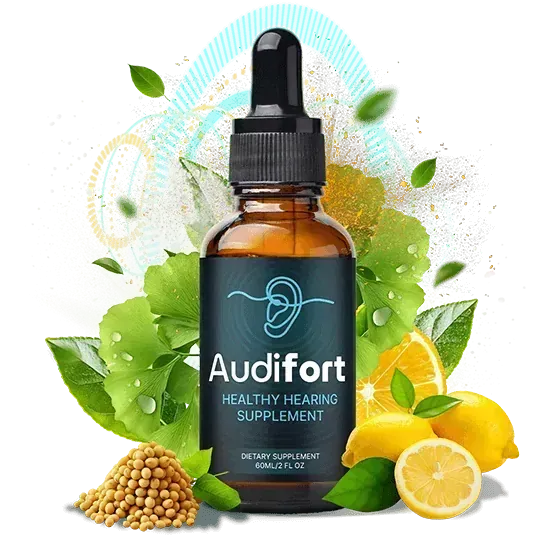
Audifort, extends the same sensory-aging concern to hearing rather than vision, for anyone noticing both changes at once