In This Review:
- 1. Product at a Glance
- 2. Tinnitus and Hearing Health After 50: Evidence, Concerns & Trends
- 3. What Cerebrozen Does and Benefits
- 4. Why We Rate It 4.5 / 5
- 5. Who It's Best For
- 6. How It Compares
- 7. Pricing Options
- 8. The Mechanism + Full Ingredient List
- 9. Side Effects & Safety
- 10. Final Verdict
- 11. FAQs
Reviewed by The Supplement Post Editorial Team, Editorial Review
Updated
1. Product at a Glance
| Product | Cerebrozen |
| Category | Hearing & Vision / Tinnitus & Hearing Support / Liquid Drops |
| Format | Liquid drops — 2 droppers (2 ml) daily, taken sublingually or in a drink (60 ml bottle, 30 servings) |
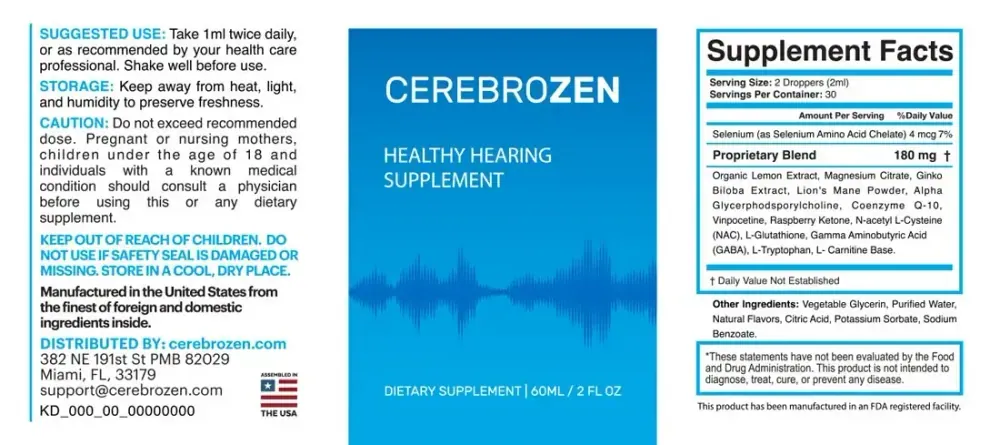
| Key Ingredients | A liquid neural-support formula for hearing: a 180 mg blend built around Ginkgo Biloba (the most-studied botanical in tinnitus research), Lion's Mane, Alpha-GPC, Vinpocetine, N-Acetyl Cysteine, L-Glutathione, GABA, CoQ10, L-Tryptophan and L-Carnitine, plus selenium. |
| Manufacturing | Manufactured in the United States in an FDA-registered facility from foreign and domestic ingredients. No stimulants, non-habit forming. |
| Guarantee | 60-day money-back |
| Our Rating | 4.5 / 5 |
Quick Verdict
Cerebrozen treats ringing as a brain problem, not an ear problem — and that's exactly how the research now frames it. The Georgetown model of tinnitus describes a brain that has turned its own gain up to compensate for a fading signal, and failed to turn it back down. Cerebrozen goes at every part of that chain at once: Ginkgo Biloba and vinpocetine for the blood supply to the cochlea (a single artery, no backup); NAC and glutathione for the oxidative damage that kills hair cells; GABA for the overactive neural signalling itself; and Lion's Mane and Alpha-GPC for the auditory nerve and the brain that has to interpret what it sends. It's a liquid you take sublingually, no stimulants, made in an FDA-registered US facility, with over 2,000 verified buyer reviews behind it. It isn't a cure — nothing sold as a supplement is — but as a coherent, evidence-aware attempt at the actual mechanism, it's one of the better ones.
2. Tinnitus and Hearing Health After 50: Evidence, Concerns & Trends
Before the formula itself, here's what the current evidence, the common concerns and the market actually show about tinnitus and hearing supplements — and where a formula like Cerebrozen honestly fits.
| The concern / trend | What the evidence shows | What it means for you |
|---|---|---|
| Tinnitus is generated in the brain, not the ear | Georgetown researchers describe tinnitus as the brain trying — and failing — to repair itself: when input from a damaged cochlea weakens, the brain amplifies its own gain, and the phantom signal is what you hear (the 2026 review in Frontiers in Neurology). | This is why ear drops and ear candles were never going to work, and why a formula aimed at neural calm, blood flow and nerve support is at least aimed at the right target. |
| Ginkgo is the most-studied botanical here — and the results are mixed | Systematic reviews of Ginkgo biloba extract in tinnitus find modest benefit in some trials and none in others, with the better responses tending to come from standardized extract taken over 8-12 weeks. | Anyone promising silence is lying. "Mixed but real" is the honest description — and it's still the strongest hand any tinnitus supplement has to play. |
| Oxidative damage is how loud noise actually deafens you | Noise kills cochlear hair cells largely through oxidative stress, and NAC — the antioxidant in this formula — has been tested in humans specifically for preventing noise-induced hearing loss (a 2026 systematic review in Laryngoscope Investigative Otolaryngology). | If your ears are exposed to noise — machinery, concerts, a job on a worksite or in a studio — the antioxidant layer is arguably the most valuable thing in the bottle. Hair cells don't regenerate. |
Where Cerebrozen fits: it's aimed at the mechanism the research actually describes, and it covers the whole chain — flow, oxidative defence, neural calm, nerve support — instead of picking one and shouting about it. It will not silence tinnitus. What it can honestly aim at is making the ringing take up less of your day.
3. What Cerebrozen Does and Benefits
Cerebrozen goes after one thing: the sound that isn't there. The high, thin ring that arrives the moment a room goes quiet. The whine that's loudest at 2 a.m., when there's nothing else to listen to. The sensation of hearing perfectly well and still asking people to repeat themselves, because the signal is arriving with static behind it.
Here's what's actually happening, and it's not what most people assume. Your cochlea is lined with hair cells that convert sound into electricity — around 15,000 of them, and they do not grow back. Age, noise and poor blood flow kill them slowly. As the signal reaching your brain gets weaker, the brain does something that seems reasonable and turns out to be cruel: it turns up its own gain, amplifying whatever it can still hear. When there's nothing to amplify, it amplifies the noise floor. That is the ring. Tinnitus, in the current model, isn't a sound in your ear — it's a brain that turned itself up and couldn't turn itself back down.
You know the rest of the cascade: the ringing that swells the instant the house goes quiet, sleep that takes an extra hour, conversations in restaurants you've started avoiding, the volume creeping up on the TV, the low background anxiety of wondering whether it's going to get worse.
Cerebrozen goes at every link in that chain rather than one of them — blood flow to the cochlea (ginkgo, vinpocetine), oxidative defence for the hair cells you still have (NAC, glutathione, selenium), calming support for the overactive signalling (GABA, tryptophan) and nerve support for the pathway itself (lion's mane, alpha-GPC). It's a liquid taken under the tongue, no stimulants, non-habit-forming, made in the USA in an FDA-registered facility, with more than 2,000 verified buyer reviews behind it. How the four layers actually work together →
4. Why We Rate It 4.5 / 5
We rate Cerebrozen 4.5 / 5. What earns it is the coherence: this is a formula that clearly understands the mechanism it's targeting. Ginkgo leads because it's the most-studied botanical in tinnitus. NAC and glutathione are there because oxidative stress is how noise actually destroys hair cells. GABA is there because the leading model of tinnitus is overactive neural signalling. Lion's mane and alpha-GPC are there because the auditory nerve is nerve tissue and hearing is a brain act. Nothing in this bottle is decorative — and a sublingual liquid is a smart delivery choice for a multi-compound formula.
What holds it below the top of the scale is the honest limit of the category: no supplement silences tinnitus, and the ginkgo literature itself is mixed. The blend is also a light one at 180 mg total, so each compound arrives in a modest amount rather than at a single-ingredient trial dose — the trade you make for covering four pathways in one liquid. That's a reasonable design decision, not a flaw, but it means the realistic promise is "less intrusive," never "gone."
- Aimed at the mechanism the science actually describes. Tinnitus is a brain-gain problem; this formula targets flow, oxidation, neural calm and nerve health rather than the eardrum.
- Ginkgo leads the blend — the most-studied botanical in the tinnitus literature, and the strongest hand any formula in this category can play.
- NAC + glutathione + selenium. The antioxidant layer that matters most for noise-exposed ears — NAC has human trials in noise-induced hearing protection.
- GABA is a deliberate, mechanistic choice. The calming neurotransmitter aimed directly at the overactive signalling model of tinnitus — and at the reason it’s worst at night.
- Lion’s mane for the nerve itself. NGF support for the auditory nerve is something almost no hearing formula bothers with.
- Sublingual liquid. Two droppers under the tongue or in your coffee — no capsules, no swallowing a dozen pills, and absorption that skips first-pass digestion.
- Verified buyer volume. Over 2,000 verified reviews on the official site, and no stimulants — it’s non-habit forming and won’t disrupt sleep.
- Ginkgo interacts with blood thinners. A real interaction, not a formality — one conversation with your doctor if you take an anticoagulant or antiplatelet drug.
- GABA can add to sedatives. If you take a sleep aid, benzodiazepine or seizure medication, clear it first.
- 60-day guarantee is shorter than the timeline. The ginkgo research runs 8-12 weeks, so buy the bundle that lets you evaluate it while you’re still inside the refund window.
5. Who Is Cerebrozen Best For?
Best match if you:
- Hear ringing that gets louder the moment a room goes quiet, and want to work on the mechanism rather than mask it
- Have ears that take a beating — machinery, live music, a workshop, a studio — and want to protect the hair cells you still have
- Prefer drops to swallowing capsules, and want nothing that touches your sleep
- Understand the honest promise: less intrusive, not silent
- Can give it the 8-12 week window the ginkgo research actually works in
6. How It Compares
| Criteria | Cerebrozen | NeuroQuiet | Brain C-13 |
|---|---|---|---|
 |
 |
 |
|
| Primary Focus | Tinnitus & hearing | Neural hearing support | Cognizin citicoline |
| Format | Liquid | Liquid spray | Capsule |
| Best Price | $49/bottle | $49/bottle | $33/bottle |
| Best For | Ear ringing, noise-exposed ears | Tinnitus, neural calm | Speech processing, focus |
| Where to buy | Official Site → | Official Site → | Official Site → |
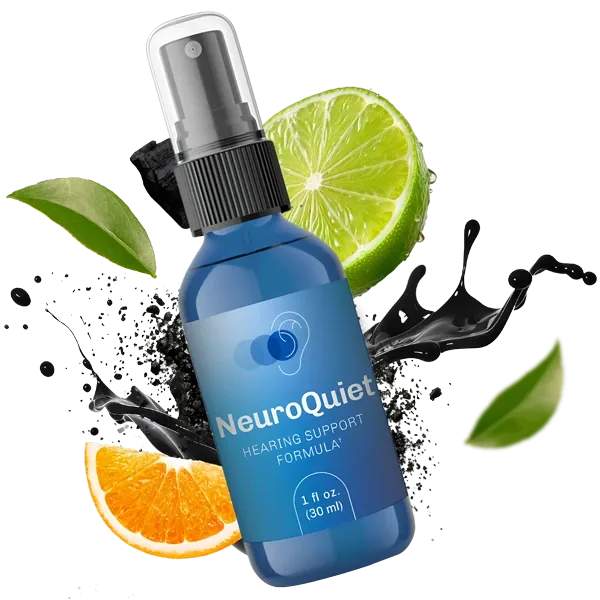
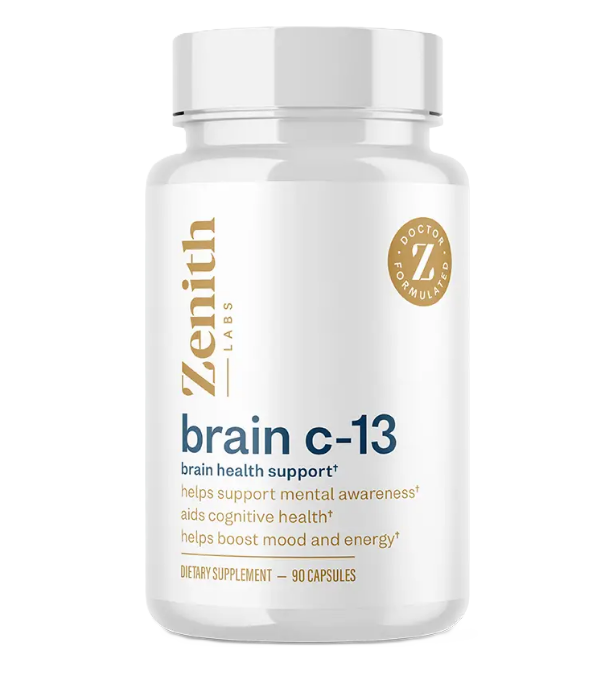
NeuroQuiet is the closest comparison — the same neural view of tinnitus, in a sublingual spray, and a solid formula for it. Cerebrozen covers more ground, adding the antioxidant layer that matters for noise-damaged ears plus lion’s mane for the auditory nerve. Brain C-13 is not a hearing product at all — it is here because if your real issue is processing speech rather than ringing, that is a different problem with a different answer.
Full reviews: NeuroQuiet · Brain C-13
7. Pricing Options for Cerebrozen
Calm comes first, in the opening fortnight; the circulation and antioxidant layers accumulate across weeks 3 to 6; and the window the ginkgo tinnitus trials work in runs weeks 8 to 12. The entry, two bottles, stops short of that. Three bottles at $59 reaches it. Given all of that, six bottles at $49 each is the one we would take — twenty dollars a bottle below the entry, and the only order that covers the trial window with room after it.
2 Bottles
60-Day Supply
- Secure Checkout
6 Bottles
180-Day Supply
- 2 Free eBooks
- Secure Checkout
3 Bottles
90-Day Supply
- 2 Free eBooks
- Secure Checkout
Every order is backed by a 60-day money-back guarantee. The official site is the only channel that guarantees an authentic bottle and honors that refund.
8. The Mechanism: Why Cerebrozen Works on the Brain, Not the Eardrum
Most hearing supplements aim at the ear. It's an intuitive mistake — and it's why so many of them do nothing. The ringing isn't generated in your ear. It's generated in a brain that lost part of its input and compensated by amplifying what was left, and Cerebrozen is built around that fact. Four layers, one chain.
Layer one — the blood supply. The cochlea is fed by a single artery with no collateral backup, which makes it one of the most flow-vulnerable structures in the body: when circulation there falters, hair cells die and don't come back. Ginkgo Biloba — the most-studied botanical in tinnitus research — and vinpocetine both work on this layer. It's the unglamorous foundation, and it's why ginkgo leads the label.
Layer two — oxidative defence. This is how noise actually deafens you: loud sound floods hair cells with free radicals and they die of oxidative stress. N-Acetyl Cysteine (the compound with real human trials in noise-induced hearing protection), L-Glutathione and selenium — which is the cofactor that makes the glutathione system function — form the shield. CoQ10 and L-Carnitine keep the mitochondria of those extraordinarily energy-hungry cells supplied. You cannot regrow a hair cell; everything here is about protecting the ones you have.
Layer three — the gain control. This is the layer that targets the ringing itself. GABA is the brain's primary calming neurotransmitter, and the leading model of tinnitus is a failure of exactly that kind of inhibition — the brain has turned itself up and can't turn itself down. L-Tryptophan feeds serotonin, which is why this layer tends to show up first in the evening, when the room goes quiet and the ringing usually swells.
Layer four — the nerve and the listener. Lion's Mane is studied for stimulating nerve growth factor, and the auditory nerve is nerve tissue like any other. Alpha-GPC feeds acetylcholine, the neurotransmitter of attention and signal processing — because hearing isn't only detection, it's a brain making sense of what arrived. This layer is why the formula reads as much like a nootropic as a hearing aid, and that isn't an accident.
Run together: feed the cochlea, defend it, calm the amplifier, and support the nerve carrying the signal. It's a slow, structural approach — which is exactly why the honest timeline is measured in weeks.
What these terms actually mean:
- Hair cells
- The 15,000 microscopic cells in your inner ear that turn sound into electricity. You're born with all you'll ever get, and every loud concert takes a few. Everything in this formula is about protecting the survivors.
- The gain model of tinnitus
- Think of a microphone with the volume cranked all the way up in a silent room: you get a squeal. When the ear sends less signal, the brain turns up its own amplifier — and the ring is the feedback.
- GABA
- The brain's brake pedal. It's what quiets neurons that are firing when they shouldn't be — which is precisely what an over-amplified auditory system is doing.
- Oxidative stress
- Cellular rust. It's the actual mechanism by which loud noise kills hair cells — not the pressure, but the chemical damage that follows it. Antioxidants like NAC are the anti-rust.
Full Ingredient List
The full label as printed. Selenium carries its own dose; the rest sit inside a 180 mg blend, so the amounts are per-blend rather than per-ingredient — here is what each one is there to do.
| Ingredient | Pathway | Role in the Formula |
|---|---|---|
| Ginkgo Biloba Extract | Cochlear blood flow | The most-studied botanical in tinnitus research, and the reason it leads the blend. The cochlea is fed by a single, unforgiving artery with no backup supply — when that flow falters, the hair cells that convert sound into signal are the first to suffer. |
| Lion's Mane Powder | Nerve growth factor (NGF) | A mushroom studied for stimulating NGF — the protein that maintains nerve tissue. The auditory nerve is nerve tissue, and this is one of the few ingredients in any hearing formula that addresses it as such. |
| Alpha-Glycerophosphorylcholine (Alpha-GPC) | Acetylcholine | A choline donor for acetylcholine — the neurotransmitter of attention and signal processing. Hearing is not only detection; it's the brain making sense of what arrived. |
| Vinpocetine | Cerebral circulation | A periwinkle-derived compound long studied for cerebral blood flow, and a recurring ingredient in the European tinnitus literature. Works alongside ginkgo on the supply line. |
| N-Acetyl Cysteine (NAC) + L-Glutathione | Antioxidant defence | The pair that matters most for noise-exposed ears. Loud sound damages hair cells largely through oxidative stress, and NAC is the compound with the most human research in noise-induced hearing protection. |
| Gamma-Aminobutyric Acid (GABA) | Neural calm | The brain's primary calming neurotransmitter. Current models of tinnitus describe it as overactive neural signalling — a brain turning its own gain up. GABA is the direct counterweight to that. |
| Coenzyme Q10 | Cellular energy | Cochlear hair cells are among the most metabolically demanding cells in the body. CoQ10 supports mitochondrial energy production in exactly that kind of tissue. |
| L-Tryptophan + L-Carnitine | Serotonin / neuronal energy | Tryptophan is the precursor to serotonin (the sleep and calm pathway — and tinnitus is loudest at night). Carnitine ferries fuel into the mitochondria. |
| Selenium (as amino acid chelate) — 4 mcg | Antioxidant cofactor | The one ingredient listed outside the blend, with its own dose. Selenium is a cofactor for glutathione peroxidase — the enzyme that makes the glutathione system work. |
| Magnesium Citrate + Organic Lemon Extract + Raspberry Ketone | Support / delivery | Magnesium has a small literature in noise-induced hearing protection; the lemon and berry components round out the antioxidant load and make a liquid formula palatable. |
Realistic Week-by-Week Timeline
Calm comes before quiet. That's the honest order, and it's worth knowing before you start — the first thing most people notice is the evening feeling steadier, not the ringing disappearing.
| Timeframe | What to Expect | Driven By |
|---|---|---|
| Week 1-2 | The drops are easy — two droppers, sublingually or in coffee. Calm is what people report first, not quiet: a slightly steadier baseline in the evening, when the ringing is usually loudest. | GABA + L-Tryptophan |
| Week 3-6 | The circulation and antioxidant layers accumulate. The realistic goal isn't silence — it's the ringing occupying less of your attention. | Ginkgo + Vinpocetine + NAC |
| Week 8-12 | The window the ginkgo tinnitus trials work in, and where the nerve-support ingredients would show up if they're going to. | Lion's Mane + Alpha-GPC |
| Month 3+ | Maintenance. Hearing support is a long game — protecting what you have is the real prize, and it isn't a thing you finish. | Full blend |
9. Side Effects & Safety
Cerebrozen is well tolerated for most people. There are no stimulants, it's non-habit forming, and it's manufactured in the USA in an FDA-registered facility. The most common complaints are the mundane ones: the taste (it's a herbal liquid and it tastes like one — most people take it in coffee or juice) and mild stomach upset if you take it on an empty stomach.
Two interactions genuinely matter, and both are worth a conversation before you order. Ginkgo biloba can add to the effect of blood thinners — warfarin, clopidogrel, and to a lesser degree daily aspirin — because it discourages platelets from clumping. And GABA can compound sedatives: if you take a benzodiazepine, a prescription sleep aid or anti-seizure medication, the additive drowsiness is a real consideration. Neither makes the formula dangerous. Both make it a five-minute question for your doctor.
The more important safety point isn't about the formula at all. Ringing in one ear only, hearing loss that arrives suddenly, or ringing accompanied by dizziness or pain are not supplement territory — those are red flags for conditions an ENT needs to rule out, and no bottle of drops should delay that appointment.
Worth a word with your doctor if you:
- You take a blood thinner or antiplatelet drug (warfarin, clopidogrel, daily aspirin) — ginkgo interacts
- You take a sedative, benzodiazepine, sleep medication or anti-seizure drug — GABA can add to it
- Your tinnitus is in one ear only, or arrived suddenly — see an ENT, not a supplement aisle
- You have ringing with dizziness, ear pain or hearing that’s dropping fast
- You’re pregnant, nursing, or under 18
If none of that applies to you, there is no medical reason to hesitate — for most healthy adults this is well tolerated at the labeled dose.
10. Final Verdict
You turn the television up, and still lose half of what is said. Cerebrozen is aimed at the right target. Tinnitus is a brain-gain problem, not an eardrum problem, and this is one of the few formulas whose ingredient list reads like somebody actually knew that. Ginkgo and vinpocetine for the single artery feeding the cochlea. NAC, glutathione and selenium for the oxidative damage that kills hair cells you can never regrow. GABA for the overactive signalling itself. Lion's mane and alpha-GPC for the nerve and the brain interpreting it. Four layers, one coherent chain — delivered as a sublingual liquid rather than a fistful of capsules.
What buyers consistently describe isn't silence. It's the ringing taking up less room: falling asleep without it filling the house, getting through an evening without noticing it, going back to a restaurant. More than 2,000 verified buyer reviews sit behind it on the official site, and an audio engineer quoted there frames it the way we'd frame it too — as protection, not treatment. It's made in the USA in an FDA-registered facility, it has no stimulants, and it won't touch your sleep.
Here's the honest package math. The 2-bottle package at $69 per bottle covers 60 days — a first read on how you tolerate it, not a verdict on the formula. The 3-bottle package at $59 per bottle is the smallest package that carries you through the 8 to 12 weeks these ingredients were studied over, which makes it the minimum for a fair trial. The 6-bottle package at $49 per bottle is the best value: the lowest price per bottle, and enough supply to keep going once the gains show up rather than stopping the week they arrive. The 60-day guarantee means the cost of finding out sits with the manufacturer, not with you.
11. Frequently Asked Questions
What does Cerebrozen actually do?
It supports hearing from the neural side rather than the mechanical one. The blend combines circulation ingredients (ginkgo, vinpocetine) that feed the cochlea, antioxidants (NAC, glutathione, selenium) that defend hair cells against oxidative damage, calming neurotransmitter support (GABA, tryptophan) aimed at the overactive signalling current models blame for tinnitus, and nerve-support compounds (lion's mane, alpha-GPC).
Does Cerebrozen work for tinnitus?
Honestly: it can make the ringing less intrusive for some people, and it is not a cure — nothing sold as a supplement is. The reason the approach is credible is that tinnitus is increasingly understood as a brain phenomenon, not an ear one: a brain that has turned its own gain up to compensate for a weak signal. Ginkgo, the lead ingredient, is the most-studied botanical in that literature, and the results across trials are mixed but real.
Why is it a liquid rather than a capsule?
The drops are taken sublingually — under the tongue — where compounds can enter the bloodstream directly instead of passing through digestion first. It also makes a 13-ingredient formula easy to take: two droppers in your coffee, no pills.
Is the 180 mg blend enough?
It's a light total, and it's fair to say so: 180 mg spread across a dozen compounds means each one arrives in a modest amount rather than at a single-ingredient trial dose. That's the trade a broad liquid formula makes. What you're buying is coverage of every pathway that matters in hearing — flow, antioxidant defence, neural calm, nerve support — delivered sublingually, rather than a mega-dose of one thing.
How long before I notice anything?
Calm first, usually within a couple of weeks — a steadier evening, which matters because tinnitus is loudest when the room goes quiet. The ginkgo and antioxidant layers work over 8-12 weeks. Judging it in ten days will only ever tell you that you tolerate it.
When should I see a doctor instead?
Ringing in one ear only, sudden hearing loss, ringing with dizziness or ear pain, or any hearing change that appears abruptly — those need an ENT, not a supplement. Also talk to your doctor first if you take blood thinners (ginkgo interacts) or a sedative or seizure medication (GABA can add to it).
INGREDIENT TAGS
FORMAT
Research & Transparency
This content is based on publicly available ingredient research, the product’s supplement facts label, and manufacturer disclosures. We are not affiliated with the manufacturer. Marketing claims not supported by the product’s own label are not repeated here.
(a) Effectiveness of over-the-counter treatments for tinnitus symptom relief — systematic review. Laryngoscope Investigative Otolaryngology 2026
(b) Ginkgo biloba extract for dizziness-related symptoms — systematic review. Frontiers in Neurology 2026
(c) What is tinnitus? Causes and treatment — the agency reference for what drives ringing in the ears. NIH / NIDCD
(d) Health products compliance guidance — the standard the agency applies to hearing and tinnitus claims. FTC
About the Author
Luciano Andreoti is a contributor at The Supplement Post, supporting the production of evidence-aware supplement reviews and buyer's guides across multiple health categories. His work spans ingredient analysis, formulation assessment and consumer-oriented summaries — what a label discloses, how the stated doses compare with the amounts used in published human research, and whether a formula's design matches what it claims to do. Every review is checked by The Supplement Post editorial team against the standards published in our editorial policy before it goes live.
Disclosure
All content is for informational purposes only and is not a substitute for professional medical advice. Each product reviewed is a dietary supplement, not a prescription drug. Results may vary. This page may contain affiliate links — if you purchase through them, we may earn a small commission at no additional cost to you. Read our Editorial Policy.