
Edited by Michael Anderson, Editor-in-Chief
Updated
Cardio Slim Tea Ingredients: The 15-Herb Formula Decoded
Every herb in the Cardio Slim Tea blend, what it does, and how the four pathways (cardiovascular, thermogenic, metabolic flow, adaptogenic) work together in one daily routine.
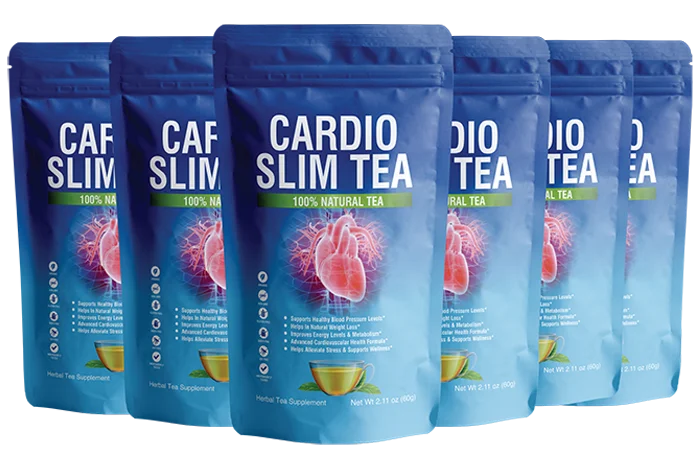
15 herbs, four pathways, one daily ritual — the full breakdown.
In This Article
- Quick Answer
- 1. Full Ingredient List
- 2. The Cardiovascular Core (Beetroot, Hibiscus, Hawthorn, TMG)
- 3. The Thermogenic Layer (Green Tea, Oolong, Ginger, Cinnamon)
- 4. Metabolic Flow + Antioxidants (Dandelion, Lemongrass, Grapeseed, Curcumin)
- 5. The Closing Layer (Ginseng, Chamomile, Monk Fruit, Lemon + Mint)
- How the 15 Herbs Work Together
- FAQs
What's Inside
Cardio Slim Tea is a 15-herb blend organized into four converging pathways: cardiovascular (Beetroot, Hibiscus, Hawthorn, TMG), thermogenic (Decaffeinated Green Tea, Oolong, Ginger, Cinnamon), metabolic flow + antioxidants (Dandelion, Lemongrass, Grapeseed Extract, Curcumin), and adaptogenic + closing (Ginseng, Chamomile, Monk Fruit, Natural Lemon + Mint). No proprietary blend hiding the ingredient list, no senna or stimulant laxatives, no caffeine spike. The decaffeinated green tea standardization means you can drink the 4 p.m. cup without affecting sleep.
THE CORE PROMISE
Every herb in this blend exists for one job: addressing the heart-and-waistline drift together rather than one side at a time. Most weight-loss teas pick one mechanism (usually EGCG); most heart supplements ignore weight loss entirely. Cardio Slim Tea runs four pathways in parallel — three cups daily, fully transparent formula, no senna laxatives. That’s the whole promise.
1. Full Ingredient List
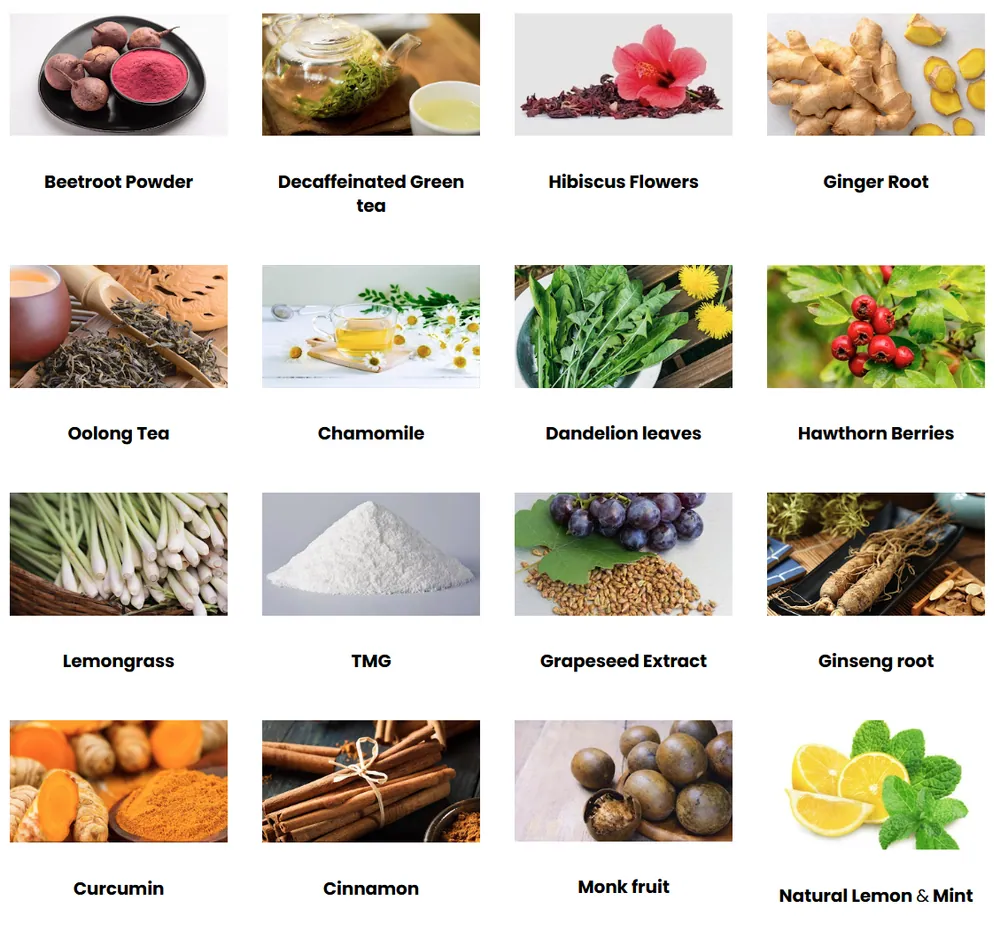
The full 15-herb formula, organized by pathway. Per-ingredient doses aren’t disclosed (the tea-bag format makes precision dosing impractical, so the formulator’s ratios are what you’re trusting), but every ingredient is listed openly — no proprietary blend mask.
| Ingredient | Pathway | Primary role |
|---|---|---|
| Beetroot Powder | Cardiovascular | Dietary nitrates → nitric oxide for vessel relaxation |
| Hibiscus Flowers | Cardiovascular | Blood pressure modulation (multiple RCTs) |
| Hawthorn Berries | Cardiovascular | Cardiac function + circulation support |
| TMG (Trimethylglycine) | Cardiovascular | Normal homocysteine metabolism via methylation |
| Decaffeinated Green Tea | Thermogenic | EGCG catechins for fat oxidation (no caffeine) |
| Oolong Tea | Thermogenic | Polymerized polyphenols, additional metabolic support |
| Ginger Root | Thermogenic | Gentle thermogenesis + digestive smooth muscle |
| Cinnamon | Thermogenic | Glucose handling + warming thermogenic |
| Dandelion Leaves | Metabolic flow | Liver function support + gentle water balance |
| Lemongrass | Metabolic flow | Liver + digestive support, mild diuretic action |
| Grapeseed Extract | Antioxidant | OPCs (oligomeric proanthocyanidins) — vascular antioxidant |
| Curcumin | Antioxidant | Reduces low-grade inflammation, adipose + vascular |
| Ginseng Root | Adaptogenic | Daily energy without stimulant load |
| Chamomile | Adaptogenic | Calming, supports the ritual side of the routine |
| Monk Fruit + Lemon + Mint | Flavor / closing | Natural sweetening + bright flavor, no added sugar |
2. The Cardiovascular Core (Beetroot, Hibiscus, Hawthorn, TMG)
This is the layer that makes Cardio Slim Tea different from every other slimming tea on the market. Four ingredients with documented cardiovascular activity work in parallel rather than competing.
Beetroot Powder. Beetroot is dense in dietary nitrates, which the body converts to nitric oxide — the molecule your body uses to signal blood vessels to relax. The cardiovascular research on beetroot juice (a more concentrated form) shows modest but consistent blood pressure reduction in pre-hypertensive and mildly hypertensive adults. The tea-bag dose is lower than concentrated beet juice, but the daily 3-4 cup compounding produces a steady cumulative nitrate intake.
Hibiscus Flowers. Multiple randomized controlled trials show hibiscus tea produces modest systolic and diastolic blood pressure reduction in adults with mildly elevated pressure. The mechanism involves both ACE-inhibitor-like activity and antioxidant effects on vascular endothelium. It’s one of the most evidence-backed cardiovascular herbs in the entire category.
Hawthorn Berries. Centuries of traditional use plus modern clinical evidence — Hawthorn supports cardiac function, particularly in adults with mild functional decline. The mechanism involves flavonoid-mediated improvement in coronary blood flow and modest positive inotropic effect. Note: Hawthorn can interact with digoxin and beta-blockers, so it’s one of the herbs that justifies the doctor conversation if you take prescription cardiac medication.
TMG (Trimethylglycine, also called Betaine). TMG is a methyl donor that supports normal homocysteine metabolism through the methylation cycle. Elevated homocysteine is an independent cardiovascular risk biomarker — TMG is the specific compound the formula’s cardiovascular claims center on. It’s less famous than the other three but pulls real weight in the blend.
3. The Thermogenic Layer (Green Tea, Oolong, Ginger, Cinnamon)
This is the weight-loss side of the formula — the herbs that nudge resting metabolic output modestly upward across the day. None of them are stimulants in the standard sense; the green tea is decaffeinated and the others raise metabolism through warming rather than CNS stimulation.
Decaffeinated Green Tea. Green tea’s active compound for fat metabolism is EGCG (epigallocatechin gallate), which is studied for supporting fat oxidation — the body’s ability to use stored fat as fuel. The decaffeinated standardization keeps the EGCG while removing the caffeine load, which matters for cardiovascular health (caffeine raises BP) and for being able to drink the 4 p.m. cup without disrupting sleep.
Oolong Tea. Polymerized polyphenols from oolong layer on top of EGCG, adding additional metabolic activity. Some research suggests oolong has a slightly different polyphenol profile than green tea, which is why both are in the blend rather than just one.
Ginger Root and Cinnamon. Both are warming thermogenics — they raise resting metabolic output modestly across hours, not in a spike. Cinnamon also has glucose-handling properties (improving insulin sensitivity around meals). Ginger calms digestive smooth muscle and supports the overall digestion side of the routine.
4. Metabolic Flow + Antioxidants (Dandelion, Lemongrass, Grapeseed, Curcumin)
Dandelion Leaves. Liver support and gentle water balance. The morning puffiness most users notice — and stop noticing — by week 3-4 traces partly to this herb. Dandelion has mild diuretic action without electrolyte disruption.
Lemongrass. Supports liver function and digestion, mild diuretic action. Works in synergy with dandelion.
Grapeseed Extract. OPCs (oligomeric proanthocyanidins) provide vascular antioxidant defense — the same compound family that makes red wine cardio-friendly. OPCs work on vascular endothelium to support healthy vessel function.
Curcumin. The active compound from turmeric. Reduces low-grade inflammation in adipose (fat) and vascular tissue. This matters because chronic low-grade inflammation is the background drag that makes everything else work harder — when curcumin reduces it, the cardiovascular and metabolic pathways operate with less friction.
5. The Closing Layer (Ginseng, Chamomile, Monk Fruit, Lemon + Mint)
Ginseng Root. Adaptogenic — provides daily energy without stimulant load. Some users report this is what they notice most clearly in the first 2-3 weeks before the cardiovascular signals kick in.
Chamomile. Calming. Adds the “ritual” side of the routine — the cup itself becomes a moment of pause. Particularly relevant for the evening cup.
Monk Fruit + Natural Lemon & Mint. The flavor layer. Monk fruit sweetens naturally without sugar or artificial sweeteners. Lemon and mint round out the flavor so that drinking 3-4 cups daily for 60-90 days remains pleasant rather than becoming a chore — which is precisely the compliance variable that decides outcomes.
How the 15 Herbs Work Together
Across 3-4 cups daily, the four pathways layer rather than compete. The cardiovascular core (Beetroot + Hibiscus + Hawthorn + TMG) supports vessel function and homocysteine metabolism in parallel. The thermogenic layer (Green Tea + Oolong + Ginger + Cinnamon) adds gentle metabolic activity across hours. The metabolic flow + antioxidant layer (Dandelion + Lemongrass + Grapeseed + Curcumin) handles liver detox, antioxidant defense, and inflammation control. The closing layer (Ginseng + Chamomile + Monk Fruit + Lemon + Mint) makes the routine sustainable enough to keep for 60-90 days.
That last piece — sustainability of the routine — is what most people underestimate in a supplement decision. Compliance is the variable that decides outcomes. The brewing ritual built into this format is designed to make daily compliance noticeably easier than swallowing a capsule, because steeping a cup is something the body actively asks for once the routine takes hold.
Pricing Options for Cardio Slim Tea
Cardio Slim Tea is available in three bundle options. The 2-box Sample is the minimum entry — that’s 60 days of supply, intentionally aligned with the early-signal evaluation window so a real test is possible from day one. Most users choose the 6-box bundle because the cardiovascular + metabolic system needs 60-90 days of consistent daily 3-cup use to register in blood pressure readings and waistline. The 6-box bundle locks in $49 per box, includes free US shipping plus 3 bonuses, and covers the full evaluation window.
Sample Package
2-Month Supply (2 Boxes)
- 60-Day Money-Back Guarantee
- Secure Checkout
Save $140 (45%)
Shop Now3 Boxes
3-Month Supply
- 60-Day Money-Back Guarantee
- Free US Shipping
- 3 FREE Bonuses
Save $240 (60%)
Shop Now6 Boxes
6-Month Supply
- 60-Day Money-Back Guarantee
- Free US Shipping
- 3 FREE Bonuses
Save $600 (70%)
Shop NowEvery order is backed by a 60-day money-back. Only available through the official website.
Frequently Asked Questions
Why aren’t per-ingredient doses listed on the Cardio Slim Tea label?
The tea-bag format makes per-herb precision dosing impractical — unlike a capsule where exact milligrams can be encapsulated, tea bags blend whole-herb material that disperses into hot water. The trade-off is real: you get a broader 15-herb stack than any capsule formula could fit, but you trust the formulator’s ratios rather than seeing exact milligrams. Every ingredient is listed openly (no proprietary blend hiding the formula), which is the more important transparency line.
Is the decaffeinated green tea still effective if the caffeine is removed?
Yes — the active compound for fat metabolism in green tea is EGCG (epigallocatechin gallate), not caffeine. Standard decaffeination preserves the polyphenols and catechins while removing caffeine. That’s why the decaffeinated standardization is actually an upgrade for this formula: you keep the metabolic activity and remove the cardiovascular stress that caffeine adds (raised BP, disrupted sleep, jitter cycles).
Any ingredient I should double-check with my doctor before drinking Cardio Slim Tea?
Three deserve a quick conversation if you take prescription medication: Hawthorn can interact with digoxin and beta-blockers; Beetroot, Hibiscus, and Hawthorn together can amplify the effect of BP medication (not dangerous for most but can produce additive BP-lowering); and Grapeseed Extract has mild antiplatelet activity worth flagging if you take blood thinners. The honest framing: this isn’t a tea that’s dangerous for healthy adults, but it’s active enough that interactions with prescription cardiac meds deserve a 2-minute physician check-in.
Continue your research
- Next: Cardio Slim Tea side effects + interactions — full safety profile including the cardiac medication interactions flagged above
- Then: Does Cardio Slim Tea really work? — the science behind each pathway + realistic timeline
- Compare: Ikaria Juice — different ingredient stack (polyphenol + 9-strain probiotic) in powder format
- Deep dive: Beetroot for blood pressure — the nitric oxide pathway research in plain English
Research & Transparency
This content is based on publicly available ingredient research, manufacturer disclosures, and product labeling. We are not affiliated with the manufacturer.
(a) Dietary nitrates from beetroot and cardiovascular function — endothelial nitric oxide and blood pressure outcomes. PMC4007340
(b) Hibiscus sabdariffa for the management of hypertension — randomized controlled trials review. PMC Hibiscus RCT
(c) Green tea catechins (EGCG) and body composition — meta-analysis of randomized controlled trials. PMC2855614
(d) Hawthorn (Crataegus) extracts for cardiovascular function — systematic review of clinical evidence. PubMed 19821352
(e) TMG (trimethylglycine, betaine) and homocysteine reduction — methylation cycle support and cardiovascular biomarkers. PMC1574345
About the Author
Emily Carter is a contributor at The Supplement Post covering brain and neuro health, blood sugar control, weight loss, and gut-focused formulas. She specializes in evidence-aware summaries of nootropic ingredients, metabolic supplements, and consumer-friendly explanations of how supplementation fits into broader cognitive and metabolic health strategies. Emily Carter is not a medical doctor — she analyzes publicly available research to provide evidence-aware summaries for adults exploring cognitive support, metabolic balance, and gut wellness options.
Disclosure
All content is for informational purposes only and is not a substitute for professional medical advice. Each product reviewed is a dietary supplement, not a prescription drug. Results may vary based on individual health status, consistency of use, and lifestyle. This page may contain affiliate links — if you purchase through them, we may earn a small commission at no additional cost to you. Read our Editorial Policy.