
Edited by Michael Anderson, Editor-in-Chief
Updated
Cardio Slim Tea Benefits: 5 Effects Users Actually Notice
The 5 most-reported effects of a daily 3-4 cup Cardio Slim Tea routine — what shifts first, what comes later, and what stays steady through 60-90 days of consistent use.
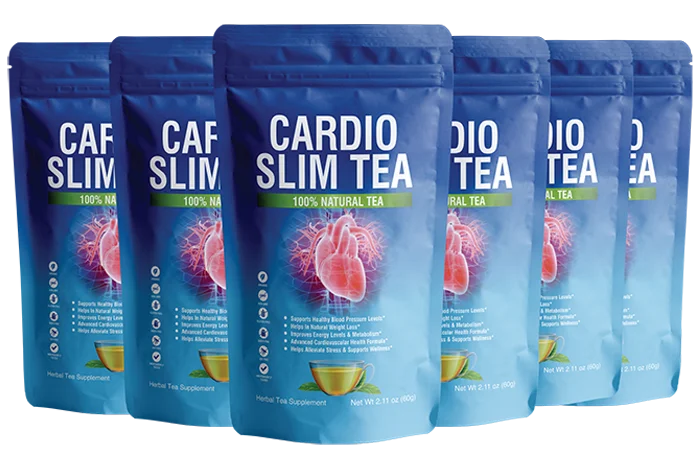
Three cups a day — the 5 effects users consistently report through weeks 4 to 12.
In This Article
Benefits in 30 Seconds
Cardio Slim Tea’s five most-reported effects are: (1) steadier blood pressure readings through weeks 4-8, (2) waistline change between weeks 8 and 12, (3) afternoon energy without the caffeine crash, (4) lighter digestion plus less morning puffiness, and (5) the daily brewing ritual itself, which produces a level of compliance most capsule stacks can’t match. Early signals (BP, energy, digestion) appear at week 4-6. Visible body-composition shift lands week 8-12. None of these require diet or exercise changes — but consistency across 3-4 cups daily is the variable that actually decides outcomes.
THE CORE PROMISE
If you’ve been watching the heart numbers AND the belt notch drift the wrong way at the same time, this is a tea built for both. Most weight-loss formulas skip cardiovascular entirely; most heart supplements skip weight loss. Cardio Slim Tea targets both with one 15-herb daily ritual — three cups, no caffeine spike, no senna laxatives. That’s the whole promise.
1. Steadier Blood Pressure + Calmer Mornings
This is the first signal most users report, often around week 4-6. The cardiovascular core of the formula — Beetroot, Hibiscus, Hawthorn, and TMG — runs four converging pathways. Beetroot delivers dietary nitrates that the body converts to nitric oxide for vascular relaxation. Hibiscus has multiple randomized trials showing modest blood pressure modulation in pre-hypertensive and mildly hypertensive adults. Hawthorn supports cardiac function through centuries of traditional cardiovascular use plus modern clinical evidence. TMG supports normal homocysteine metabolism — the cardiovascular biomarker the formula’s claims center on.
What users notice in practice: the morning BP reading that used to creep up year over year starts settling. Less of the pressure-in-the-temples feeling some mornings. The annual physical where your doctor stops circling the systolic number in red. This is not a substitute for prescription BP medication — if your readings are clinically elevated, this is daily support alongside what your physician prescribes, not a replacement. Always have that conversation.
2. Belt-Notch Movement (Week 8-12)
The waistline change lands later than the cardiovascular signals — typically week 8-12 of consistent daily use. This is the thermogenic + metabolic flow layer working: decaffeinated green tea EGCG catechins for fat oxidation without the caffeine load; oolong tea polymerized polyphenols stacking on the same pathway; ginger and cinnamon providing gentle thermogenic warming across hours; dandelion and lemongrass supporting liver function and water balance.
Realistic expectation: this is not a 10-pounds-in-2-weeks tea. Anyone selling that timeline is selling senna laxatives (water-weight illusion, not fat). What this tea produces is the metabolic shift that compounds over weeks — the kind of change that doesn’t come back the moment you stop. Users consistently report the belt notch moving by week 10-12, with clothes fitting differently before the scale registers fully.
3. Afternoon Energy Without the Crash
One of the most common feedback themes: the 3 p.m. energy crash stops hitting as hard. This is the formula’s least-talked-about benefit but one of the most practical. Because the green tea is decaffeinated, you’re not riding a caffeine spike-and-crash cycle. The EGCG and polyphenols support steady mitochondrial activity through the day. Ginseng root provides daily energy without stimulant load. Curcumin reduces the background inflammation that drags energy across hours.
The result is the kind of energy that doesn’t demand a 4 p.m. coffee just to function — a gentler, more sustained baseline instead of peaks and valleys. Users routinely say the same thing in feedback: “I stopped reaching for the afternoon coffee around week 5.”
4. Lighter Digestion + Less Puffiness
Beneath the cardiovascular and metabolic benefits sits a quieter one: digestion gets easier. Ginger and chamomile calm digestive smooth muscle. Dandelion leaves and lemongrass support liver function and gentle water balance. Cinnamon helps glucose handling around meals. The combined effect is less morning puffiness, less bloating after dinner, and the kind of subtle digestive comfort that most adults stop noticing they’ve been missing.
This isn’t a detox claim — the body detoxes itself. What the herbs do is support the systems already running. By week 3-4 most users notice the morning face puffiness has eased and the post-dinner heaviness is less pronounced.
5. The Daily Ritual That Sticks
The least-quantifiable benefit and arguably the most important: the brewing ritual itself produces compliance that capsule stacks can’t match. The act of steeping a cup — 5 minutes of warmth, the aroma, the small ceremony — becomes a daily marker. Chamomile and hawthorn lean toward calm, so the cup itself becomes a moment of pause in the day. Monk fruit, natural lemon, and mint make the taste pleasant enough that 3-4 cups daily doesn’t feel like medicine.
Compliance is the variable that actually decides whether any supplement works. Tea ritual compliance, in our observation, runs noticeably higher than 1-2 capsules with breakfast, because it’s a routine the body actively asks for rather than a pill swallowed reluctantly. That’s the quiet superpower of the format.
Realistic Timeline Summary
| Timeline | What users notice |
|---|---|
| Week 1-2 | Ritual takes hold — body adjusts to 3-4 cups daily, mild digestive change, occasional increased urination (the diuretic herbs working) |
| Week 3-4 | Morning puffiness eases, digestion lighter, afternoon energy crashes lessen, BP readings starting to settle |
| Week 5-8 | BP readings noticeably steadier, energy sustained through the day, clothes starting to fit differently before scale movement |
| Week 8-12 | Belt notch movement, body composition shift visible, the cardiovascular and metabolic baselines back online together |
| Month 3+ | Maintenance phase — benefits compound for users who stay consistent; cycling on/off resets the early-signal phase each time |

Pricing Options for Cardio Slim Tea
Cardio Slim Tea is available in three bundle options. The 2-box Sample is the minimum entry — that’s 60 days of supply, intentionally aligned with the early-signal evaluation window so a real test is possible from day one. Most users choose the 6-box bundle because the cardiovascular + metabolic system needs 60-90 days of consistent daily 3-cup use to register in blood pressure readings and waistline. The 6-box bundle locks in $49 per box, includes free US shipping plus 3 bonuses, and covers the full evaluation window.
Sample Package
2-Month Supply (2 Boxes)
- 60-Day Money-Back Guarantee
- Secure Checkout
Save $140 (45%)
Shop Now3 Boxes
3-Month Supply
- 60-Day Money-Back Guarantee
- Free US Shipping
- 3 FREE Bonuses
Save $240 (60%)
Shop Now6 Boxes
6-Month Supply
- 60-Day Money-Back Guarantee
- Free US Shipping
- 3 FREE Bonuses
Save $600 (70%)
Shop NowEvery order is backed by a 60-day money-back. Only available through the official website.
Frequently Asked Questions
Which Cardio Slim Tea benefit shows up first?
The cardiovascular signals (steadier morning BP readings, less afternoon energy crash) and the digestive ones (lighter mornings, less puffiness) typically appear first — usually weeks 3-6. Belt-notch movement and visible body composition shift land later, weeks 8-12. The order is consistent because the cardiovascular and digestive pathways respond faster than fat oxidation, which compounds over weeks.
Can I expect weight loss without changing my diet?
Some, yes — the thermogenic herbs raise resting metabolic output modestly across hours, which alone can produce a small caloric shift over weeks. But honest framing: this is not a tea that overrides 2,000-calorie surplus eating. It works best as a metabolic + cardiovascular layer on top of reasonable nutrition. Users who pair it with even minor dietary awareness see the strongest results.
How important is drinking all 3-4 cups daily for the benefits?
Very. Compliance is the variable that decides outcomes. The cardiovascular and metabolic pathways are designed to compound across hours, not in a single dose. Three cups daily is the floor; four is the target. Hitting 1-2 cups most days will produce partial results at best — and the early signals (BP, digestion, energy) may not register clearly. The brewing ritual is built to make daily compliance easier than capsule routines, but the routine still has to happen.
Continue your research
- Next: What’s actually inside Cardio Slim Tea — full 15-herb formula breakdown with the role of each ingredient
- Then: Does Cardio Slim Tea really work? — the science behind the 5 effects + realistic timeline
- Compare: Ikaria Juice — powder format for metabolism + gut microbiome (different format, overlapping audience)
- Deep dive: Best weight-loss supplements for 2026 — how Cardio Slim Tea fits the broader category
Research & Transparency
This content is based on publicly available ingredient research, manufacturer disclosures, and product labeling. We are not affiliated with the manufacturer.
(a) Dietary nitrates from beetroot and cardiovascular function — endothelial nitric oxide and blood pressure outcomes. PMC4007340
(b) Hibiscus sabdariffa for the management of hypertension — randomized controlled trials review. PMC Hibiscus RCT
(c) Green tea catechins (EGCG) and body composition — meta-analysis of randomized controlled trials. PMC2855614
(d) Hawthorn (Crataegus) extracts for cardiovascular function — systematic review of clinical evidence. PubMed 19821352
(e) TMG (trimethylglycine, betaine) and homocysteine reduction — methylation cycle support and cardiovascular biomarkers. PMC1574345
About the Author
Emily Carter is a contributor at The Supplement Post covering brain and neuro health, blood sugar control, weight loss, and gut-focused formulas. She specializes in evidence-aware summaries of nootropic ingredients, metabolic supplements, and consumer-friendly explanations of how supplementation fits into broader cognitive and metabolic health strategies. Emily Carter is not a medical doctor — she analyzes publicly available research to provide evidence-aware summaries for adults exploring cognitive support, metabolic balance, and gut wellness options.
Disclosure
All content is for informational purposes only and is not a substitute for professional medical advice. Each product reviewed is a dietary supplement, not a prescription drug. Results may vary based on individual health status, consistency of use, and lifestyle. This page may contain affiliate links — if you purchase through them, we may earn a small commission at no additional cost to you. Read our Editorial Policy.