
Gut Bacteria and Weight Gain: How Your Microbiome Quietly Decides What You Store
Two people can eat the exact same meal and store different amounts of fat from it. One reason: the trillions of bacteria in their guts handle that food differently. Your microbiome quietly influences calorie extraction, inflammation, and the appetite hormones that decide what you store. Here's how the link works.

How the gut microbiome influences calorie extraction, inflammation, and the hormones that decide what you store.
In this guide:
For decades, weight was framed as pure arithmetic: calories in, calories out. Then the microbiome research arrived and complicated the math. It turns out the "calories in" part isn't fixed — the bacteria in your gut influence how many of those calories you actually absorb, how much inflammation you carry, and how your appetite hormones fire.
This doesn't mean calories don't matter. It means the gut microbiome is a real variable in the equation — one that can be the difference between weight that responds to your efforts and weight that stubbornly doesn't.
The Gut–Weight Link (What the Research Shows)
The honest version, in 40 seconds
Your gut microbiome affects weight through three mechanisms: calorie extraction (some bacterial profiles harvest more energy from the same food), inflammation (certain bacteria drive the low-grade inflammation behind insulin resistance), and appetite hormone signaling (Akkermansia and others stimulate GLP-1). Obese and lean people have consistently different microbiome compositions — and shifting toward the leaner profile (via targeted probiotics) produces modest, real weight effects.
The landmark findings: researchers at Washington University showed that transplanting gut bacteria from obese mice into germ-free lean mice caused the lean mice to gain more fat — on the identical diet. The bacteria, not the food, drove the difference. Subsequent human research found that obese and lean individuals consistently harbor different microbiome compositions, with obesity associated with lower bacterial diversity and specific strain imbalances.
Stanford and King's College studies have since mapped which bacterial patterns correlate with leaner metabolic profiles — and the picture is consistent enough that gut-targeted weight interventions have moved from fringe to mainstream.
The 3 Ways Gut Bacteria Affect Weight
1. Calorie extraction. Different bacterial profiles are more or less efficient at harvesting energy from food. Some bacteria break down otherwise-indigestible fibers into absorbable calories; a microbiome skewed toward these "efficient harvesters" effectively extracts more calories from the identical meal. Two people, same plate, different absorbed energy.
2. Inflammation and insulin resistance. Certain bacteria (and a "leaky" gut barrier) allow inflammatory compounds (endotoxins) to enter the bloodstream, driving chronic low-grade inflammation. This inflammation impairs insulin sensitivity — and insulin resistance is a primary driver of fat storage, especially visceral fat. A healthy microbiome (rich in barrier-supporting strains like Akkermansia) keeps this in check.
3. Appetite hormone signaling. Gut bacteria directly influence the hormones that regulate hunger and fullness. Akkermansia muciniphila stimulates GLP-1 release (the fullness hormone). Other bacteria produce short-chain fatty acids that signal satiety. A depleted microbiome means weaker satiety signaling — more hunger, more eating, more storage.
Which Strains Matter (and Which You're Missing)
Not all bacteria are equal for weight. The strains with the most weight-specific research:
- Lactobacillus gasseri. The Kadooka 2013 trial (210 adults) showed measurable abdominal fat reduction at 10 billion CFU daily. One of the most direct weight-loss strains.
- Lactobacillus rhamnosus. A Laval University trial showed weight loss particularly in women over 24 weeks.
- Akkermansia muciniphila (nicknamed "akka"). Strengthens the gut barrier and stimulates GLP-1 release. People with obesity have markedly less of it. See our explainer on what akka actually is.
- Bifidobacterium strains. Associated with leaner profiles and reduced inflammation.
The problem: modern life depletes exactly these strains. Antibiotic use, low-fiber diets, processed food, chronic stress, and aging all reduce the beneficial populations. Most people with stubborn weight are running low on the strains that would help — which is the gap targeted probiotics aim to fill.
Signs Your Gut Is Part of Your Weight Problem
- Persistent bloating or irregular digestion
- Intense sugar/carb cravings — some bacteria literally "demand" the food they thrive on by influencing your cravings
- Weight that resists reasonable diet — the clearest signal something beyond calories is at play
- History of antibiotic use — repeated courses deplete beneficial strains and can take months to rebuild
- Chronic low-grade inflammation — joint aches, skin issues, feeling "puffy"
- Mood and energy swings — the gut-brain axis affects both
The Three Ways Your Gut Moves the Scale
Not one mechanism but three, and they respond to different things:
The Kadooka trial, in 210 adults, measured abdominal fat reduction at 10 billion CFU of L. gasseri daily — one of the few strains with a weight-specific result.
How to Shift the Balance
The microbiome is dynamic — it responds to what you feed it and what you introduce:
Feed the good bacteria. Fiber (vegetables, legumes, whole grains) and prebiotics (inulin, resistant starch) feed beneficial strains. Fermented foods (yogurt, kefir, sauerkraut, kimchi) introduce live cultures.
Re-introduce the weight-relevant strains. This is where targeted probiotics earn their place — supplements with the specific strains studied for weight (L. Gasseri, L. Rhamnosus, Akkermansia) at adequate doses with delivery technology that gets them past stomach acid:
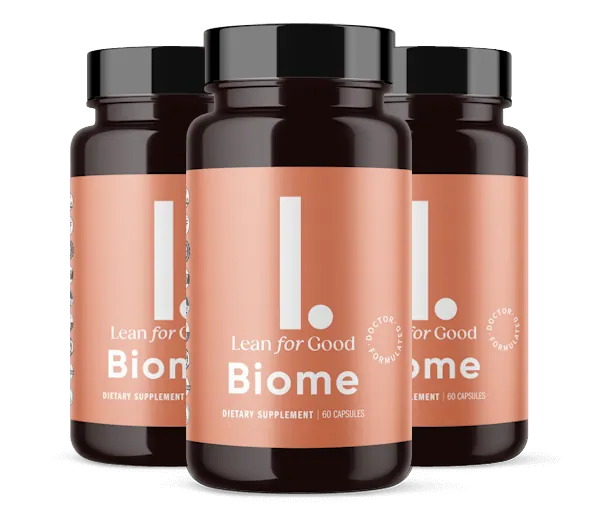
LeanBiome
Best multi-strain probiotic for belly fatA 9-strain probiotic capsule anchored by L. Gasseri + L. Rhamnosus — for people whose belly fat won't move and suspect the gut microbiome is part of the story.
- 8,500+ verified buyers
- 180-day money-back guarantee
Current pricing and bundle options are shown on the official site.
If you'd prefer a powder format that pairs probiotics with metabolic polyphenols in a morning ritual, the powder route works:
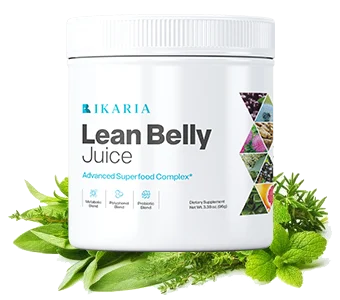
Ikaria Juice
Best polyphenol + 9-strain probiotic powderA morning polyphenol + 9-strain probiotic powder — for people tired of one-more-capsule-bottle who want a 30-second ritual that actually works.
Check the Latest Price →For the full breakdown of weight-loss probiotic strains and which product nails the studied doses, see our guide to the best probiotic for weight loss.
FAQs
Can gut bacteria really cause weight gain?
Yes — research over the last 15 years has established a clear link. Your gut microbiome affects how many calories you extract from food, how much inflammation you carry (which drives insulin resistance), and how appetite hormones like GLP-1 are signaled. Famous studies showed that transplanting gut bacteria from obese mice into lean mice caused the lean mice to gain weight on the same diet. In humans, obese and lean individuals consistently show different microbiome compositions.
Which gut bacteria help with weight loss?
The strains with the most weight-loss research: Lactobacillus gasseri (the Kadooka trial showed abdominal fat reduction), Lactobacillus rhamnosus (weight loss in women), and Akkermansia muciniphila (triggers GLP-1 release, improves insulin sensitivity). People with obesity typically have lower levels of these beneficial strains. Re-introducing them through targeted probiotics can shift the microbiome toward a leaner metabolic profile over 8–12 weeks.
How do I know if my gut bacteria are causing weight gain?
Signs of a microbiome contribution to weight: persistent bloating, irregular digestion, sugar and carb cravings (some bacteria 'demand' the food they thrive on), weight that's hard to lose despite reasonable diet, a history of antibiotic use (which depletes beneficial bacteria), and chronic low-grade inflammation. If several of these apply, the gut is likely part of your weight picture — and addressing it can unlock progress that diet alone couldn't.
Do probiotics actually help you lose weight?
Specific strains do, with realistic expectations. Generic 'daily gut health' probiotics with random strains produce minimal weight effect. But targeted strains studied for weight (L. Gasseri, L. Rhamnosus, Akkermansia) at adequate doses show modest, real results — typically 4–8% body weight or measurable abdominal fat reduction over 8–12 weeks. They work by shifting calorie extraction, reducing inflammation, and supporting appetite hormone signaling — not by directly 'burning' fat.
How long does it take to change your gut microbiome?
Initial shifts begin within days of dietary changes, but establishing a stable new bacterial population takes 4–6 weeks of consistent intervention. Visible metabolic effects (weight, waist) typically show up at 8–12 weeks. The microbiome is dynamic — it responds to what you feed it (fiber, fermented foods, prebiotics) and what you introduce (targeted probiotics). Antibiotic history can slow the process, requiring longer to rebuild depleted strains.
Final Thoughts
The gut–weight link is one of the most important shifts in how we understand body weight. Your microbiome influences how many calories you absorb, how much inflammation you carry, and how your appetite hormones signal. Two people eating identically can store fat differently because their bacteria handle the food differently.
If your weight has resisted reasonable diet — especially with bloating, cravings, or a history of antibiotics — the gut is likely part of your picture. Feed the beneficial strains with fiber and fermented foods, and re-introduce the weight-relevant strains (L. Gasseri, L. Rhamnosus, Akkermansia) through targeted probiotics. Give it 8–12 weeks. The microbiome shift addresses a layer that diet alone simply can't reach.
The next step from here is the best probiotics for weight loss and the L. gasseri and L. rhamnosus strains.
Recommended Products
Reviewed by: The Supplement Post Editorial Team, Editorial Review — Last updated:
About Luciano Cesar
Luciano Cesar is a contributor at The Supplement Post, supporting the production of evidence-aware supplement reviews and buyer's guides across multiple health categories. His work spans ingredient analysis, formulation assessment and consumer-oriented summaries — what a label discloses, how the stated doses compare with the amounts used in published human research, and whether a formula's design matches what it claims to do. Every review is checked by The Supplement Post editorial team against the standards published in our editorial policy before it goes live.
Disclosure
All content on The Supplement Post is for informational purposes only and is not a substitute for professional medical advice, diagnosis, or treatment. Each product is a dietary supplement, not a prescription drug; statements about its benefits have not been evaluated by the U.S. Food and Drug Administration (FDA) and the product is not intended to diagnose, treat, cure, or prevent any disease.
Results may vary based on individual health status, consistency of use, and lifestyle. If you are pregnant or nursing, taking medication, or have a medical condition, consult a qualified healthcare professional before using any supplement.
This page may contain affiliate links—if you purchase through them, The Supplement Post may earn a small commission at no additional cost to you. References to third-party sites are provided for convenience; we do not control or guarantee their content.