
Akkermansia for Weight Loss: What 'Akka' Actually Is, and Which Supplements Deliver It
"Akka" exploded onto weight-loss TikTok in 2025 and the search trend tells the story: 2,350% increase in 2026. The nickname stuck because Akkermansia muciniphila is hard to spell and the people researching it wanted shorthand. But behind the viral name is real biology — and a category that's quietly competing with Ozempic for the same outcomes through completely different means.
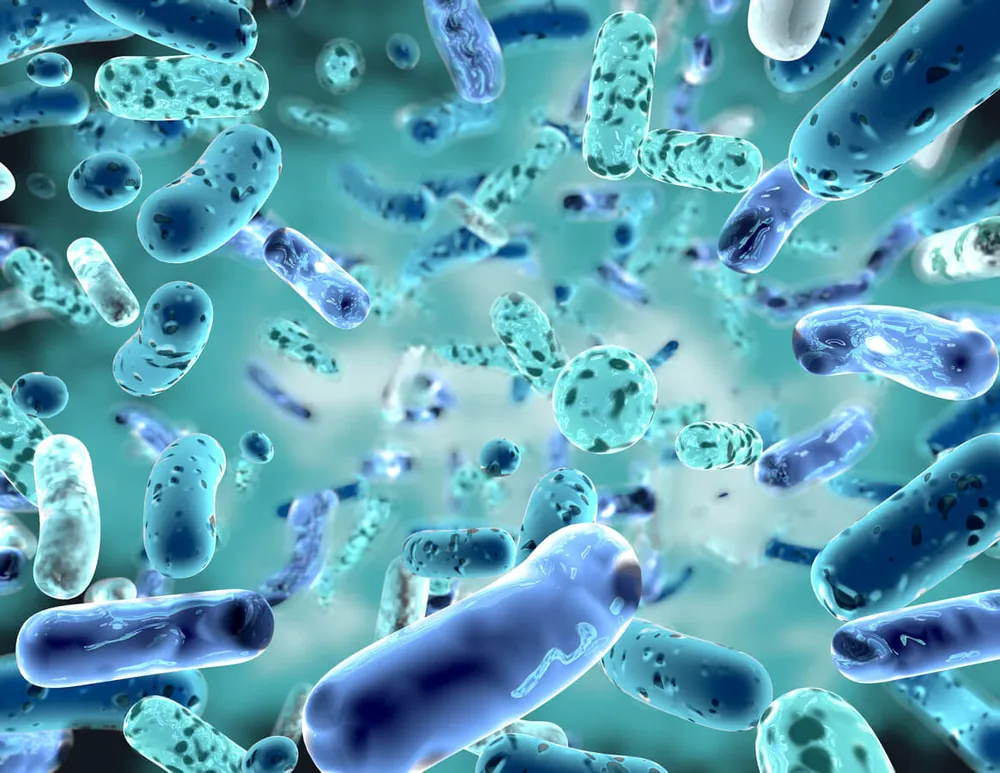
The bacteria, the P9 protein, the GLP-1 connection — and why "akka" became the natural-weight-loss term to know.
In this guide:
Six months ago, "Akkermansia muciniphila" was a niche term that gut-health researchers used and nobody else recognized. Then someone on TikTok shortened it to "akka", and the word caught fire. By May 2026, searches for "akka supplement" were up 2,350% and "what is akka" was up 1,700% — most of it from people trying to figure out whether the viral nickname was something they should actually be paying attention to.
Here's the short version: yes, it's real biology, no, it's not magic, and the supplement category around it is actually one of the more interesting natural alternatives to Ozempic that's emerged in years. This guide is the honest explainer.
What "Akka" Actually Is (and Why the Nickname Stuck)
The honest version, in 40 seconds
Akka = Akkermansia muciniphila, a bacteria that lives in the mucus layer of the human colon. It produces a protein called P9 that stimulates the L-cells in your gut to release GLP-1 — the same hormone Ozempic mimics with a drug. The nickname caught on because Akkermansia muciniphila is a mouthful and the people researching natural weight loss needed shorthand. The biology behind it is documented across multiple human trials from Université de Louvain (Cani lab).
Akkermansia muciniphila is one of the most-studied bacteria in human gut microbiome research over the past decade. It makes up 1–4% of the healthy adult gut microbiome, lives specifically in the mucus layer of the colon (where most bacteria can't survive), and has been identified as one of the most metabolically important bacterial species in humans.
The interest exploded once researchers identified what Akkermansia actually does metabolically: it produces a specific protein called P9 (Amuc_1100, technical name) that directly stimulates enteroendocrine L-cells in the gut to release GLP-1. That finding came primarily from the Cani lab at Université de Louvain in Belgium and has been replicated in multiple subsequent studies.
The nickname "akka" started showing up in supplement TikTok in mid-2025. By late 2025 it was the default term in the natural-weight-loss community. By 2026 it had crossed into broader supplement conversation and search interest was climbing exponentially.
The Science Behind Akka and GLP-1
Here's the cascade that turned Akkermansia from a research curiosity into a natural weight-loss target:
Step 1: Akkermansia colonizes the mucus layer of your colon. Healthy gut microbiomes have plenty; obese and diabetic gut microbiomes typically have much less.
Step 2: Akkermansia produces the P9 protein (Amuc_1100) as part of its normal metabolism. This protein crosses the mucus layer and contacts the intestinal epithelium.
Step 3: P9 binds to receptors on L-cells — the specific gut cells that produce GLP-1. This binding triggers L-cells to release more GLP-1 than they would naturally.
Step 4: GLP-1 travels through the bloodstream and binds to GLP-1 receptors throughout the body — particularly in the brain (suppressing appetite), pancreas (improving insulin sensitivity), and stomach (slowing gastric emptying mildly).
Net effect: the same GLP-1 cascade that Ozempic activates with a synthetic drug, except produced by your own body in response to a bacterial signal. Gentler magnitude, slower onset, but mechanistically the same downstream pathway.
Why Akka Went Viral in 2025–2026
Four things converged to drive the trend:
1. Post-Ozempic backlash. As long-term Ozempic users started experiencing side effects (Ozempic face, teeth, arms, breath, rebound), people started actively searching for alternatives that worked on the same biology without the cascade. Akka emerged as "the natural version."
2. TikTok-friendly nickname. "Akkermansia muciniphila" is technical and hard to spell. "Akka" is short, memorable, and easy to say in a 30-second video. The nickname accelerated the adoption of an existing scientific concept.
3. Pendulum's marketing push. The dominant brand (Pendulum) launched a product specifically named "Pendulum GLP-1 Probiotic" in 2024, then ran aggressive marketing that connected Akkermansia explicitly to the Ozempic conversation. That validated the category and brought it mainstream.
4. Real research base. Unlike many supplement trends, Akkermansia has solid science. The Cani lab papers are peer-reviewed, the mechanism is characterized, and the effect — while modest — is real. This made it more defensible than typical TikTok supplement hype.
What Akka Actually Does for Weight Loss
Realistic expectations matter here. Akka is NOT a one-to-one replacement for Ozempic. What it does, based on the published evidence:
- Stimulates natural GLP-1 production. Through the P9 → L-cell pathway. The magnitude is much lower than what Ozempic delivers, but the mechanism is genuine.
- Improves insulin sensitivity. Documented in multiple trials, particularly in pre-diabetic and metabolic syndrome populations.
- Modest weight loss (4–8% over 6 months). Not the 15–22% Ozempic and Zepbound produce, but real and replicable.
- Reduces inflammation markers. Akkermansia strengthens the gut barrier, reducing endotoxin leak that drives chronic low-grade inflammation.
- Improves satiety signaling. Through the GLP-1 cascade — softer post-meal hunger, smaller portions over time.
Timeline: most users notice the first changes (softer cravings, steadier energy) around weeks 2–4. Visible body composition changes land in weeks 8–12. The maintenance phase is where the compound effect builds — and unlike Ozempic, you can stay on it long-term without rebound concerns.
Live vs Pasteurized — Which One Works?
Counterintuitive answer: pasteurized Akkermansia often performs as well or better than live Akkermansia in clinical trials. The Cani lab found this specifically.
Why: the active components — P9 protein and Akkermansia's outer-membrane proteins — are preserved through pasteurization. Meanwhile, pasteurized bacteria are more stable in supplements (don't die during storage), easier to dose consistently, and delivered reliably to the colon (live bacteria face stomach acid and may not survive).
Both forms are sold. Quality products specify which form they use. Avoid products that just say "Akkermansia" without specifying live vs pasteurized — that's a signal of low-quality manufacturing.
How to Buy a Quality Akka Supplement
Five filters separate real Akka supplements from gimmicks:
- 1. Akkermansia muciniphila named explicitly. Not "proprietary probiotic blend with akka." Full bacterial name on the label.
- 2. Dose form specified. Live (with CFU count) or pasteurized (with quantity). Both work; transparency matters.
- 3. Stability technology. Akkermansia is fragile. Quality supplements use specialized capsule delivery (delayed-release) or stable pasteurized forms.
- 4. Realistic claims. 4–8% body weight loss over 6 months. Anything promising Ozempic-level magnitude is lying.
- 5. 60+ day guarantee. Colonization takes 4–6 weeks; visible effects 8–12 weeks. 30-day guarantee is too short for a fair test.
The Picks That Earn the Recommendation
For the natural-GLP-1-via-akka angle specifically, the product most directly built on the mechanism is SlimLeaf. It centers on Akkermansia muciniphila and the P9 protein — the exact bacterial-to-hormone pathway the Cani lab characterized. Positioned explicitly as a natural Ozempic alternative.
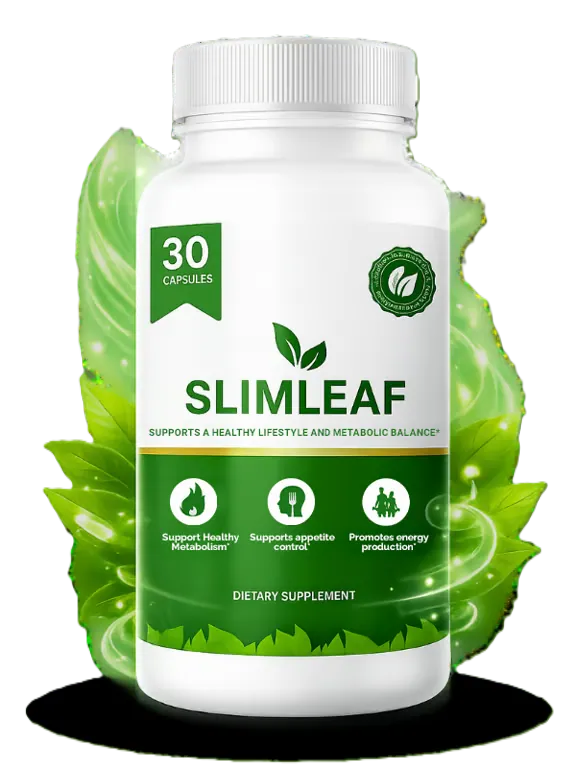
SlimLeaf
Best for actually getting Akkermansia to coloniseThe one live formula carrying Akkermansia muciniphila — paired with chicory inulin and resistant starch, which is what decides whether a fragile strain survives the trip.
- 3,500+ verified buyers
- 60-day money-back guarantee
Current pricing and bundle options are shown on the official site.
If you'd rather get Akkermansia within a broader multi-strain probiotic context — L. Gasseri and L. Rhamnosus alongside the Akkermansia signal — the wider probiotic route has its own evidence base:
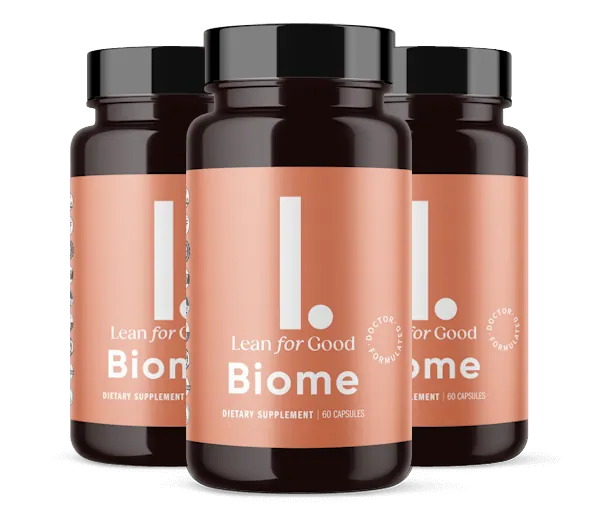
LeanBiome
Best multi-strain probiotic for belly fatA 9-strain probiotic capsule anchored by L. Gasseri + L. Rhamnosus — for people whose belly fat won't move and suspect the gut microbiome is part of the story.
Check the Latest Price →And if you prefer the powder format for daily ritual — Akkermansia plus polyphenols in a morning drink — the polyphenol-probiotic powder is your option:
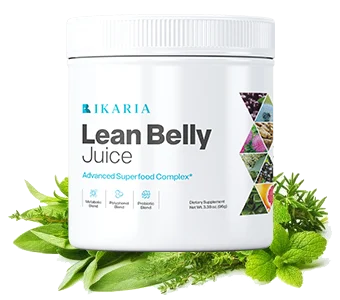
Ikaria Juice
Best polyphenol + 9-strain probiotic powderA morning polyphenol + 9-strain probiotic powder — for people tired of one-more-capsule-bottle who want a 30-second ritual that actually works.
Check the Latest Price →FAQs
What is akka?
'Akka' is the viral shorthand for Akkermansia muciniphila — a specific bacteria found in the human gut that's become the center of one of the most interesting conversations in natural weight loss. Research from the Cani lab at Université de Louvain showed that Akkermansia produces a protein called P9, which stimulates the L-cells in your gut to release GLP-1 — the same hormone that Ozempic mimics pharmaceutically. The 'akka' nickname caught fire on TikTok in late 2025 and search interest exploded 2,350% in 2026.
Is akka the same as Ozempic?
No — but it works on the same biological system. Ozempic (semaglutide) directly activates GLP-1 receptors with pharmaceutical force. Akka (Akkermansia muciniphila) stimulates your body's own L-cells to release GLP-1 naturally. The effect is gentler — natural alternatives deliver 4–8% body weight loss over 6 months vs Ozempic's 15% — but no prescription, no injection, no rebound when you stop, and dramatically lower cost.
Does akka actually work for weight loss?
Yes, with realistic expectations. Multiple human trials at Université de Louvain (Cani lab) have shown that Akkermansia supplementation produces measurable improvements in insulin sensitivity, modest weight loss (typically 4–8% over 6 months), and reductions in metabolic syndrome markers. People with obesity tend to have significantly lower Akkermansia levels naturally, and re-introducing the strain produces a real metabolic shift over 8–12 weeks. It's not magic, but it's evidence-based.
How much akka should I take?
Studies typically use 10 billion CFU equivalents per day of live Akkermansia, or the pasteurized form at similar dosing. Quality products like SlimLeaf specify the dose form clearly. Avoid products that just list 'Akkermansia' or 'probiotic blend with akka' without specifying the CFU count or whether it's the live or pasteurized form — that's a red flag for sub-clinical dosing.
Live akka vs pasteurized — which is better?
Interestingly, the Cani lab trials found that PASTEURIZED Akkermansia produced equivalent or sometimes better metabolic effects than live Akkermansia. The bacteria's cell wall fragments and P9 protein appear to be the active components, and pasteurization actually preserves these while making the product more stable. Both forms have published research; the right one depends on the specific product formulation.
Where can I buy akka supplements?
Akka is sold as Akkermansia muciniphila supplements by several manufacturers. The dominant brand is Pendulum (Pendulum GLP-1 Probiotic). Other options include SlimLeaf (Akkermansia + P9 specifically, positioned as natural Ozempic alternative), and broader multi-strain probiotics like LeanBiome that include Akkermansia within a 9-strain formula. Pricing varies dramatically: niche akka-only products run $60+/month; broader formulas with akka included run $30–50/month.
Final Thoughts
Akka isn't just a TikTok trend. It's a viral nickname for a real biological mechanism that was studied for years before the supplement world caught up. Akkermansia muciniphila genuinely produces P9, which genuinely stimulates GLP-1 release, which genuinely produces modest but real weight loss over 8–12 weeks of consistent use.
The magnitude is gentler than Ozempic — 4–8% body weight loss vs 15–22%. But for people without a clinical indication for prescription GLP-1, the trade-off often works: lower cost, no prescription, no side-effect cascade, no rebound, and a path that supports your own biology rather than substituting for it.
SlimLeaf for the akka-centered approach. LeanBiome for broader multi-strain coverage including akka. Ikaria Juice for the powder ritual. Pick the format your routine sustains, give it 8–12 weeks, and let the slow biology do its work. The viral name is real; the trend is justified.
The practical next read is the best Akkermansia supplements.
Recommended Products
Reviewed by: The Supplement Post Editorial Team, Editorial Review — Last updated:
About Luciano Cesar
Luciano Cesar is a contributor at The Supplement Post, supporting the production of evidence-aware supplement reviews and buyer's guides across multiple health categories. His work spans ingredient analysis, formulation assessment and consumer-oriented summaries — what a label discloses, how the stated doses compare with the amounts used in published human research, and whether a formula's design matches what it claims to do. Every review is checked by The Supplement Post editorial team against the standards published in our editorial policy before it goes live.
Disclosure
All content on The Supplement Post is for informational purposes only and is not a substitute for professional medical advice, diagnosis, or treatment. Each product is a dietary supplement, not a prescription drug; statements about its benefits have not been evaluated by the U.S. Food and Drug Administration (FDA) and the product is not intended to diagnose, treat, cure, or prevent any disease.
Results may vary based on individual health status, consistency of use, and lifestyle. If you are pregnant or nursing, taking medication, or have a medical condition, consult a qualified healthcare professional before using any supplement.
This page may contain affiliate links—if you purchase through them, The Supplement Post may earn a small commission at no additional cost to you. References to third-party sites are provided for convenience; we do not control or guarantee their content.