
The Best Probiotic for Weight Loss in 2026: Which Strains Actually Move Belly Fat
Not all probiotics affect weight. Most don't. But the handful of strains with real human trials — L. Gasseri, L. Rhamnosus, Akkermansia muciniphila — actually move belly fat and metabolic markers in measurable ways. Here's the cleanest probiotic for that job, the alternates, and what to expect.

The strains that work, the doses that matter, and the formulas that deliver them.
In this guide:
- Which Probiotic Strains Actually Affect Weight
- How Gut Bacteria Influence Belly Fat
- What Separates a Real Weight-Loss Probiotic from a Generic One
- The Pick That Earns Its Place
- Two Alternates Depending on Your Format
- Capsule vs Powder vs Akkermansia-Specific
- What the First 12 Weeks Actually Look Like
- FAQs
- Final Thoughts
The probiotic aisle is a confusing place if you're shopping for weight loss specifically. "Daily gut health" probiotics aren't the same product as a probiotic with documented weight effects. The strains, the doses, and the delivery technology all matter — and most generic blends botch at least one of the three.
This guide separates the strains with real human trials from the rest. Three formulas in particular use those strains at the studied doses with delivery technology that actually gets the bacteria past stomach acid. Here's the honest read.
Which Probiotic Strains Actually Affect Weight
Three strains have the most direct human research for weight outcomes. Lactobacillus gasseri — the Kadooka 2013 trial in 210 Japanese adults showed 4.6% abdominal fat reduction over 12 weeks at 10 billion CFU daily. Lactobacillus rhamnosus — a Laval University trial in women showed meaningful weight loss at 5 billion CFU over 24 weeks. Akkermansia muciniphila — the Université de Louvain trials by the Cani lab show metabolic improvements through GLP-1 stimulation (the P9 protein pathway).
Strains beyond those three have thinner data. Generic "weight loss probiotic" formulas with strains like L. acidophilus or B. lactis produce digestive benefits but minimal measurable weight effect on their own.
How Gut Bacteria Influence Belly Fat
The honest version, in 40 seconds
Gut bacteria affect weight through three mechanisms. Calorie extraction — some bacterial profiles extract more calories from the same food. Inflammation signaling — certain strains reduce the low-grade gut inflammation that drives insulin resistance. Hormone signaling — Akkermansia and related bacteria stimulate GLP-1 release, calming appetite. The strains with weight research target one or more of these pathways.
L. Gasseri appears to reduce calorie extraction and modulate the inflammatory profile of the gut lining. The Kadooka trial measured abdominal fat with CT scans — a more rigorous endpoint than scale weight — and saw visible visceral fat reduction.
L. Rhamnosus in the Laval trial appears to support weight loss particularly in women, possibly through hormonal interaction with the gut-brain axis. The mechanism is less precisely characterized than L. Gasseri but the outcome is documented.
Akkermansia muciniphila works through a different route — producing the P9 protein that stimulates L-cells in the gut to release GLP-1, the same hormone Ozempic mimics. The effect is milder than the prescription drug but produced naturally by the body's own bacteria.
What Separates a Real Weight-Loss Probiotic from a Generic One
- 1. Named strains with weight research. L. Gasseri, L. Rhamnosus, Akkermansia — not "proprietary probiotic blend."
- 2. Adequate CFU at the studied dose. 10 billion for L. Gasseri, 5 billion for L. Rhamnosus, lower (but specific) for Akkermansia.
- 3. Delivery technology that survives stomach acid. DRcaps, enteric coating, or similar gut-targeted release.
- 4. Realistic timeline. 8–12 weeks for visible effects, not 7 days.
- 5. Guarantee covering colonization. 60 days minimum; 180 ideal.
The Pick That Earns Its Place
Of the weight-loss probiotics in the category, one combines all five filters in a single formula. LeanBiome is a 9-strain capsule anchored by L. Gasseri at 10 billion CFU (the Kadooka trial dose) and L. Rhamnosus at 5 billion CFU (the Laval trial dose), with 7 additional strains in a supporting proprietary blend, plus Inulin as a prebiotic substrate and Greenselect Phytosome (the absorption-engineered green tea extract studied for weight loss at 300 mg).
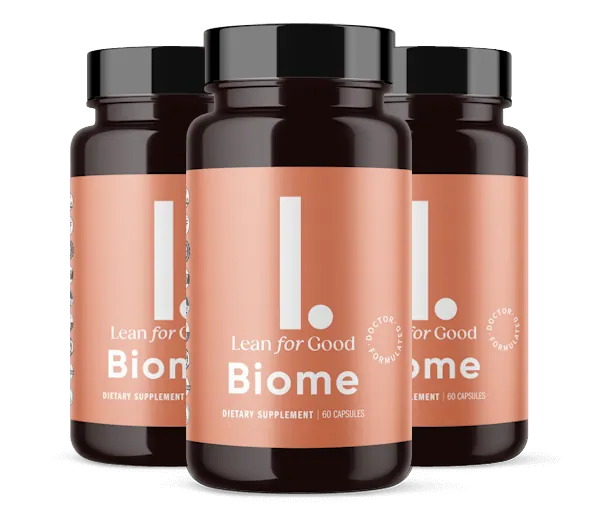
LeanBiome
Best multi-strain probiotic for belly fatA 9-strain probiotic capsule anchored by L. Gasseri + L. Rhamnosus — for people whose belly fat won't move and suspect the gut microbiome is part of the story.
- 8,500+ verified buyers
- 180-day money-back guarantee
Current pricing and bundle options are shown on the official site.
DRcaps delayed-release delivery means the strains survive stomach acid and reach the colon alive — the difference between a working probiotic and a $30 placebo. 180-day Empty Bottle guarantee gives you the full 12-week evaluation plus three months of maintenance testing.
Two Alternates Depending on Your Format
If you'd rather start the day with a morning powder ritual than swallow capsules — and want the probiotic effect layered into a broader polyphenol formula — the powder route is yours:
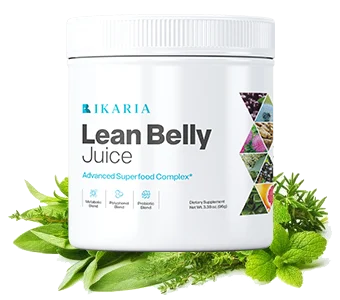
Ikaria Juice
Best polyphenol + 9-strain probiotic powderA morning polyphenol + 9-strain probiotic powder — for people tired of one-more-capsule-bottle who want a 30-second ritual that actually works.
Check the Latest Price →And if your interest is specifically Akkermansia muciniphila — the GLP-1-triggering bacteria — the direct-mechanism route exists:
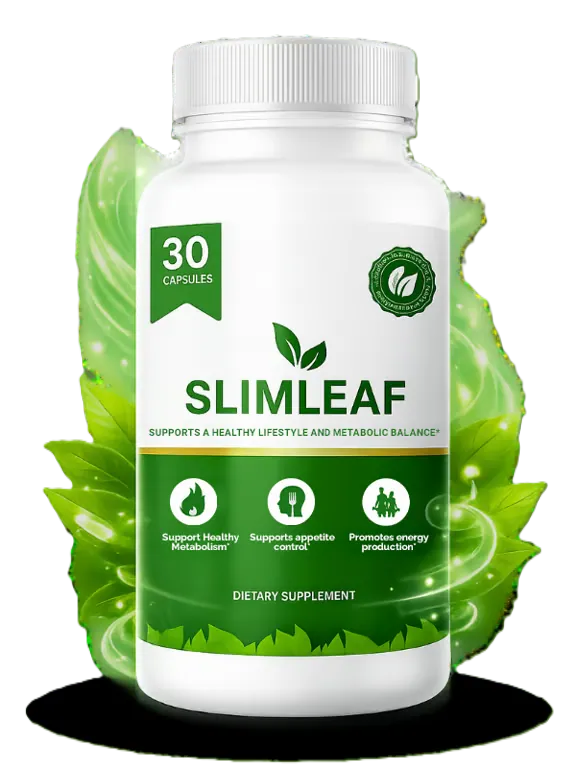
SlimLeaf
Best for actually getting Akkermansia to coloniseThe one live formula carrying Akkermansia muciniphila — paired with chicory inulin and resistant starch, which is what decides whether a fragile strain survives the trip.
Check the Latest Price →Capsule with the Kadooka L. Gasseri dose (LeanBiome), 9-strain polyphenol powder (Ikaria Juice), or Akkermansia + P9 specifically (SlimLeaf). Different strains target slightly different mechanisms.
Capsule vs Powder vs Akkermansia-Specific
| Approach | Best For | Honest Trade-Off |
|---|---|---|
| 9-strain capsule (LeanBiome) | L. Gasseri + L. Rhamnosus at studied doses | Proprietary supporting blend; per-strain CFU not all disclosed |
| Polyphenol + probiotic powder (Ikaria Juice) | Broader formula in morning powder format | Powder taste preference varies |
| Akkermansia + P9 specific (SlimLeaf) | GLP-1 mechanism specifically | 30-day guarantee shorter than colonization window |
Match the formula to which gut mechanism is dominant in your case.
What the First 12 Weeks Actually Look Like
| Window | What You Should Notice |
|---|---|
| Week 1–2 | Digestion shifts. Less bloating. Bowel pattern normalizes. |
| Week 3–4 | Colonization establishes. Energy stays steadier. Cravings start easing. |
| Week 5–8 | Inflammation calms. The "always full of food" feeling fades. |
| Week 9–12 | Visible body composition shift. Waist circumference drops in line with the Kadooka data. |
Slowest of the supplement formats, but the most foundational. Microbiome change compounds for years if you maintain it.
FAQs
Can probiotics really help you lose weight?
Yes — specific strains have human trial data. L. Gasseri (in the Kadooka 2013 trial) showed 4.6% abdominal fat reduction over 12 weeks at 10 billion CFU. L. Rhamnosus showed weight loss in women specifically. Akkermansia muciniphila showed metabolic improvements at Université de Louvain trials. Generic 'gut health' probiotics without these specific strains usually don't deliver measurable weight effects.
What is the best probiotic strain for belly fat?
L. Gasseri has the most direct research on abdominal fat specifically — the Kadooka 2013 trial in 210 adults showed visible visceral fat reduction. L. Rhamnosus follows close behind, with strong data in women. Akkermansia muciniphila works through GLP-1 stimulation rather than direct fat metabolism but produces meaningful weight effects through that route.
How long does it take for a weight loss probiotic to work?
Plan on 8–12 weeks of consistent daily use. Probiotic colonization takes 4–6 weeks before the bacteria have established a stable population. Visible weight and waist effects typically show up between weeks 8–12. Early signals — improved digestion, less bloating — show up in week 2–3.
Do I need a prebiotic with my weight loss probiotic?
Helpful but not always required. Some weight-loss probiotic formulas include a prebiotic (Inulin, GOS) as a substrate for the bacterial strains. If you eat a varied fiber-rich diet, you're already feeding the bacteria. If your diet is low-fiber, a prebiotic in the formula or alongside it improves colonization.
Can I take a weight loss probiotic with antibiotics?
Antibiotics will destroy probiotic strains. Take them 2–3 hours apart at minimum. If you're on a course of antibiotics, the probiotic provides limited weight benefit during that period — but resuming after the course finishes helps re-establish the microbiome that the antibiotic depleted.
Final Thoughts
Probiotics for weight loss work when the strains have research, the doses match the trials, and the delivery technology gets the bacteria where they need to go. LeanBiome nails all three — L. Gasseri at the Kadooka dose, L. Rhamnosus at the Laval dose, DRcaps delivery, 180-day guarantee. Ikaria Juice is the powder format with broader polyphenol layering. SlimLeaf GLP-1 is the Akkermansia-specific option for the GLP-1 mechanism. Pick the format your routine sustains, give it 12 weeks, and let the microbiome do its slow work.
And if you've been on multiple courses of antibiotics in the last year, gut healing may take longer than the standard timeline. Probiotic re-establishment in a depleted microbiome is slower than in an intact one. The 180-day guarantee on LeanBiome and Ikaria Juice exists for exactly that kind of patience.
Want the layer underneath this one? See our Ikaria Juice review and the gut-bacteria link to weight gain.
Recommended Products
Reviewed by: The Supplement Post Editorial Team, Editorial Review — Last updated:
About Luciano Cesar
Luciano Cesar is a contributor at The Supplement Post, supporting the production of evidence-aware supplement reviews and buyer's guides across multiple health categories. His work spans ingredient analysis, formulation assessment and consumer-oriented summaries — what a label discloses, how the stated doses compare with the amounts used in published human research, and whether a formula's design matches what it claims to do. Every review is checked by The Supplement Post editorial team against the standards published in our editorial policy before it goes live.
Disclosure
All content on The Supplement Post is for informational purposes only and is not a substitute for professional medical advice, diagnosis, or treatment. Each product is a dietary supplement, not a prescription drug; statements about its benefits have not been evaluated by the U.S. Food and Drug Administration (FDA) and the product is not intended to diagnose, treat, cure, or prevent any disease.
Results may vary based on individual health status, consistency of use, and lifestyle. If you are pregnant or nursing, taking medication, or have a medical condition, consult a qualified healthcare professional before using any supplement.
This page may contain affiliate links—if you purchase through them, The Supplement Post may earn a small commission at no additional cost to you. References to third-party sites are provided for convenience; we do not control or guarantee their content.