
Natural Alternatives to Mounjaro and Zepbound in 2026: The Long-Term Maintenance Options That Hold After You Stop
Mounjaro and Zepbound deliver the most dramatic weight loss any approved drug has produced. They also cost $1,000–1,400/month indefinitely, and most users regain when they stop. The honest question isn't "can a supplement replace tirzepatide" — it's "what holds the loss after the prescription ends?"
What tirzepatide does, why the rebound is so steep, and which natural supplements actually hold the loss.
In this guide:
- What Mounjaro and Zepbound Actually Do
- Why the Rebound After Tirzepatide Is Especially Steep
- The Biology a Supplement Can Actually Support
- What Separates a Real Alternative from Marketing
- The Pick That Earns Its Place
- Two Alternates Depending on Your Pattern
- Tirzepatide vs Natural Alternatives — Side by Side
- What the First 12 Weeks Off Tirzepatide Actually Look Like
- FAQs
- Final Thoughts
Mounjaro and Zepbound (both tirzepatide — same molecule, different FDA approvals; also commonly misspelled "manjaro") became the most-prescribed weight-loss drugs in history in 2024–2025. The reason is the magnitude: ~22% body weight loss in clinical trials, higher than any GLP-1 monotherapy. Tirzepatide hits two hormone receptors instead of one — GLP-1 and GIP — and that dual signal is what makes the loss so dramatic.
It's also what makes the rebound so steep. When you stop, two systems are recovering instead of one. Studies show 50–60% of the loss returns within 12 months without intervention. The natural alternatives in this guide can't replicate tirzepatide's magnitude — nothing in the supplement aisle can. But they can soften the rebound, support your body's own recovery, and hold more of the loss than letting biology snap back unaided.
What Mounjaro and Zepbound Actually Do
Tirzepatide is a dual agonist — it activates both GLP-1 receptors (the same target as Ozempic) and GIP receptors (a second, complementary incretin hormone). The combination produces more aggressive appetite suppression, better insulin sensitivity, and more dramatic weight loss than either pathway alone.
Clinical trial data: ~22% body weight loss over 72 weeks at the highest dose, with meaningful loss starting in the first 8 weeks. Side effect profile is similar to Ozempic — nausea, vomiting, constipation, occasional gallbladder issues — with similar muscle loss concerns (an estimated 20–30% of total weight loss as lean tissue). Cost runs $1,000–1,400/month without insurance coverage, similar to injectable GLP-1s.
Why the Rebound After Tirzepatide Is Especially Steep
Three reasons the post-tirzepatide rebound hits harder than post-Ozempic. Dual receptor recovery. Both GLP-1 and GIP systems were dampened during use; both need time to recover. The signal you'd normally get after meals is weaker than baseline for weeks after stopping.
Greater muscle loss baseline. Tirzepatide users typically lose more total weight, which means more absolute muscle loss. Lower baseline metabolism means easier weight regain on the same intake.
Appetite spike is more intense. Because tirzepatide suppressed appetite more aggressively than monotherapy, the contrast when the drug clears is also more intense. The 2–4 week window is often the hardest of the post-drug experience.
The Biology a Supplement Can Actually Support
The honest version, in 40 seconds
No supplement matches tirzepatide's magnitude. But natural alternatives can support two of the systems tirzepatide engaged — natural GLP-1 production (through Akkermansia + P9) and insulin sensitivity (through Berberine + AMPK, which overlaps GIP biology indirectly). Used during the post-drug transition, they hold more of the loss than letting the rebound run its course alone.
Akkermansia muciniphila stimulates your own L-cells to produce GLP-1 — the natural version of what tirzepatide was delivering pharmaceutically on that pathway. As your endogenous system recovers, Akkermansia-based supplements amplify the recovery rather than fighting it.
Berberine via AMPK activation addresses the insulin-sensitivity layer that tirzepatide was supporting through GIP signaling. The mechanisms aren't identical, but the metabolic outcome overlaps — softer post-meal crashes, fewer sugar cravings, steadier energy.
What no supplement does: replicate the dual GLP-1 + GIP signal at pharmaceutical magnitude. Tirzepatide's 22% body weight result over 72 weeks isn't achievable through any combination of natural compounds. The realistic supplement goal is holding 50–70% of your loss in the months after stopping.
What Separates a Real Alternative from Marketing
- 1. Targets a real pathway tirzepatide hit. GLP-1 (via Akkermansia + P9) or insulin sensitivity (via Berberine + AMPK).
- 2. Honest about magnitude. No "matches Mounjaro" claims. 4–8% body weight loss over 6 months is the realistic ceiling.
- 3. Long-term cost structure that works. $30–70/month vs $1,000–1,400/month — and works for years, not weeks.
- 4. Bridges the post-drug transition. The 2–4 week appetite spike + insulin drift is the hardest window. Right supplement softens it.
- 5. Guarantee covering 12-week transition. 60 days minimum, 180 days ideal.
The Pick That Earns Its Place
For most people transitioning off Mounjaro or Zepbound, the most important pathway to support is the GLP-1 one — because that's where the appetite control was coming from, and that's where the recovery is slowest. SlimLeaf is built around Akkermansia muciniphila and the P9 protein, supporting your own GLP-1 production through the natural pathway tirzepatide was substituting for.
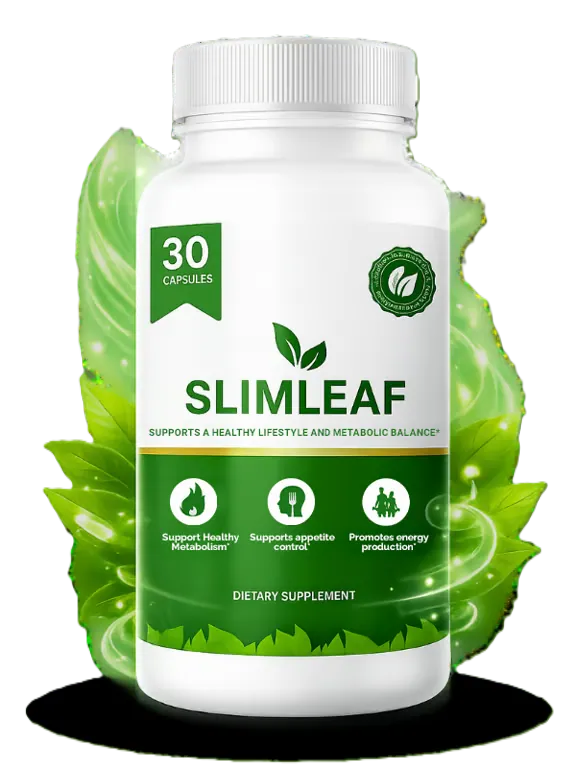
SlimLeaf
Best for actually getting Akkermansia to coloniseThe one live formula carrying Akkermansia muciniphila — paired with chicory inulin and resistant starch, which is what decides whether a fragile strain survives the trip.
- 3,500+ verified buyers
- 60-day money-back guarantee
Current pricing and bundle options are shown on the official site.
Two practical notes. Start SlimLeaf 2–3 weeks before your last tirzepatide dose if possible, so colonization is established when the rebound hits. Plan on the 3-bottle bundle minimum. And expect the magnitude to be much gentler than what tirzepatide delivered — the realistic goal is holding 50–70% of your loss, not replicating it.
Two Alternates Depending on Your Pattern
If the dominant pattern after stopping is post-meal crashes, sugar cravings, and the insulin/blood-sugar drift — the layer tirzepatide was hitting via GIP — Berberine through AMPK addresses it directly:

Ignitra
Best Berberine multi-pathway capsuleBerberine HCL anchor + 10 supporting metabolic ingredients — for adults past 35 dealing with slow metabolism and stubborn cravings.
Check the Latest Price →And if you'd rather come at the GLP-1 pathway through plant compounds — Berberine + Quercetin + Resveratrol + Zinc — than through a probiotic strain, the phytochemical route is yours:
Natural GLP-1 biology (SlimLeaf) or Berberine + AMPK metabolic layer (Ignitra). Many people use SlimLeaf + Ignitra together through the post-drug window — addressing both the GLP-1 and the insulin layer simultaneously, which mirrors what tirzepatide was doing pharmaceutically.
Tirzepatide vs Natural Alternatives — Side by Side
| Criterion | Mounjaro / Zepbound (Tirzepatide) | Natural Alternatives |
|---|---|---|
| Mechanism | Dual GLP-1 + GIP agonist | GLP-1 (Akkermansia) or AMPK/insulin (Berberine) |
| Weight loss (clinical) | ~22% over 72 weeks | 4–8% over 6 months |
| Cost/month | $1,000–1,400 | $30–70 |
| Cost/year | $12,000–17,000 | $360–840 |
| Delivery | Weekly injection | Daily capsule |
| Common side effects | Nausea, vomiting, muscle loss, gallbladder | Mild GI shifts (probiotic adjustment) |
| Rebound on stopping | 50–60% regain in 12 months | Supports natural recovery — holds more |
| Long-term sustainability | Indefinite prescription required | Years at supplement cost |
Tirzepatide is for acute intervention windows. Natural alternatives are for sustainable maintenance — different jobs, different math.
What the First 12 Weeks Off Tirzepatide Actually Look Like
| Window | What's Happening | What Helps |
|---|---|---|
| Week 1 | Drug still circulating; effects still partly active. | Start supplement now if not already on it. |
| Week 2–4 | Drug clears. Dual-receptor recovery hasn't kicked in. Appetite spikes hard. | Akkermansia colonizing — early signal kicks in week 3. |
| Week 5–8 | Appetite eases. Insulin sensitivity still erratic. Sleep often degrades. | Berberine + sleep hygiene critical for holding loss. |
| Week 9–12 | New baseline establishing. Weight stabilizes. | Maintenance phase — keep supplements going. |
| Month 4+ | If holding 50–70% of loss, sustainable window achieved. | Long-term natural support at fraction of drug cost. |
The first month after stopping tirzepatide is often harder than the first month after stopping Ozempic — because the dual signal suppression was stronger and the recovery is slower. Plan for that.
FAQs
Is Mounjaro the same as Ozempic?
No — they're different drugs from different manufacturers. Ozempic (semaglutide, from Novo Nordisk) is a GLP-1 receptor agonist only. Mounjaro (tirzepatide, from Eli Lilly) is a dual GLP-1 + GIP receptor agonist. The dual signal makes Mounjaro more effective for weight loss (~22% vs Ozempic's 15%) but also more expensive in many cases. Both are weekly injections. Both are part of the same broader GLP-1 family but pharmacologically distinct.
What's the difference between Mounjaro and Zepbound?
Same molecule (tirzepatide), different FDA approvals. Mounjaro is approved for type 2 diabetes. Zepbound is approved specifically for chronic weight management. Pharmacologically identical — both are dual GLP-1 + GIP receptor agonists, both delivered as weekly injections, both manufactured by Eli Lilly. Cost and insurance coverage differ depending on which prescription you're filling.
How much does Mounjaro cost without insurance?
Mounjaro typically runs $1,000–1,400/month without insurance coverage. Eli Lilly offers two direct-to-consumer programs that can lower the cost: Lilly Direct (around $499/month cash pay for select doses) and savings card programs that may reduce monthly copays. TrumpRx and similar coupon programs sometimes provide additional discounts. Even at the discounted prices, multi-year use runs $6,000–17,000+ — which is why long-term natural maintenance often makes the math work better.
How much does Mounjaro cost with insurance?
With insurance coverage, monthly copays typically range from $25–$300 depending on plan. Insurance often requires prior authorization and a clinical indication — type 2 diabetes for Mounjaro specifically, or BMI thresholds for Zepbound. Many people who'd benefit don't qualify for coverage. The Lilly Direct ($499/month) program exists specifically for the gap between insurance-covered and full retail pricing.
Are there natural alternatives to Mounjaro or Zepbound?
Yes, with realistic expectations. Tirzepatide delivers ~22% body weight loss in trials — the highest of any approved drug. No supplement matches that magnitude. But natural supplements that target the GLP-1 layer (Akkermansia + P9) or the insulin sensitivity layer (Berberine + AMPK) can provide 4–8% body weight loss over 6 months — and critically, they can hold the loss after you stop the prescription drug, without the rebound.
Why do people regain weight after stopping Mounjaro or Zepbound?
Same reason as Ozempic, possibly worse — the dual GLP-1 + GIP signal that tirzepatide delivers is even more aggressive than semaglutide alone. When you stop, your body's natural production of those signals hasn't caught up, the appetite spike is brutal, and most users have lost meaningful muscle mass that lowered baseline metabolism. Studies show 50–60% of the weight returns within 12 months of discontinuation without any intervention.
Can I take a natural supplement while on Mounjaro?
Generally not necessary while the drug is fully active — it's already maximally engaging the target pathways. Some users add Berberine for insulin sensitivity or probiotics for GI side effects, but consult your physician before stacking. The biggest value of natural supplements is for the long-term maintenance phase after you stop.
What should I take after stopping Mounjaro or Zepbound?
The same general protocol as post-Ozempic but with one nuance: tirzepatide also hits GIP receptors, so the insulin/glucose layer recovers differently. Akkermansia-based supplements (SlimLeaf) help your endogenous GLP-1 system recover. Berberine-based formulas (Ignitra) address the insulin sensitivity that tirzepatide was supporting. Many people use both — SlimLeaf for the GLP-1 layer and Ignitra for the metabolic insulin layer — through the 12-week post-drug transition.
Final Thoughts
Mounjaro and Zepbound earned their dominance — the magnitude is real. But the long-term math is brutal for anyone without comprehensive insurance coverage: $12,000–17,000/year, indefinitely, with rebound if you stop. Natural alternatives don't replicate tirzepatide's magnitude. But they support the biology you'll need to hold the loss once the prescription ends.
SlimLeaf for the GLP-1 layer. Ignitra for the insulin sensitivity layer that tirzepatide was supporting through GIP. Many people use a combination during the post-drug transition window. Whichever you choose, start early, give it 12 weeks, and let your own biology settle into the new baseline. The realistic goal isn't matching tirzepatide. It's holding 50–70% of your loss without needing $1,400/month forever.
And if the clinical situation warrants continued pharmaceutical intervention — talk to your doctor about whether maintenance dosing, cycling, or switching to a different drug makes sense. Supplements complement medical care; they don't replace it when the case warrants more.
Still weighing the decision? See our Ignitra review and whether Mounjaro costs you muscle.
Recommended Products
Reviewed by: The Supplement Post Editorial Team, Editorial Review — Last updated:
About Luciano Cesar
Luciano Cesar is a contributor at The Supplement Post, supporting the production of evidence-aware supplement reviews and buyer's guides across multiple health categories. His work spans ingredient analysis, formulation assessment and consumer-oriented summaries — what a label discloses, how the stated doses compare with the amounts used in published human research, and whether a formula's design matches what it claims to do. Every review is checked by The Supplement Post editorial team against the standards published in our editorial policy before it goes live.
Disclosure
All content on The Supplement Post is for informational purposes only and is not a substitute for professional medical advice, diagnosis, or treatment. Each product is a dietary supplement, not a prescription drug; statements about its benefits have not been evaluated by the U.S. Food and Drug Administration (FDA) and the product is not intended to diagnose, treat, cure, or prevent any disease.
Results may vary based on individual health status, consistency of use, and lifestyle. If you are pregnant or nursing, taking medication, or have a medical condition, consult a qualified healthcare professional before using any supplement.
This page may contain affiliate links—if you purchase through them, The Supplement Post may earn a small commission at no additional cost to you. References to third-party sites are provided for convenience; we do not control or guarantee their content.