
Ashwagandha for Cortisol-Driven Weight Gain: The Adaptogen With Real Cortisol Data
Ashwagandha won't burn fat — but it has the strongest cortisol- reduction evidence of any adaptogen, and for stress-driven belly fat, cortisol is the whole game. Here's how the ancient herb lowers the stress hormone that parks fat at your waist, the studied dose, and which extract form actually works.

The adaptogen with documented 14–28% cortisol reductions — and what that means for stress belly.
In this guide:
Ashwagandha gets marketed for everything from weight loss to muscle gain to better sleep, which makes it easy to dismiss as another do-everything supplement that does nothing. But strip away the hype and there's a specific, well-supported use case: reducing chronically elevated cortisol. And for the subset of people whose weight is genuinely stress-driven, that's exactly the right lever.
The key is understanding that ashwagandha isn't a weight-loss compound — it's a stress-axis regulator that happens to help weight when stress is the cause. Here's the honest picture.
The Cortisol–Weight Connection
The honest version, in 40 seconds
Ashwagandha is an adaptogen that reduces chronically elevated cortisol — trials show 14–28% reductions. Since cortisol specifically promotes belly-fat storage and drives stress eating, lowering it helps cortisol-driven weight gain. It's not a fat-burner — it's a stress-axis regulator. The studied form is KSM-66 at 300–600 mg daily for 8+ weeks. For genuinely stress-driven weight, it's a real lever; for other patterns, minimal.
Cortisol is your body's main stress hormone. In short bursts it's healthy, but chronically elevated cortisol — from ongoing stress, poor sleep, or HPA-axis dysregulation — specifically promotes visceral belly-fat storage (visceral fat cells have more cortisol receptors), raises appetite for high-calorie comfort foods, and breaks down muscle (lowering metabolism). We cover this loop in depth in our guide to cortisol belly and stress fat storage.
The implication: if your belly fat is cortisol-driven, the most effective intervention isn't cutting more calories (which is itself a stressor that raises cortisol) — it's lowering the cortisol. That's where ashwagandha earns its place.
How Ashwagandha Lowers Cortisol
Ashwagandha (Withania somnifera) is an adaptogen — a class of herbs that help the body regulate its stress response. It works on the HPA axis (hypothalamic-pituitary-adrenal axis), the system that governs cortisol release.
Critically, ashwagandha doesn't suppress cortisol artificially (which would be problematic — you need cortisol). Instead, it helps the HPA axis return to baseline faster after stress and reduces the chronic over-activation that keeps cortisol elevated all day. The active compounds — withanolides — appear to modulate the stress-signaling cascade, calming an over-reactive system rather than blunting a normal one.
The downstream effects matter for weight: lower cortisol means less visceral fat storage signaling, fewer stress-eating drives, and better sleep (which itself regulates cortisol). It breaks the self-reinforcing stress-cortisol-belly-fat loop at the hormonal source.
What the Cortisol Research Shows
Ashwagandha has unusually solid evidence for an herbal supplement — specifically for cortisol and stress:
- Cortisol reduction (strong evidence). Multiple randomized controlled trials show 14–28% reductions in serum cortisol with standardized ashwagandha (KSM-66) over 8 weeks. This is its best-documented effect.
- Stress and anxiety (strong evidence). Consistent reductions in perceived stress and anxiety scores across numerous trials.
- Sleep (moderate evidence). Improved sleep quality, which feeds back into better cortisol regulation.
- Weight (indirect/modest evidence). A few trials show reduced stress-related food cravings and modest weight reduction in stressed adults — the weight effect flows through the cortisol reduction, not direct fat-burning.
The honest framing: ashwagandha's evidence for cortisol and stress is genuinely strong. Its evidence for direct weight loss is indirect — it works if cortisol is your weight driver, through the stress-reduction pathway. Match the tool to the cause.
Dose and Extract Form (KSM-66)
Form matters most here. The most-studied form is KSM-66 — a standardized full-spectrum root extract used in the majority of the cortisol trials, standardized to 5% withanolides. Sensoril is another standardized form (higher withanolide content, more sedating). Generic "ashwagandha powder" without standardization is far less reliable.
Dose: 300–600 mg of KSM-66 daily, the range used in the cortisol-reduction trials. Higher isn't necessarily better.
Timing: Consistent daily use matters more than timing — adaptogens work cumulatively. Some take it in the evening for the sleep benefit; others split morning and evening. Effects build over 8 weeks, so consistency over that window is the key variable.
Who Ashwagandha Actually Helps
Ashwagandha is the right tool for one specific pattern: cortisol-driven weight gain — belly fat concentrated at the waist, chronic stress, ragged sleep (especially 2–4 AM waking), afternoon cravings, and the "wired but tired" feeling. If that's your pattern, lowering cortisol is the lever, and ashwagandha is the best-evidenced adaptogen for it.
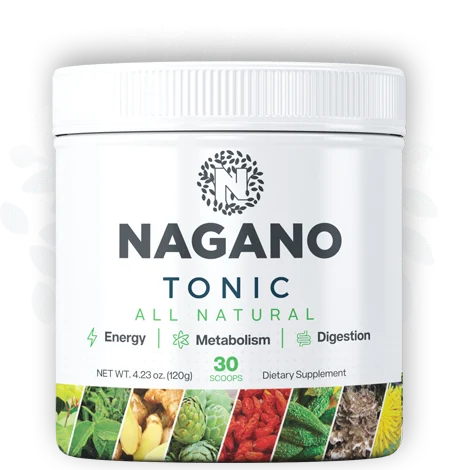
Nagano Tonic
Best for cortisol belly + stress weightA Japanese-inspired adaptogen + thermogenic powder built around Ashwagandha + Eleuthero + Green Tea — for the cortisol weight that diet alone never moves.
- 3,200+ verified buyers
- 180-day money-back guarantee
Current pricing and bundle options are shown on the official site.
Nagano Tonic is built around an Eastern Herbs Blend featuring Ashwagandha alongside Eleuthero and Panax Ginseng — a multi-adaptogen stack for the cortisol-and-stress weight pattern. If gut health is also a factor (chronic stress disrupts the microbiome), a probiotic supports that layer:
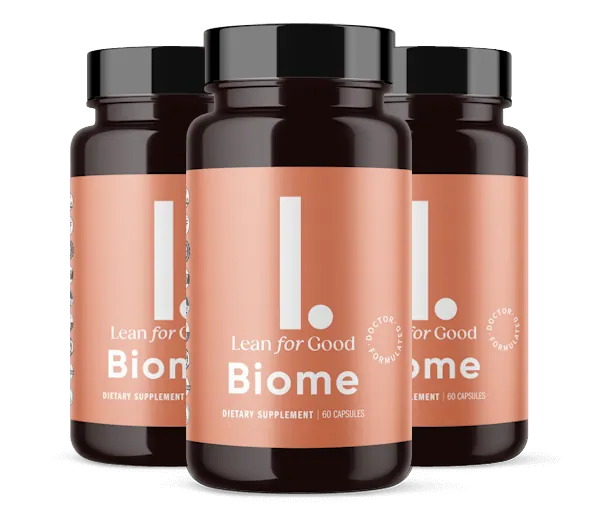
LeanBiome
Best multi-strain probiotic for belly fatA 9-strain probiotic capsule anchored by L. Gasseri + L. Rhamnosus — for people whose belly fat won't move and suspect the gut microbiome is part of the story.
Check the Latest Price →Ashwagandha is also relevant for menopause weight gain, where cortisol sensitivity often rises. For non-cortisol weight patterns (insulin, gut, brown fat), other compounds fit better.
FAQs
Does ashwagandha help with weight loss?
Indirectly, through cortisol. Ashwagandha is an adaptogen that reduces chronically elevated cortisol — trials show 14–28% reductions. Since cortisol specifically promotes belly fat storage and drives stress eating, lowering it can help with cortisol-driven weight gain. It's not a fat-burner; it's a stress-axis regulator. For people whose weight is genuinely stress-driven, that's a meaningful lever. For others, the effect is minimal.
How does ashwagandha lower cortisol?
Ashwagandha helps regulate the HPA axis (hypothalamic-pituitary-adrenal axis), your body's stress-response system. It doesn't suppress cortisol artificially — it helps the system return to baseline faster after stress and reduces the chronic over-activation that keeps cortisol high all day. The active compounds, withanolides, appear to modulate stress signaling. Studies consistently show reduced cortisol and lower subjective stress and anxiety.
What's the right dose and form of ashwagandha?
The most-studied form is KSM-66 (a standardized root extract), typically at 300–600 mg daily. Sensoril is another standardized form. Look for the withanolide percentage on the label (KSM-66 is standardized to 5% withanolides). Doses of 300–600 mg daily for at least 8 weeks match the cortisol-reduction trials. Take consistently — adaptogens work cumulatively, not acutely.
How long does ashwagandha take to work?
Cortisol and stress reductions in trials are typically measured at 8 weeks of consistent daily use. Some people notice improved sleep and calmer stress response within 2–3 weeks. The weight effects (via reduced cortisol-driven storage and stress eating) build over the same 8–12 week window. It's a cumulative adaptogen, not an instant effect — consistency matters more than timing.
Is ashwagandha safe to take daily?
Ashwagandha is generally well-tolerated for daily use in studies up to several months. Some people experience mild drowsiness or GI upset. It can interact with thyroid medications (may increase thyroid hormone), sedatives, and immunosuppressants. It's not recommended during pregnancy or for people with autoimmune thyroid conditions without medical guidance. As always, consult your physician if you take prescription medications.
Final Thoughts
Ashwagandha is one of the few herbal supplements with genuinely strong evidence — but for cortisol and stress, not for fat-burning directly. That distinction is the whole point. It won't do much for weight driven by insulin, gut bacteria, or declining brown fat. But for weight that's genuinely cortisol-driven — the stress belly, the ragged sleep, the comfort-eating cycle — it targets the actual root cause.
Look for the KSM-66 standardized form at 300–600 mg daily, give it 8 weeks of consistency, and pair it with the sleep and stress-management basics that amplify its effect. For the cortisol-driven pattern specifically, it's the best-evidenced adaptogen available — a real lever for a real, often-overlooked weight driver.
The next step from here is how stress changes where fat is stored and our Nagano Tonic review.
Recommended Products
Reviewed by: The Supplement Post Editorial Team, Editorial Review — Last updated:
About Luciano Cesar
Luciano Cesar is a contributor at The Supplement Post, supporting the production of evidence-aware supplement reviews and buyer's guides across multiple health categories. His work spans ingredient analysis, formulation assessment and consumer-oriented summaries — what a label discloses, how the stated doses compare with the amounts used in published human research, and whether a formula's design matches what it claims to do. Every review is checked by The Supplement Post editorial team against the standards published in our editorial policy before it goes live.
Disclosure
All content on The Supplement Post is for informational purposes only and is not a substitute for professional medical advice, diagnosis, or treatment. Each product is a dietary supplement, not a prescription drug; statements about its benefits have not been evaluated by the U.S. Food and Drug Administration (FDA) and the product is not intended to diagnose, treat, cure, or prevent any disease.
Results may vary based on individual health status, consistency of use, and lifestyle. If you are pregnant or nursing, taking medication, or have a medical condition, consult a qualified healthcare professional before using any supplement.
This page may contain affiliate links—if you purchase through them, The Supplement Post may earn a small commission at no additional cost to you. References to third-party sites are provided for convenience; we do not control or guarantee their content.