
Best Supplement for Menopause Weight Gain: What Actually Works, and What to Avoid
The body in menopause isn't the same body that lost weight in your thirties. Estrogen drops, fat shifts to the waist, sleep gets ragged, and the same diet stops working. The question isn't whether you've tried hard enough — it's whether anything in the supplement aisle actually responds to what's happening. The short answer: yes, three of them. Here's the honest read.
What changes during menopause, what actually responds to supplementation, and what to avoid.
In this guide:
- Why Menopause Weight Gain Doesn't Respond to Old Strategies
- The Three Layers That Actually Respond to Supplementation
- What Separates a Real Menopause Supplement from a Knockoff
- The Pick That Earns Its Place
- Two Alternates Depending on Your Pattern
- Probiotic vs Brown Fat vs Adaptogen Approach
- What the First 12 Weeks Actually Look Like
- FAQs
- Final Thoughts
If you've spent the last two years doing the same things that used to work — and watching them stop working — you're not imagining it. The body in menopause processes food differently, stores fat differently, and recovers from stress differently than the body in your thirties. The frustration isn't about discipline. It's about a biology that genuinely changed the rules.
The good news: the supplement category has caught up. Not with magic. With three mechanism-targeted approaches that actually map onto the biology — the gut microbiome shift, the visceral fat redistribution, and the cortisol layer. This guide walks through which one fits which pattern, and the honest timeline before anything moves.
Why Menopause Weight Gain Doesn't Respond to Old Strategies
Three biological shifts collide. Estrogen decline redirects fat storage from hips and thighs to the abdomen — visceral fat that's metabolically dangerous and stubbornly hard to lose. The gut microbiome composition changes during menopause in ways that affect calorie extraction, inflammation, and the gut-brain signaling that regulates appetite. And cortisol sensitivity often increases, parking more fat around the waist and disrupting the sleep that would normally help you recover.
Standard advice — eat less, move more, drink more water — doesn't fail because you don't follow it. It fails because it doesn't address any of the three actual mechanisms.
The Three Layers That Actually Respond to Supplementation
The honest version, in 40 seconds
Three supplement approaches map onto the menopausal biology: probiotics (target the gut microbiome shift), brown-fat activators (target visceral fat through the irisin pathway), and adaptogens (target the cortisol layer). None of them address estrogen decline directly — that's what HRT is for, when medically appropriate. But for the downstream metabolic changes, they're the most evidence-based options the supplement aisle offers.
The gut microbiome layer. Research over the last decade has identified specific bacterial strains — L. Gasseri, L. Rhamnosus — with human trials showing modest abdominal fat reduction. The menopausal microbiome shift makes these strains particularly relevant: re-introducing them helps re-establish the signaling pattern that supports healthier glucose and appetite control.
The brown fat layer. Brown adipose tissue actually burns calories — and it declines with age. Compounds like Fucoxanthin (from kelp), Resveratrol, and EGCG activate the irisin pathway, which re-engages brown fat thermogenesis. For visceral menopausal fat specifically, this is one of the more promising mechanisms.
The cortisol layer. Adaptogens like Ashwagandha, Eleuthero, and Panax Ginseng don't suppress cortisol — they help the HPA axis return to baseline faster after stress. For women whose menopausal sleep is ragged and whose cortisol is parked high chronically, that recovery is what allows the visceral fat to start moving.
What Separates a Real Menopause Supplement from a Knockoff
- 1. Targets actual menopausal biology. Generic "metabolism support" isn't the same as targeting the microbiome, visceral fat, or cortisol axis.
- 2. Research in midlife women, not college students. Look for ingredients studied in women over 40.
- 3. Stimulant-free or stimulant-light. Caffeine-heavy fat burners worsen menopausal sleep and anxiety.
- 4. Realistic timeline. Hormonal weight needs 8–12 weeks. Anything promising 14-day menopause results is misleading.
- 5. Guarantee covering hormonal cycles. 60 days minimum, 180 ideal.
The Pick That Earns Its Place
Of the three approaches, the one with the most direct research and the cleanest formulation is the probiotic route. LeanBiome is a 9-strain probiotic capsule anchored by L. Gasseri (10 billion CFU, the Kadooka trial dose for abdominal fat) and L. Rhamnosus (5 billion CFU, the Laval trial dose). It uses DRcaps delayed-release delivery so the strains actually reach the colon alive, layered with Greenselect Phytosome (the absorption-engineered green tea extract studied for weight loss) and Inulin as a prebiotic substrate.
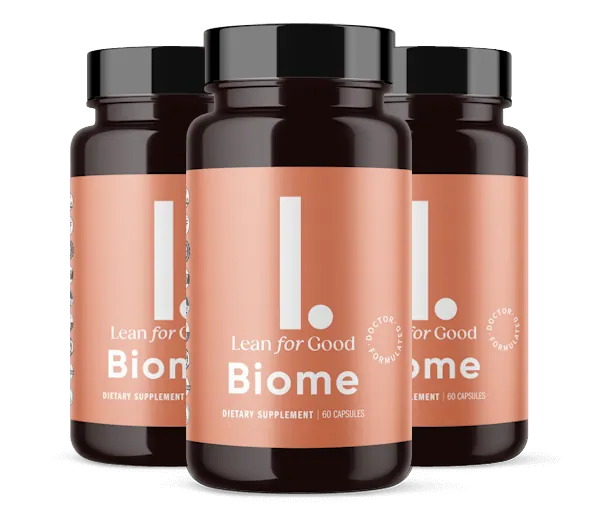
LeanBiome
Best multi-strain probiotic for belly fatA 9-strain probiotic capsule anchored by L. Gasseri + L. Rhamnosus — for people whose belly fat won't move and suspect the gut microbiome is part of the story.
- 8,500+ verified buyers
- 180-day money-back guarantee
Current pricing and bundle options are shown on the official site.
The 180-day Empty Bottle guarantee means you can test the full 12-week evaluation window plus three more months of maintenance. For the menopausal microbiome layer — the one most underserved by the supplement industry — this is the cleanest option.
Two Alternates Depending on Your Pattern
If your menopausal weight gain is concentrated visceral — the new waistline that wasn't there at 45 — the brown-fat activation route targets that biology more directly:
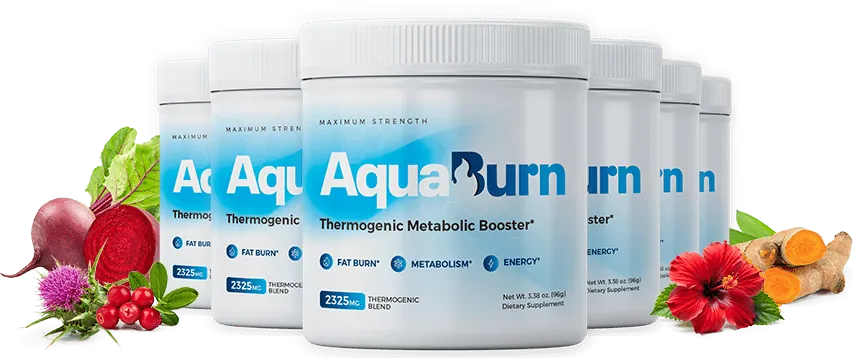
AquaBurn
Best for stubborn belly fat after 40A polyphenol + thermogenic powder targeting brown fat activation via the irisin pathway — for adults past 40 fighting visceral fat that won't budge.
Check the Latest Price →If the bigger issue is cortisol — ragged sleep, constant tension, the sense that stress is keeping the weight on — the adaptogenic route is yours:
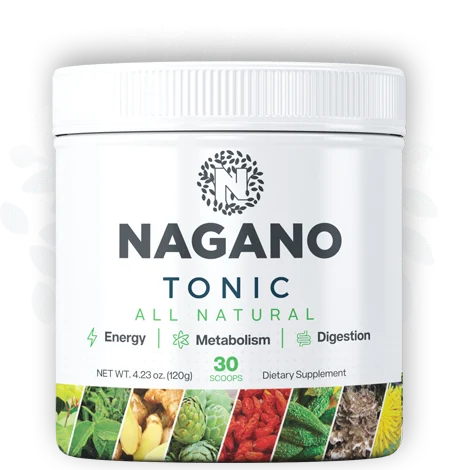
Nagano Tonic
Best for cortisol belly + stress weightA Japanese-inspired adaptogen + thermogenic powder built around Ashwagandha + Eleuthero + Green Tea — for the cortisol weight that diet alone never moves.
Check the Latest Price →Probiotic for the microbiome (LeanBiome), brown-fat activation for visceral fat (AquaBurn), adaptogens for cortisol weight (Nagano Tonic). The right pick is the layer that matches your dominant pattern.
Probiotic vs Brown Fat vs Adaptogen Approach
| Approach | Best For | Honest Trade-Off |
|---|---|---|
| Multi-strain probiotic (LeanBiome) | Menopausal microbiome shift, gut-led weight gain | Probiotic colonization takes weeks; early signals are subtle |
| Brown fat activation (AquaBurn) | Visceral menopausal belly fat | Irisin pathway is emerging — less consensus than insulin-pathway research |
| Adaptogenic powder (Nagano Tonic) | Cortisol-driven weight, ragged sleep | Effects compound over 6–8 weeks; not a quick fix |
Most women have a dominant pattern. Identify yours first; the right supplement follows.
What the First 12 Weeks Actually Look Like
| Window | What You Should Notice |
|---|---|
| Week 1–2 | Sleep often improves first (adaptogens) or digestion shifts (probiotics). Most changes are subtle this window. |
| Week 3–4 | Energy stays steadier through the afternoon. The "constant tension" softens. Cravings shift. |
| Week 5–8 | Visible body composition changes start. Waistband loosens before the scale moves much. |
| Week 9–12 | The new normal stabilizes. Sleep, energy, and weight settle into a different baseline. |
Menopausal weight responds slower than non-menopausal weight. That's biology, not failure. The 180-day guarantees on LeanBiome, AquaBurn, and Nagano Tonic exist so you can wait it out.
FAQs
Why is menopause weight gain so hard to lose?
Three biological changes converge. Estrogen decline shifts fat storage from hips/thighs to abdomen (visceral fat is harder to lose). The gut microbiome composition changes during menopause in ways that affect calorie extraction and inflammation. And cortisol sensitivity often increases, parking more fat around the waist. None of these respond to standard 'eat less, move more' the way pre-menopausal weight does.
Can a supplement really help with menopause weight gain?
Yes — for the metabolic layer. Supplements don't address estrogen decline directly (that's what HRT does, when medically appropriate). But supplements that target the gut microbiome, the brown fat / visceral fat pathway, or the cortisol axis can meaningfully support menopausal weight management. Modest, real, mechanism-based — not magical.
Is HRT (hormone replacement therapy) better than supplements?
They address different things. HRT addresses estrogen decline and the hot flashes, sleep disruption, and bone loss that come with it. Supplements address downstream metabolic effects. Many women use both — HRT for the hormonal layer (under medical supervision) and a supplement for the metabolic layer. Talk to your physician about whether HRT is appropriate for your case.
What ingredients should I look for in a menopause weight supplement?
The three with the most relevant research: probiotic strains (L. Gasseri, L. Rhamnosus) for the menopausal gut microbiome shift; brown-fat activators (Fucoxanthin, Resveratrol) for visceral fat; and adaptogens (Ashwagandha, Eleuthero) for cortisol-driven weight. Avoid stimulant-heavy fat burners — they typically worsen menopausal sleep and anxiety.
When should I see a doctor instead of trying supplements?
If menopausal symptoms are severely impacting your life (sleep, mood, work, relationships), or if weight gain is rapid and unexplained, see your physician. HRT is the most-studied intervention for many menopausal symptoms and is appropriate for more women than the 2002 WHI study suggested. Supplements complement medical care — they don't replace it when the case warrants intervention.
Final Thoughts
The honest answer to "is there a supplement for menopause weight gain" is: yes, for the metabolic layer. Not for the hormonal layer — that's what HRT is for, under medical supervision. But for the gut microbiome shift, the visceral fat redistribution, and the cortisol disruption that ride alongside estrogen decline, three supplements actually respond. LeanBiome for the microbiome route. AquaBurn for visceral fat. Nagano Tonic for cortisol weight. Pick the one that matches your dominant pattern, give it 12 weeks, and let the body settle into the new baseline.
And if menopausal symptoms are significantly disrupting your life — sleep, mood, work, relationships — talk to your doctor about HRT. The 2002 study that scared a generation away from hormone replacement is now understood to have been misinterpreted. For many women, HRT is the most-studied and most effective intervention. Supplements complement medical care; they don't replace it when the case warrants more.
Before committing to a single bottle, it is worth reading our AquaBurn review and why menopause belly fat behaves differently.
Recommended Products
Reviewed by: The Supplement Post Editorial Team, Editorial Review — Last updated:
About Luciano Cesar
Luciano Cesar is a contributor at The Supplement Post, supporting the production of evidence-aware supplement reviews and buyer's guides across multiple health categories. His work spans ingredient analysis, formulation assessment and consumer-oriented summaries — what a label discloses, how the stated doses compare with the amounts used in published human research, and whether a formula's design matches what it claims to do. Every review is checked by The Supplement Post editorial team against the standards published in our editorial policy before it goes live.
Disclosure
All content on The Supplement Post is for informational purposes only and is not a substitute for professional medical advice, diagnosis, or treatment. Each product is a dietary supplement, not a prescription drug; statements about its benefits have not been evaluated by the U.S. Food and Drug Administration (FDA) and the product is not intended to diagnose, treat, cure, or prevent any disease.
Results may vary based on individual health status, consistency of use, and lifestyle. If you are pregnant or nursing, taking medication, or have a medical condition, consult a qualified healthcare professional before using any supplement.
This page may contain affiliate links—if you purchase through them, The Supplement Post may earn a small commission at no additional cost to you. References to third-party sites are provided for convenience; we do not control or guarantee their content.